

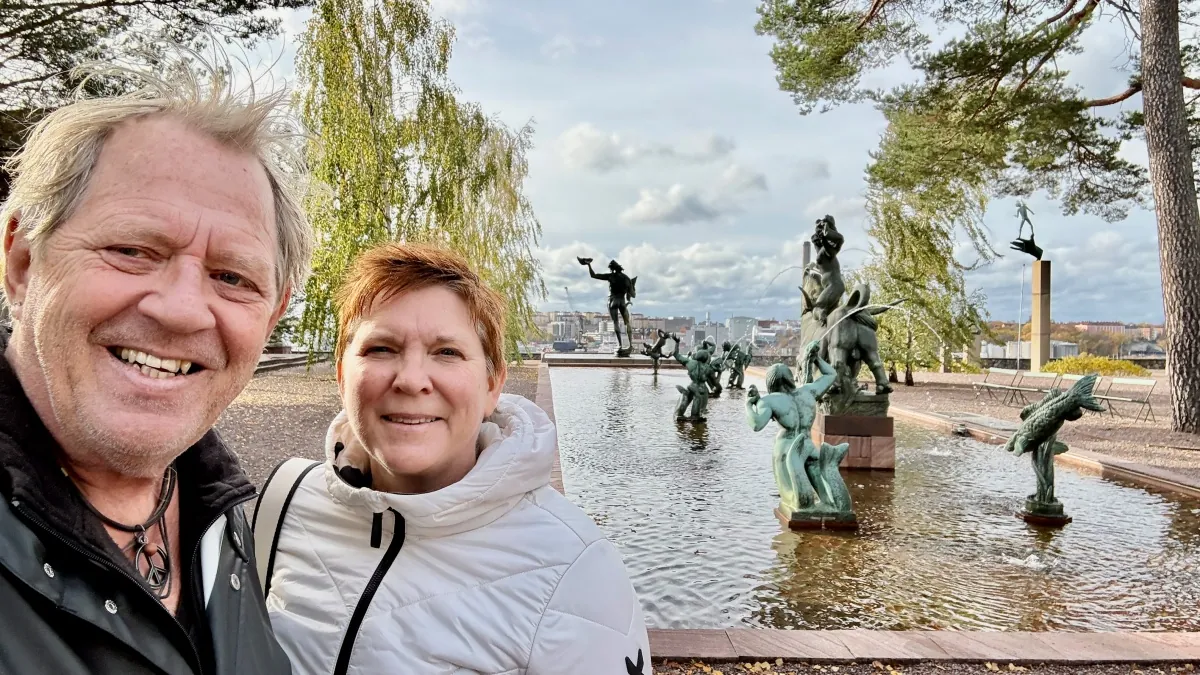
Text and photo: Helena Bergström
Millesgården on Lidingö is a fantastic place with sculptures, fountains, beautiful buildings and views over the water. This is where the artist couple Carl and Olga Milles created their home, which over time grew into an impressive facility. We visited Millesgården for the first time and were surprised by how big and magnificent everything was!
 Tweet
 Share
 Share
 Pin
 Share
 Share
Table of contents
Visit Millesgården on Lidingö
We have of course heard about Millesgården and seen pictures of the famous sculptures that rise high above the ground. But we had never been here before, even though we live in Stockholm. Now it was finally time to discover this special attraction on Lidingö.
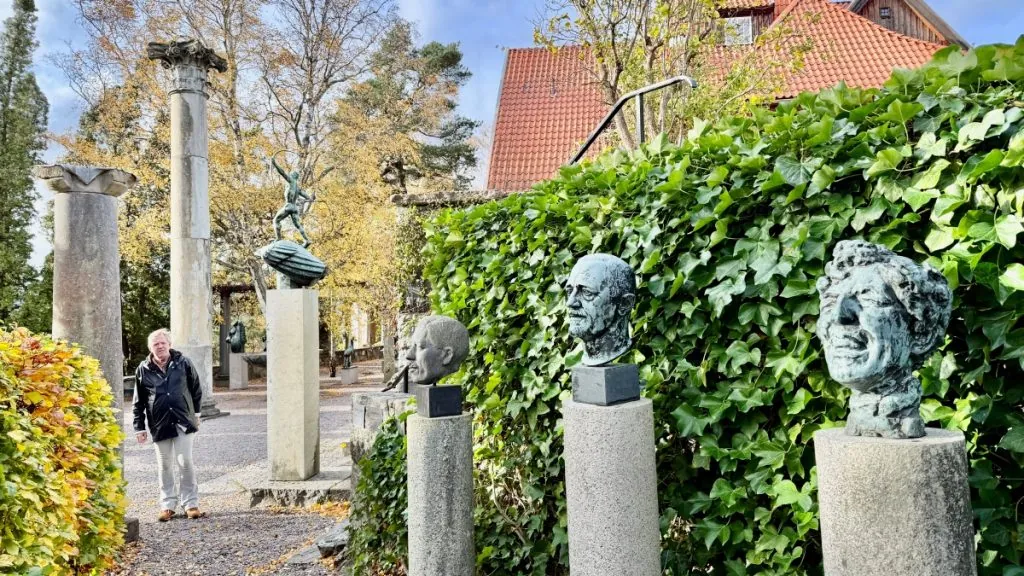
Millesgården Sculpture Park – terraces, fountains and fantastic views
We arrived a few minutes before opening and were far from alone. A small queue had already formed outside the entrance. It was very windy and a storm was coming in, so we decided to start outside, before the rain started to pour.
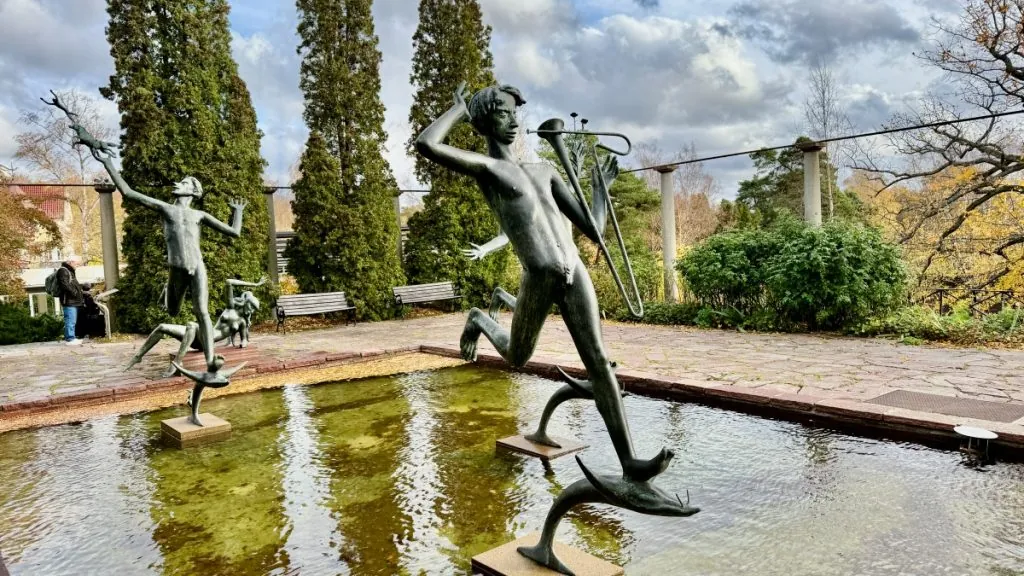
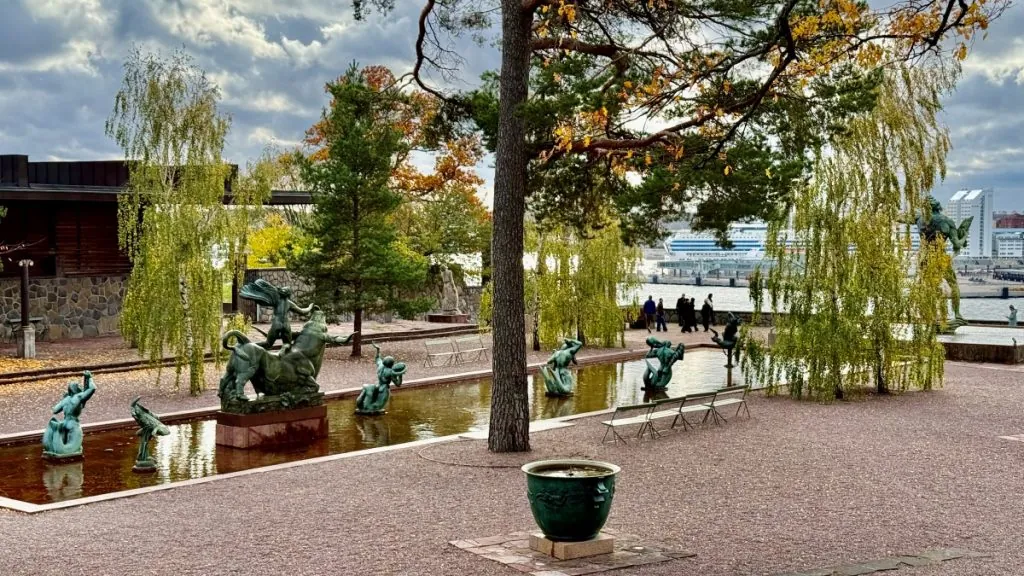
The first thing that struck us was its size. We had expected a beautiful garden with sculptures, but Millesgården turned out to be so much more. Here, terraces, stairs, fountains and ponds spread out on different levels, with sculptures almost everywhere.
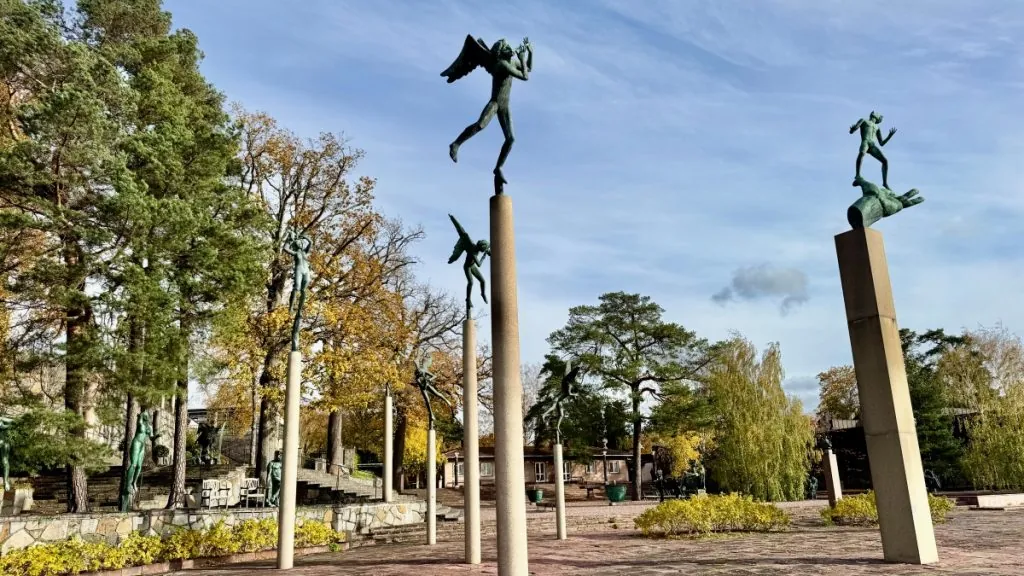
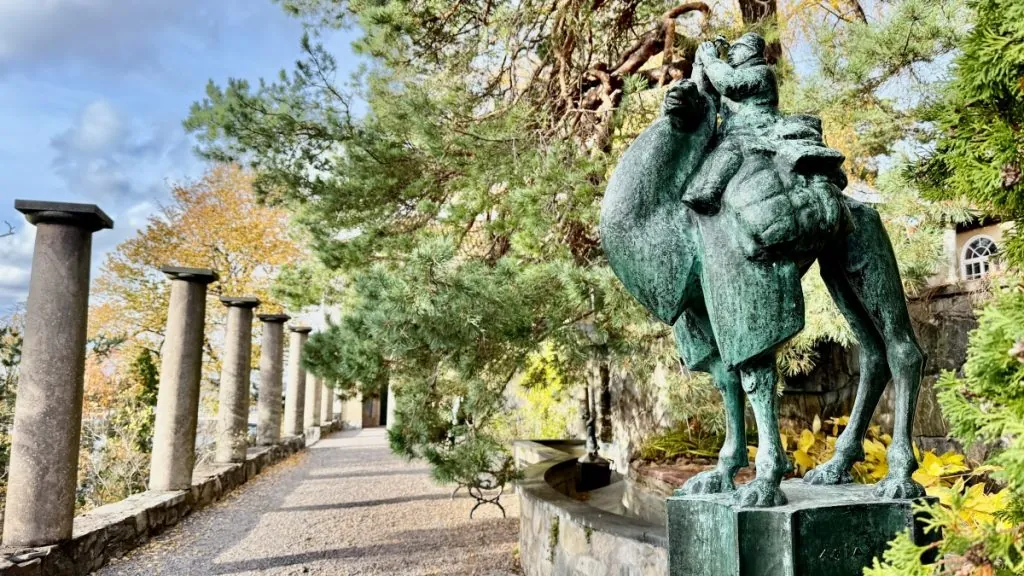
Many of the artworks stand high on pillars, and together with the open spaces and views over the water, they create an almost monumental feel. At the same time, there are smaller, more hidden areas where you can stop and discover new details.

The sculpture park is built up in several terraces that were added during different periods. Carl Milles was inspired by Italian gardens and ancient art, among other things. It is noticeable that the sculptures were not just placed afterwards, but that the entire environment was thought out as a work of art in itself.
We wandered between the different levels and tried to take it all in. Despite the strong wind, we actually got a moment of sunshine up on the terraces, before the storm really set in. It was a pretty dramatic setting for the tall sculptures against the sky!

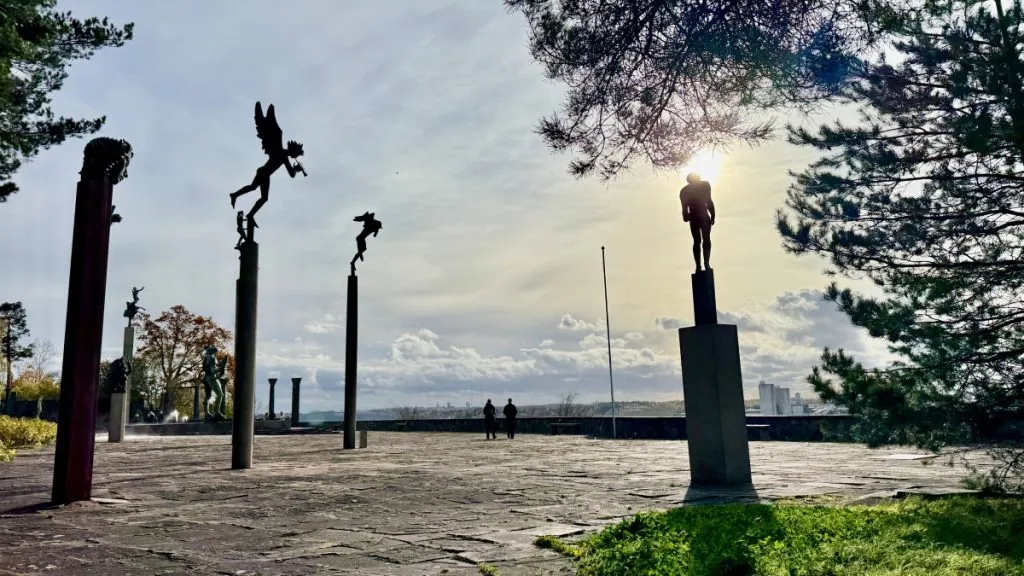
Sculptures by Carl Milles
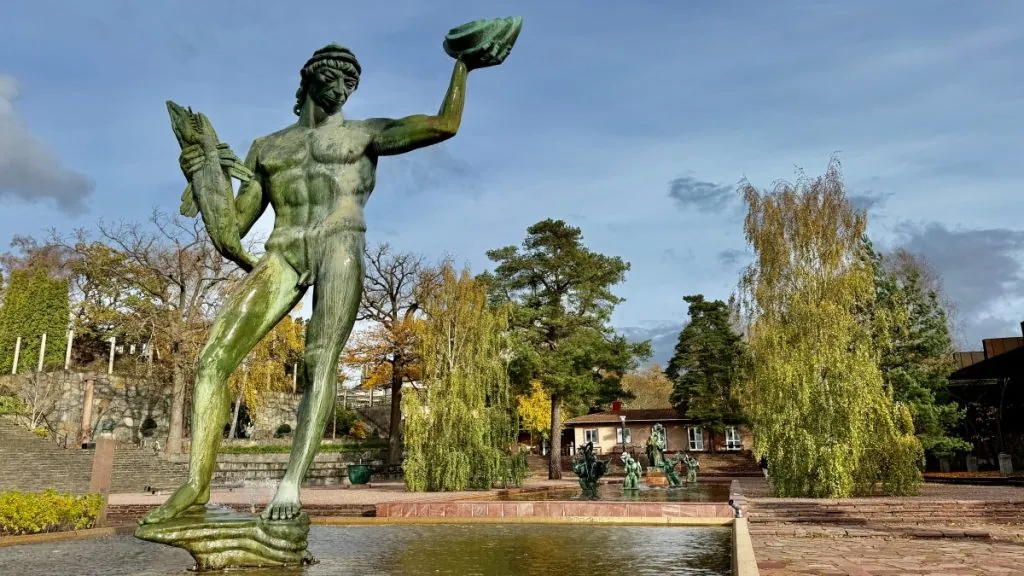
Carl Milles is one of Sweden's most famous sculptors, with public works both in Sweden and abroad. Among his most famous works are Poseidon in Gothenburg and the Orpheus Group outside the Stockholm Concert Hall.
At Millesgården, many of his sculptures are collected, including bronze casts of works that are also found in other places. Here you have the opportunity to see them together, in an environment that the artist himself helped create.

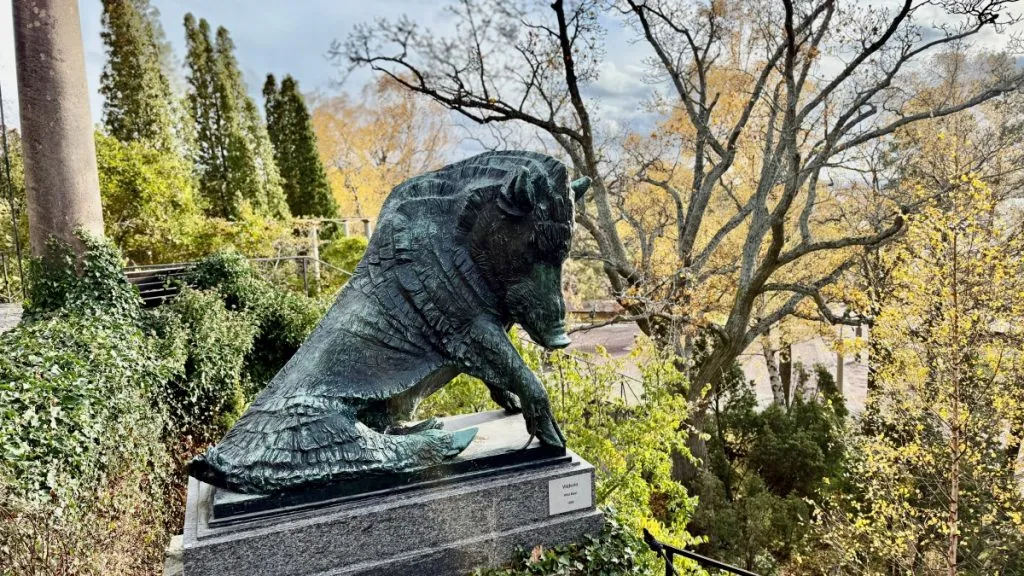
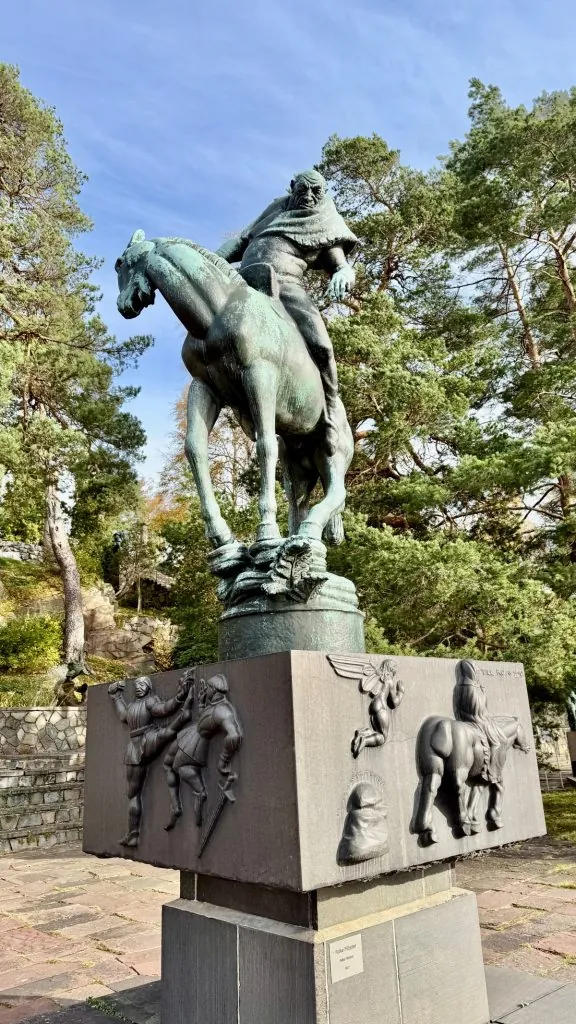
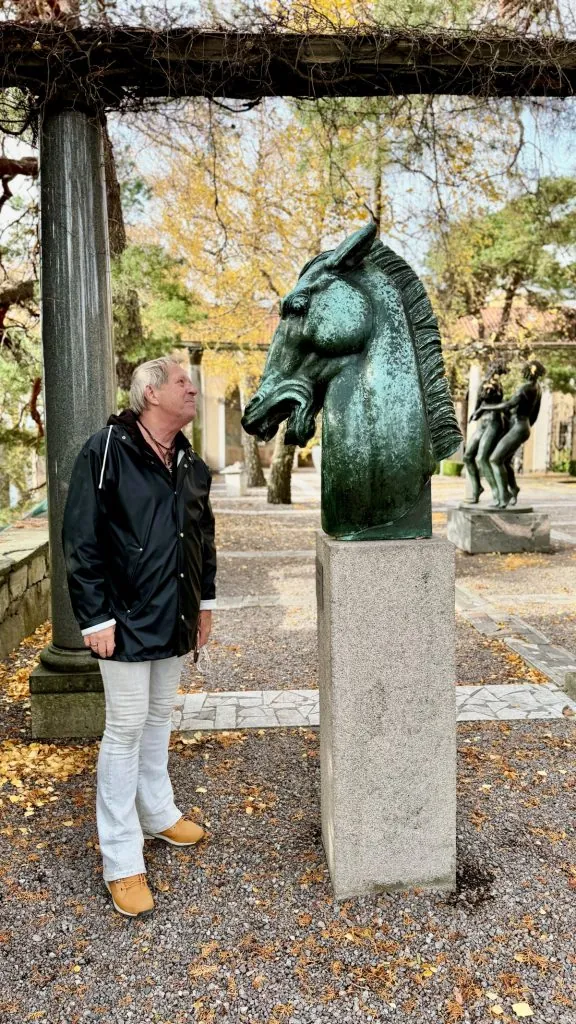
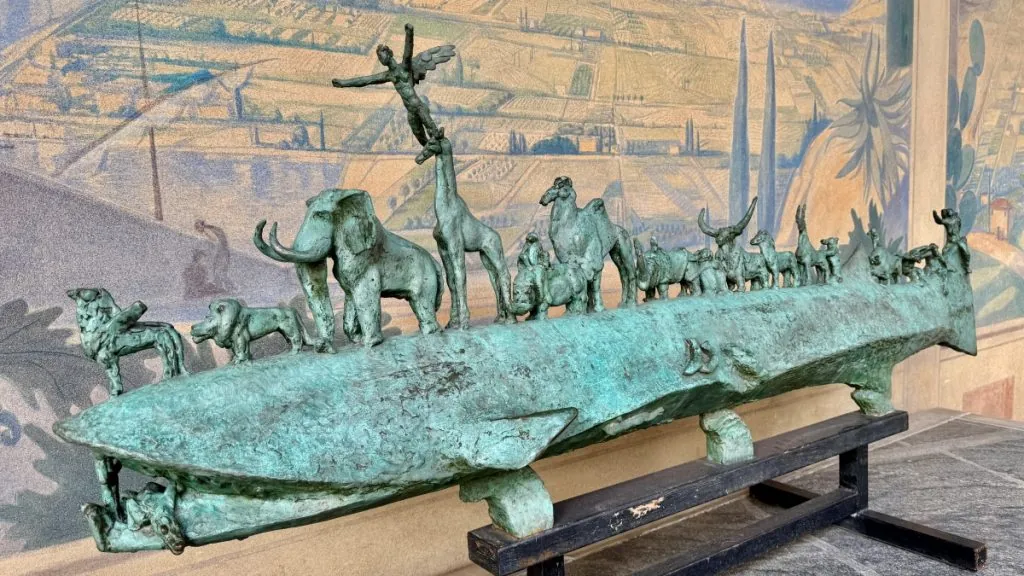
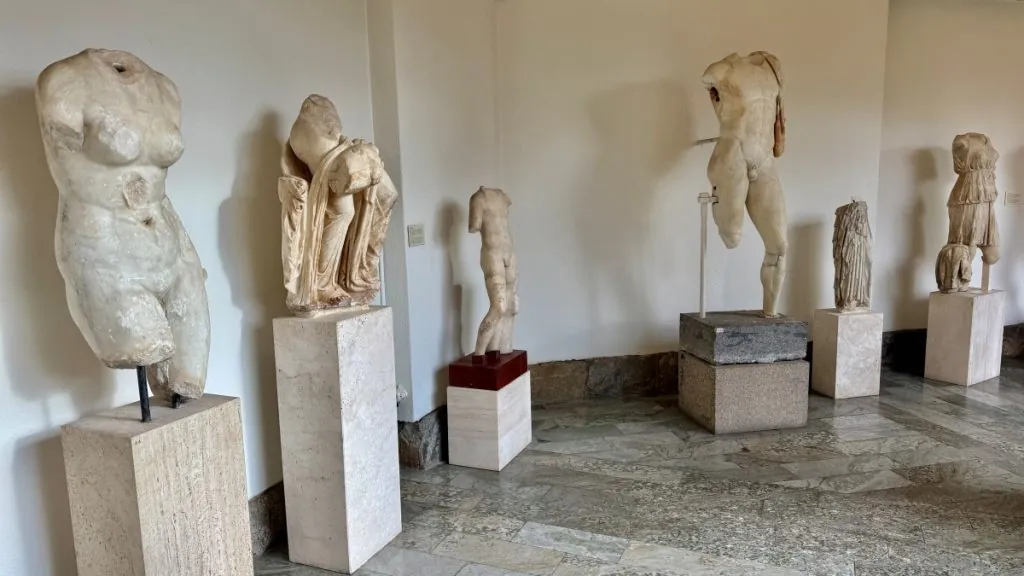
There are also antique sculptures and other art objects that Carl Milles collected during his life. The mix of his own works and older art helps to make Millesgården special.
Carl and Olga Milles – how did they create all this?
As we walked around the large terraces, Peter began to wonder. How could Carl and Olga Milles have managed to create all this in their lifetime? And how could they actually afford the enormous plot of land, the buildings, and all the artwork?
The story began in 1906, when the couple bought a plot of land on Herserudsklippan on Lidingö. Two years later, their home was completed. But Millesgården didn't look anything like it does today.
Over the following decades, the couple purchased more land and expanded the facility with new terraces, studios and garden environments. Much of the work was done in collaboration with architects, including Carl Milles' half-brother Evert Milles.
Carl Milles eventually became an internationally successful sculptor and received major art commissions. For many years the couple lived mainly in the United States, where Carl worked at the Cranbrook Academy of Art outside Detroit, among other places.
His success provided financial opportunities to continue developing Millesgården. But it was also a project that grew over almost half a century, rather than something that was created all at once.
In 1936, Millesgården was handed over to a foundation as a gift to the Swedish people. The large lower terrace was mainly completed during the 1950s, and Carl Milles died in 1955.
Olga Milles was an artist herself, primarily a portrait painter. She was born in Austria and met Carl in Paris. On Millesgården is the area called Little Austria, which is connected to her homeland. The couple's grave is also located here.
The artist's home – beautiful rooms and exciting details
After our tour of the sculpture park, we continued into the artist's home. And here too we were impressed! It's not just the art that's interesting, but also the buildings themselves. We were captivated by the beautiful floors, the materials, the large windows and the light that streams into the rooms. The architecture has a very unique character, with inspiration from Italy and antiquity, among other places.
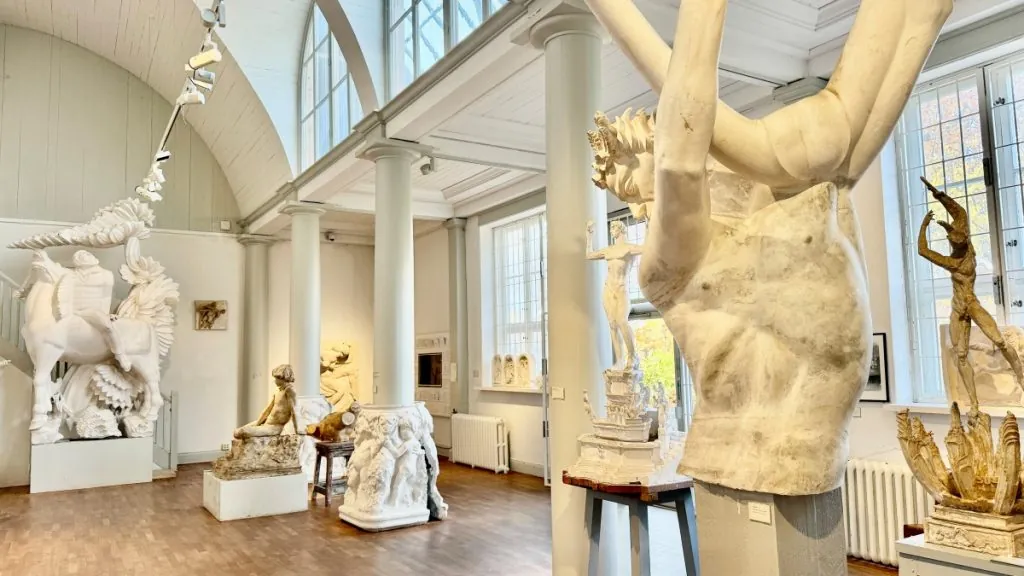
The home contains artwork, furniture and objects that tell the story of Carl and Olga Mille's life. It is fascinating to imagine what it must have been like to live and work in such an environment.
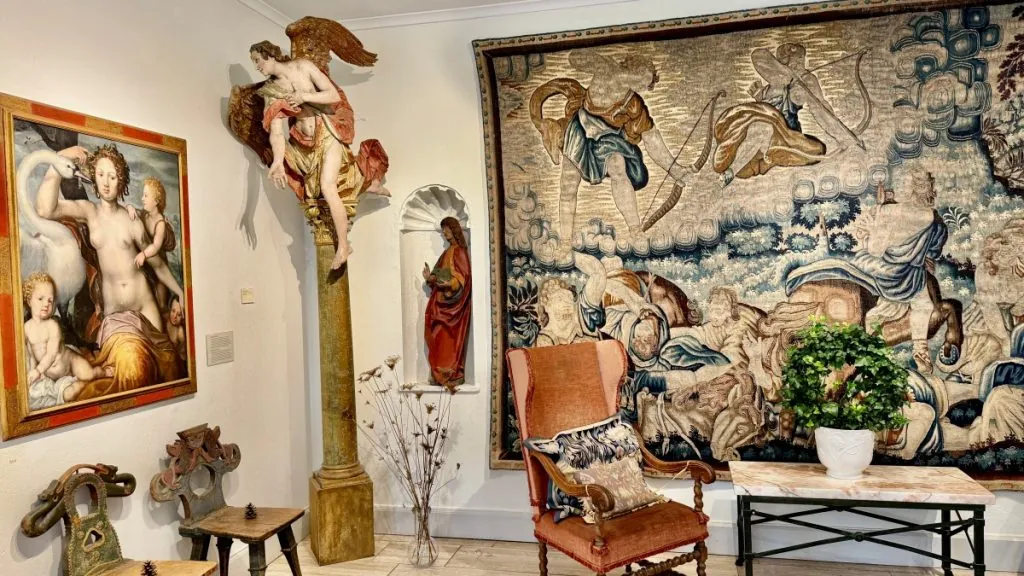
One of the beautiful details is the gallery's black and white marble mosaic floor, which Carl Milles designed himself. It shows his interest in architecture and how art should interact with its surroundings.
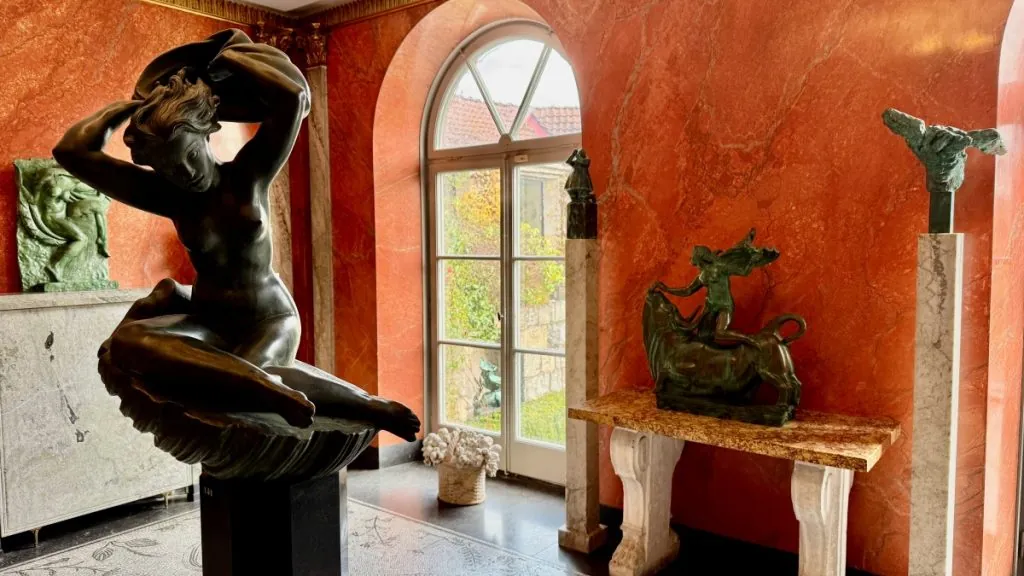
The area also includes Anne's house, which the couple used during their last summers. The house has an interior designed by Josef Frank and Estrid Ericson from Svenskt Tenn, making it particularly interesting for those who appreciate Swedish design history.
Temporary exhibitions at Millesgården
In addition to the sculpture park and the artists' home, there is a modern art gallery at Millesgården. It was inaugurated in 1999 and designed by architect Johan Celsing.
Temporary exhibitions of art, design and crafts are held here. During our visit, an exhibition of carpets was on display, several of which were both large and beautiful. For us, it was the sculpture park and the historical environments that made the biggest impression.
Good to know about Millesgården
- Was: Herserudsvägen 32 on Lidingö, just outside Stockholm.
- What is it? Sculpture park, artist home, art collections and temporary exhibitions.
- How much time is needed? Please allow a couple of hours or more to experience both the sculpture park and the buildings.
- Public transport: Take the metro to Ropsten and continue by public transport to Lidingö. The last part you can walk.
- Parking: There are parking options in the area. We came with a camper and just managed to get a space in one of the parking spaces outside, but of course the options may vary.
- Accessibility: The sculpture park has many stairs and large differences in level, which can make parts of the area difficult to reach for people with reduced mobility.
- Food and coffee: There is a restaurant next to Millesgården.
- Opening hours and prices: Check current information at Millesgården's website.
Is Millesgården worth a visit?
For us, Millesgården was a real surprise. We knew there were famous sculptures here, but hadn't realized how extensive and beautiful the facility is. The combination of art, architecture, garden and view makes the place something truly special.
Even though the weather wasn't the best, we had a fantastic experience. And we can imagine that Millesgården is at least as nice on a calm, sunny day when you can stroll around a little longer among the sculptures and terraces.
Read also – more experiences nearby
You might also like:
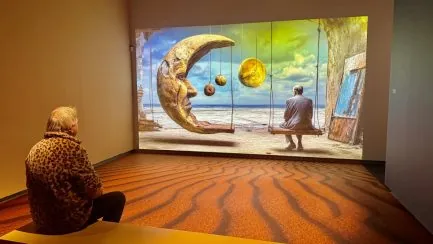 Fotografiska in Stockholm – photographic art that provokes thought
 Nordiska museet 150 years - Jubilee bridge and new exhibitions
 Swedish Museum of Natural History - Grandma Anna's secret winter journey
 Grandma Anna and the paradoxes - the secret grandchildren's trip
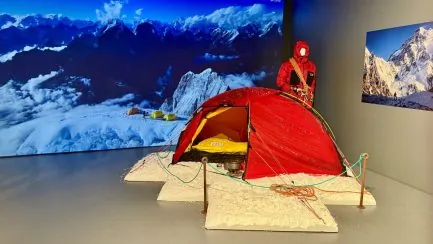 Today, Äventyrs opens in Stockholm - a modern adventure museum in the city centre
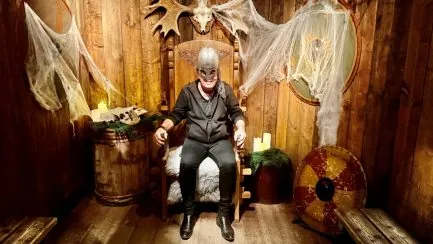 The Viking Museum in Stockholm – experience the Viking Age on Djurgården



 English (UK)
 Svenska