



Writer: Helena Bergström
Updated: August 2026 | German theme roads offer ready-made routes along picturesque landscapes, where the sights are often lined up. Wine road, asparagus road or castle road... In fact, there are no less than 150 themed roads in Germany to choose from. We present four that we are curious about.
 Tweet
 Share
 Share
 Pin
 Share
 Share
Table of contents
Themed roads in Germany
Germany is a big country, and even if you know there's a lot to see, it can be a bit difficult to know where to start or how best to get around. The theme roads (holiday roads) are a good way, especially for us with a motorhome. We have followed some in part, but have become more and more keen to use these roads as a way to discover Germany.
We recommend four themed routes in Germany that we are curious about. The German Tourist Office, with whom we collaborate, has contributed its best tips along these routes.
Park and ride sites along the German theme roads
In Germany, motorhome pitches are easy to find and there are plenty of them. Use one or more apps or listings to find the sites. Here are some suggestions for apps and lists:
- The "CamperContact" app
- The "Park4night" app
- Apps "Promobil parking space radar".
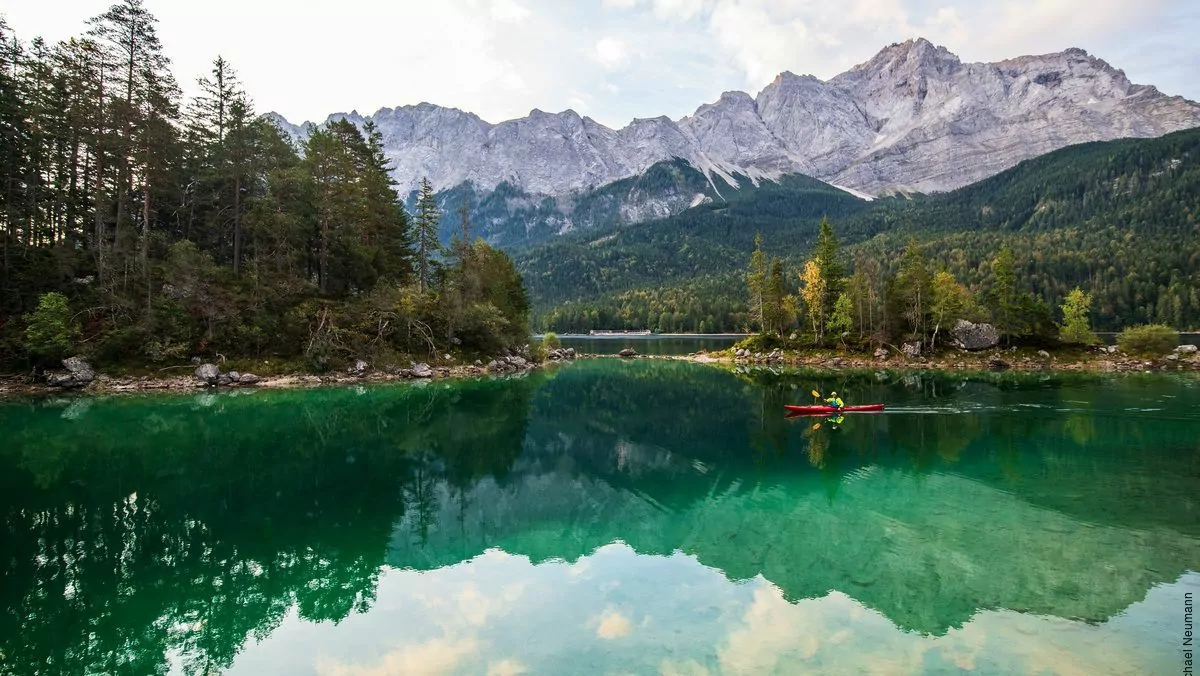
Southern Germany: Alpvägen
In southern Germany you will find the Alpstrasse, or "Alpenstrasse" (also "Queralpenstrasse") as the road is called in German.
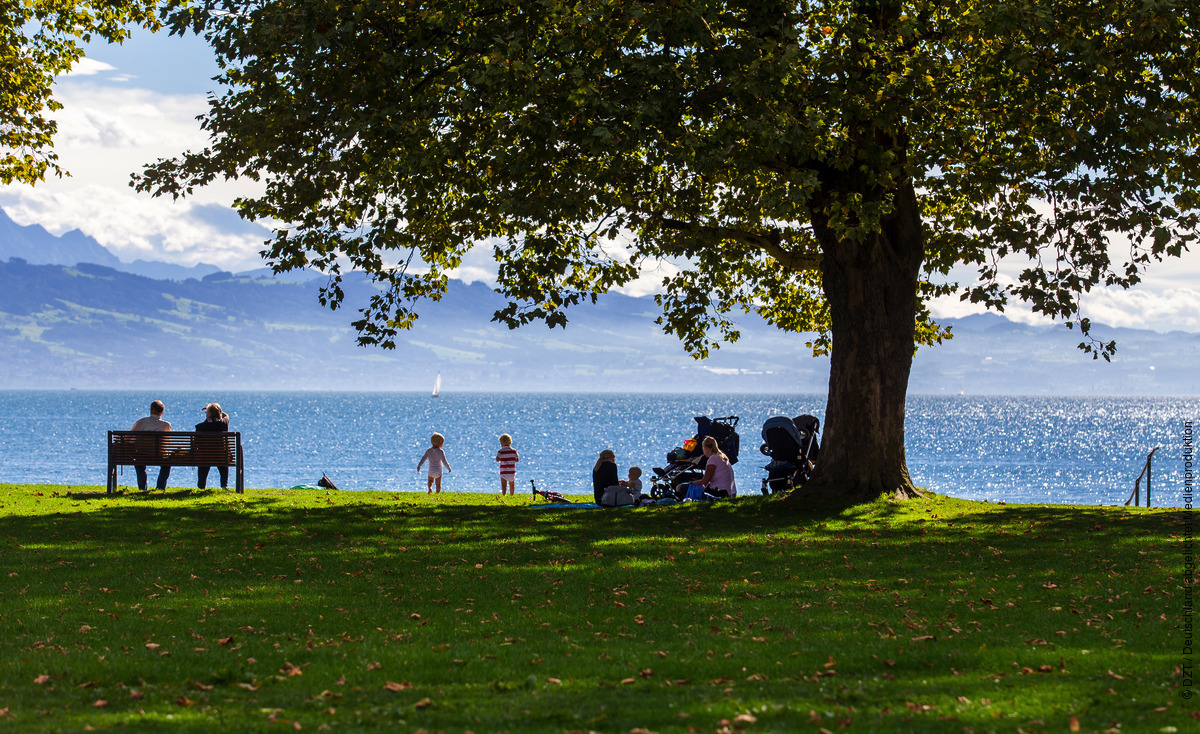
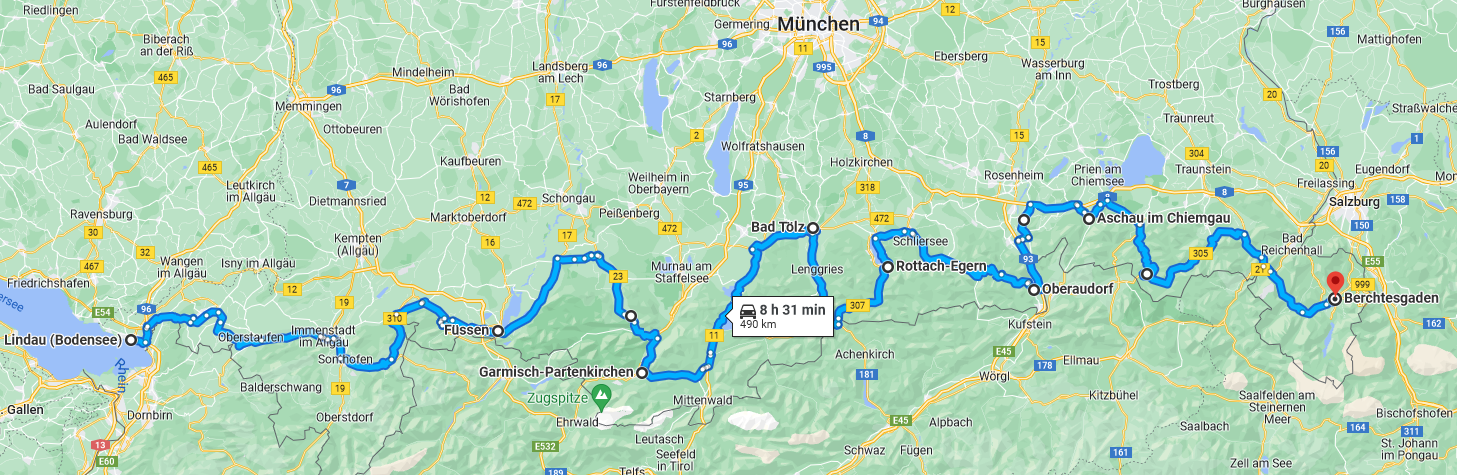
The Alpine route starts in Lindau
The road, which is over 48 kilometres long, starts in Lindau on Lake Constance, continues eastwards and ends in Schönau am Königsee.
Mountains, lakes, castles and passion plays
The Alpine Road may be Germany's oldest holiday route, dating back to the 1920s. Along the route you can experience magnificent views of dramatic mountain peaks and tranquil lakes. Some of the highlights include the popular Lake Constance and winter sports resorts such as Reit im Winkl and Garmisch-Partenkirchen.
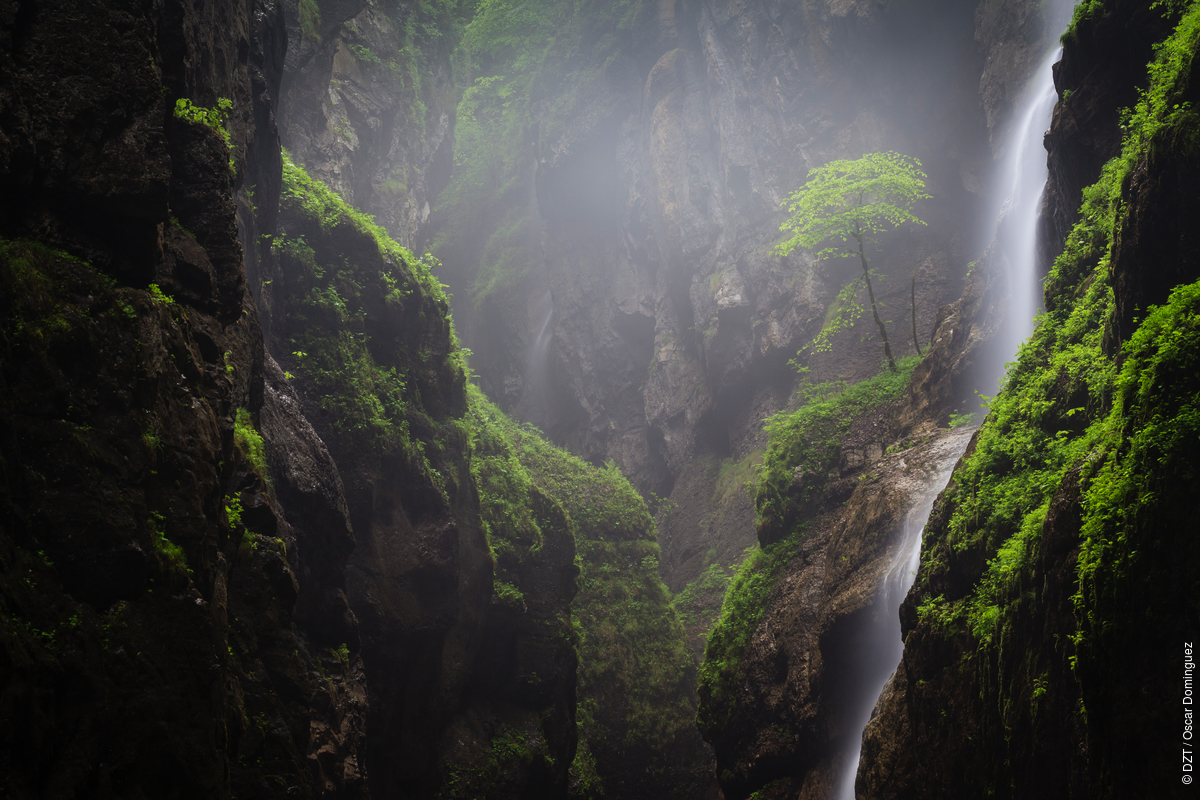
Along the Alpvägen you will also find Oberammergau, a twin town to Mora in Sweden. Here, every 10 years, the so-called "passion play" - a tradition that has been going on since 1633!
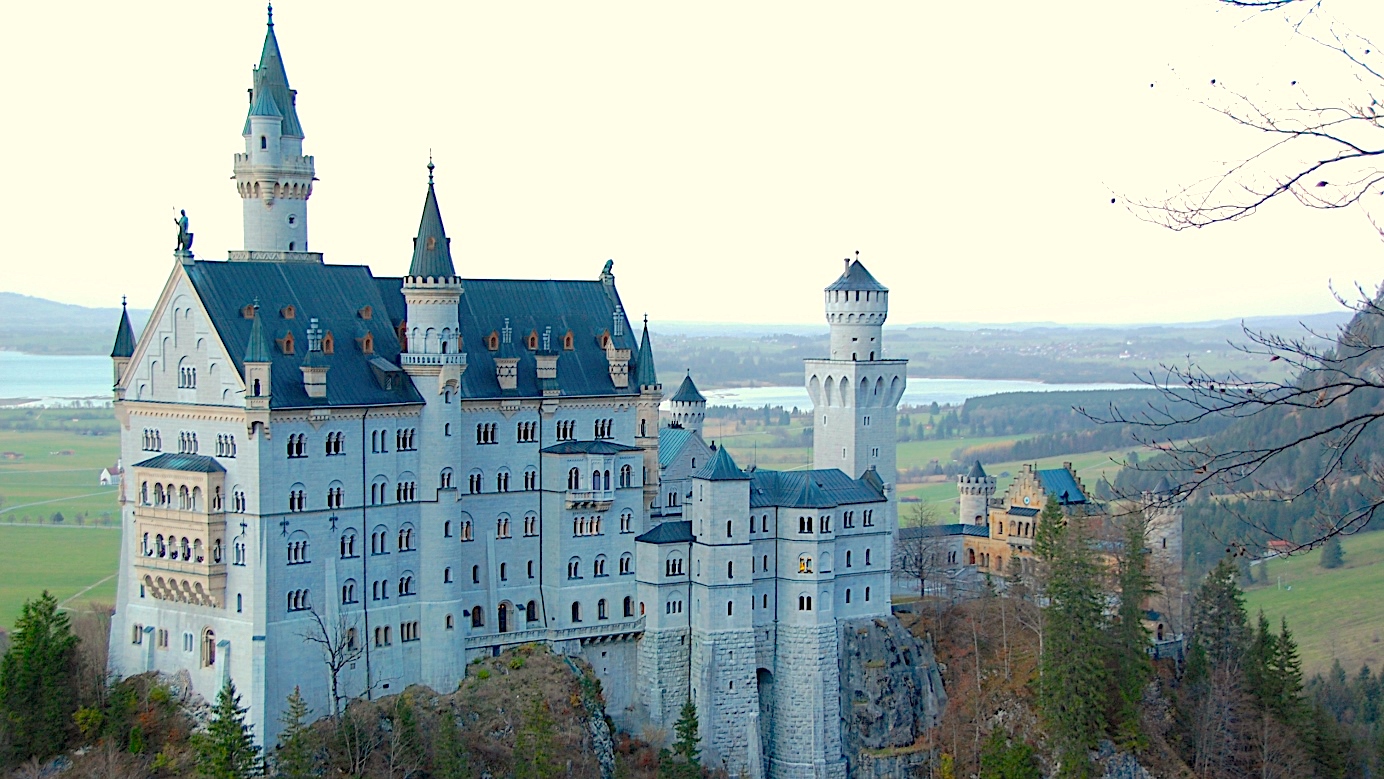
You will also find along the way castles such as Hohenschwangau, Neuschwanstein and Linderhof. Bavaria's castles are renowned for their beauty, perhaps most famously Neuschwanstein, which was even used as a model for the Disney logo.
Top tips from the German Tourist Board
- For the best experience of nature: Hike along parts of the Alpvägen!
- Take the cable car from Garmisch-Partenkirchen to Germany's highest mountain. Zugspitze!
- End the trip with a magical boat ride on the lake. Lake Königssee!
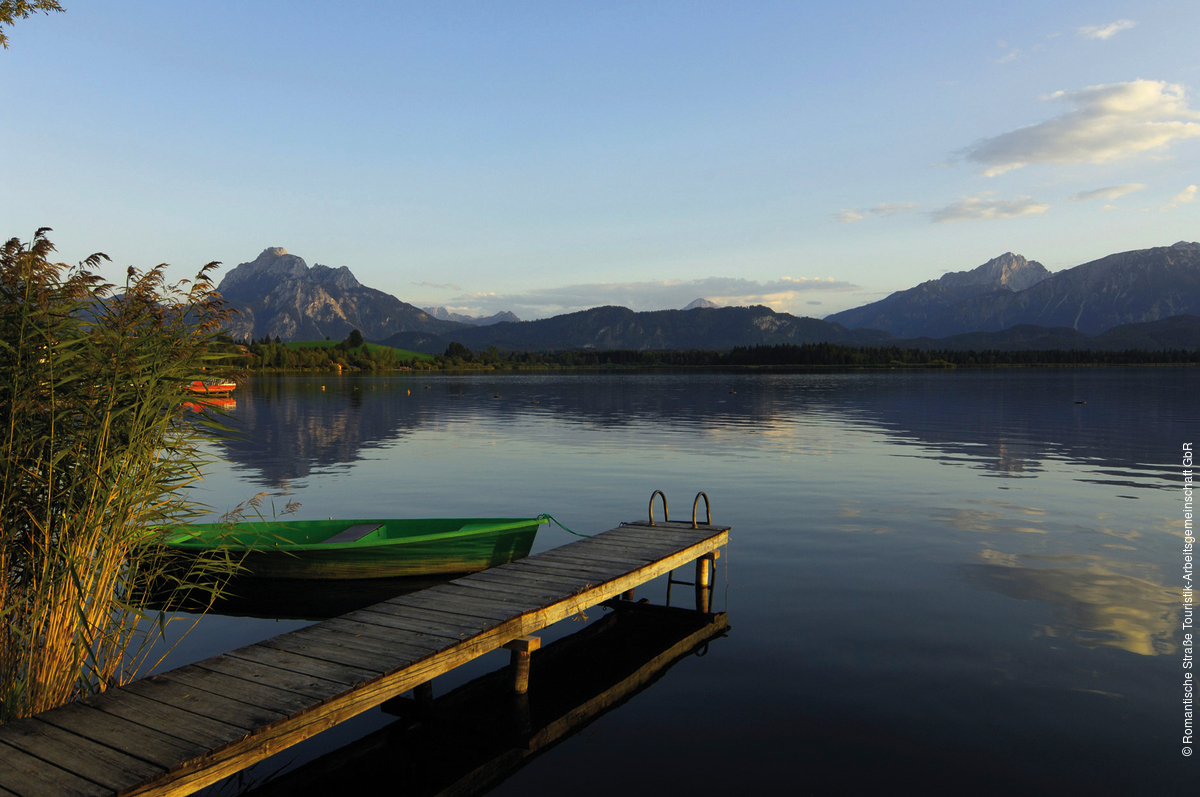
West Germany: The Romantic Rhine Route
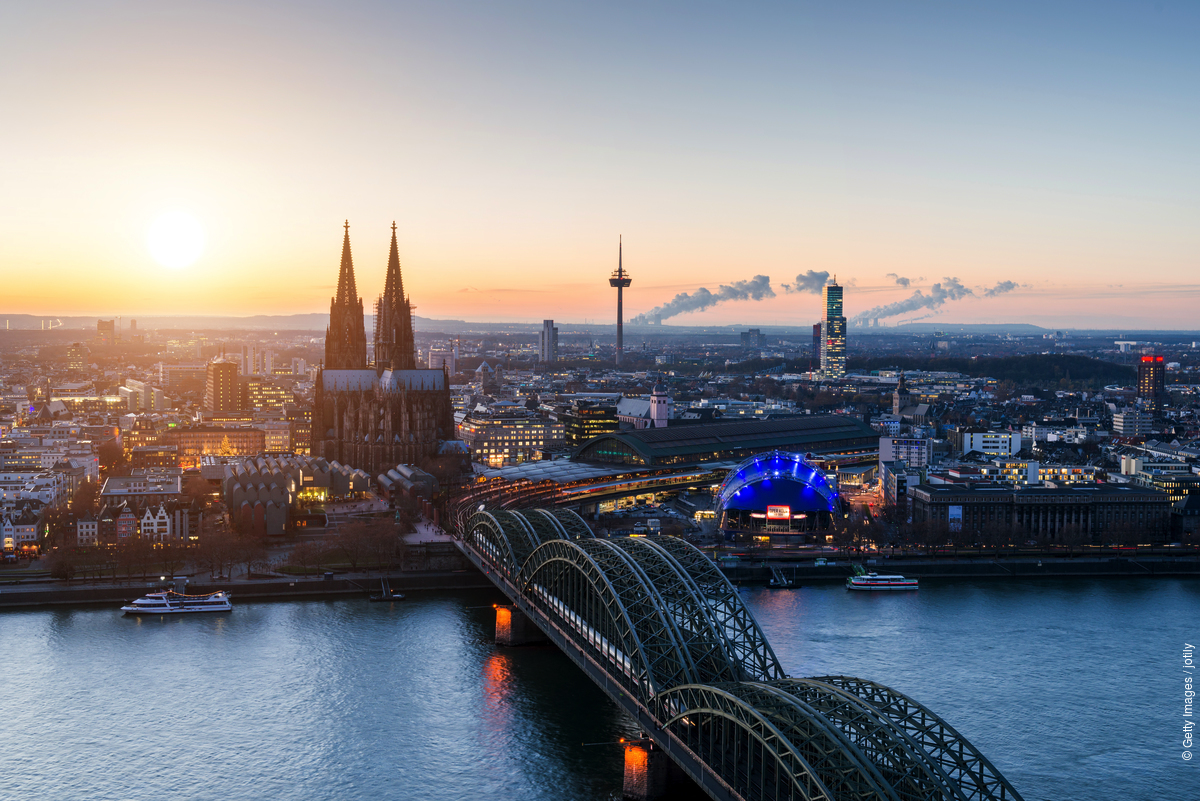
The Romantic Rhine Route (Route der Rheinromantik) is known for its romantic character and along the way you will find picturesque villages, rolling vineyards and over 60 castles and palaces. A bit like a fairy tale!
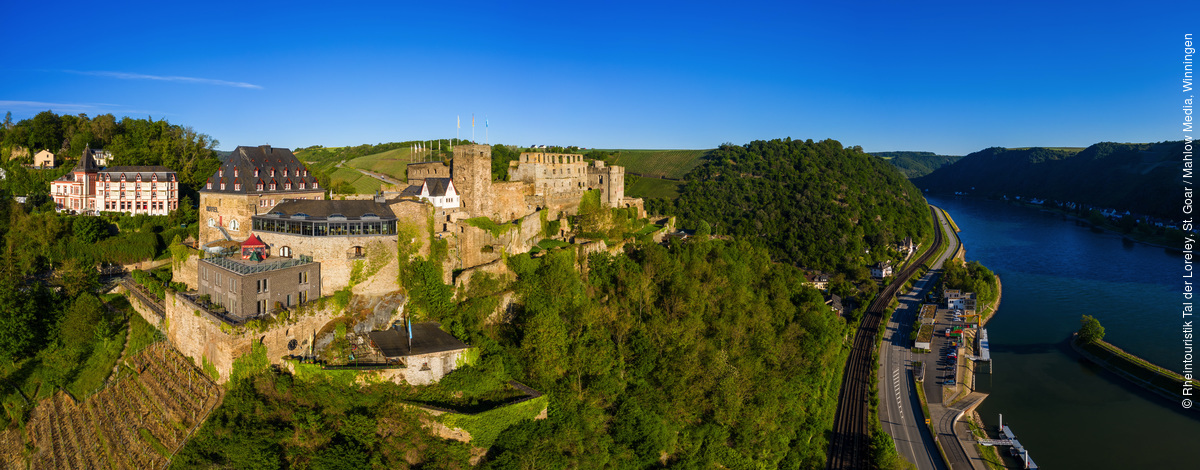
Romantic Rhine Route starts in Cologne
The route is 36 miles long and starts in Cologne and then continues, in a south-easterly direction, towards Mainz/Wiesbaden. At the beginning of the journey, by the way, you don't want to miss enjoying the best spa hotels in Cologne.
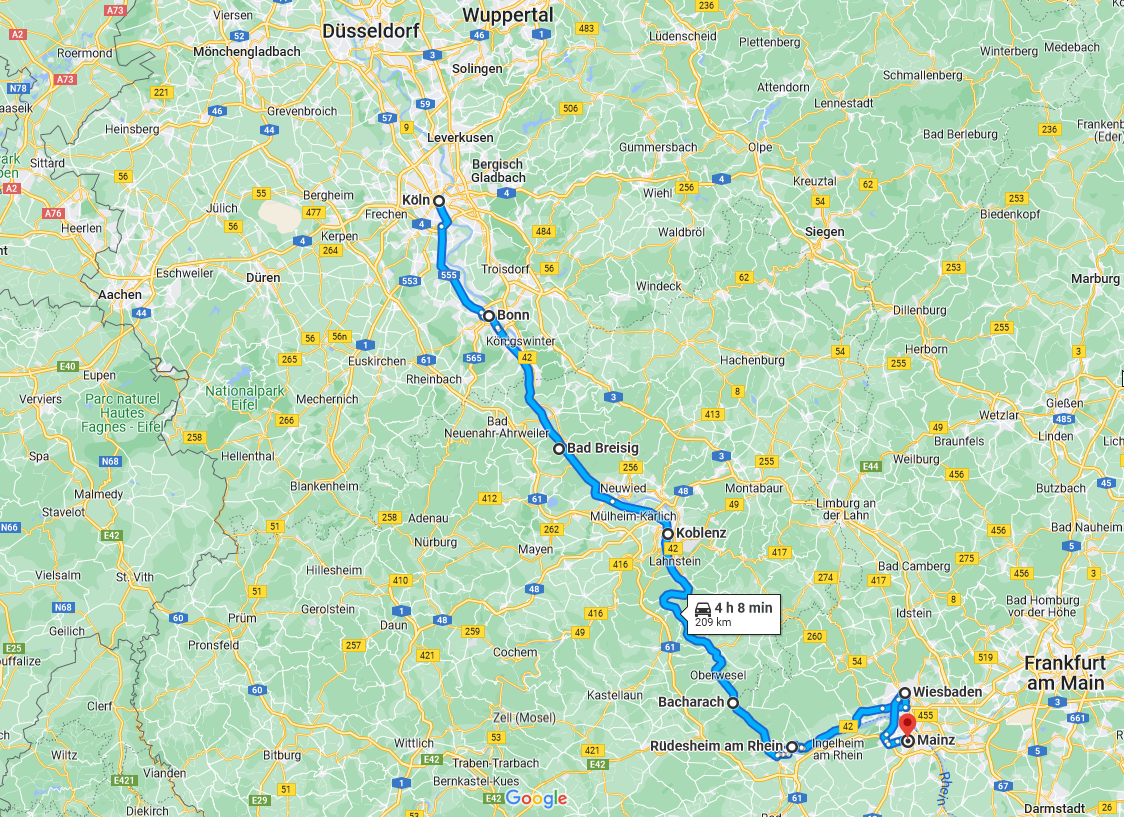
World heritage sites, castles and fortresses
You can see the 132 metre high Lorelei cliff, which is part of the UNESCO World Heritage Site "Oberes Mittelrheintal". The cliff has been written about by many German writers and poets, most notably Heinrich Heine. In the stories, countless sailors have drowned here after being enchanted by the beautiful songs of the fairy Lorelei.
If you like castles and fortresses, there is an abundance to choose from. For example, you can see the famous and beautiful castles of Reichenstein and Sooneck, both of which are around 800-900 years old and located in the 'Upper Middle Rhine Valley' area. The castle of Pfalzgrafensten, located on a rocky island in the Rhine, is also well worth seeing. Further highlights along the way include the cities of Cologne, Koblenz and Mainz/Wiesbaden.
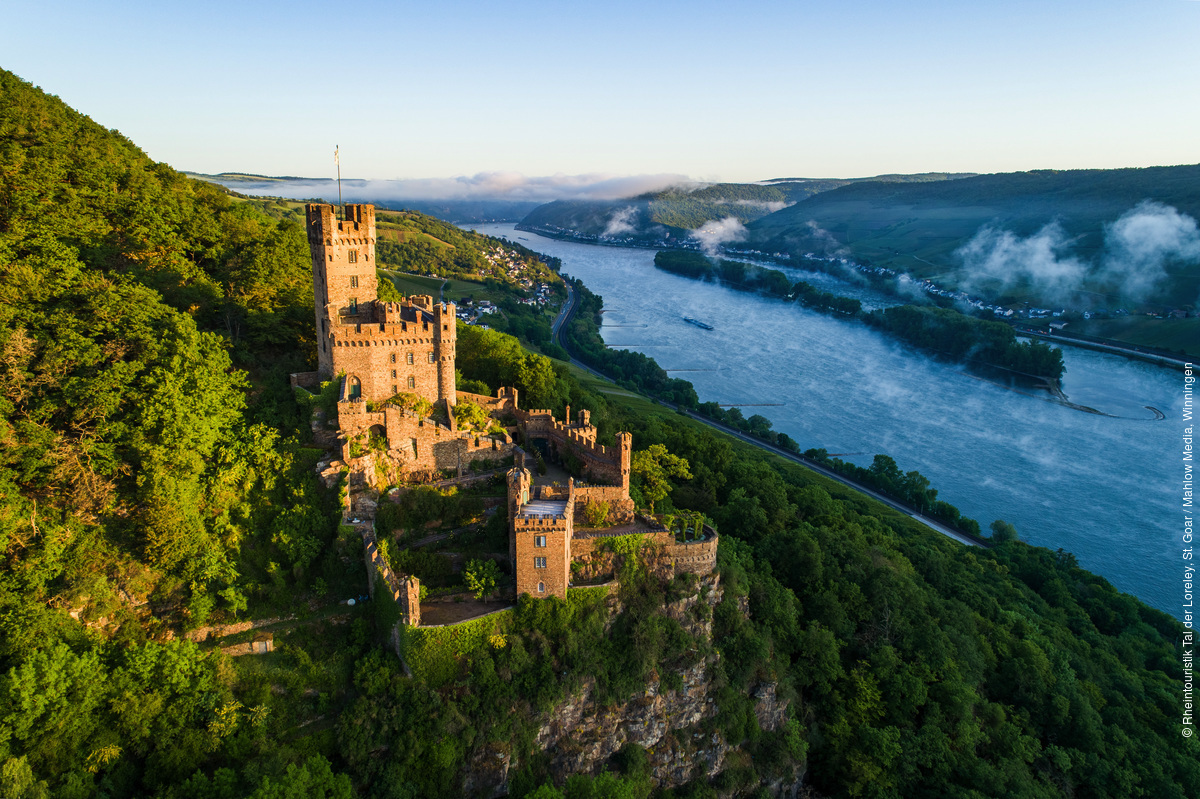
Top tips from the German Tourist Board
- Make a beautiful boat trip!
- Take a wine tour and try German wines!
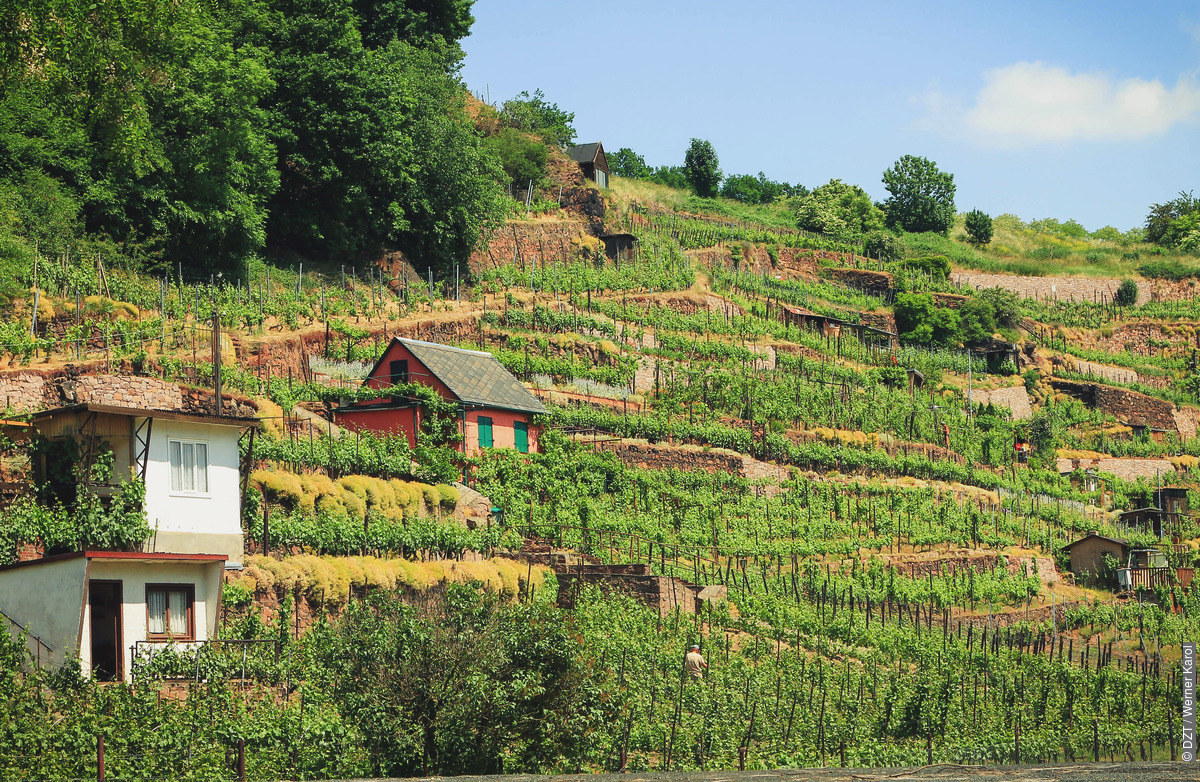
Eastern Germany: Saxon Wine Route
Opened in 1992, the Saxon Wine Route runs through one of Germany's smallest wine regions. But while the area may be small, there is plenty to see and experience. Everything here is about wine!
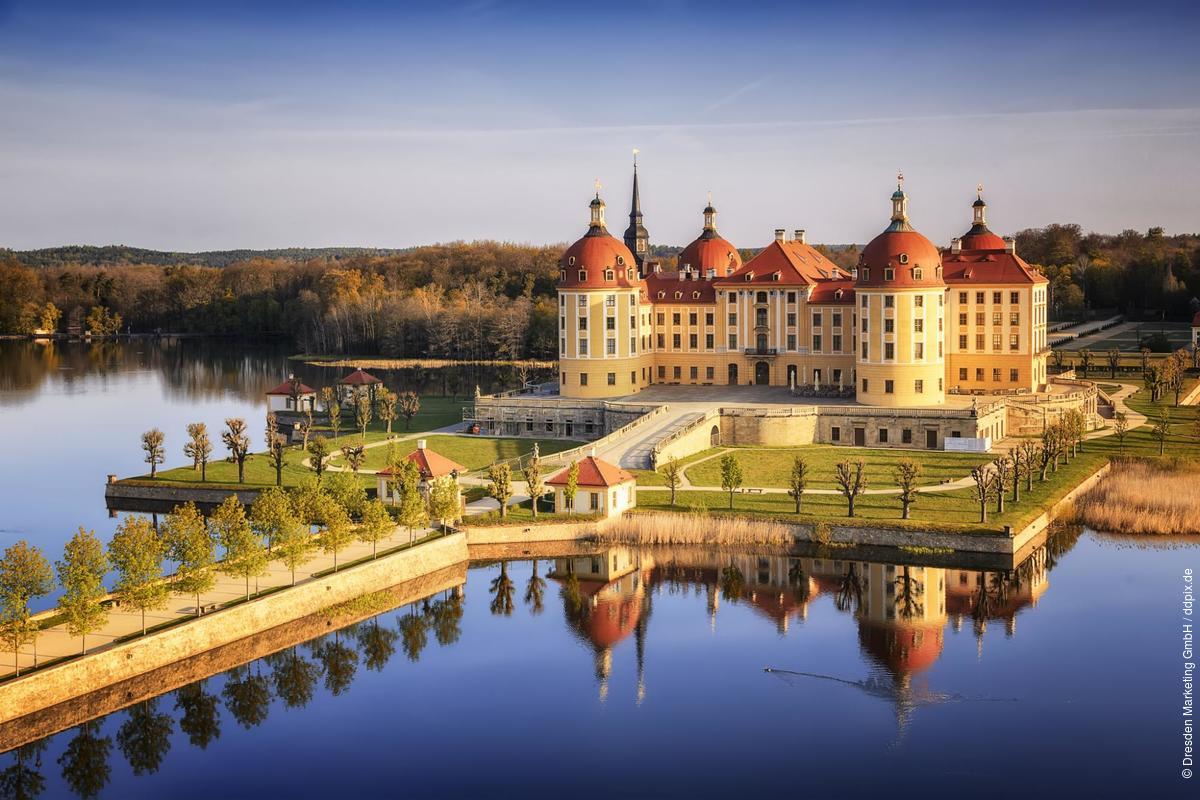
Along the way you can visit restaurants and traditional "Weinstuben", or spend the night with a winemaker. In addition, several wine festivals are usually organised. Don't miss beautiful castles like Wackerbarth in Radebeul, Moritzburg in Dresden and the baroque castle in Diesbar-Sesslitz.

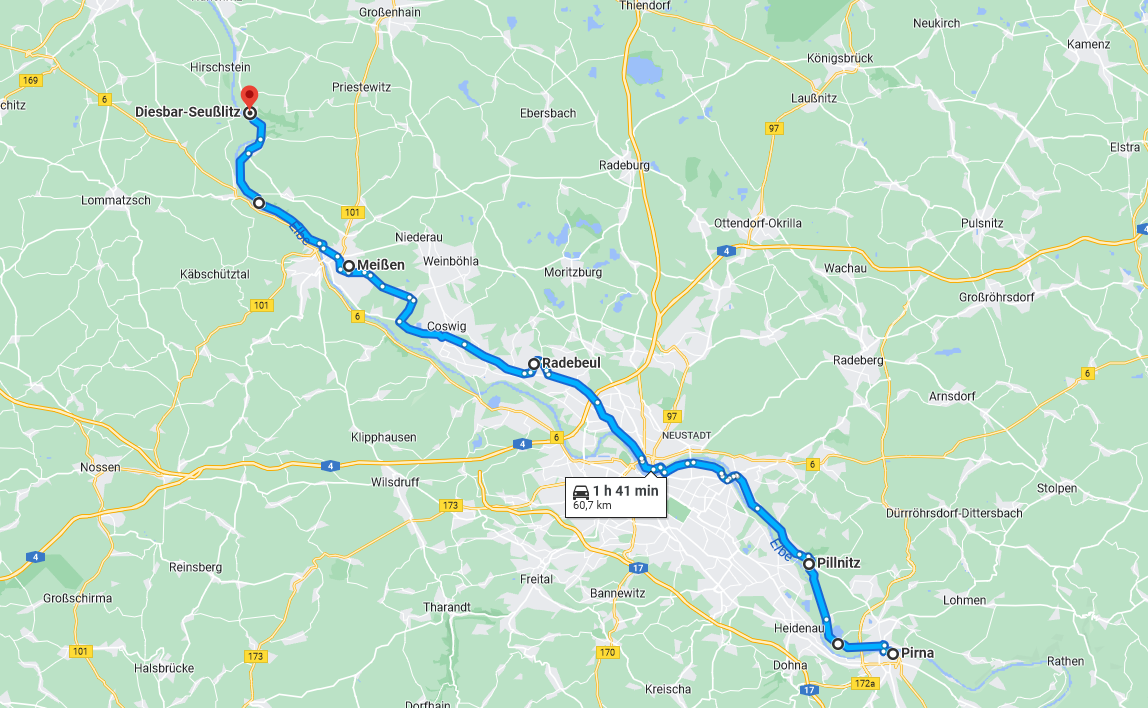
Saxon wine route starts in Pirna
The Saxon Wine Route is about 6 miles long, running from Pirna, southeast of Dresden, to Diesbar-Seusslitz, northwest of Dresden.
Wine can be combined with nature experiences
You can also vary your wine tasting with nature experiences. There are hiking trails with beautiful viewpoints. Almost parallel to the Saxon Wine Route is the "Elbdradweg" cycle path, which runs from Prague to Hamburg. Further highlights include the cities of Meissen and Dresden with Moritzburg Castle.

Top tips from the German Tourist Board
- In Saxony, the mountains and hills are not so high. Feel free to cycle the route!
- Feel free to stop in Dresden for sightseeing!
Northern/central Germany: Korsvirkesvägen
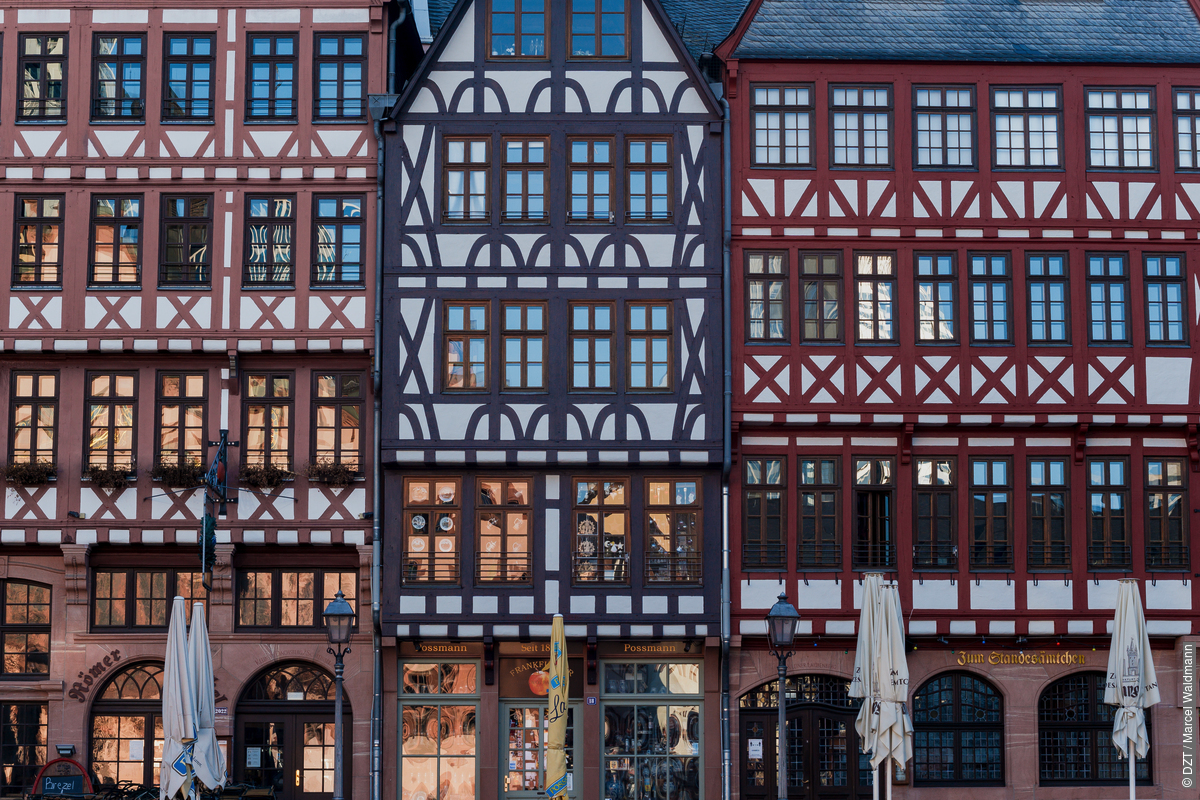
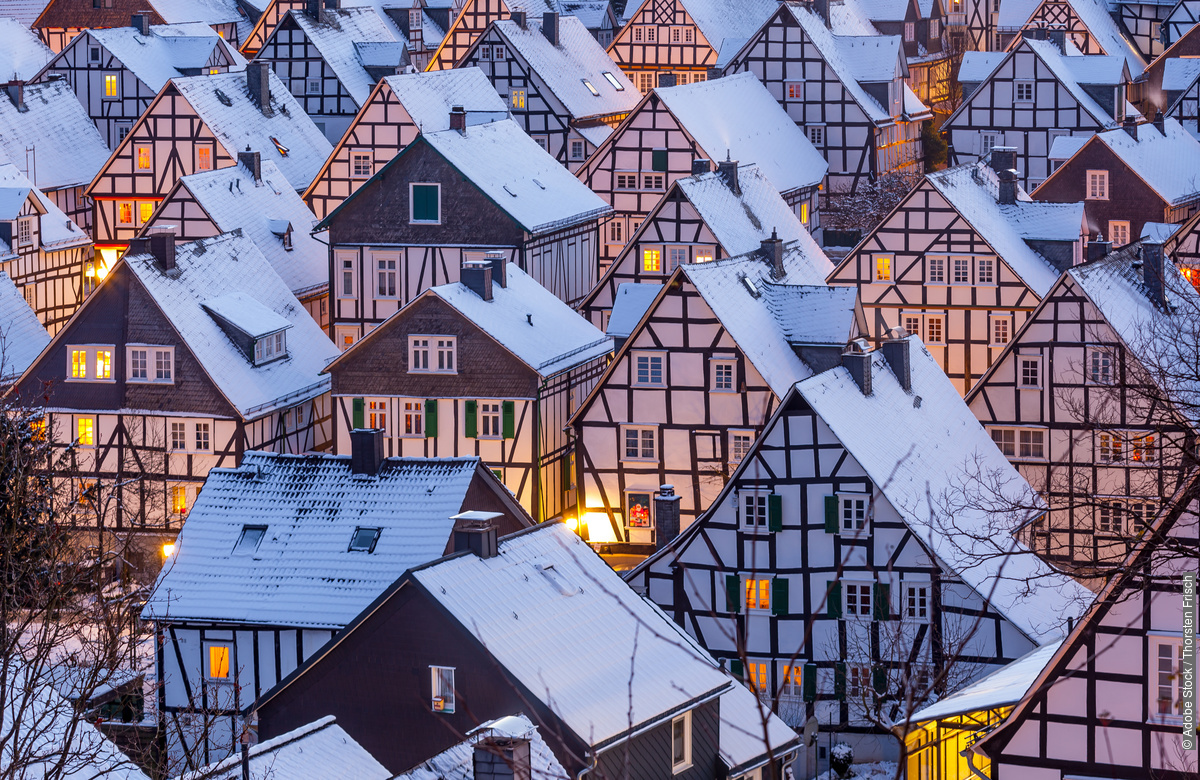
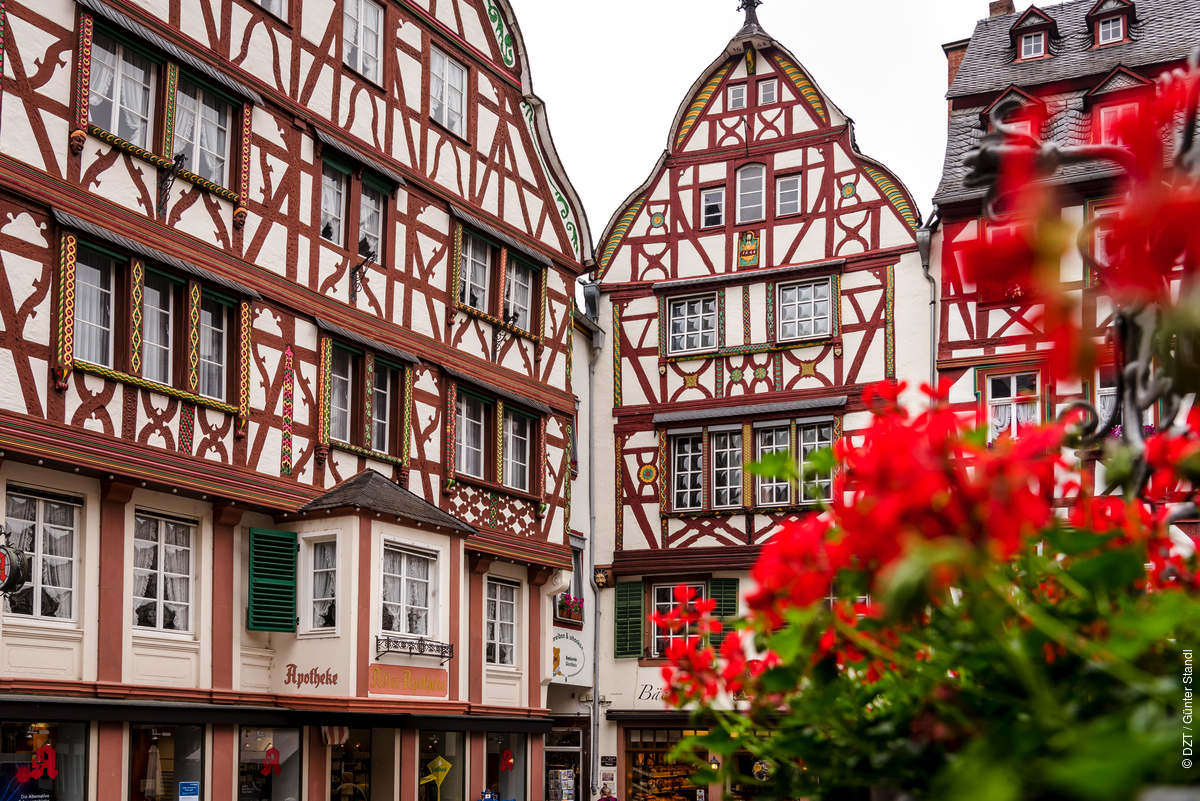
The German theme path that we have experienced part of pedagogically is Korsvirkesvägenor "Deutsche Fachwerkstrasse" as it is called in German.
Lumber road starts in Stade
The road is around 300 kilometres long and runs from Blackede in northern Germany to Lake Constance in the south of the country. The map below shows the northern and central parts of the road.

Nature, history and food culture
If you follow the entire route, you will travel through the federal states of Lower Saxony, Saxony-Anhalt, Saxony, Hesse, Rhineland-Palatinate, Thuringia, Bavaria and Baden-Württemberg. You'll pass through over a hundred towns and cities, and along the way you'll experience everything from stunning landscapes and nature parks to historical sites and food culture.
Some of the highlights on the northern and central part of the route include the towns of Nienburg, Celle, Bad Essen, Königslutter, Quedlinburg and Einbeck. A slightly special attraction that can be mentioned is the German Ivory Museum in Erbach.
Top tips from the German Tourist Board
- Join us on a guided tour of the half-timbered houses in Einbeck!
- Do not stop in northern Germany but continue along the Korsvirkesvägen towards Lake Constance - here the journey is the goal!
More German inspiration
Would you like to find more inspiration and tips for your trip to Germany? Here you will find lots of updated reports:
- Holiday routes in northern Germany
- The Roman Empire in Germany
- Tour of Northern Germany
- Surprising places in Germany
You might also like:
 Polish beautiful coastal road - FREEDOMtravel themed roads
 Calanche di Piana - dramatic mountain roads in western Corsica
 The Atlantic Road in Norway – and smoked salmon in Bud
 By motorhome along the south coast of Norway – coastal roads, fishing villages and white wooden towns
 Things to do in Bayreuth, Bavaria - our top 11 tips


 English (UK)
 Svenska
Bibbi Ekstrand says:
Thanks for the great information as usual on your site! Great!
16 March 2022 - 13:59
Helena says:
How nice that what we write is appreciated! Thank you for taking the time to write and tell us!
18 March 2022 - 21:43
JoY says:
Thank you for that information of different paths, nice ones.
16 March 2022 - 18:49
Helena says:
Glad it was appreciated!
18 March 2022 - 21:43
BP says:
Having lived in Munich for 6 years, I recognise all the sights along the Alpine Road. However, I can't remember it being called that in the 1970s. Guess it was "invented" later.
Fantastic pictures also from the half-timbered houses. How incredibly beautiful these houses are.
16 March 2022 - 19:30
Helena says:
Glad you recognise the places! We also like the half-timbered houses, so nice!
18 March 2022 - 21:44
Lena - gott för själen says:
Oh how nice it seems to be to follow those themed roads. We have talked about roadtripping south, maybe next year. Perfect to get some inspiration here, even though Andreas knows quite a lot about Germany.
Hug Lena
27 July 2022 - 21:00
Niklas says:
300 kilometres sounds long. Are you sure it's not 300 kilometres?
21 August 2022 - 11:48
Helena says:
Hi NIklas! The Route of the Crossroads is incredibly long indeed! Over 3000 km according to their own website: https://www.deutsche-fachwerkstrasse.de/en/Homepage.html
21 August 2022 - 12:33