


Text and photo: Mauro Rongione
Beer that tastes of mussels and seaweed. Or more traditional recipes using meltwater and a pinch of local spice. There's so much to discover on the world's largest island. Join us on our Greenlandic beer and whisky tour.
 Tweet
 Share
 Share
 Pin
 Share
 Share
Table of contents
The world's largest and most sparsely populated island
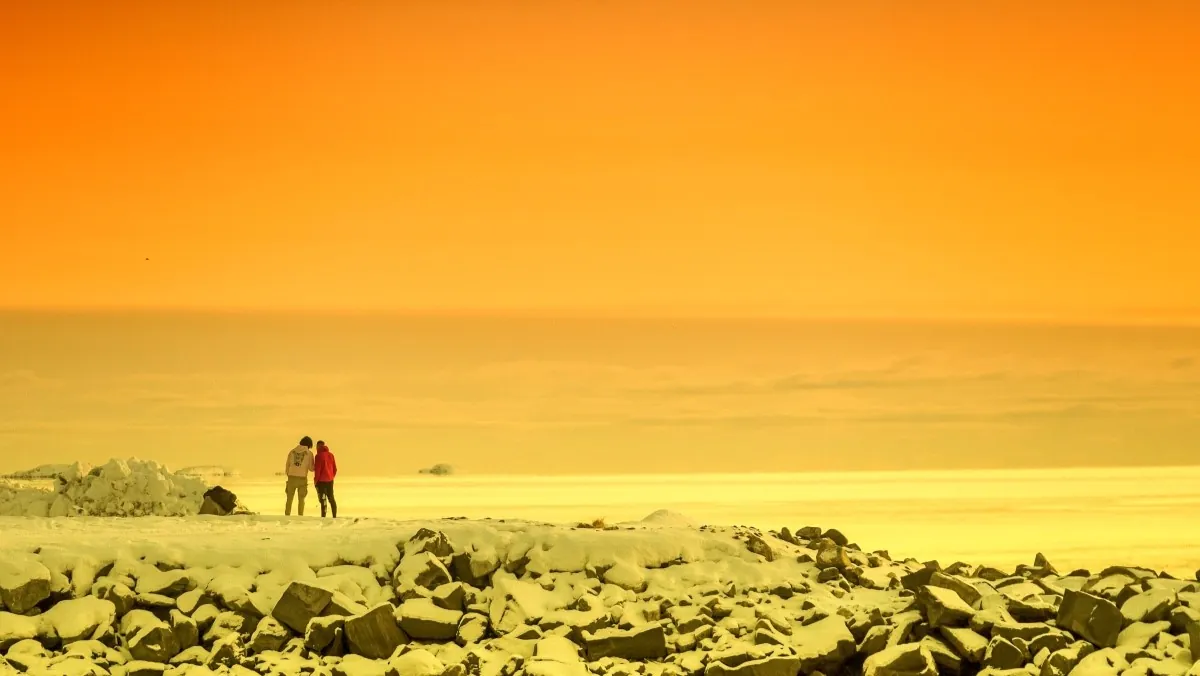
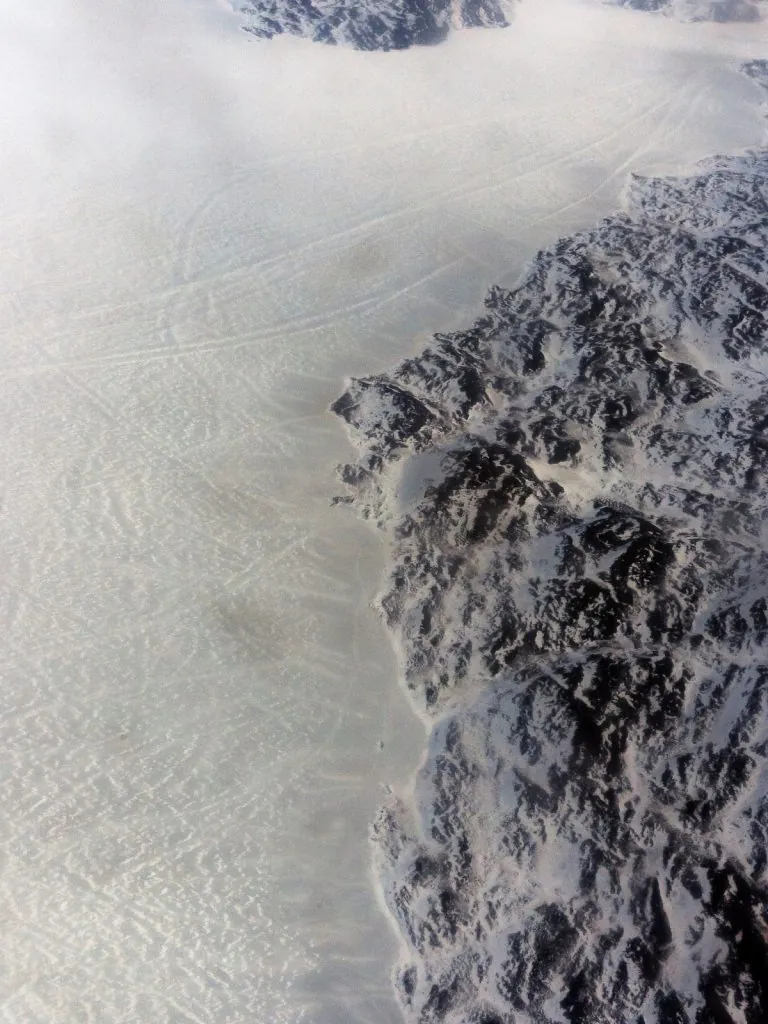
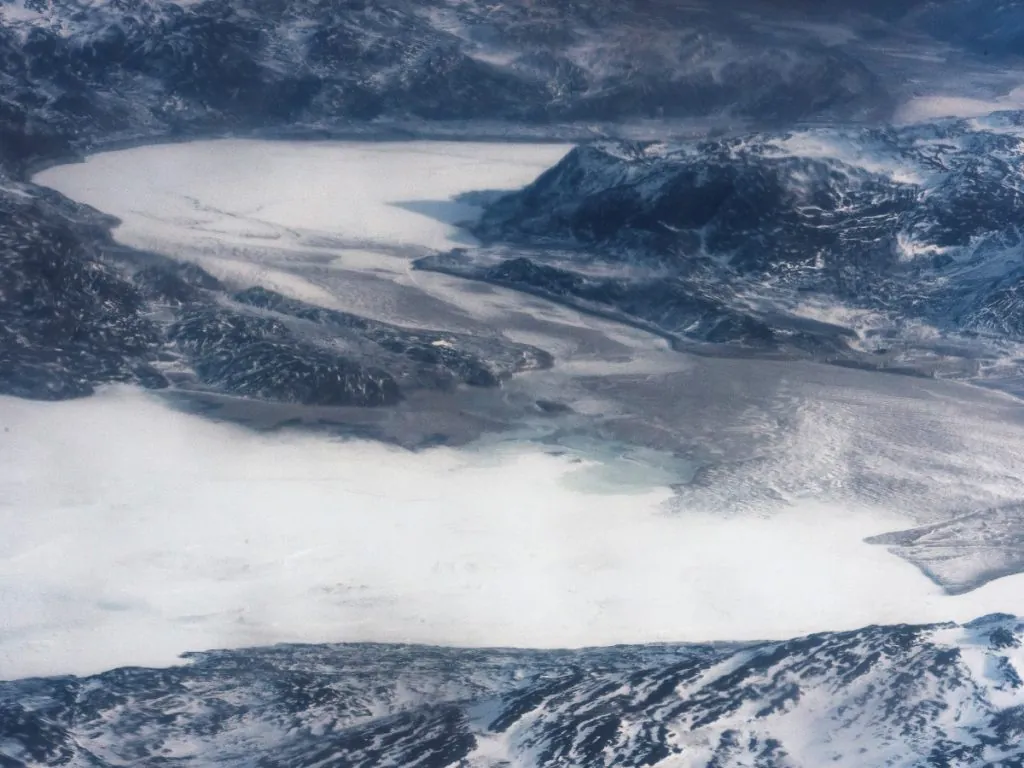
Our eyes wander over shimmering white plains and icebergs. Our imagination travels on snow and ice crystals. Wasn't there a fairytale creature glimpsed out there among the flakes? A little further in, the multi-million year old ice sheet still covers most of the country. A team of dog sledges can be seen in the distance. We are on the world's largest and most sparsely populated island. From north to south, it's about the same distance as from the north of Sweden down to the heel of Italy - 2,650 kilometres.
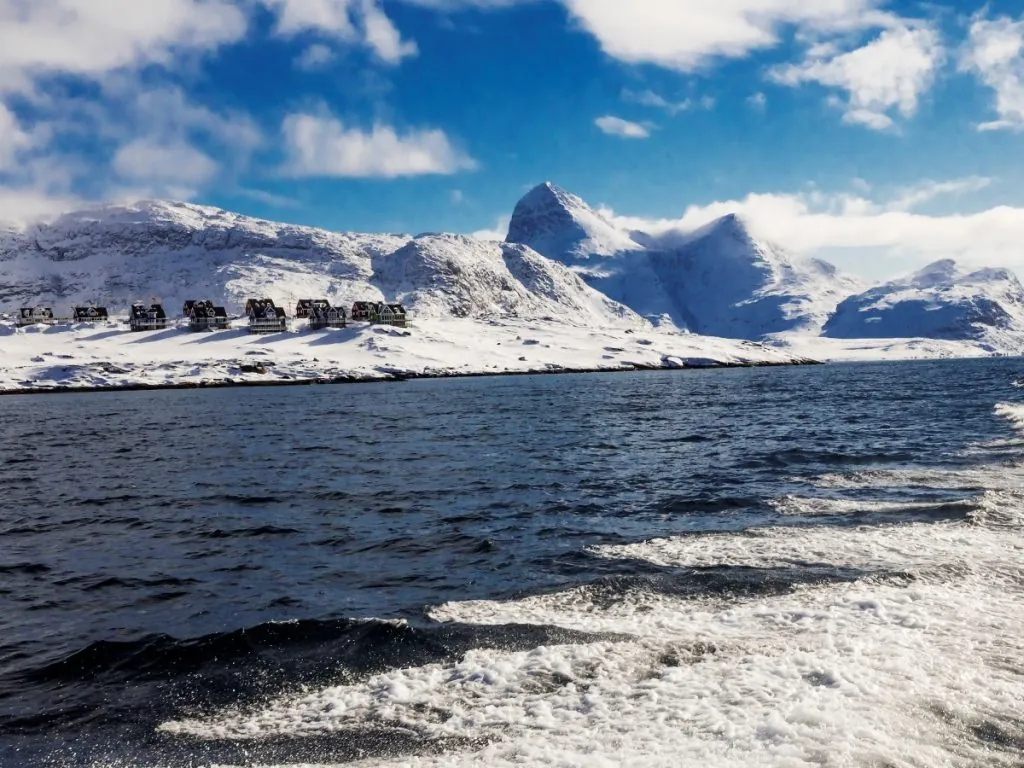
We take a bus on one of the few roads on the island, from the nearest airport it takes about 20 minutes to the capital of Greenland, Nuuk. Almost 20,000 of the island's 56,000-plus inhabitants live here. We are going to Godthaab Bryghus. Nuuk used to be called Godthåb, which means good hope in Danish. Nuuk in Greenlandic can be translated as nose.
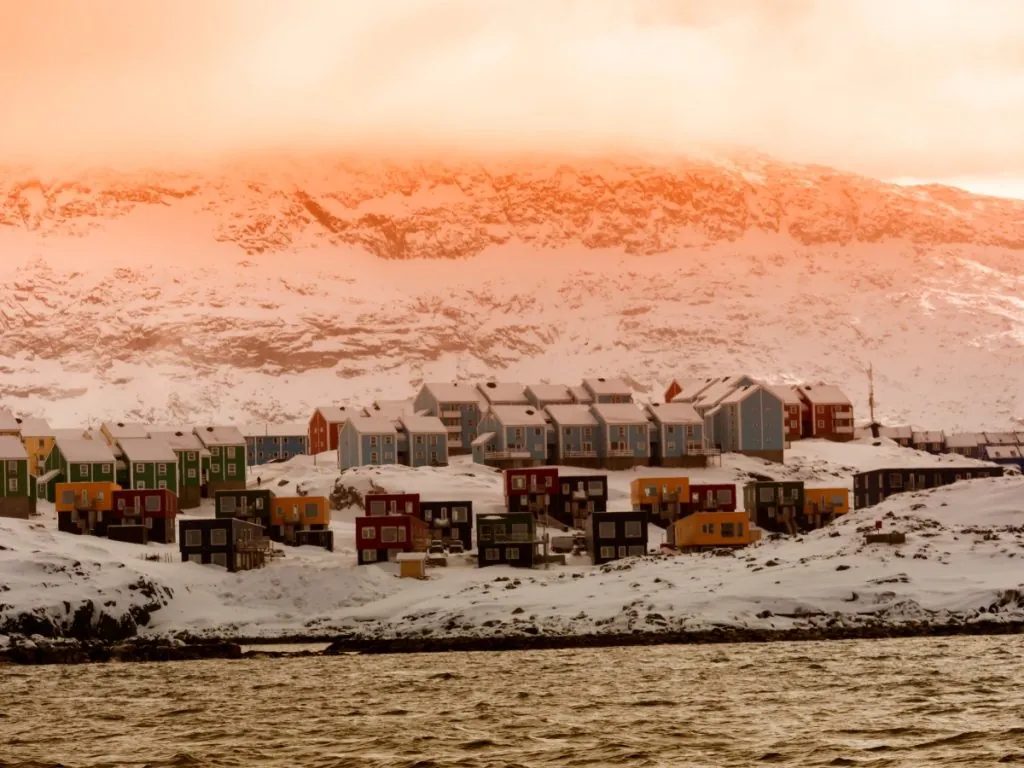
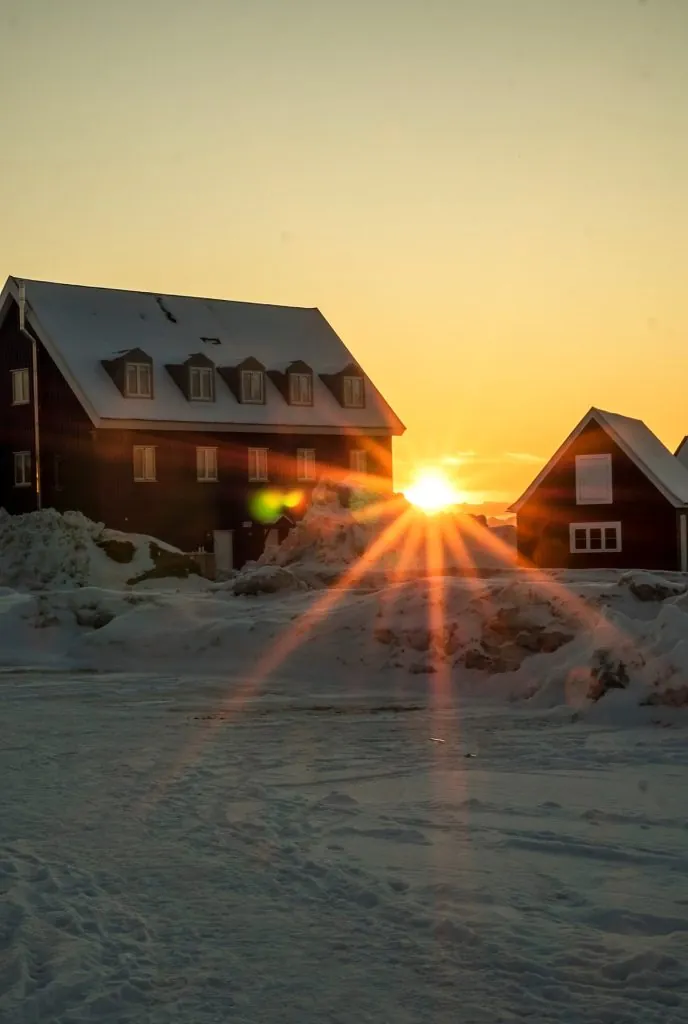
Godthaab Brewery in Nuuk
- Here, we brew with meltwater that contains a minimum of things like lime and minerals," says the brewmaster at Godthaab Bryghus, Luca Dal Porto, a young, nature-loving Italian who fell in love with a Greenlandic woman on the island and now lives here permanently.
The neutral water provides a good base for all kinds of beer. And whatever the water lacks, it can be added in exactly the right amount.
- "I mainly work with my own beer recipes," says the innovative brewmaster, who at the same time honours old traditional beer and has trained in the profession in Germany.
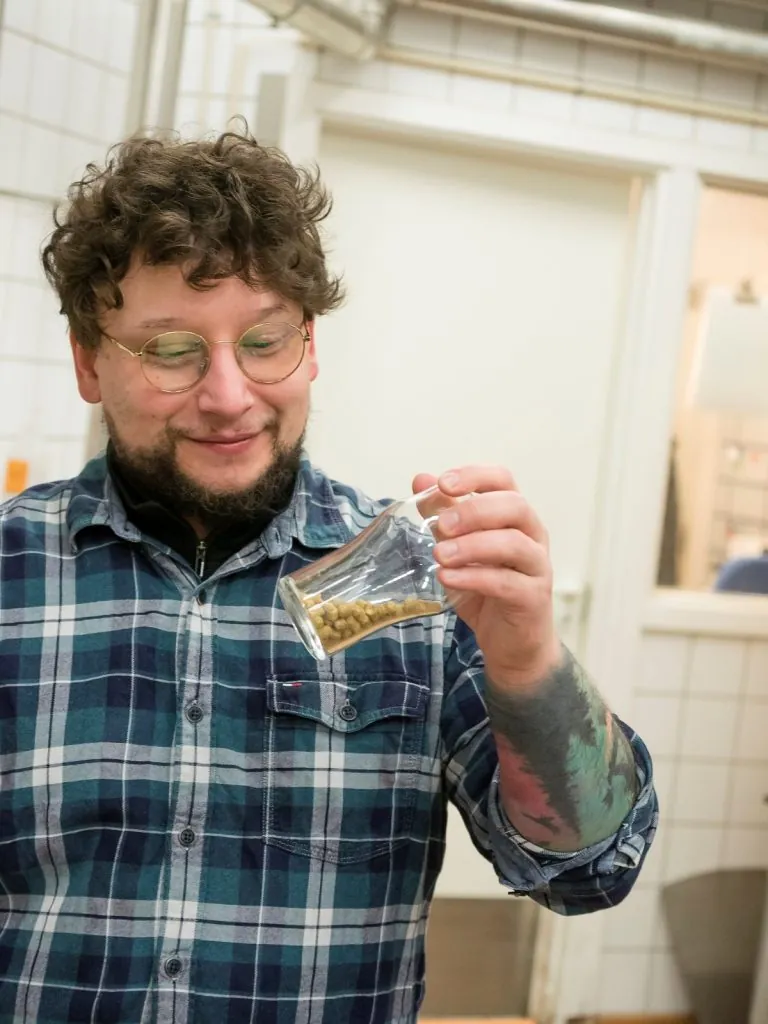
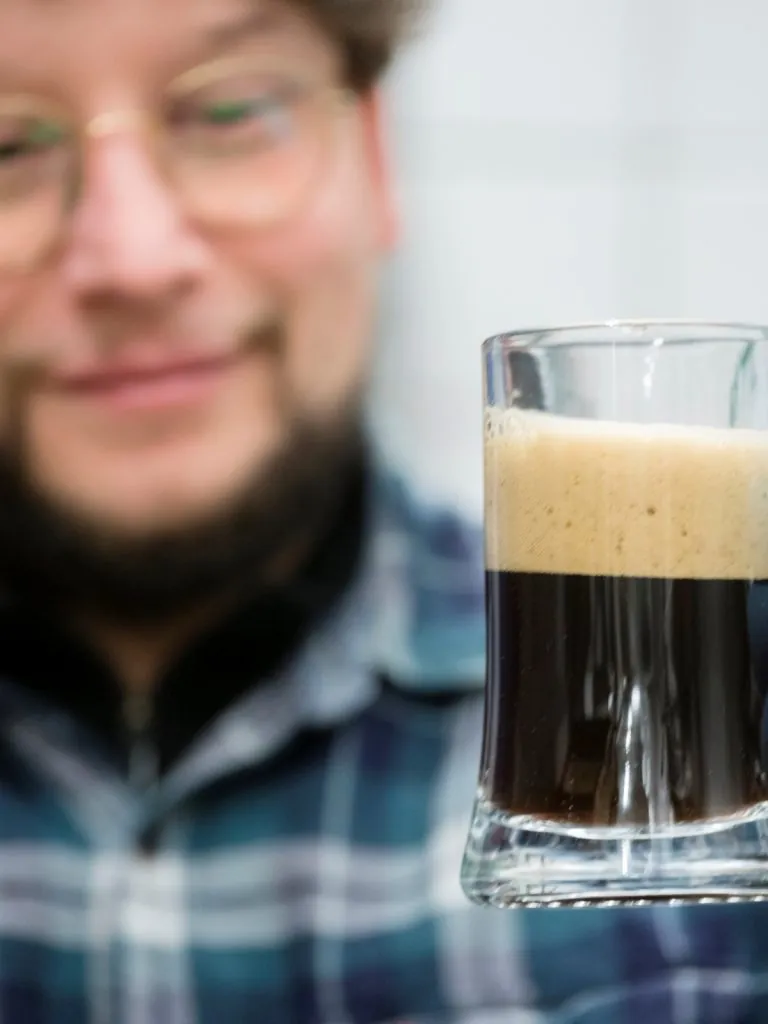
This year, Luca Dal Porto expects to produce a total of 24 recipes, ranging from light and easy to rich and dark. Godthaab Bryghus sells most of its beer from kegs in its own restaurant, Greenlandic bars and hotels. Bottles for export from here are expensive, so the focus is on the domestic market. The brewery produces around 130 000 litres a year and provides jobs for around 90 people. This makes it the largest brewery on the island.
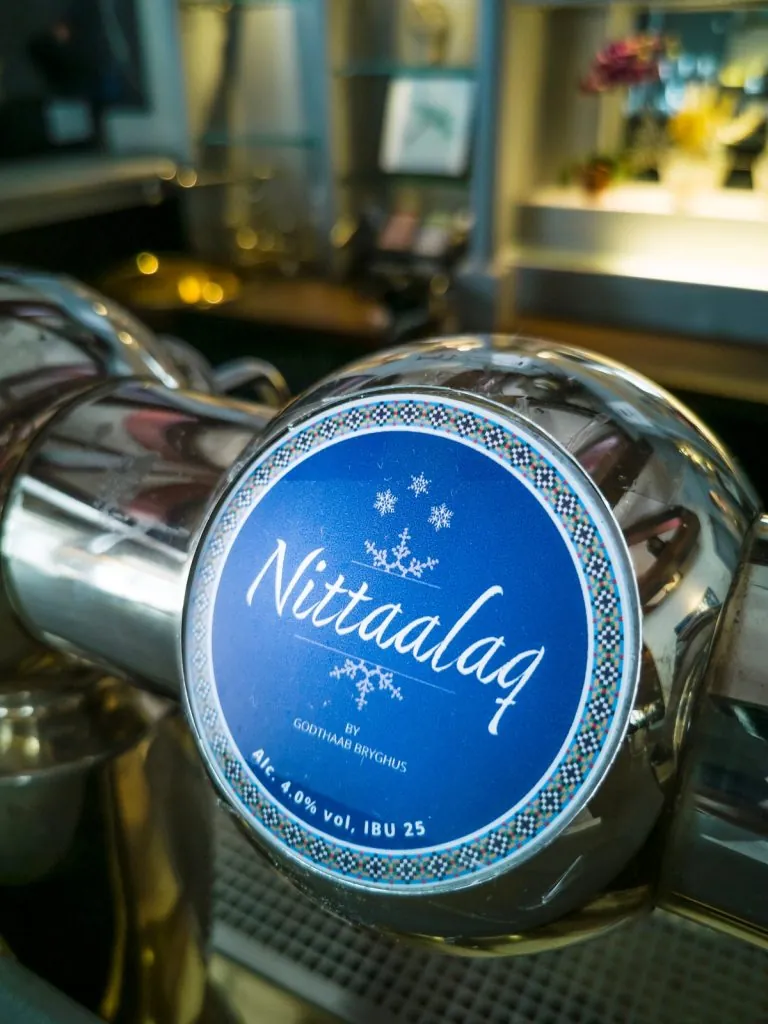
Nittaalaq means a single and perfectly shaped snowflake. The indigenous people of Greenland, the Inuit, like our Sami, have a lot of different words for snow. Nittaalaq in Godthaab Bryghus' bottling is a freshly bitter and unfiltered pale ale, with less bitterness and more citrus fruit. That flavour is made prominent by adding dry hops at the beginning rather than at the end of the fermentation process, as is usually the case with so-called dry hopping.
The result is a flavourful beer that goes well with, for example, crispy fried fish. This was also the first beer launched by the brewery when Luca Dal Porto became head brewmaster here almost a year ago.
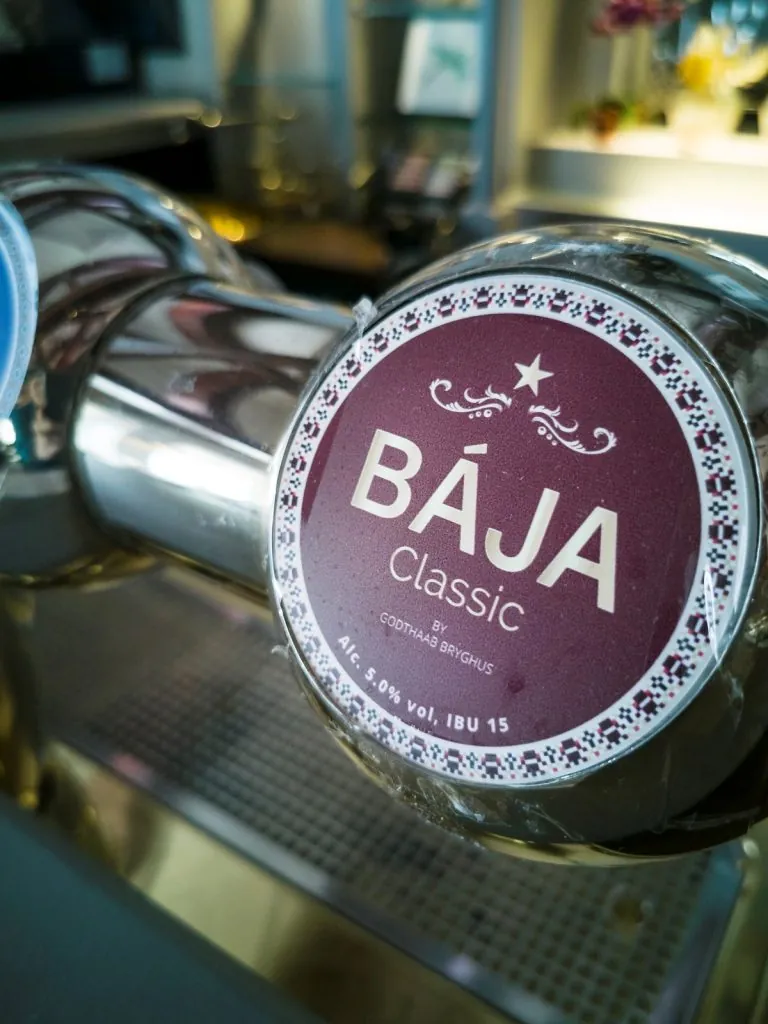
Major powers and climate change
The capital is sometimes called Nuuk York, with a large influx of people and a construction boom. The population of 15,000 has grown to almost 20,000 in just a few years. No, it's not the skyscrapers of New York that are springing up here, but the American influences on Greenland are strong, for example in the form of military bases that have been here since the Second World War. Raw materials such as oil, uranium and iron ore on the island also attract other major powers such as China and Russia. The main source of income for the people of Greenland comes from shrimp fishing.
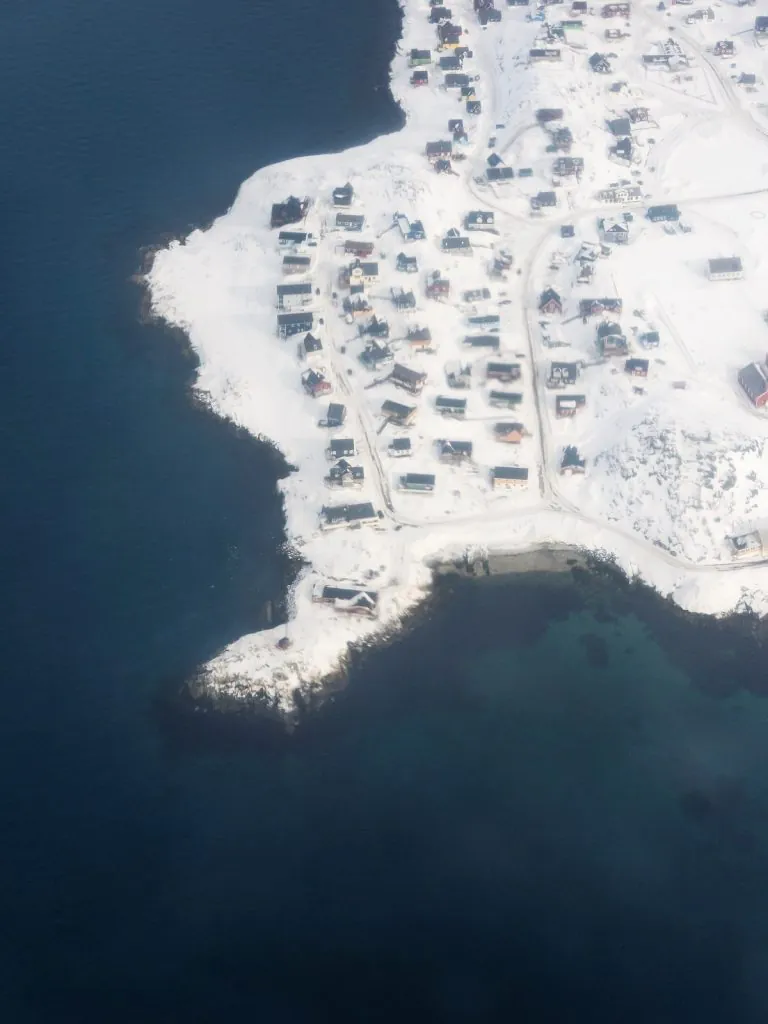
It may sound like gunshots as large icebergs crack and split in the increasing heat, here climate change is clearly visible and audible, the melting process has accelerated. Animals such as polar bears and snowshoe hares may no longer be able to cross the ice to reach feeding grounds.
Scientists have warned about what will happen in the rest of the world as temperatures and sea levels rise in the Arctic. But at the same time, as the ice melts, raw materials from the mines here become more accessible and easier to transport. There are actors who see more of a profit opportunity than a climate threat from rising temperatures.
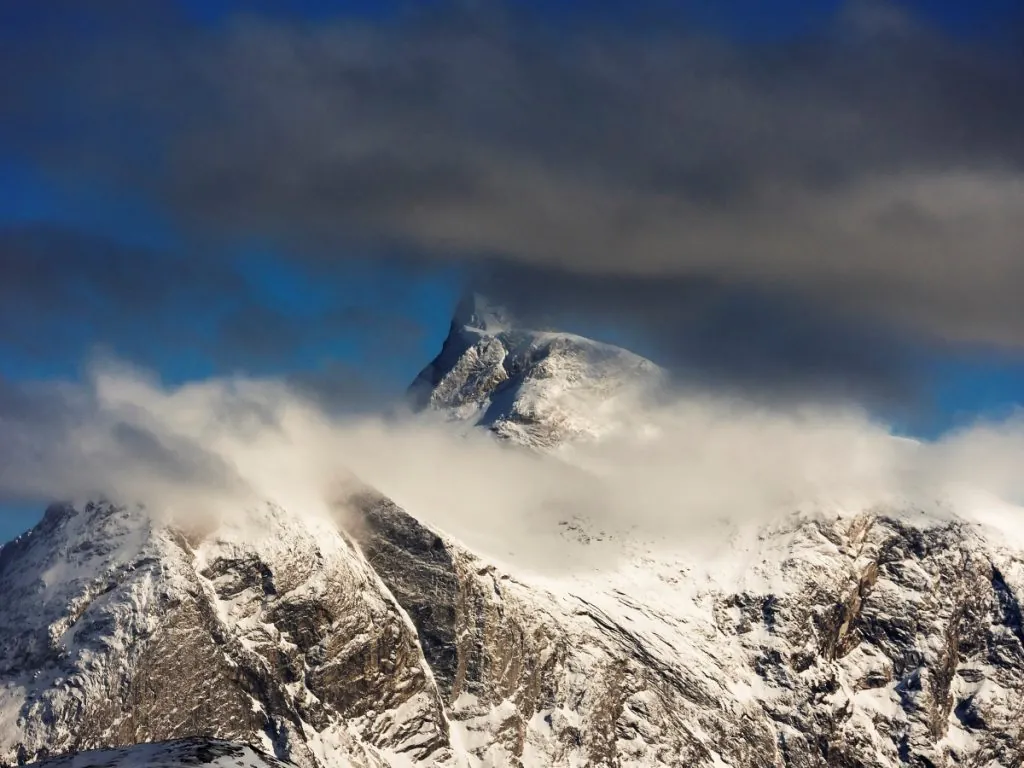
Before we try the next beer, we'll meet Nuuk resident Anders Lee Jørgensen, who runs Uppik Adventure, where he guides tourists through one of the world's largest fjord systems and leads hunting expeditions.
- "The wilderness is so close in Nuuk, I like that," he says. "For example, I can go down and fish from the town quay. But there are not enough hotels and infrastructure for mass tourism. Everything needs to grow organically. Yes, we are keen on sustainability here.
Red and a little sweet
Time for beer tasting now? Definitely. And in keeping with the mix of cultures on the island, with visitors from all corners of the globe since time immemorial. We'll start with an Irish influence that originated in the city of Kilkenny in the 18th century, a Red Ale at 5.5 per cent by volume.
The roasted malt in this red beer normally adds a lot of sweetness, but Godthaab's version is balanced by refreshing hops with pine needle pitch added by whirlpooling. The caramel flavour is still there but not dominant. Italian foodie and brewmaster Luca Dal Porto recommends pairing it with a meat dish or fried food to complement the fresh acidity of the beer.
What is a good beer for you? - It's a beer you want a second glass of," he says.
I learnt that answer on the course and I think it still holds true. The thing about what you like is personal.
What is your favourite of your own beers? - I am most proud of my Imperial Baltic Porter.
Black as night with a creamy creamy white head. An under-fermented lager with great complexity. The last beer we tried, Red Ale, could be categorised as ”light”. The Imperial Baltic Porter, at 7 per cent alcohol, on the other hand, is like a full orchestral piece. With powerful bass notes of chocolate and coffee. There are strings that add liquorice and balanced sweetness. And then there are the orange peels that were added to the brew itself, adding refreshing citrus flavours.
Is it possible to eat something more than chips? The Italian brewmaster suggests both lamb and poultry, but as far as we're concerned, this orchestra is happy to play in solitary majesty.
Greenland ice water
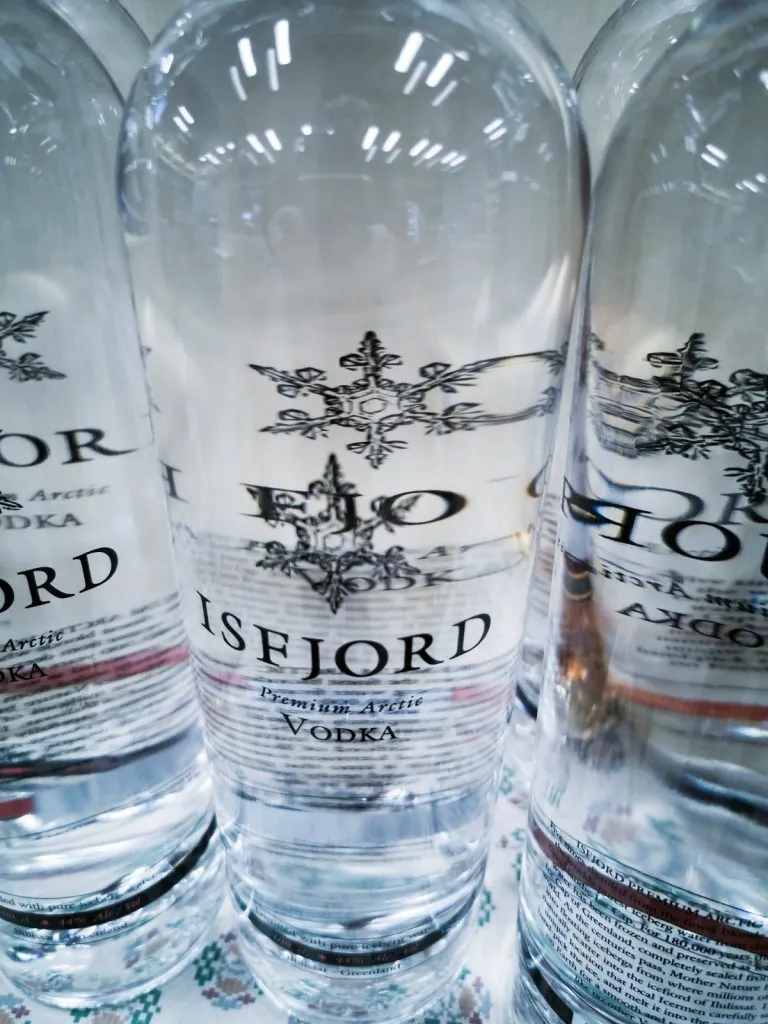
In a market full of skilful competitors, it is important to stand out. If there are also a lot of connoisseurs among consumers, the bar is raised even higher. ”The purest water in the world” - that's what Danish spirits manufacturer Isfjord calls the water from the icebergs near Ilulissat.
The more than 10,000-year-old ice cover there is well above the Arctic Circle and ends up in the sea of Disko Bay in the form of icebergs. For many years, the company has been ”harvesting” ice from these icebergs and melting it down to make its spirits under the Premium Arctic Spirits brand. But today, with an increased focus on climate change around the world, the company sees the need to stop churning the icebergs and instead start producing a similar quality of water using purification technology.
Isfjord whisky - a gold winner
At the major international competition Tokyo Whisky & Spirits Competition 2022, spirits producer Isfjord won gold for its peated single malt whisky and bronze for its second single malt. Five other European producers were honoured on that occasion (the Scottish, Irish, Japanese, Taiwanese and American producers competed in separate classes). Isfjord also produces gin, vodka and other spirits, and has also taken podium places in other international competitions. Their exports go to many parts of the world.
Isfjord's smoky single malt is matured for eight to nine years in American oak barrels and is unfiltered. The softly rounded flavour of vanilla and toffee blends nicely with the elegant smokiness that does not take over.
Their second single malt is made in sherry casks from Oloroso in Spain and, like the previous one, is unfiltered. Here, the casks add flavours of dried fruit, toffee and chocolate, with a pleasantly rounding sweetness.
Faith and ancient traditions
Drumming ceremonies with shamans seeking contact with the spirit world, stories of the animated nature - the ancient mythology of the Inuit is recognised by other indigenous peoples around the world. Respect for animals and plants lives on in Greenland and is often still passed on to younger people.
But some tourists are a little disappointed to see that people here can live as comfortably and modernly as they do. If you want to see igloos as homes, you have to go to north-west Greenland where some people still live like that. And if you want to try living in one yourself, there is, for example, the company Igloo Lodge, which organises transport and accommodation to the relevant areas.
Roadless distances
But what do you need if you want to travel around Greenland on your own? Time and money, because of the vast and roadless distances. Respect for the forces of nature in the wilderness and access to a knowledgeable guide.
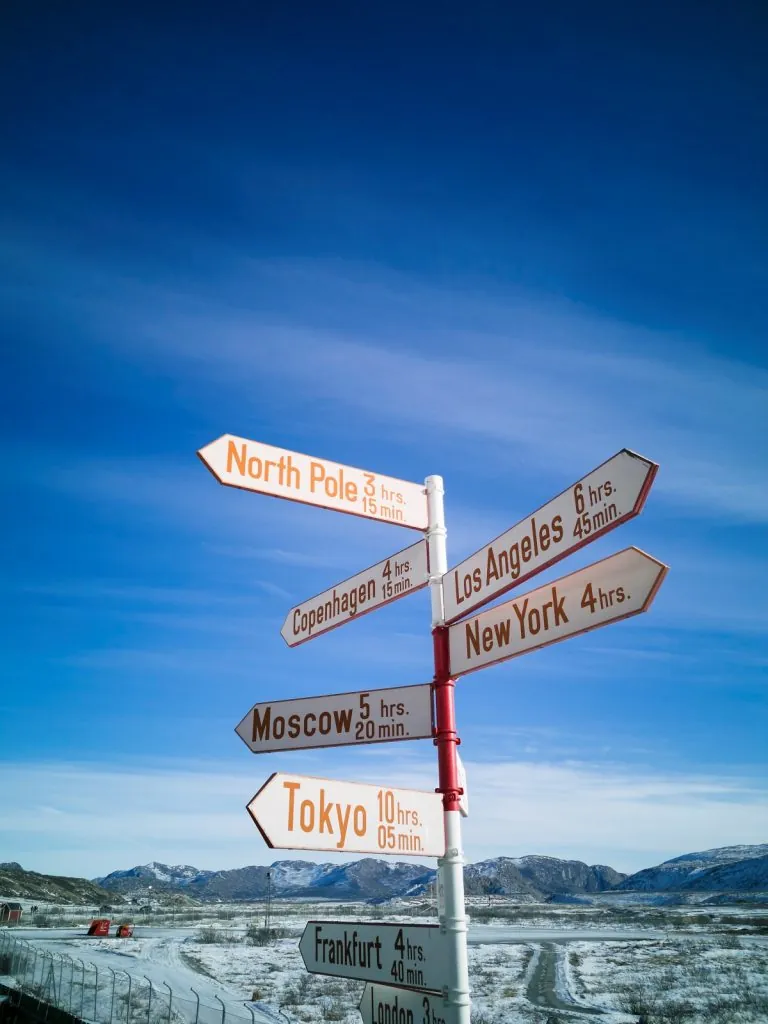
Most Greenlanders have their own boat or snowmobile and some use dog sleds. For tourists who want to travel hundreds of miles in either direction, there are a number of boat and plane tours to check out and try to time. This vast country also has several different time zones.
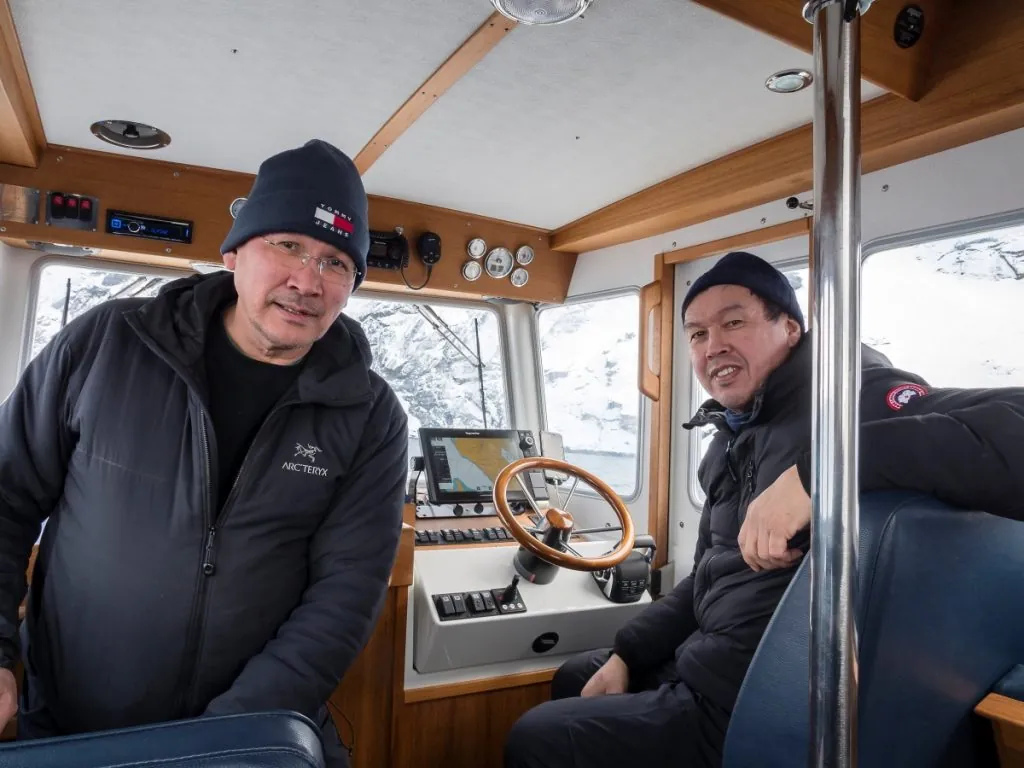
Narsaq - once a trading centre for Vikings
Narsaq is located just over 150 miles south-east of Nuuk and the old harbour town has been a trading centre for Vikings and others. It was once home to Greenland's first brewery, which opened as recently as 2004 and unfortunately later went bankrupt.
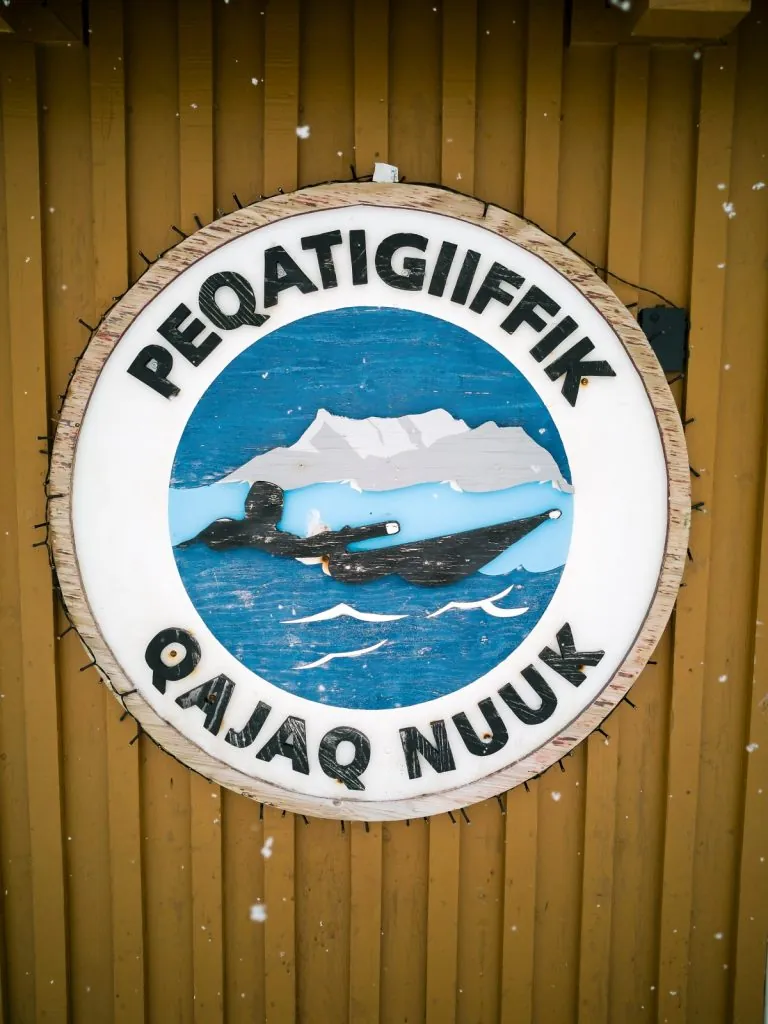
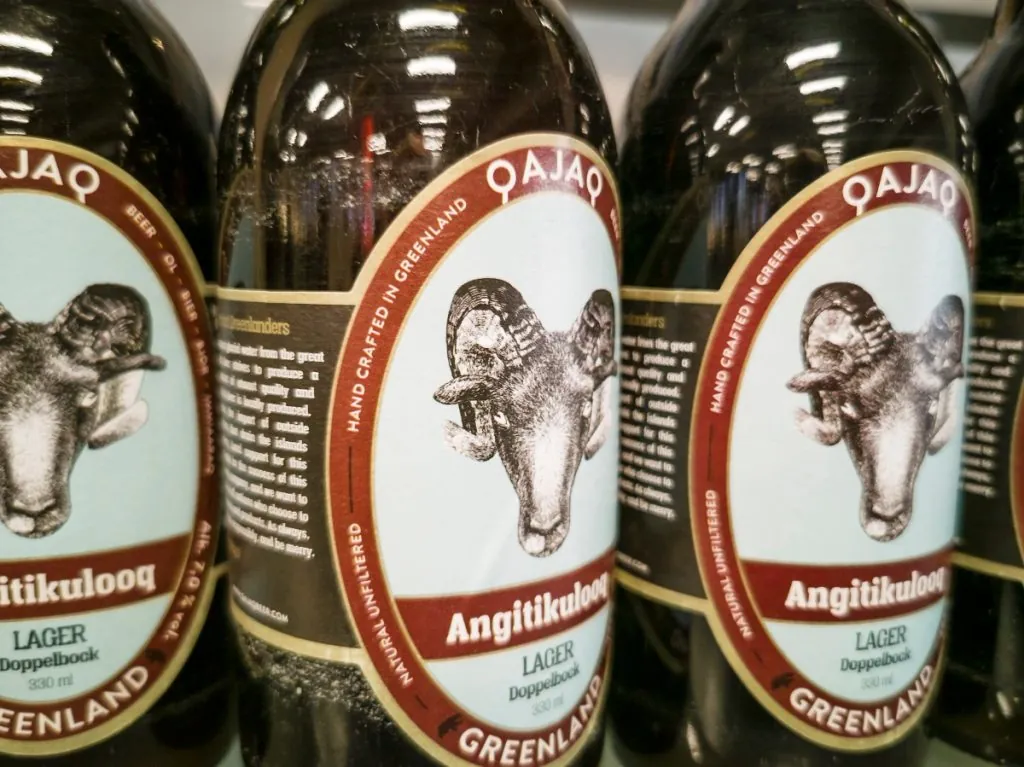
But in 2015, Qajaq Brewery was founded and is now run by the couple who also run a hotel, café and restaurant in Narsaq, parents of four, Kattie Nielsen and Fridrik Magnusson. Yes, some have more time than others. Qajaq has beer made from melted ice water flavoured with wild thyme and other local herbs.
Their Tulugaq is a bottom-fermented stout with a slightly softer appearance and flavours of chocolate, vanilla, coffee and liquorice. Alcohol content: 5 per cent. Maibock, brewed basically like the usual bottom-fermented lager but stronger, is in Qajaq's version freshly flavoured, amber in colour and holds 7 percent alcohol by volume. Caramel, floral and spice notes, a touch of fresh spring grass with balanced bitterness.
Many of the 1,500 or so inhabitants of Narsaq are involved in tourism and sheep farming. From the height of Narsaq you can also see the huge ice sheet.
Hard core beer in Ilulissat
If you want to experience a sea-scented and distinctly different beer in the vicinity of a UNESCO World Heritage Site, then head to the town of Ilulissat with almost 5,000 inhabitants and the Immiaq brewery. Their full-bodied, malty porter Sedna with caramel streaks has a contrasting saltiness with flavours of seaweed, mussels and seawater. Perfect as a drink with mussels, for example.
Their fresh, lively beer Taseq contains Arctic thyme and Ullorissat is made from blackberries. But they also make beers of a more ordinary kind, in case anyone is in the mood for that.
The town of Ilulissat is located on Disko Bay, where the Ilulissatfjord World Heritage Site ends. Here you can see glaciers calving and large icebergs travelling by. The waters of the fjord are rich in nutrients, and there are usually large shoals of fish here that attract other animals such as walrus, polar bear, falcon and grouse.
And don't miss out on dog sledding. There are short tours of a few hours and multi-day sledging trips where you stay overnight in a tent, organised by Albatros Arctic Circle.
The Danish brewery Mikkeller
At the Arctic Hotel in Ilulissat, the Danish brewery Mikkeller is represented by six beer taps and has a history of also being a so-called nomadic brewery. Former maths and physics teacher Mikkel Borg started by experimenting with flavours in his kitchen at home. Today, the company has a network of partnerships around the world and even its own bars.
Together with this hotel, Mikkeller has produced Grønlandsk post Iskold. Does the name refer to the postal service? No, Greenlandic mail or qajaasat, as it is called in Greenlandic, is an aromatic and bushy heather of the rhododendron family with white flowers. It grows mainly in the south-western part of the island, in Sweden it is called broad-leaved skvattram.
So what does this beer taste like? The richly sweet malt and honey flavours are balanced by a refreshing bitter and slightly spicy note. This is a nicely amber-coloured Vienna lager, made with the hot-air roasted and caramel-like Vienna malt (named after the city of Vienna in Austria where it first became Vienna lager).
Green in the way of food
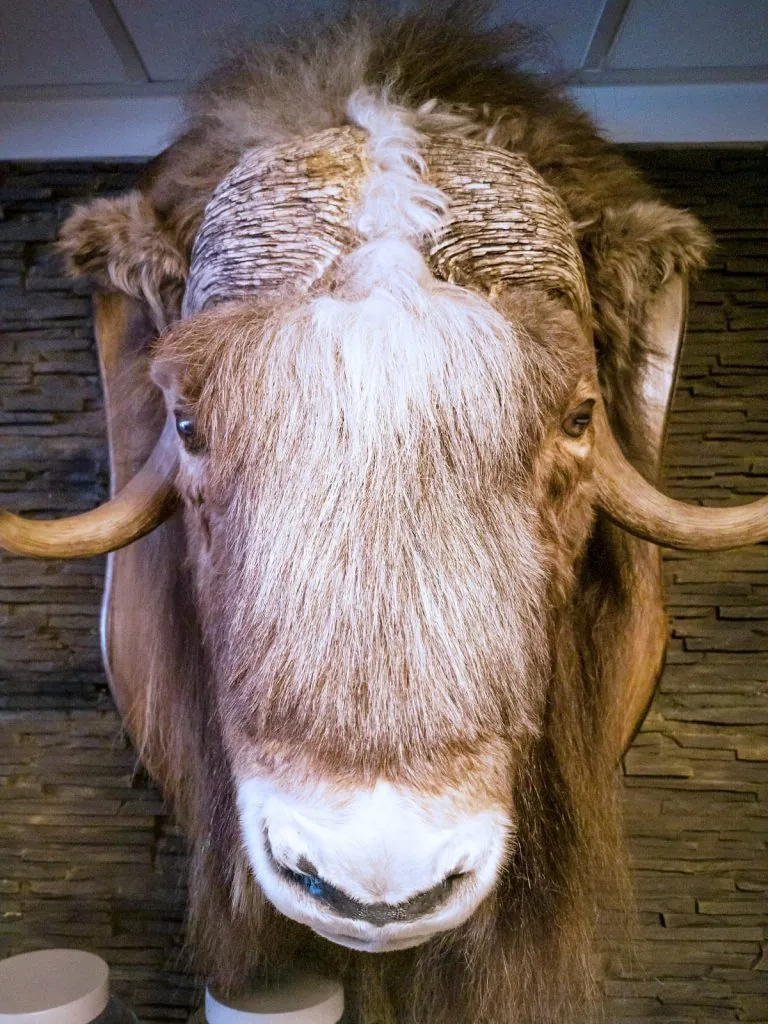
25 kilometres due south of Ilulissat is Kangerlussuaq, also a fjord area. About 500 people live here and the area is rich in wildlife, with musk oxen, reindeer and gyrfalcons. This is also the start of the Arctic Circle Trail, a 16.5-mile hiking trail to Sisimiut, Greenland's second largest town with almost 6,000 inhabitants.
For those who don't want to hike, you can go dog sledding, for example, and the Albatros Arctic Circle is also based here. Kangerlussuaq is also home to a research station, US military bases and a large airport that receives international traffic. This is where you usually land first when you arrive by plane from outside. It's also home to some of the country's rarest roads.
Five kilometres from Kangerlussuaq, Lake Ferguson is home to the Roklubben restaurant, where you can enjoy Greenlandic specialities such as muskox, reindeer and halibut. But how do vegetarians and vegans fare in Greenland? Vegetables are grown here too, both outdoors and in greenhouses. And when it comes to the Roklubben restaurant, you tell them a day in advance that you want to eat vegetarian or vegan and then you can also get gluten-free.
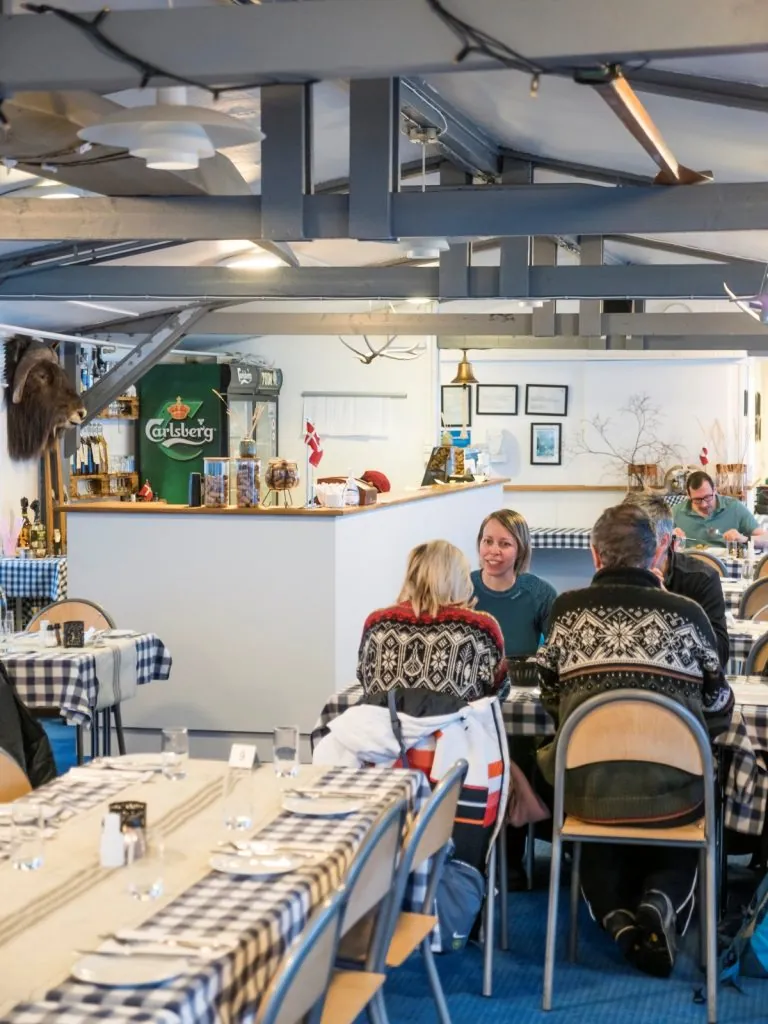
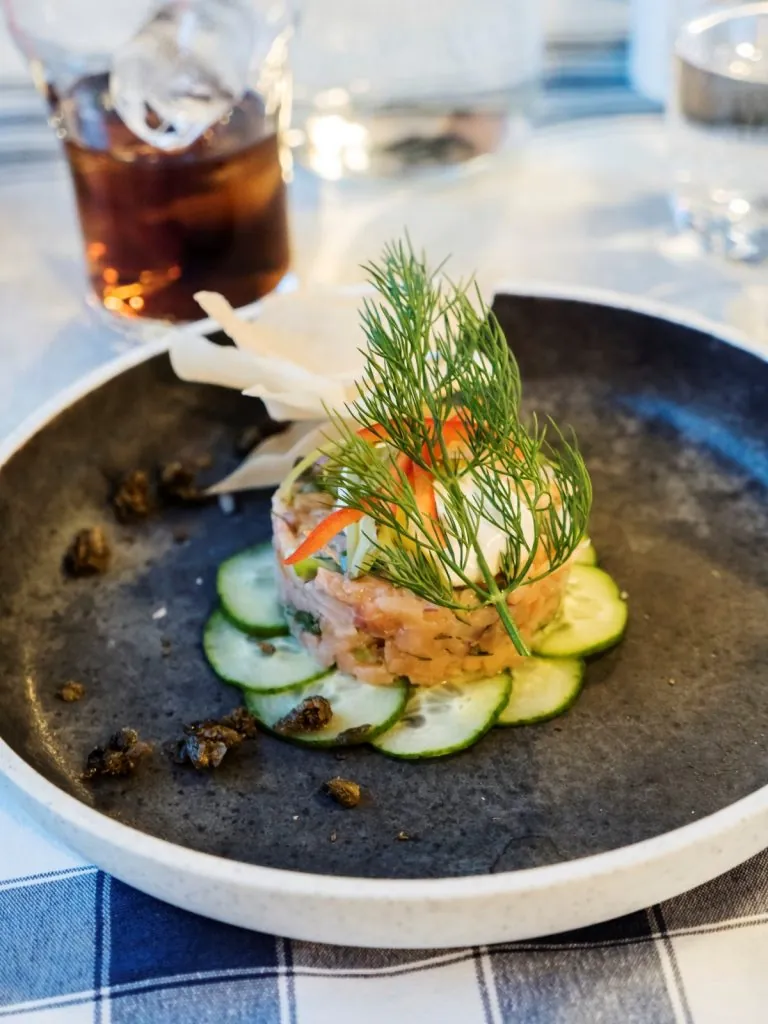
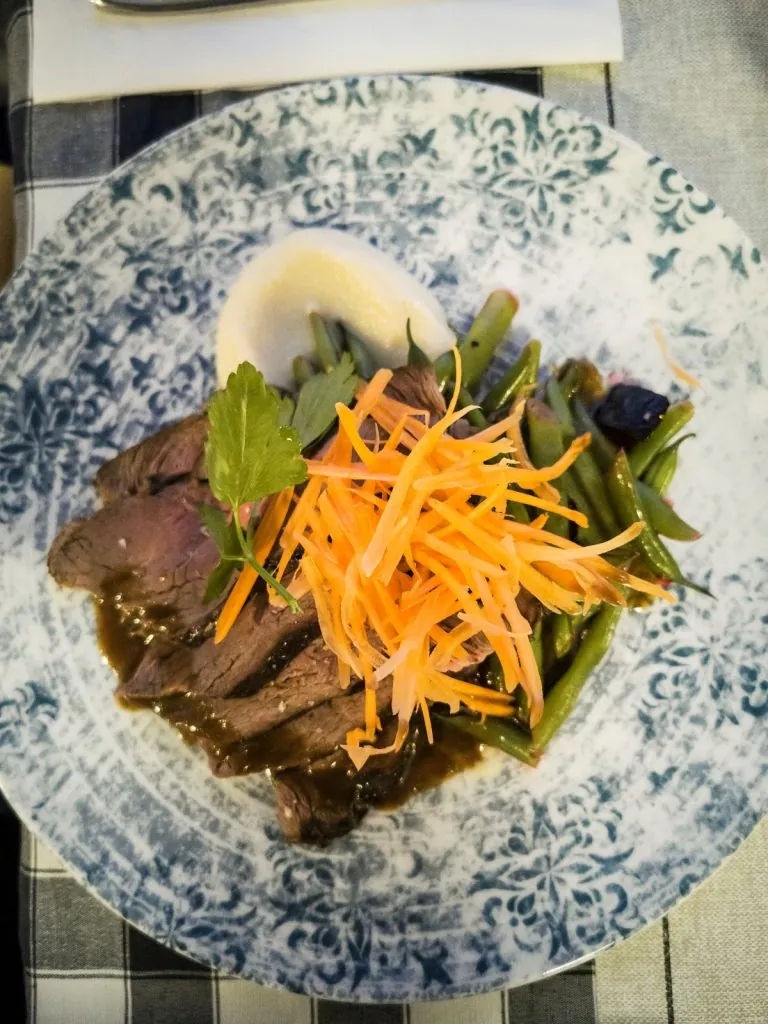
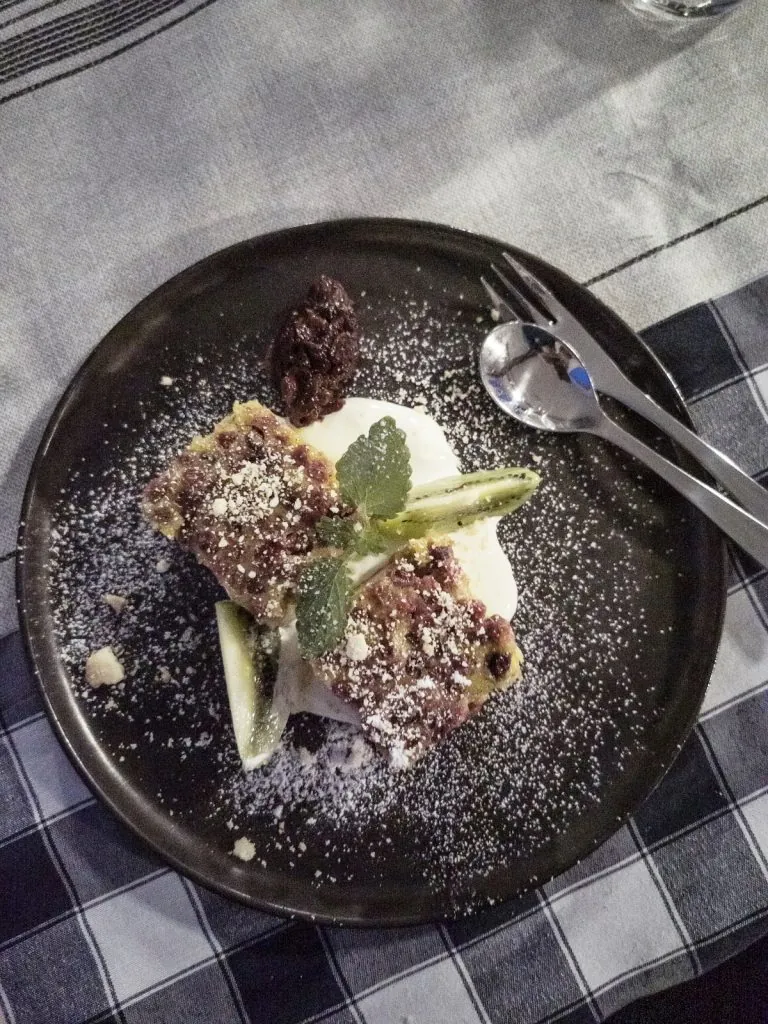
But if you order ”Greenlandic coffee” you get far from a smooth cup, but something like a sumptuous cream bomb for Irish coffee, with several different spirits. Not exactly made for walking on, but watching it being made is like a little spectacle.
An island to cherish and long to return to
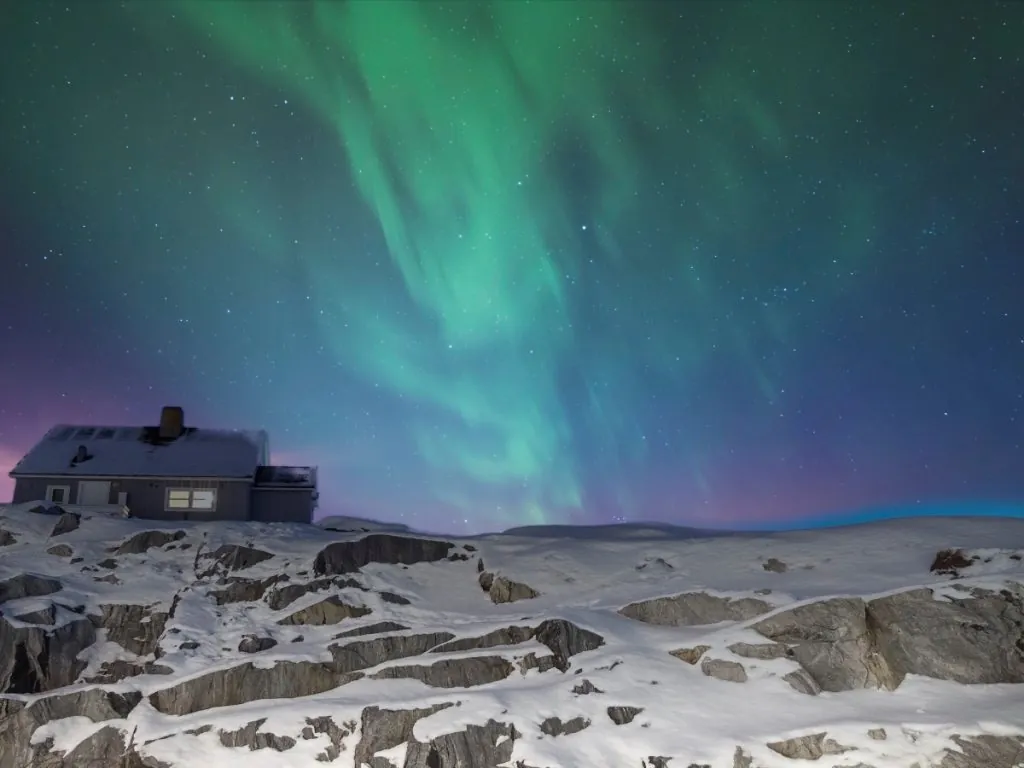
It's time to go home now. Next to Nuuk Airport, waiting travellers can ski on the nearby slopes. The higher up we go, the more we catch a glimpse of Greenland's vast fjord landscape and ice sheet. The white blanket is like a canvas. For dreams. And hopes. The animals, the nature and the genuine people - Greenland has taken root in our hearts. An island to cherish and long to return to.
GREENLAND - travel, accommodation & food
- Air Greenland - Flights from Copenhagen, frequency depending on the season.
- Hotel Nordbo,Vandsøvej 13, Nuuk - 3-star accommodation with cool restaurant near Nuuk Art Museum and city centre.
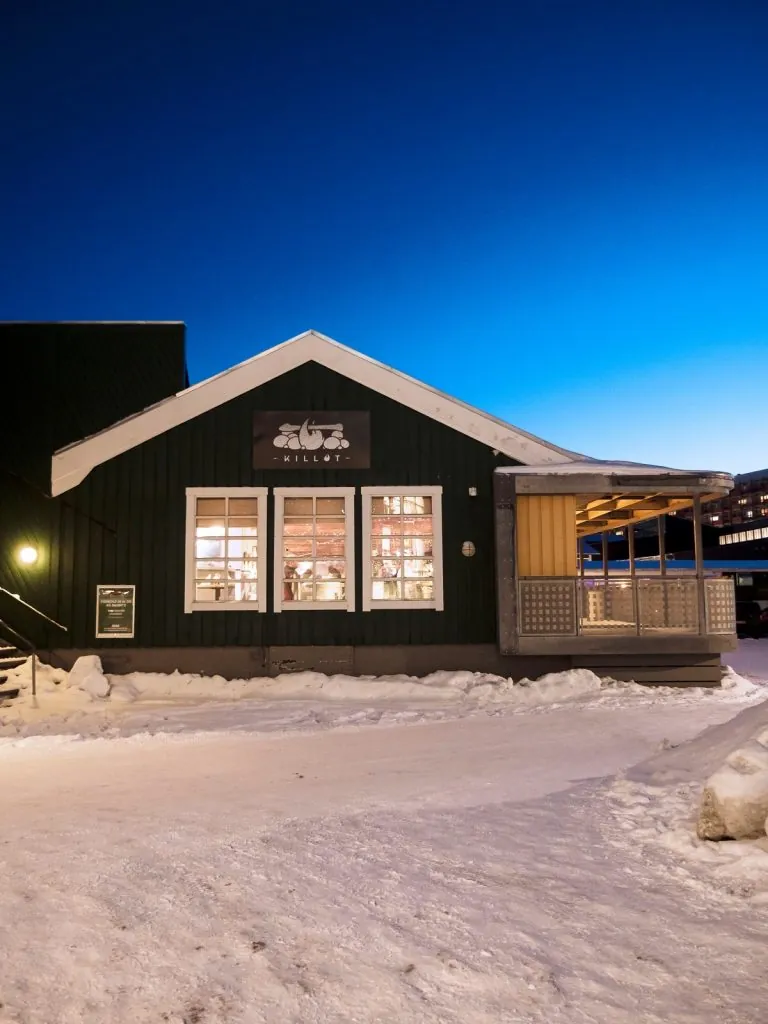
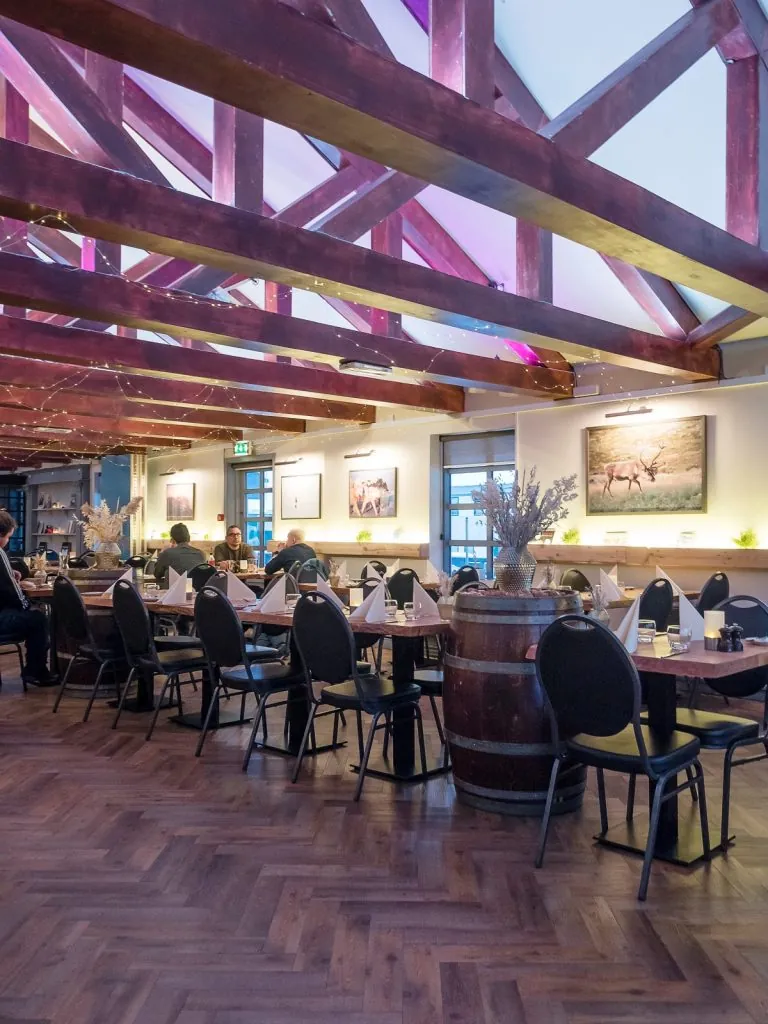
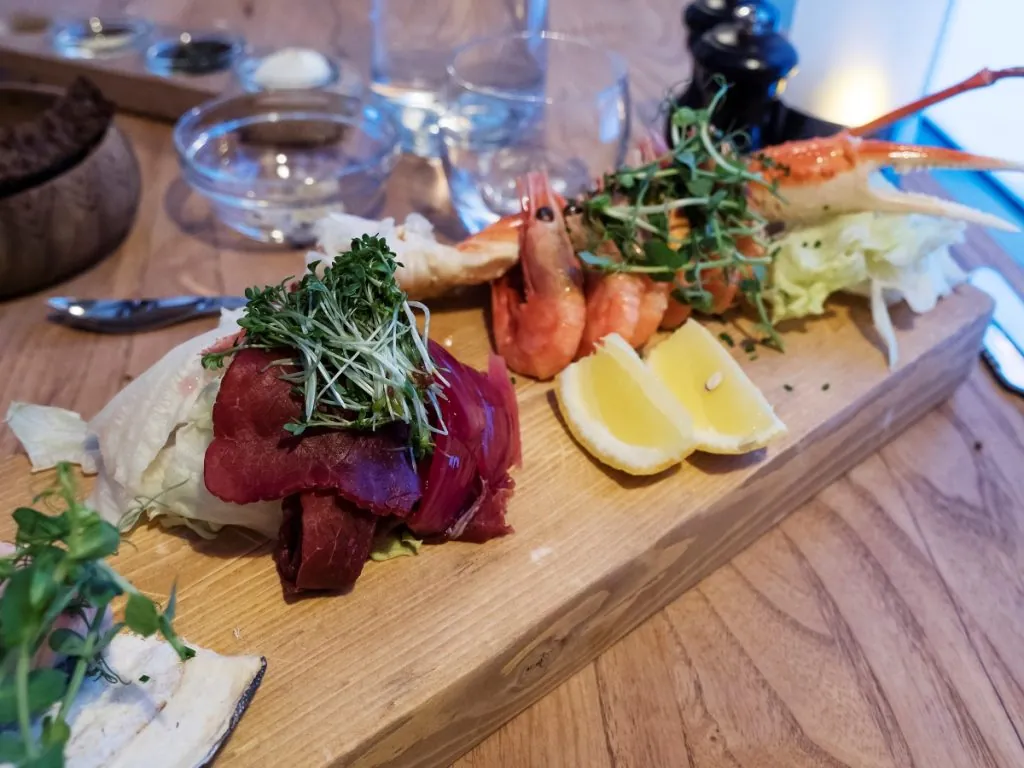
- Killut Café & Restaurant, Imaneq 30, Nuuk - Try their Greenlandic tapas with Arctic delicacies from the sea and beer from the domestic brewery Godthaab Bryghus.
- Caffe Pascucci, Imaneq, Nuuk - An Italian coffee chain that has found its way to the Arctic and Greenland. You can't go wrong with a classic cappuccino among the icebergs.
- Qajaq Seaway, Attartu, Nuuk - Book a boat trip with Qajaq Seaway and Johan Rosbach as a guide, discover Nuukfjoden from the water and spot whales and golden eagles. Johan's colleague, John David, serves freshly caught fish during the boat trip.
- National Museum of Greenland, Nunatta Katersugaasivia / Hans Egedesvej 8, Nuuk - Learn more about the eventful history of Greenland and its people.
- Hotel Kangerlussuaq, Kangerlussuaq - Located at the international airport in Kangerlussuaq and close to Arctic adventures that can be reached by dog sledding or hiking. Here you can see things like the northern lights, polar bears and the ice cap.
- Restaurant Roklubben, Lake Ferguson, Kangerlussuaq - On a lake near the enormous ice sheet, the Roklubben is where you can try Greenlandic home cooking. Let them know at least a day in advance if you want vegetarian and/or gluten-free options.
Follow Mauro here:
Mr Mauro Rongione
You might also like:
 Riding the wine train in Franschhoek, South Africa
 The Faroe Islands – from sleepy fishing villages to gourmet cuisine and hip drinks
 All about beer in Armenia - from flavour trays to peach beer
 Moheli in Comoros - a destination with a difference
 Siby village in Mali - Aunt Anna and the magic masks
 The reverberation of flavors and drinks in the Åland archipelago



 English (UK)
 Svenska
Anette Nilsson says:
An interesting report!
Greenland is attractive, but not the costs unfortunately😅
24 January 2026 - 9:25
Znogge says:
An interesting and exciting destination for sure. Would be an experience to go there.
24 January 2026 - 9:26
Mikael says:
I think it would have been exciting to go to Greenland, nice views and an interesting history.
Have a good time.
24 January 2026 - 12:42
BP says:
An absolutely superb post with well-written and interesting ext and fantastic pictures. Greenland is on everyone's lips nowadays, so the timing of your post is perfect. Hope more people feel like visiting the world's largest island: -)
Thanks for the nice reading:-)
24 January 2026 - 17:06
Lena i Wales och lite överallt says:
How interesting to have a post from Greenland. Thanks for including me!
01 February 2026 - 10:22