

Text and photo: Mauro Rongione
Whiskey matured in salty sea air, beer brewed with soft mountain water and dinners where old traditions meet modern gastronomy. In the Faroe Islands, a new generation of brewers, distillers and chefs is emerging amidst dramatic cliffs and green mountain slopes. Join us on a journey to an island where nature is not just a backdrop, but the very ingredient.
 Tweet
Tweet Share
Share Share
Share Pin
Pin Share
Share Share
ShareTable of contents
Far out in Nordatlandet: 18 inhabited islands
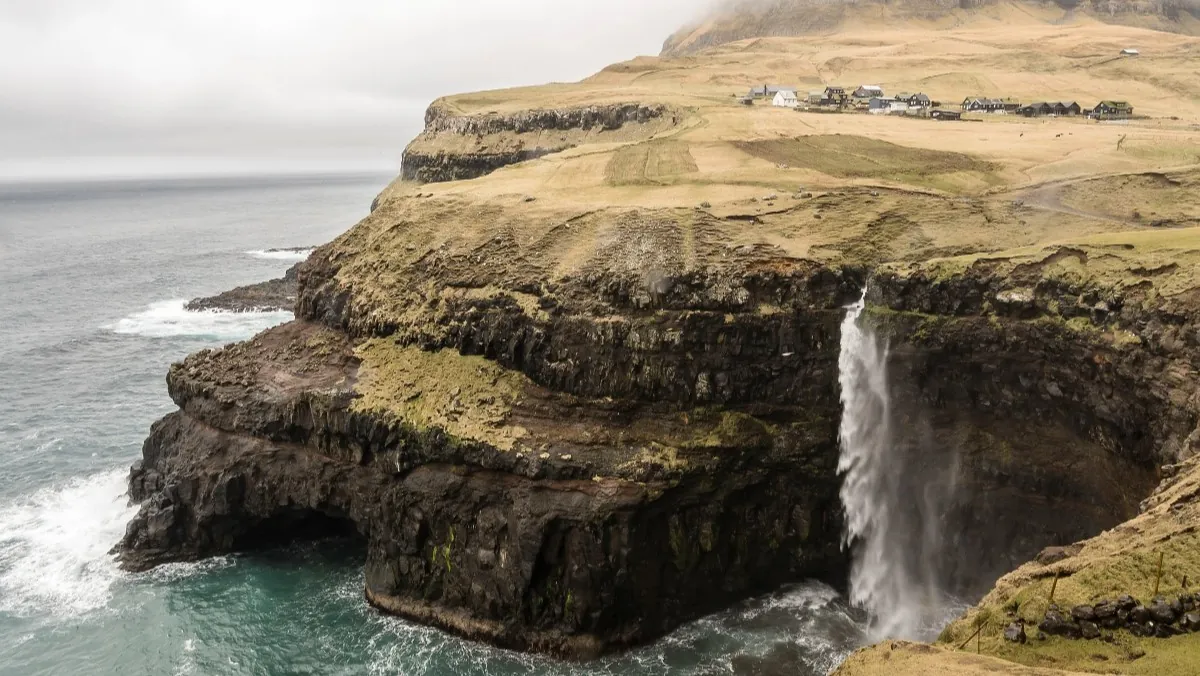
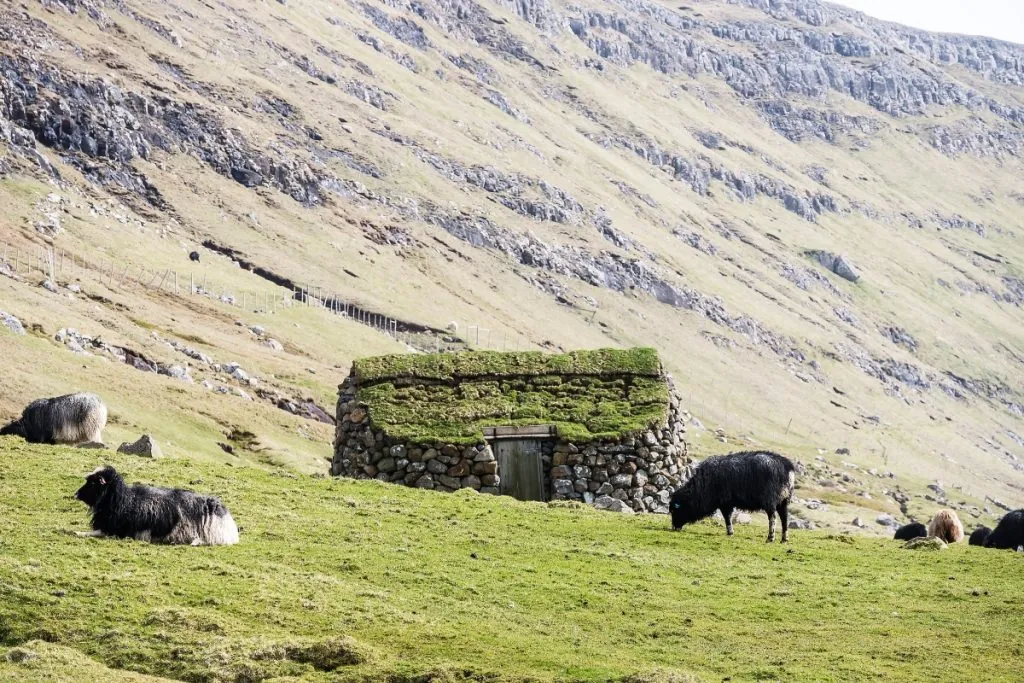
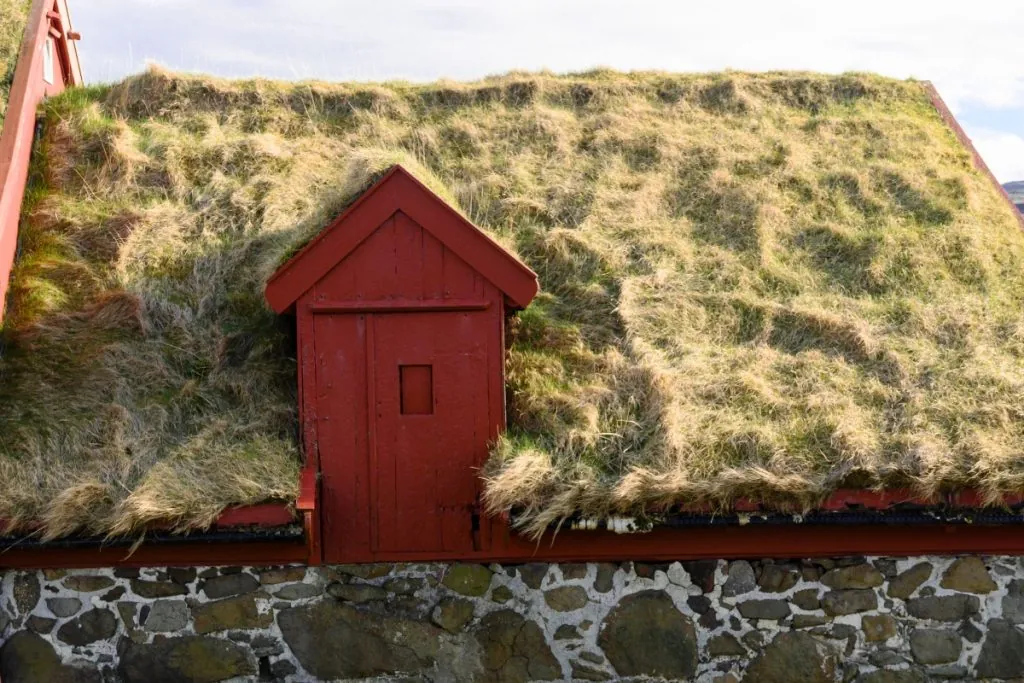
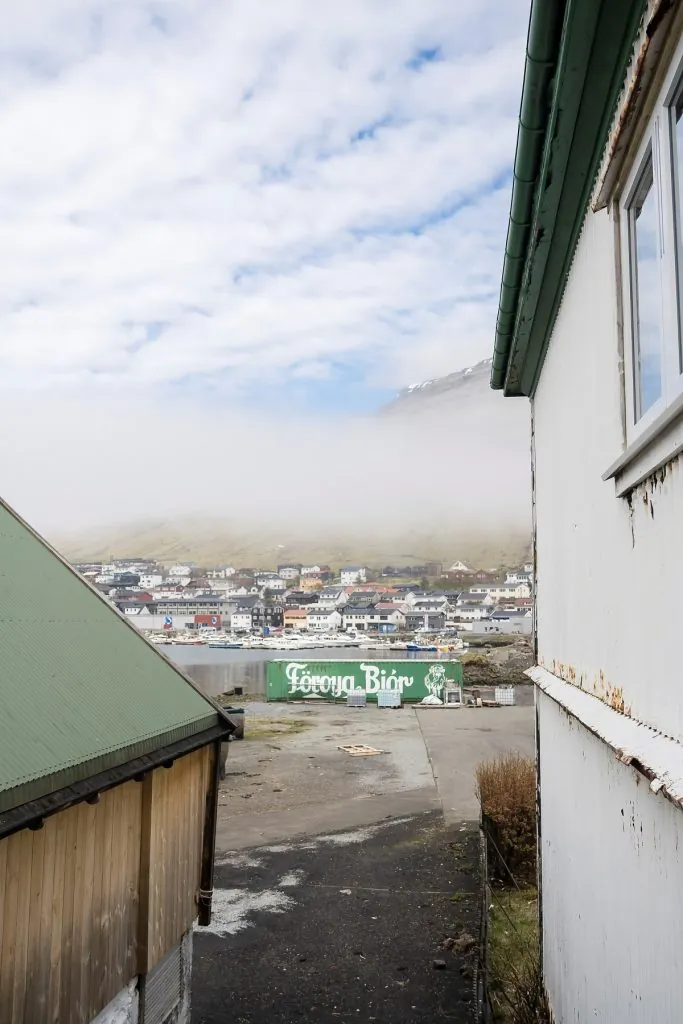
Far out in the North Atlantic, the Faroe Islands lie like a shimmering green chain of islands between Iceland and Scotland. Here, the waves break hard against dark cliffs while the fog rolls in over the mountain ridges in swift sweeps. On the slopes, more sheep move than people and in the small villages, houses with grass roofs stand close to the sea.
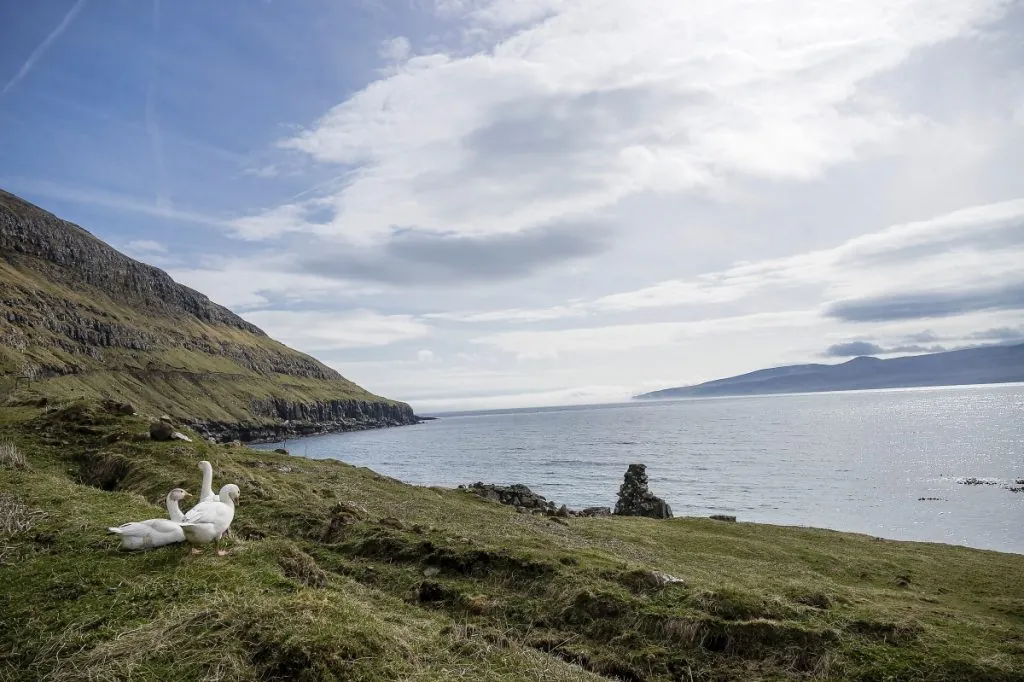
The archipelago consists of 18 inhabited islands with just over 50 000 residents. At the same time, there are around 80,000 sheep and a birdlife that attracts nature lovers from all over the world. The puffins have become something of a symbol of the Faroe Islands.
This is where Irish monks sought refuge as early as the 7th century, attracted by the isolation and tranquility far from the turmoil of Europe. The Irish monk and geographer Dicuil described it as early as 825 in his work ”"They measure "orbis terrae"” the islands as the place ”Where the sheep don’t need to be sheared”.
He was probably referring to something quite practical but also fascinating: the sheep on the islands shed their wool naturally. To a monk from Ireland, this must have seemed both exotic and almost biblically remarkable: a land where nature itself did the work for man.
More than a thousand years later, the same feeling lives on. The pace is slower here. The sea and the weather still control much of life, and despite modern tunnels and bridges, nature always feels close. In recent years, the islands have also emerged as one of the Nordic countries' most unexpected food and drink destinations.
Lobsters and craft beer with their own personality
I Torshavn The development is clearly visible. The capital is small, with around 15,000 inhabitants, but the restaurant scene is hip and vibrant. Here, old red wooden houses coexist with modern Nordic architecture and small alleys lead down to the harbor where several of the city's most popular restaurants are located side by side.
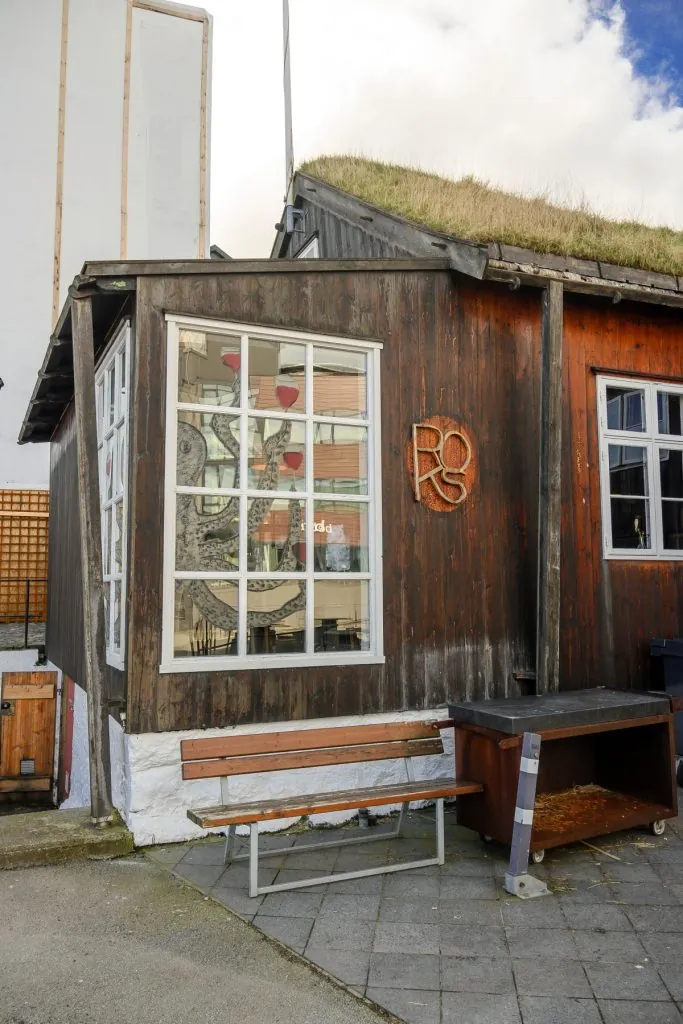
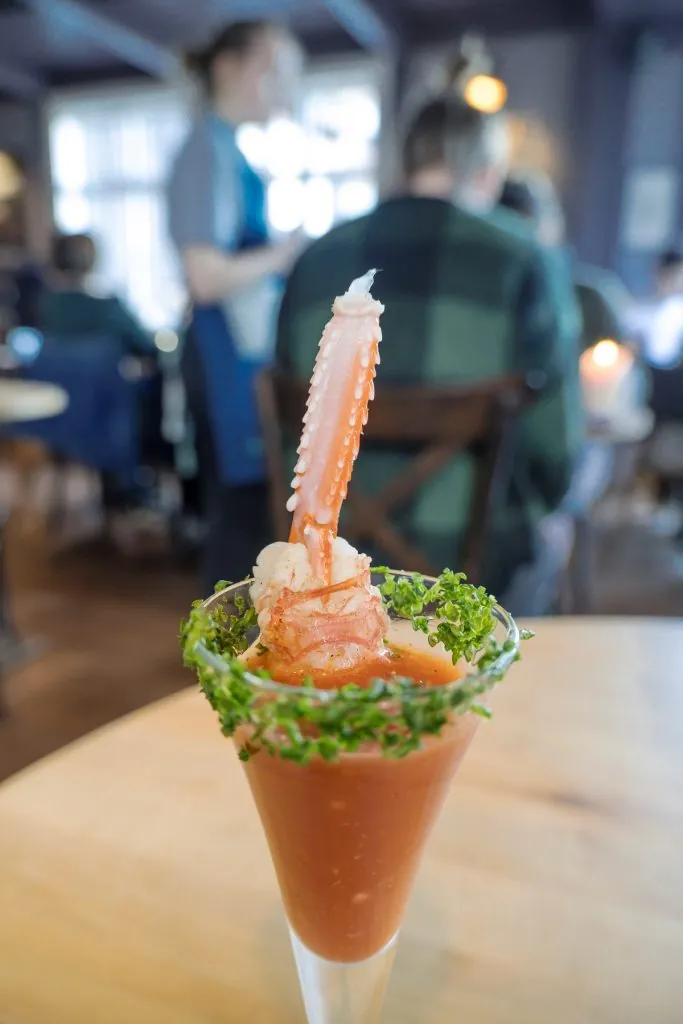
One of the most talked about is ROKS, the more casual sister restaurant to the Michelin-awarded KOKS restaurant. Here, Faroese ingredients are combined with playful flavors and modern influences. The chef Mantas Vaidelis highlights the restaurant's innovative combinations of seafood dishes. Fried crawfish with Bloody Mary sauce is one of the signature dishes that attracts both locals and international guests.
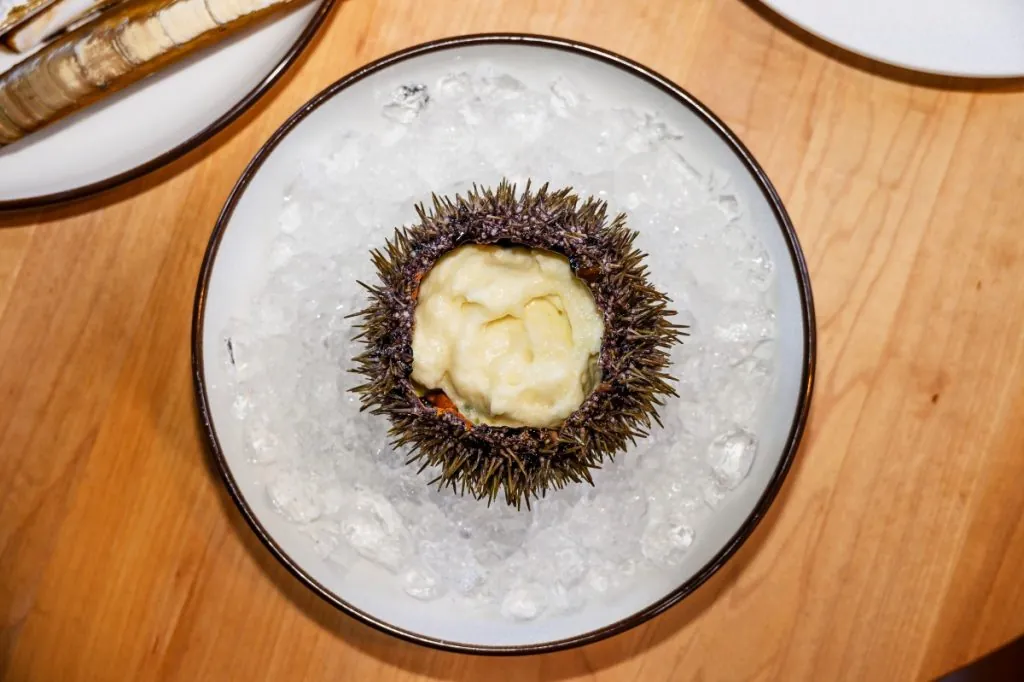
In the same area there is also a branch of Danish Mikkeller, further enhancing Tórshavn's growing beer scene. Here, people gather to sample local brews while fishing boats move in and out of the harbor outside the windows.

The city's newer breweries are increasingly experimenting with food and beer combinations.
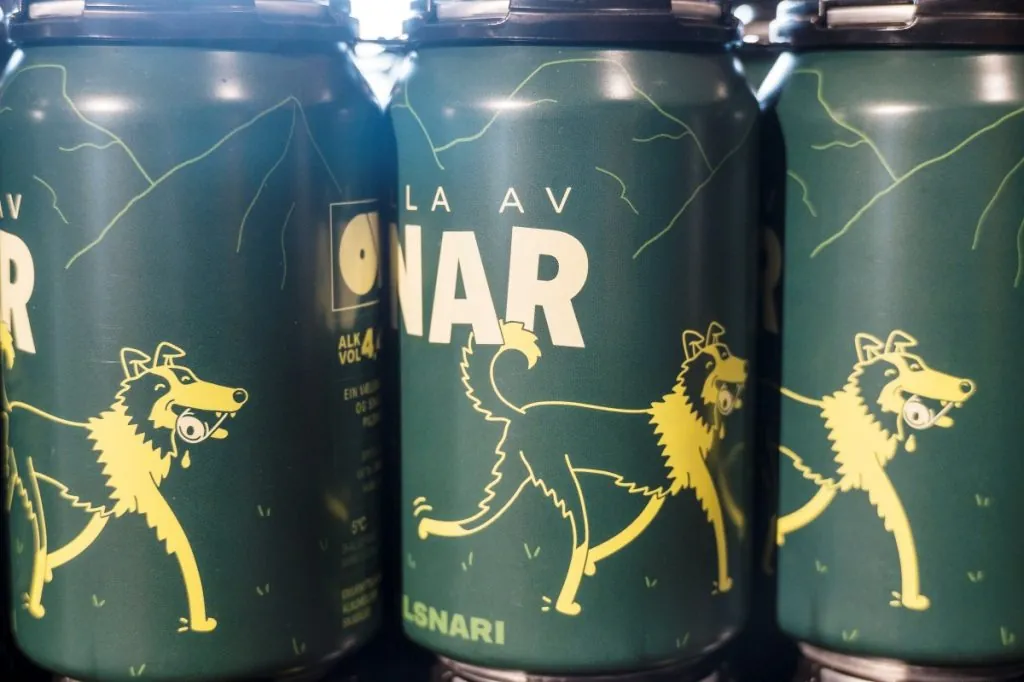
On OY Brewery the brewmaster works Peter Petersen close with several restaurants to develop taste encounters between beer and local ingredients. He previously worked as a chef in Copenhagen. Among his favorites are light lager with seafood or a dark porter that goes well with grilled halloumi. “In the past, people mostly drank classic pilsner here. Now people are more curious and want to discover new flavors,” he says.
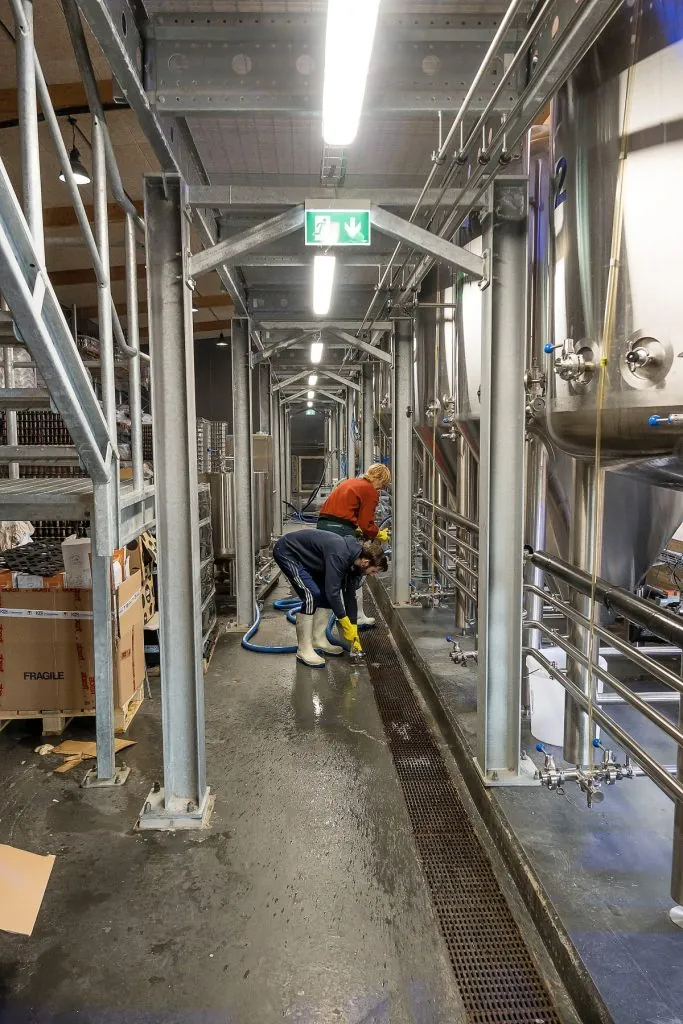
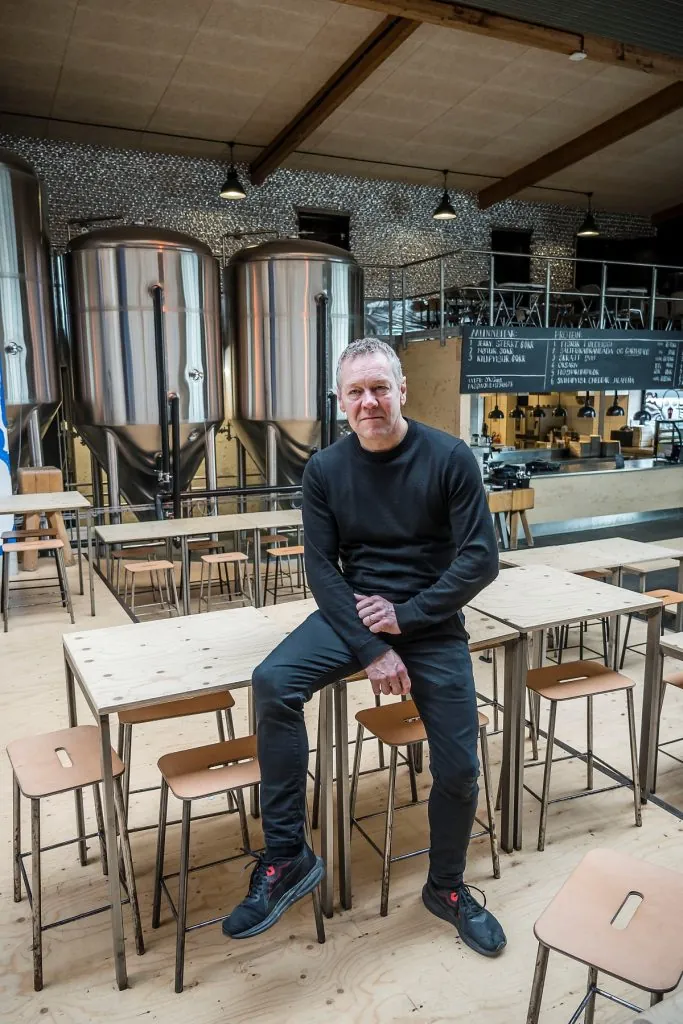
The breweries may be small by international standards, but their ambitions are high. The brewery produces around 1.2 million liters of beer a year, which is considered small-scale internationally but makes OY one of the larger breweries in the Faroe Islands. -The soft water from the islands gives the beer a round and mild character that has become something of a hallmark of Faroese brewing, adds Petur.
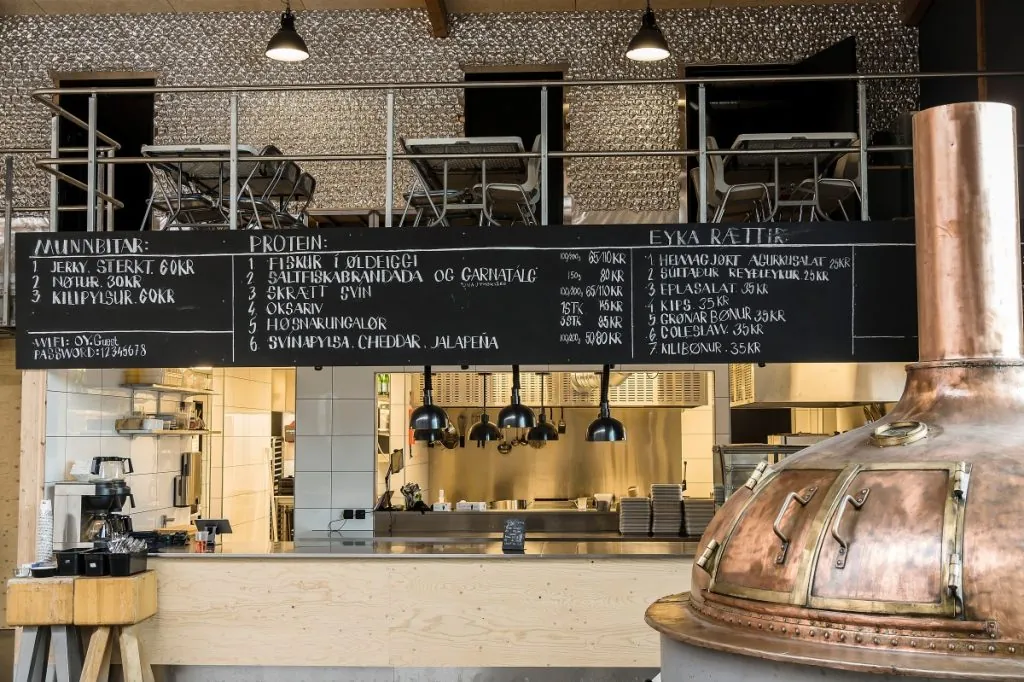
Among the varieties are Oyn Oy, a fresh lager with honey-like notes and balanced bitterness, and Black salt, a dark porter where licorice, malt and caramel meet in rich layers.
Whimsical weather, festivals and engineering that takes your breath away
The weather changes quickly. Sunshine can be replaced by dense fog and strong winds in a matter of minutes. The unpredictability is part of the charm.
G! Festival in Syðrugøta on the island Eysturoy, the Faroe Islands' most legendary music festival. The main stage is located almost directly on the beach. When the tide moves and the fog drifts in from the sea, it sometimes feels as if the concerts are floating between mountains and water. People sit in hot tubs, stand on rocks and dance while the Atlantic winds try to tune their guitars.
Here in the fog the rock group sings Immaculate Fools in a wistful voice: ”I wish you were here, here in…The weather is fine, here in…”. A nostalgic melody about the ”constant sunshine”. It is precisely here that the paradox arises. Because at the same moment that you realize that the weather is not fine in the classical sense, you also realize a truth: it is precisely thanks to this unreliable weather chaos that this particular festival is so magical.
And the weather, well… the weather is almost an extra member of the festival line-up. Sun, drizzle, fog and blue sky can pass during the same concert. The festival's unofficial dress code seems to be a wool sweater under a rain jacket with a beer in your hand and salt in your hair.
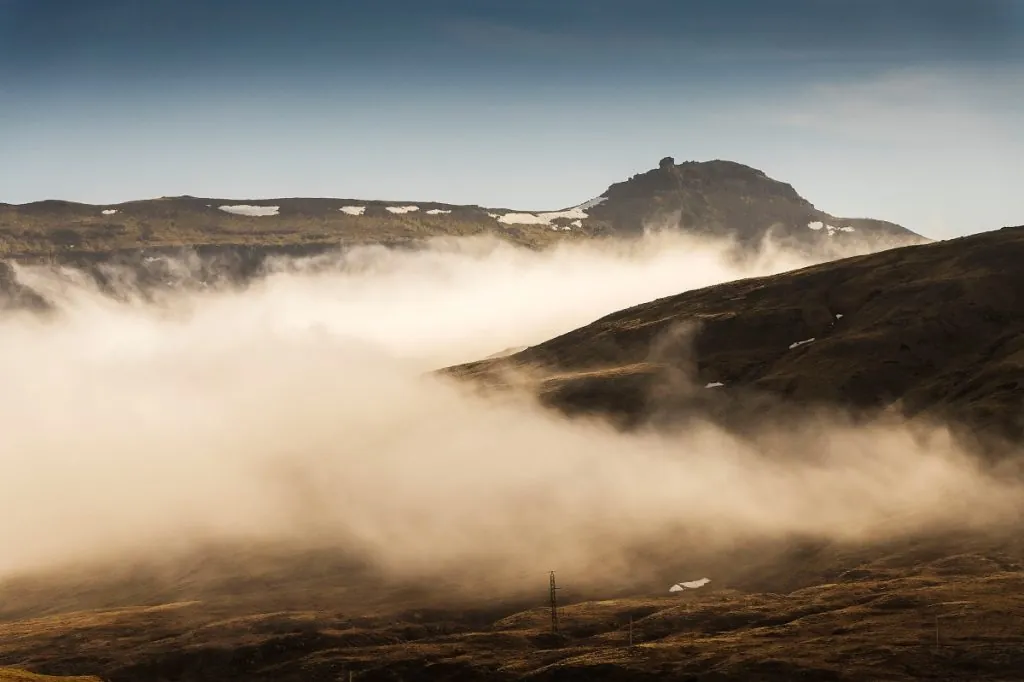
The archipelago also has the world's most spectacular underwater tunnels. The largest tunnel even has a roundabout far below the sea surface, illuminated like a work of art in blue and green. Driving between the islands sometimes feels like traveling through a science fiction movie where nature and engineering meet in the middle of the Atlantic.
Brand new in old fishing culture
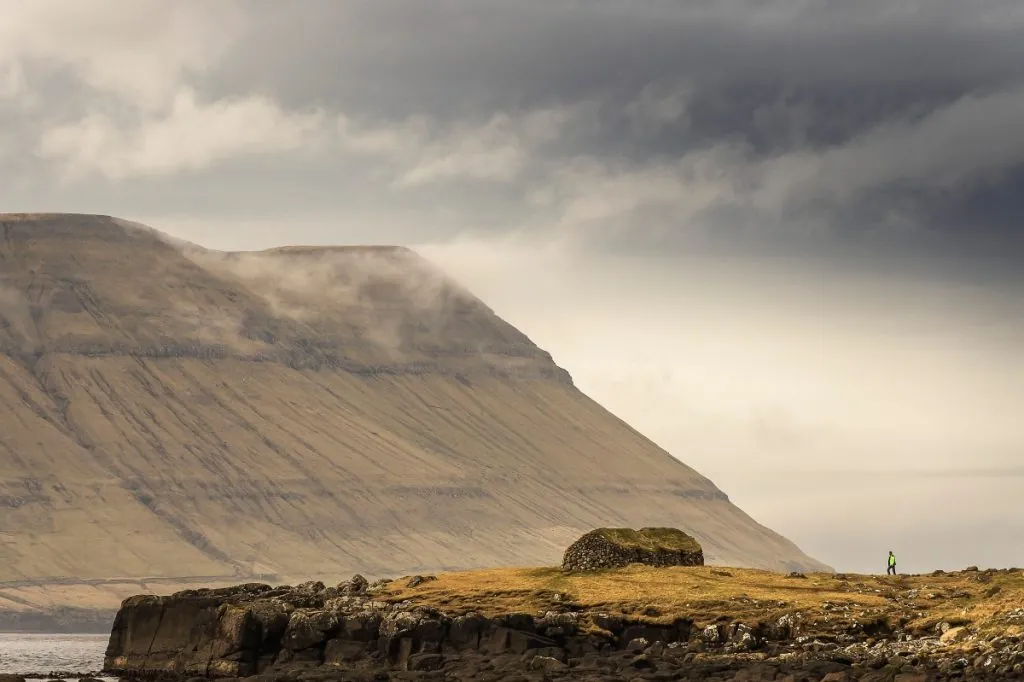
I Vestmanna, just under forty kilometers from the capital Tórshavn, is located Faroe Islands Distillery with a view of the sea and the steep mountain sides. This is where the Bogi Karbech Mouritsen and Daniel Hoydal their project after many years as whisky enthusiasts.
When they were going to apply for a permit for the distillery, it quickly became clear that the authorities didn't really know how to classify the business. “There were only two options on the forms: fishing boat or fish factory,” he says. Bogie with a laugh.
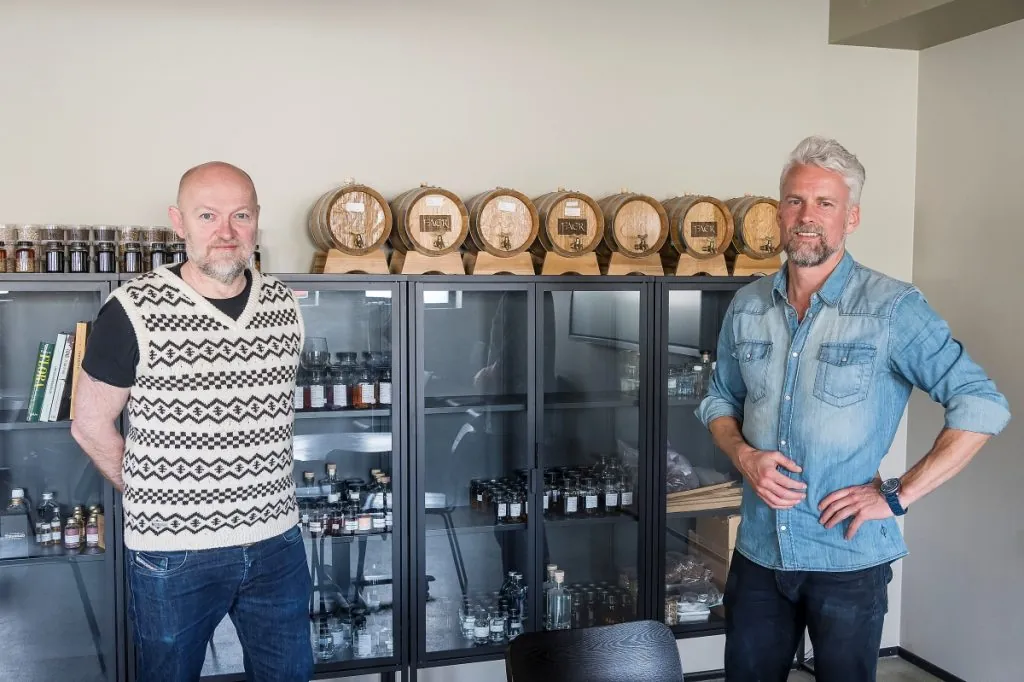
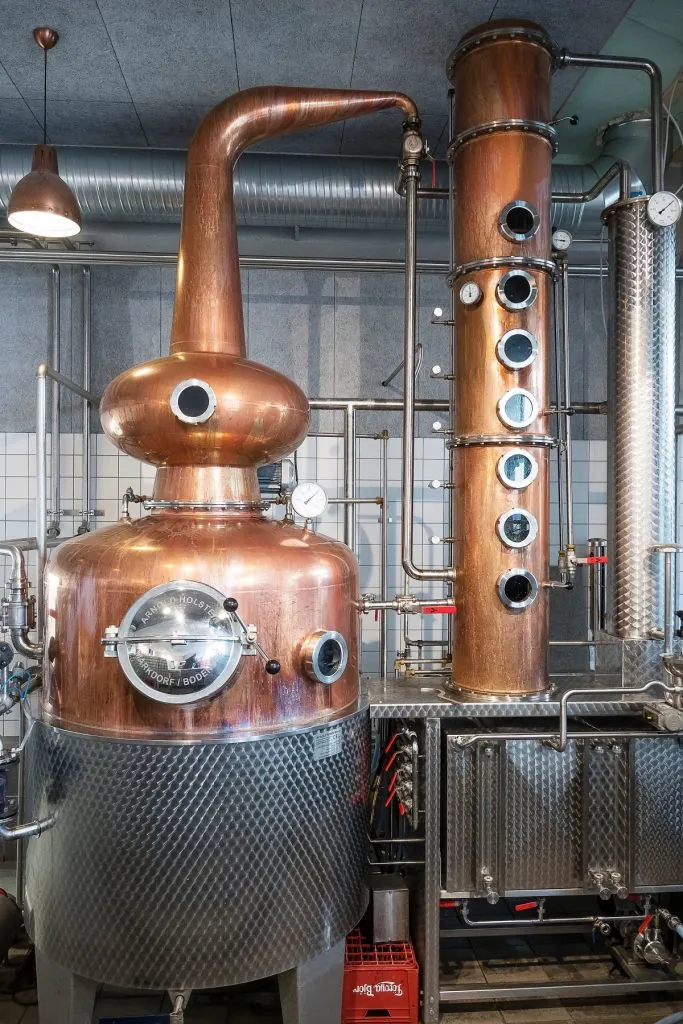
In the Faroe Islands, most of the economy is still connected to the fishing industry. A modern whisky distillery is still a rarity. But the ambitions are high. Together with international experts in whisky production, they have built a distillery where the climate plays the main role.
“The Scots always say they have perfect conditions for whisky. But here we have even higher humidity and more sea salt in the air. The Gulf Stream also gives us more favorable temperature changes,” says Daniel.
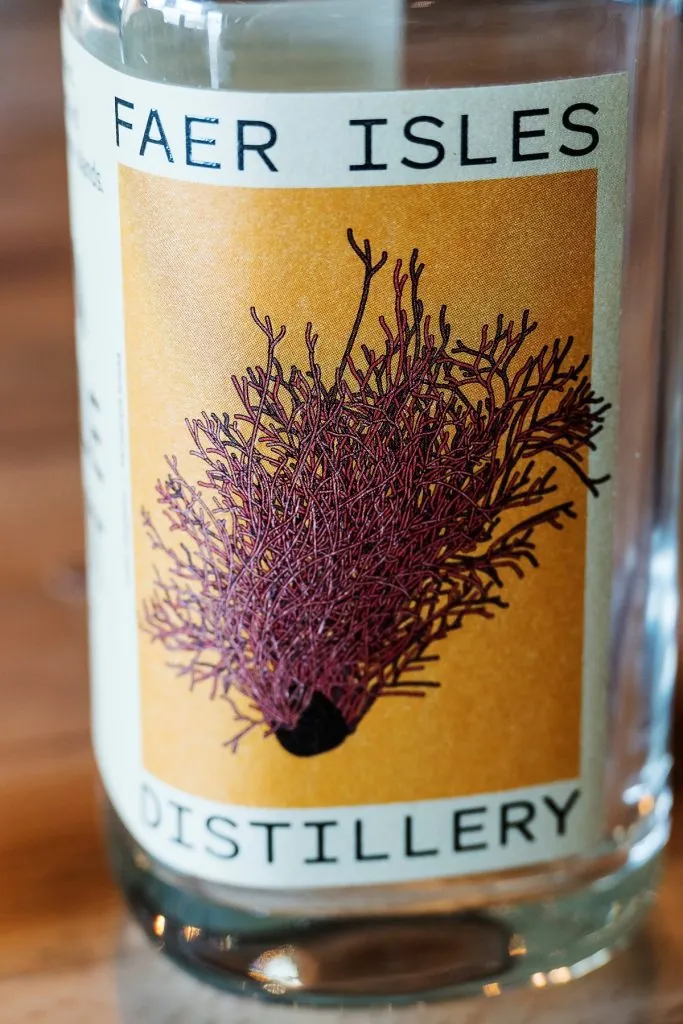
The whisky is stored near the Atlantic Ocean, where the winds constantly beat against the buildings. The sea air slowly finds its way through the oak barrels and gives the drink a distinct maritime character. The result is a whisky with a mild smokiness, elegant salty and mineral notes that bring to mind the sea and wet rocks. The distillery also works with local ingredients from the sea. Algae from Faroese waters is used in some products to create an even clearer connection to the place.
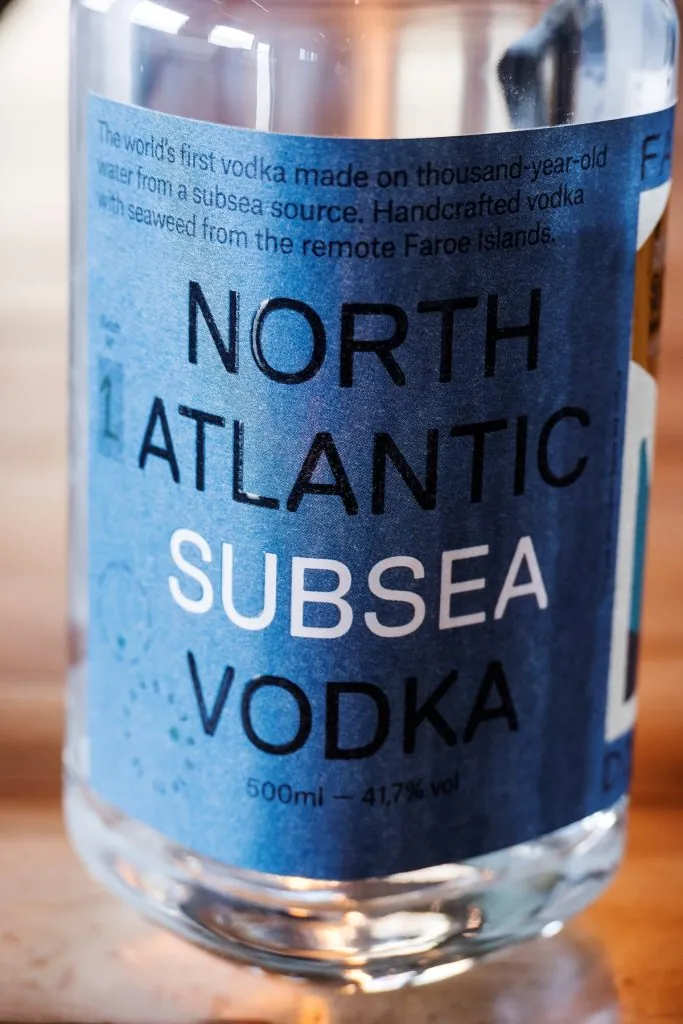
In addition to whiskey, they also produce gin, vodka and aquavit. The vodka is made with water from an ancient water source that was discovered under the seabed during tunnel construction between the islands. Their algae-flavored gin has already been awarded internationally and won medals in competitions in San Francisco, among others.
Dinners behind the doors of home
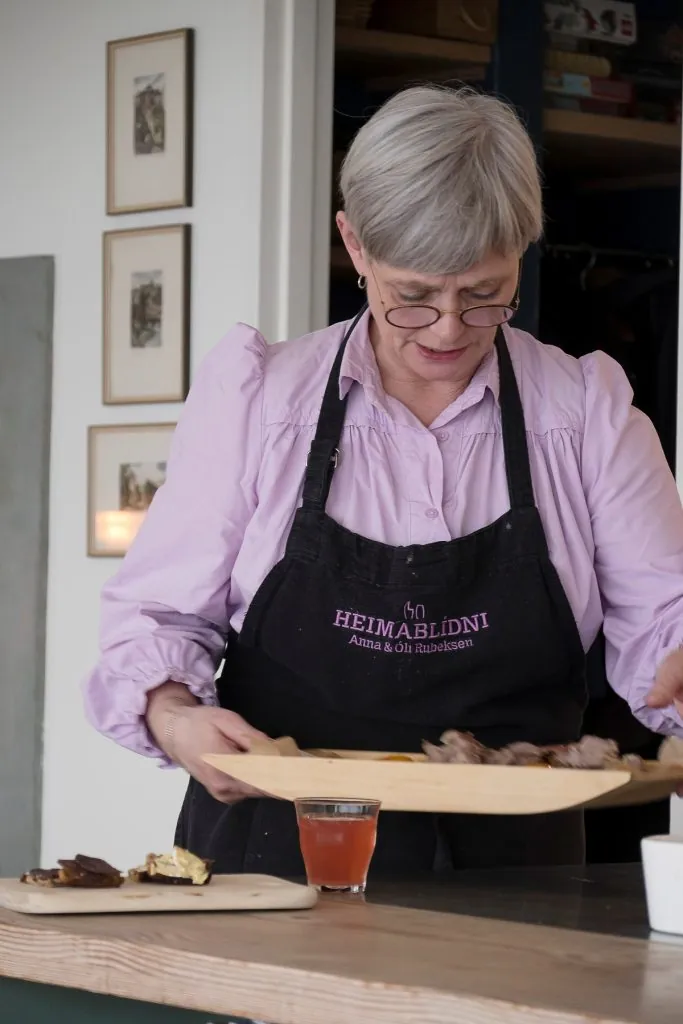
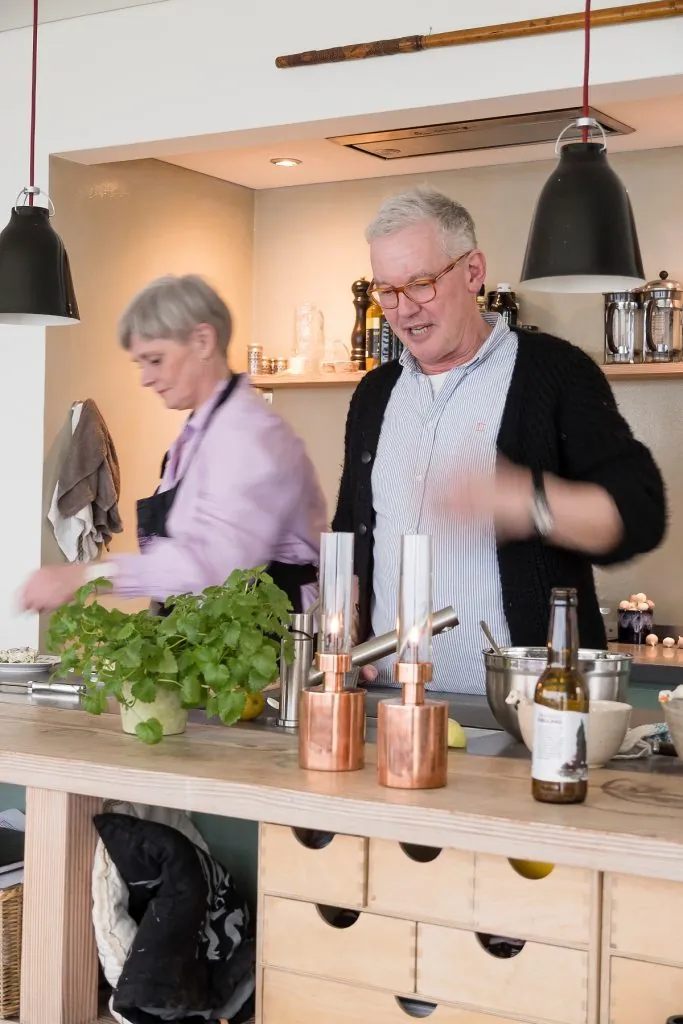
For those who want to get closer to Faroese food culture, there is the tradition Homelessness, where families open their homes to guests and serve traditional meals around the kitchen table. In the village Velbastaður, just outside Tórshavn, takes Anna and Óli Rubeksen welcomes visitors to their farm overlooking the sea. He is a former social worker, she still works part-time as a nurse. Together they run a farm with around 150 sheep while also hosting dinners for guests from all over the world.
The menu is never revealed in advance. Instead, guests are left to be surprised by the evening's dishes, which are often based on lamb, fish and ingredients dried according to old Faroese methods.
“It's about using what's around the corner and keeping traditions alive,” says Óli.
The pioneers of Klaksvík
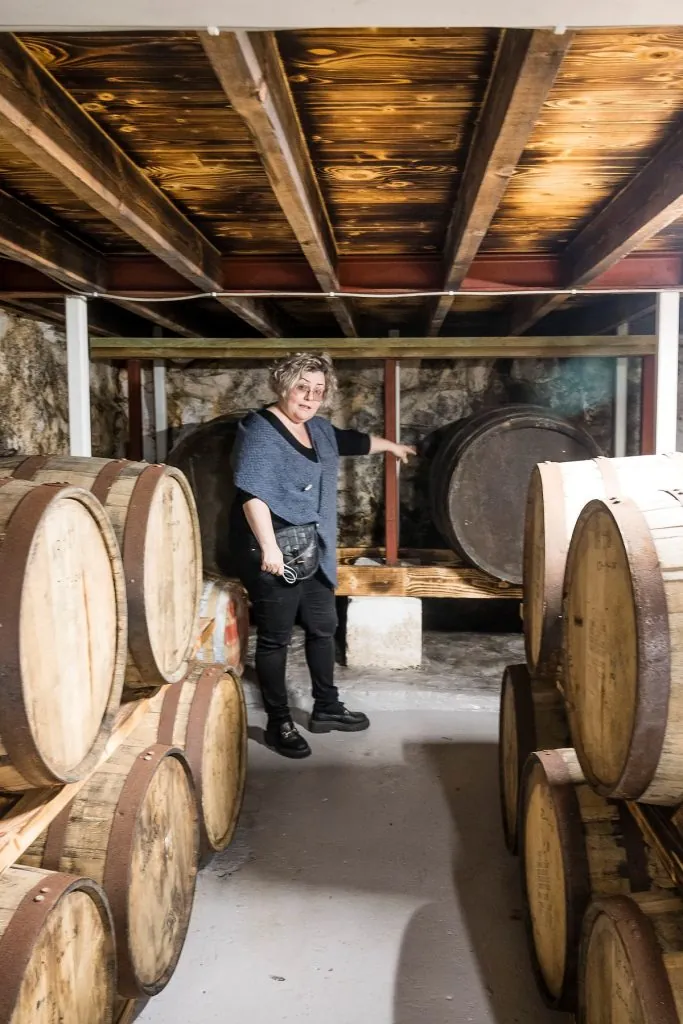
I Klaksvik, the second largest city in the Faroe Islands, is located Faroese Beer, the country's oldest brewery, founded in 1888. Beer, soft drinks, cider and whiskey are produced here on a large scale compared to the rest of the island kingdom.
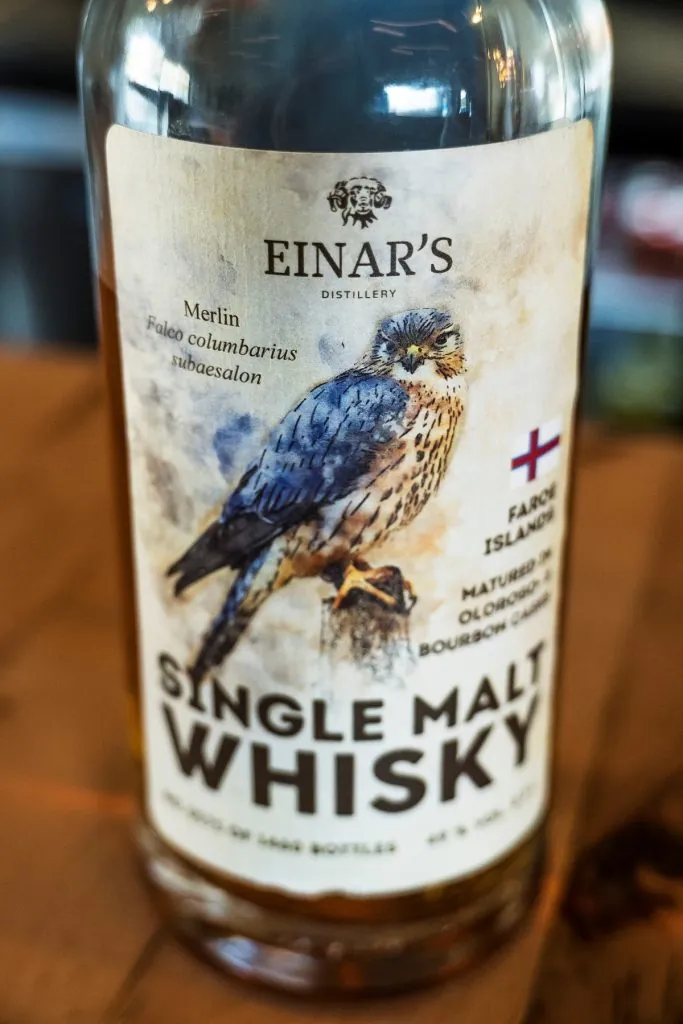
The family business was the first in the Faroe Islands to produce whisky commercially. Under the brand Einar's Today, several award-winning varieties are created with international attention. Whisky production in the family took off when her father and grandfather began experimenting together. Today, Annika Waag a leading role in the business, which has grown to include around forty employees.
When the whiskey connoisseur Jim Murray Having tasted the distillery's whisky, he is said to have exclaimed, “You outscot the Scots!”.
Einar's whiskies are named after the islands' birdlife. Two of the most appreciated varieties are Tjaldur and Mouse Brothers. The first offers notes of chocolate, tropical fruit, vanilla and honey while the second is fresher with hints of green apples, citrus and soft malt sweetness.
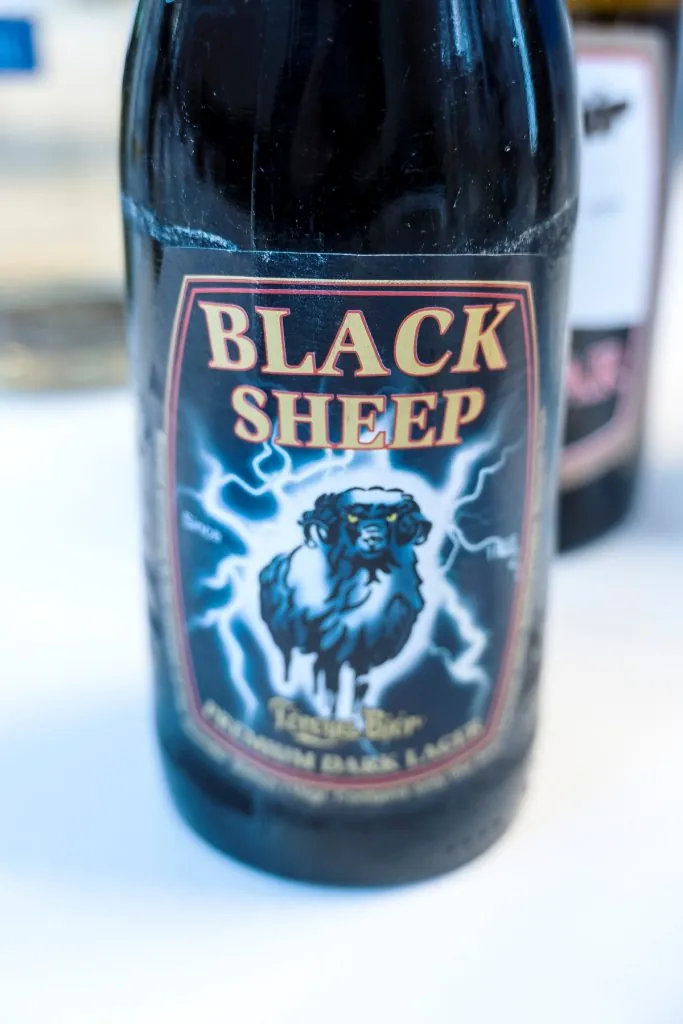
The beer collection has also received attention. Green Weather is an organic pilsner with a fresh hop profile and soft body, while Black Sheep is a dark lager with powerful maltiness and clear notes of coffee and licorice.
Fish, sea and wide open views
In the small fishing village Sandavágur, at the old fish drying area down by the sea, is located Fish stick with views of the harbor and the open Atlantic Ocean. The building was once a factory for the production of lute fish but has been transformed into a personal restaurant, café and conference room. The renovation has been carried out carefully. Raw wood details, worn industrial traces and modern elements blend together without losing the soul of the place.
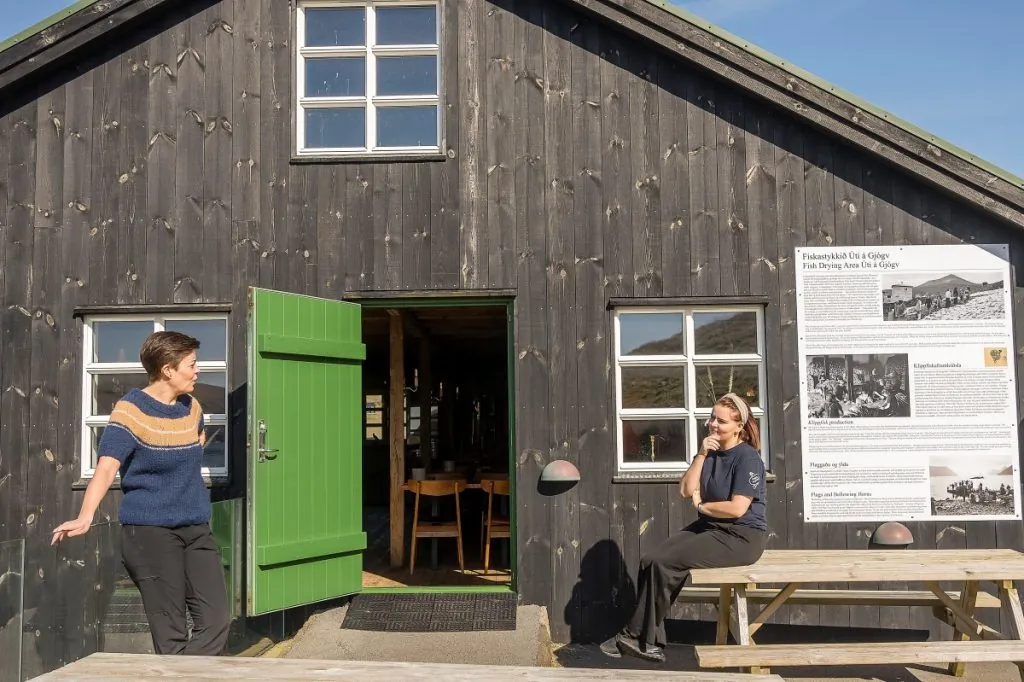
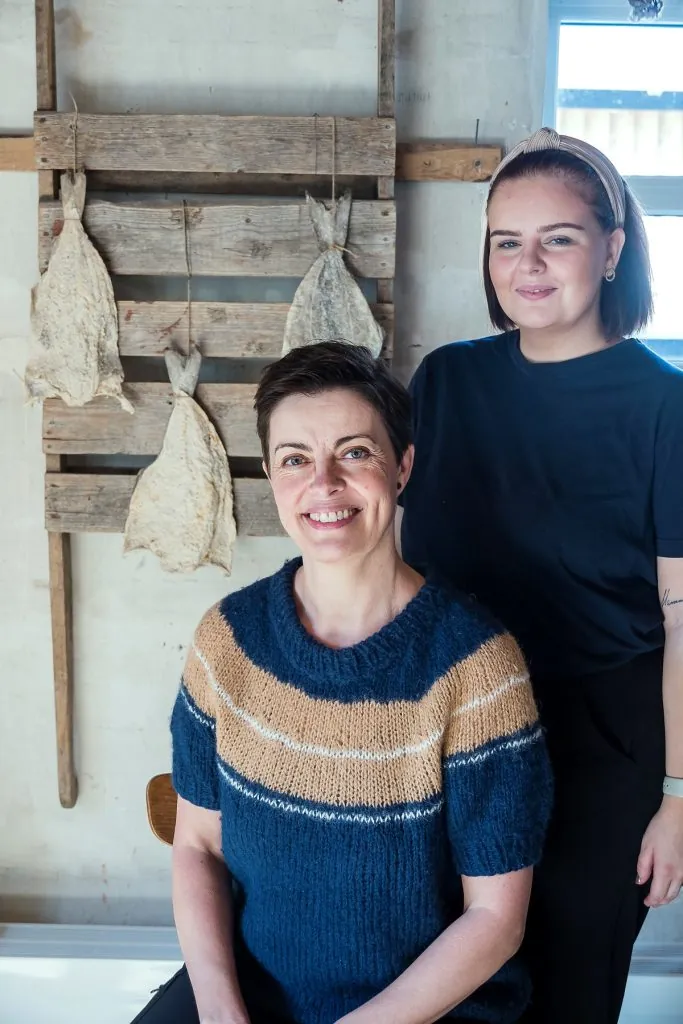
Here, fish is the obvious protagonist on the menu. The likeable ladies Jonleyg Joensen and Benita Winther Jensen stands for both food and drink at Fiskastykkið. It serves hearty fish soup inspired by the traditional lute fish, lighter dishes with freshly baked bread and fresh salads. On the terrace, with the wind from the sea sweeping over the tables, the homemade rhubarb juice tastes almost like the very essence of a Faroese summer.
While I'm sitting there with the pink glass in my hand, an older man comes up and curiously asks where I'm from.
– Sweden, Sweden, I answer.
His face lights up.
– Aha, are you Swedish? Do you know Emil? Emil in Lönneberga?
I laugh and nod.
– Yes, of course.
– I felt Astrid Lindgren, he says proudly. And I have translated all her books into Faroese.
Then he extends his hand.
– Heini F. Petersen. "Good to eat".
The small gathering feels typical of the Faroe Islands. Here, conversations can arise as suddenly as the mist over the mountains. Stories seem to live on everywhere, between the people, the harbor and the sea.
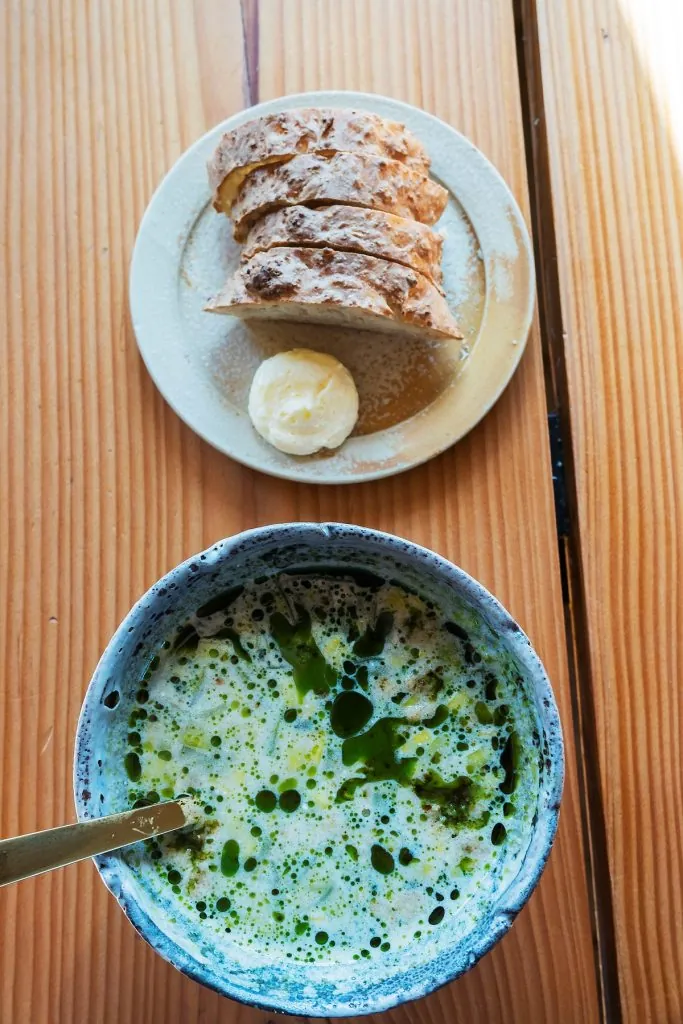
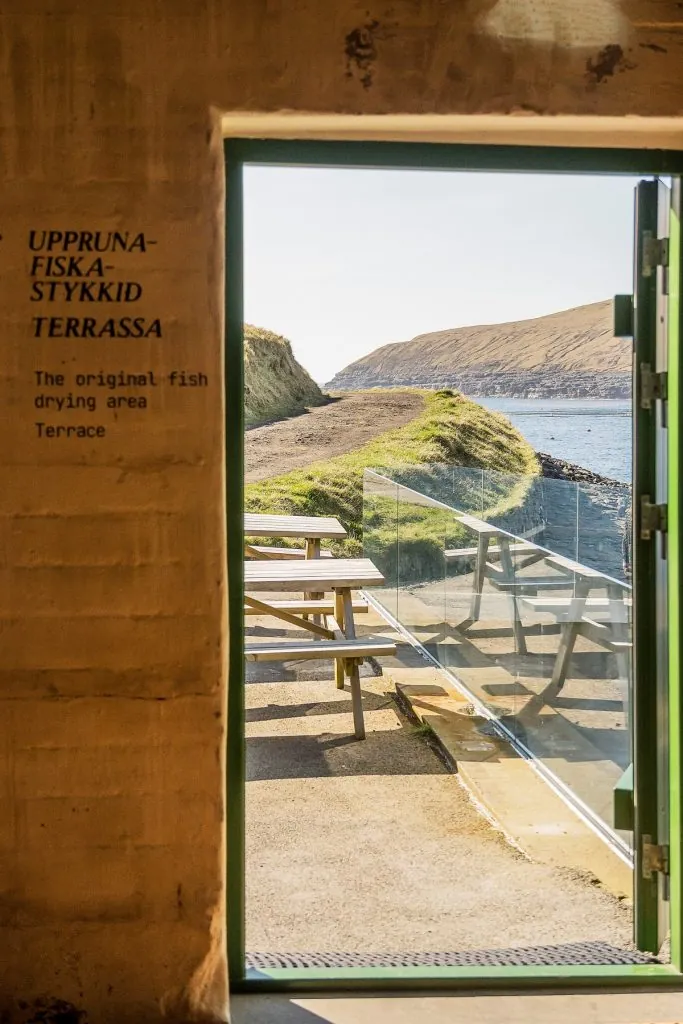
The restaurant has become an obvious stop for those who want to enjoy fresh fish and Faroese home cooking in its most genuine form. One of the oldest traditions that still lives here is Open-air drying. Fish and meat are hung in small open wooden sheds where the salty wind and the harsh sea climate slowly refine the ingredients and give them deep, concentrated flavors. Neither heavy salting nor smoking is needed. Nature does the work itself. For many Faroese, it is as natural as the smell of freshly baked bread or the first cup of coffee of the day.
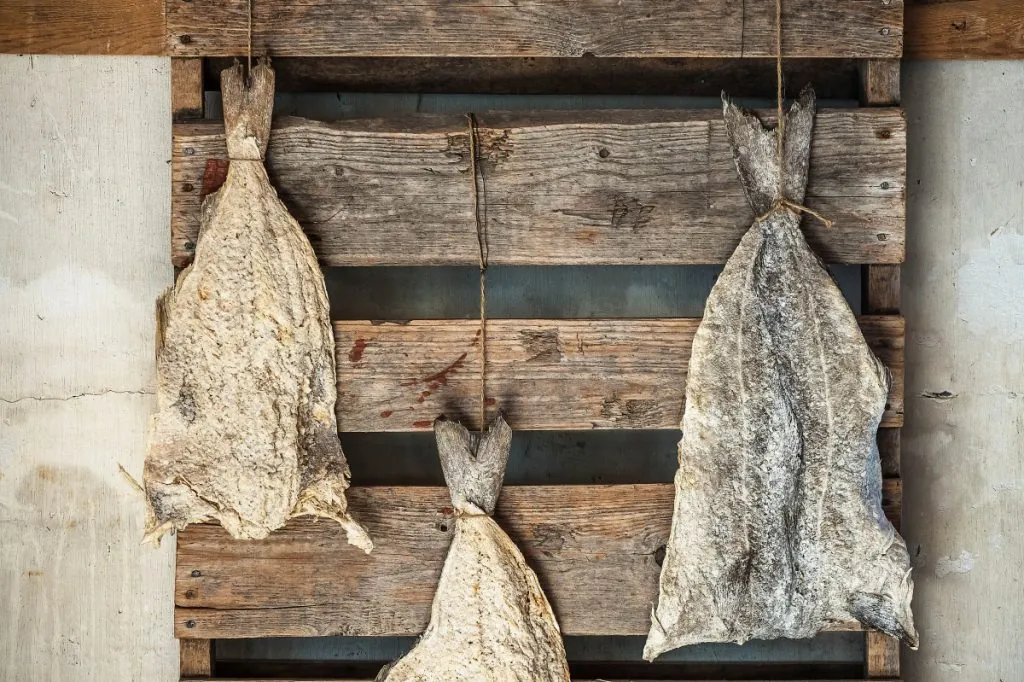
And speaking of the popularity of lute fish in southern Europe, there is a long-standing story that is still told. When Faroese sailors traveled south in the 1950s, including to Southern Europe and the Sun Coast, they are said to have sometimes used dried lute fish as payment for taxi rides. Whether the story is entirely true is probably no longer known.
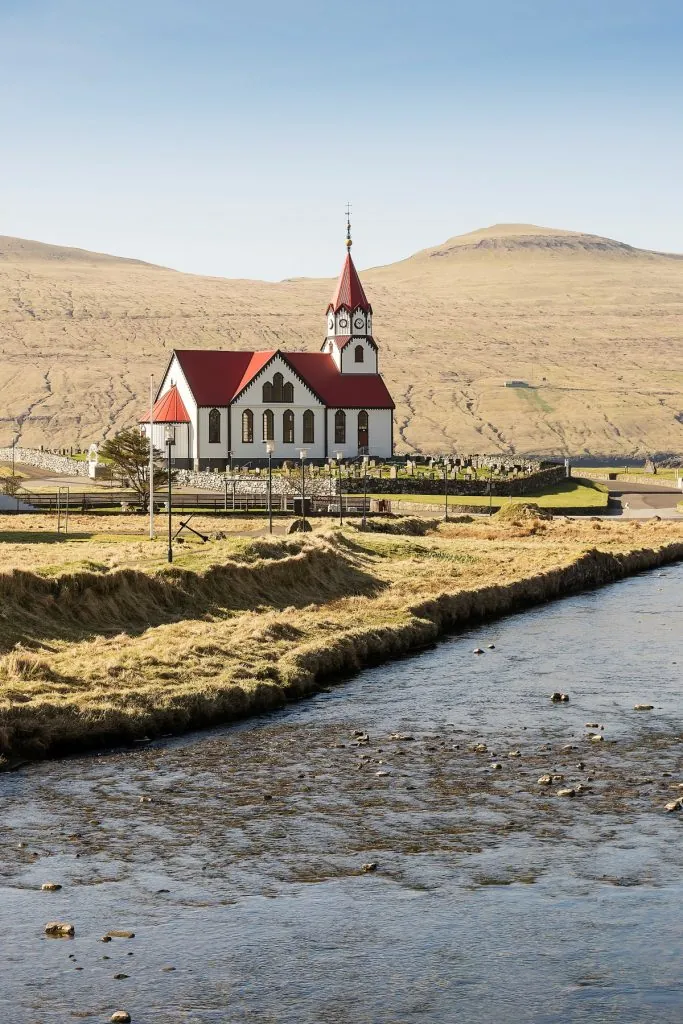
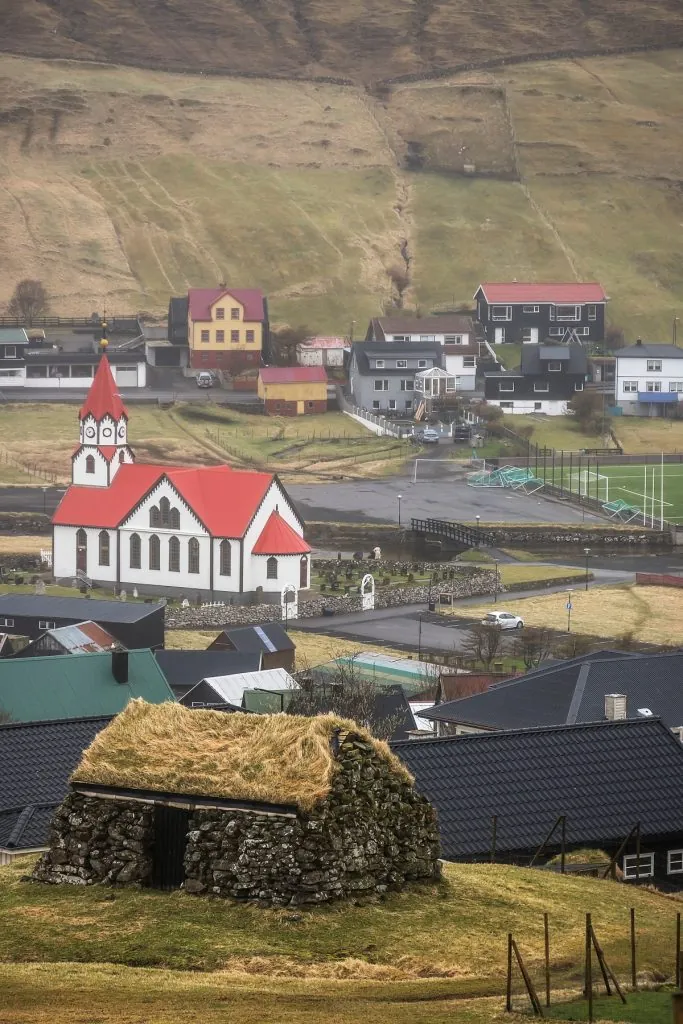
The Faroe Islands have over time developed an identity that feels both barren and sophisticated at the same time. An island where tranquility meets creativity and where every taste bears traces of the North Atlantic. Time to take a ship and head out to one of the North Atlantic's most exciting island groups.
More tips for your trip to the Faroe Islands
Travelling here: The Faroe Islands are most easily reached by domestic airline Atlantic Airways, which has several daily departures from Copenhagen. Travel time 2 hours and 15 minutes. You can also travel by Smyril Lines ferry Norröna from Denmark.
Eating & drinking
- The kiosk at Astu Hotdog Deli, Vaglið, Tórshavn, Streymoy. Heavenly good homemade sausages in an iconic kiosk from 1935.
- Brimborg, Gotugjovegur 2, Gotugjogv, Eysturoy. Serves homemade Faroese food with a Cambodian twist.
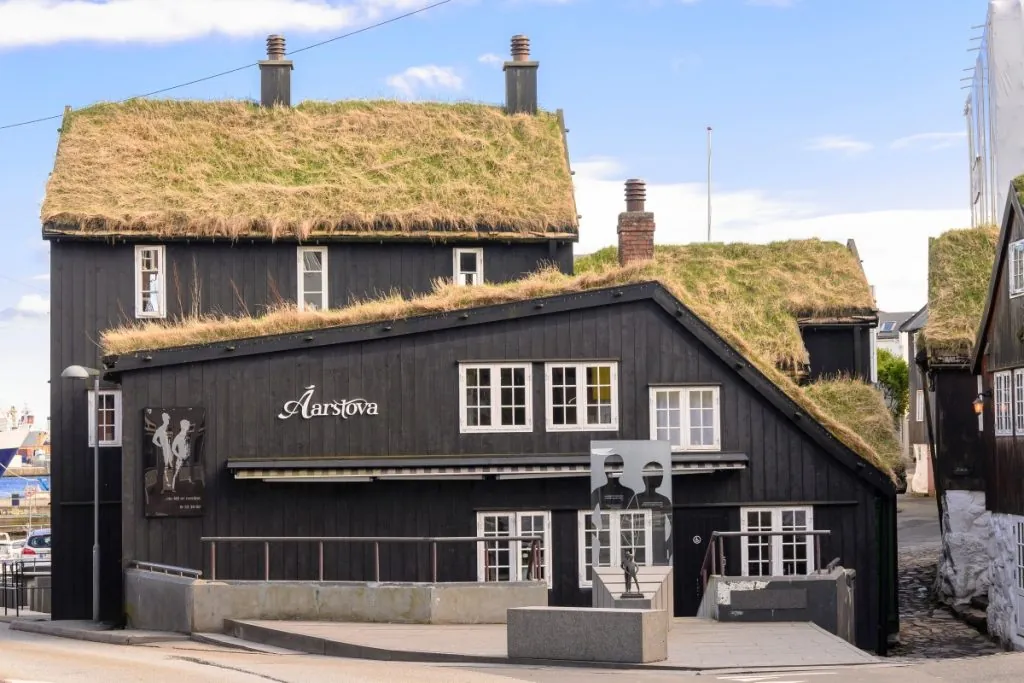
- Aarstova, Gongin 1, Tórshavn, Streymoy. Classic pub with local specialities.
- The smoking room, Klaksviksvegur 41, Klaksvík, Borðoy. Local pub in Klaksvik with a wide selection of the island's beers. Relaxed atmosphere.
LIVING in the Faroe Islands
- Havgrim Seaside Hotel, Yviri at Strand 14, Tórshavn, Streymoy. The Faroe Islands' only boutique hotel, familiar and homely. www.havgrim.fo
- Hotel Foroyar, Oyggjarvegur 45, Tórshavn, Streymoy. Modern good hotel with gigantic breakfast buffet. Nice view over the whole of Tórshavn. www.hotelforoyar.com
Don't miss
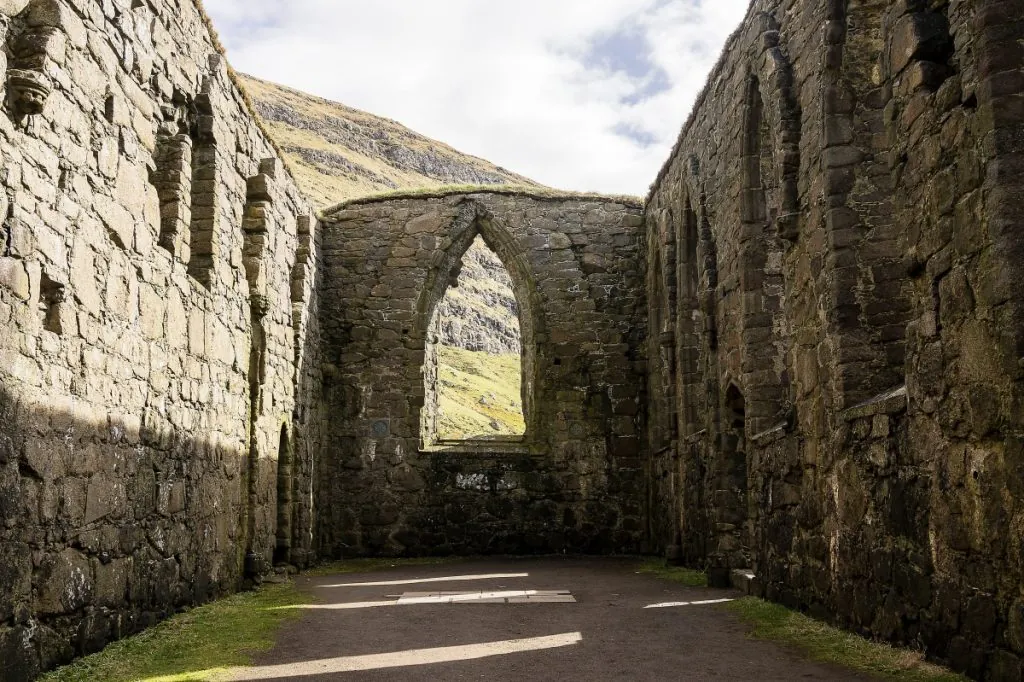
- Kirkjubøur, One of the oldest settlements in the Faroe Islands is the ruins of the 14th-century Magnus Cathedral. Take the local bus from Tórshavn (takes about 40 minutes).
- Nordic House, Nordari Ringvegur, Torshavn, Streymoy. Center for Nordic art, literature, music concerts and more, often exciting programs. www.nlh.fo
- Eysturoy Tunnel between Strendur and Runavik. In this tunnel you can see the world's first and only roundabout under the sea surface. Unique, spectacular and artistically decorated in different colors. "Tourists usually like to drive a few extra laps here.".
You might also like:
 What Greenland tastes like - beer, whisky and Arctic magic
 The fairs for those who want to know more about the latest beverage trends
 Food in Åland - 16 must-try delicacies
 Visiting High Coast Whisky - guided tour, tasting, food, venue
 Coffee around the world - Aunt Anna's coffee dreams
 Friday blog: Houseboat life, Uzbek meeting and Indian whisky


 English (UK)
  Svenska
Eval8 says:
The Faroe Islands also attract me, even though it has been said that in a few hours you can experience all four seasons.
Have a nice weekend!
June 13, 2026 - 8:30
Anna i Portugal says:
A place I want to visit one day. Interesting to read this post.
June 17, 2026 - 8:04