

Questions by Miriam Steinbach / Answers by Stina Nilsson Bassell
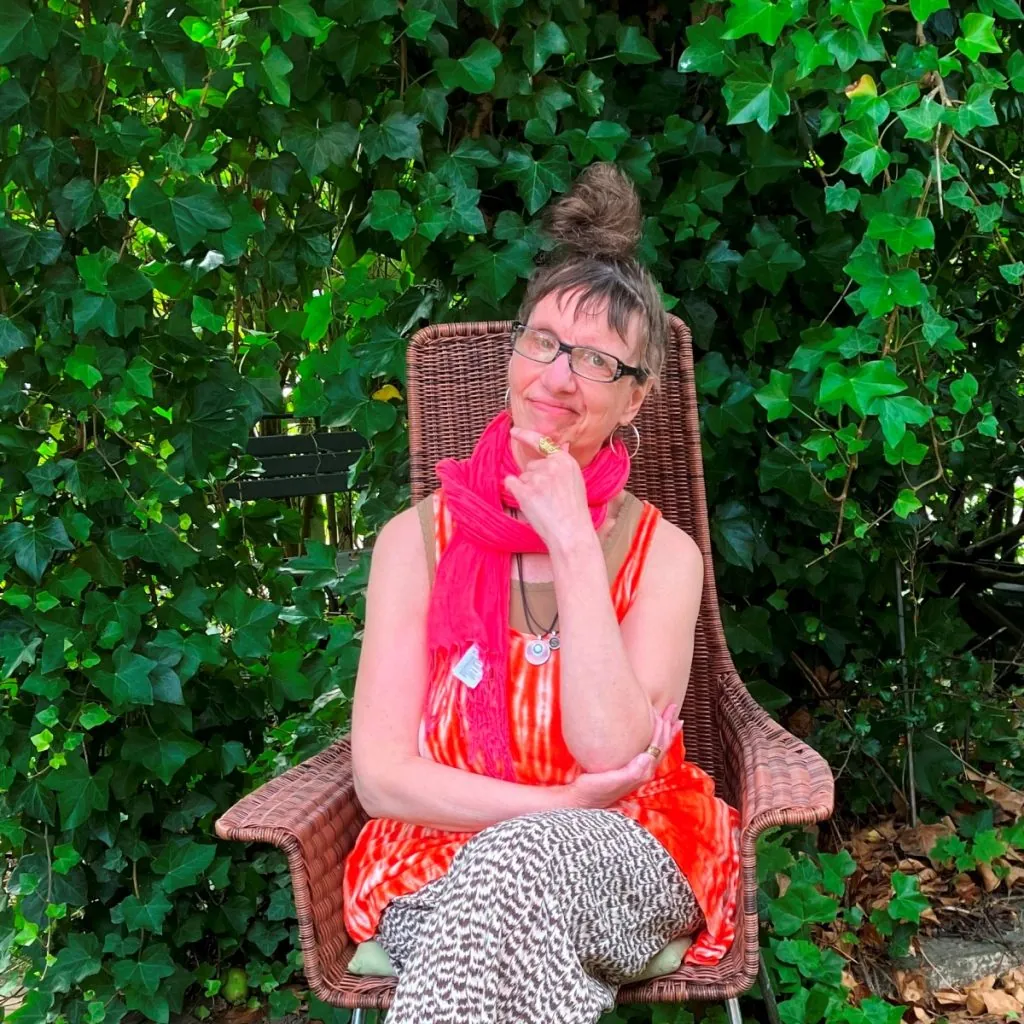
Thoughts and reflections about women's rights and injustices in the world were there somewhere early in my life, like a sprawling snake's nest, and they came to the surface and were tied together nicely when I attended Färnebo folk high school - and not least with the trip to the village of Ruwangwe in northern Zimbabwe, says
Stina Nilsson Bassell.
 Tweet
Tweet Share
Share Share
Share Pin
Pin Share
Share Share
ShareInterview with Stina Nilsson Bassell about Zimbabwe/Southern Africa – course 1986/87 at Färnebo folk high school, by Miriam Steinbach. Photos by Stina Nilsson Bassell, unless otherwise stated.
Table of contents
What course did you take at Färnebo Folk High School?
Färnebo folk high school, Zimbabwe/South Africa 1986/87.
What are you doing today?
I am an author with twelve published titles. The latest novel The blue curtain takes place in Linköping and Norrköping in the mid-19th century. There we meet two young women from the poorhouse who miraculously get jobs as maids at a manor. Two of the main characters work at Norrköpings Bomullsväfveri AB.
A murder, mysterious conversations, a trial, love affairs, the formation of a women's association are all part of the story. Gender roles and class differences are clear in the lives of the young women. Textiles play a prominent role.
Injustice is their guiding principle, and with a good roof over their heads they can finally do what they dreamed of, or what they didn't know they had dreamed of. I put a lot of my commitment into my novels, and I hope that it reaches readers.
In all my novels, I highlight women and other injustices, with light and shadow.
In all my novels I illuminate women and other injustices, with light and shadow. Although the thoughts, already early in my life, were there somewhere, like a sprawling snake's nest, they came to the surface and were tied together nicely when I attended Färnebo folk high school.

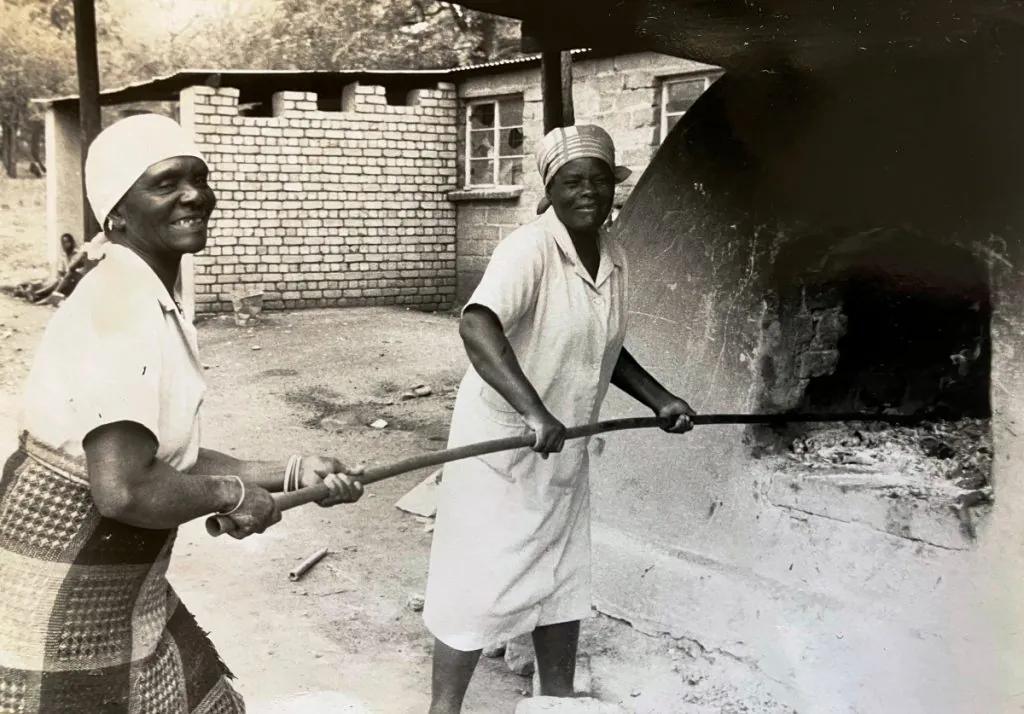
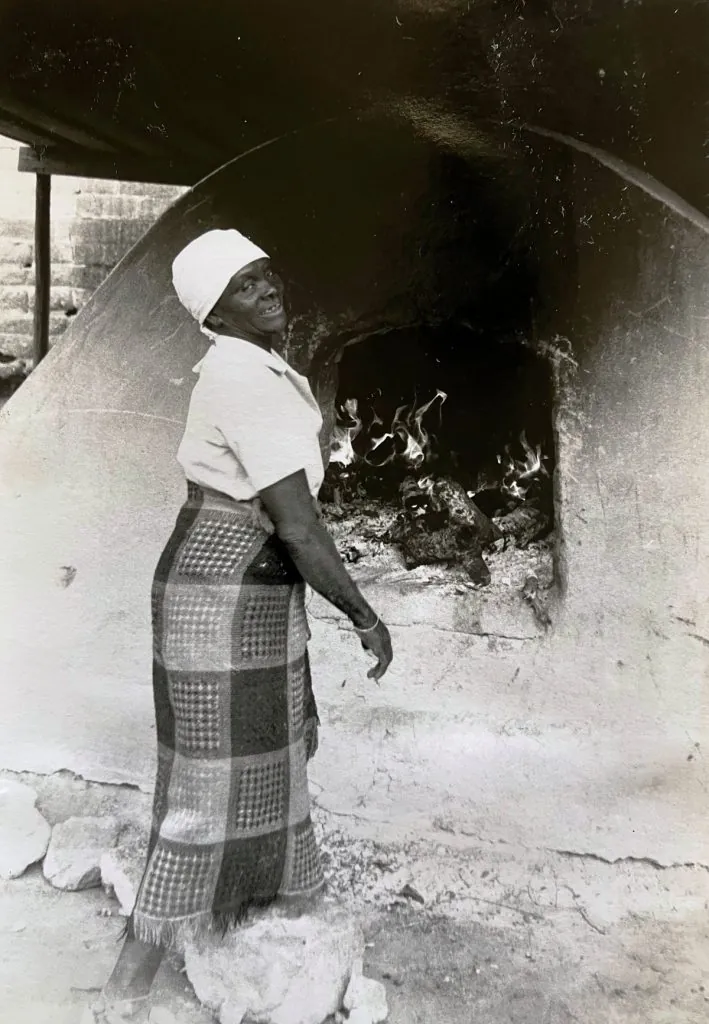
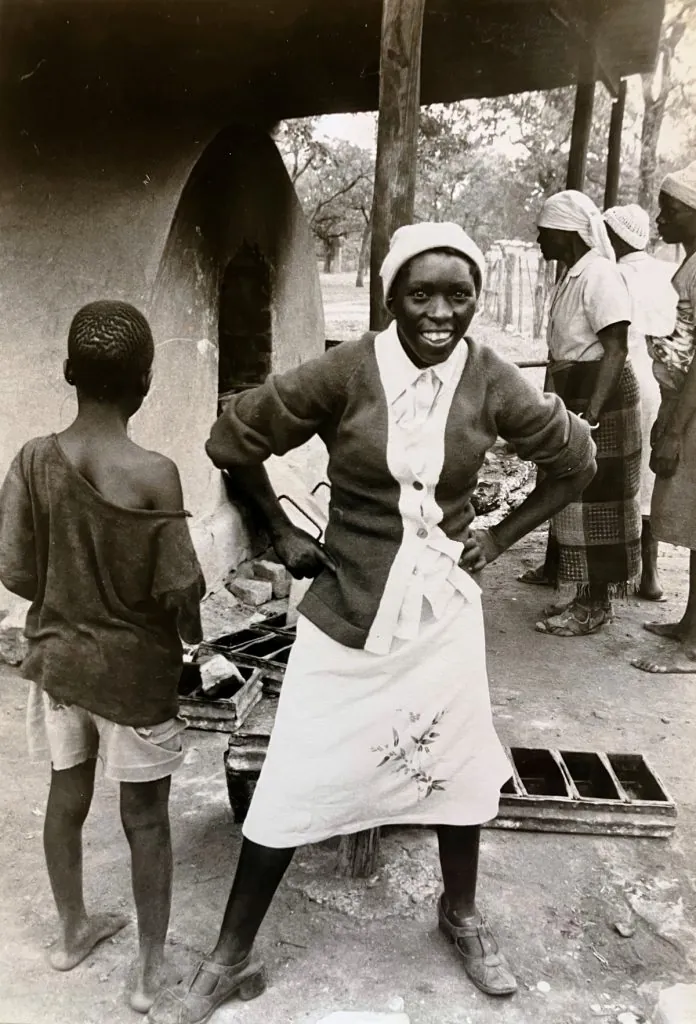
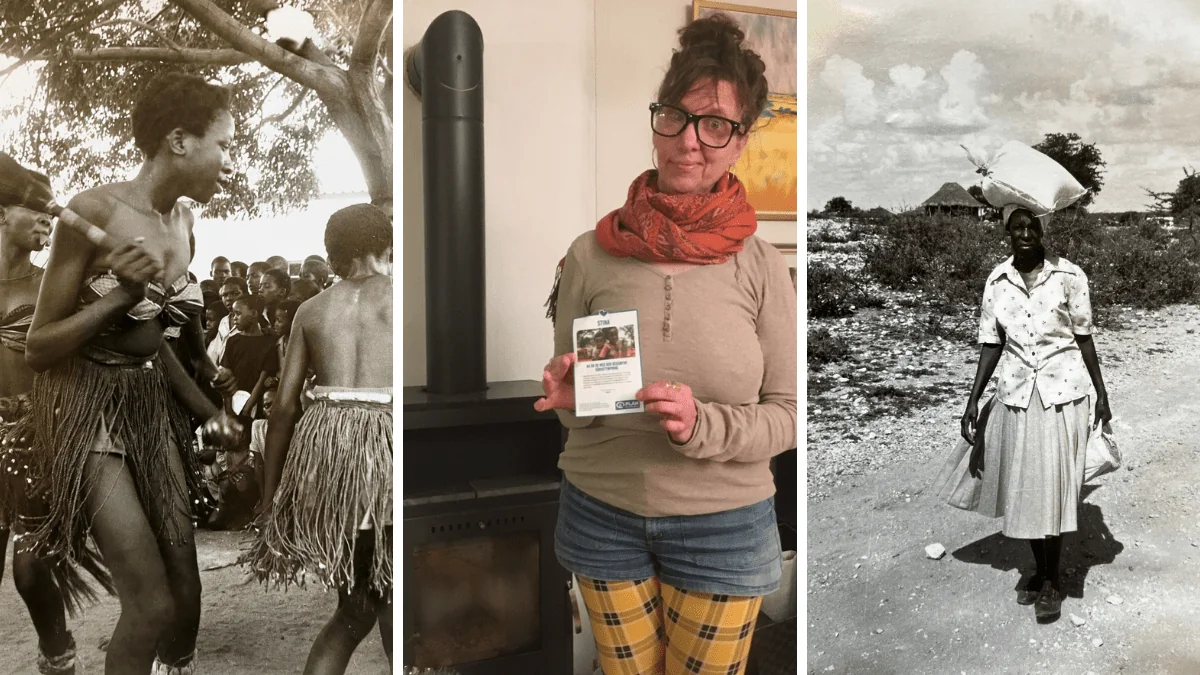
Semi-retired since 1990, and full-time since 2001. Member of various groups on Facebook, for example Anything but never SD, Front against racism and emerging fascism, Norrköping against racism. We celebrate 100 years of women's suffrage with Women's Art on Facebook that I created myself.
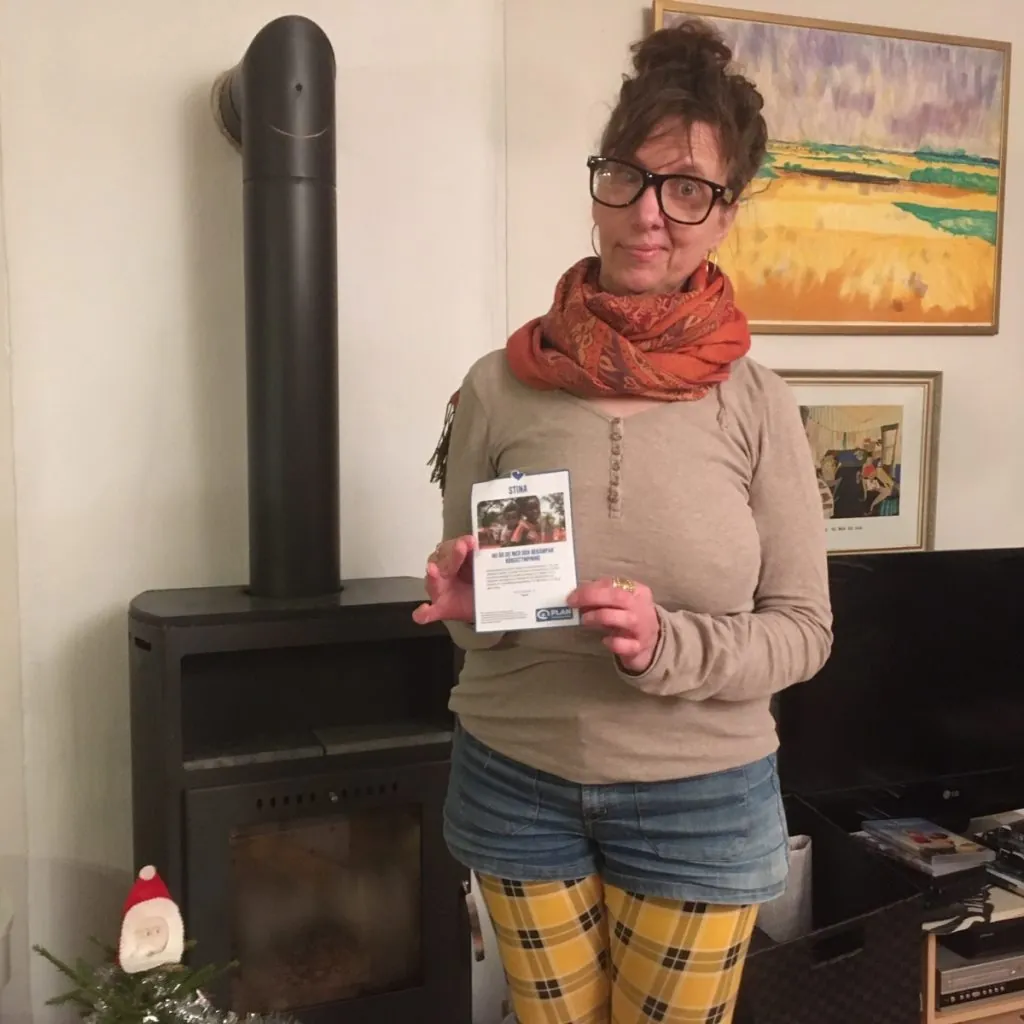
I like to sign protest lists when it comes to injustice. I was involved in Friends of the Earth in the 1990s. I have a sponsored child in Haiti since 2010. I contribute as much as I can to PLAN and other aid organizations.

The physical is lagging behind so it has to be digital for me.
What do you spontaneously think of when you hear Färnebo folk high school?
Happiness and joy! Tough and hard work! Like life itself. You go through everything in a year that usually takes almost your entire life. The best thing I've done, after my daughter Fedra was born.
More aware, I hope, and I discovered what I wanted to experience from a country.
School gave me the biggest lift that any school has ever given me. And it carried me gently into where I am now. More aware, I hope, and I discovered what I wanted to experience from a country. That is, to immerse myself in, listen, observe, and live with the people of that country.
To gain an understanding of what it's really like. Living, studying and traveling with each other gives a completely different perspective on everything.
It was an exciting, fun and difficult time. It was incredible to get to know these people, so much too, in such a short time. But it can also be a bit too close and too difficult. Then you have to work on it, just like in all relationships.
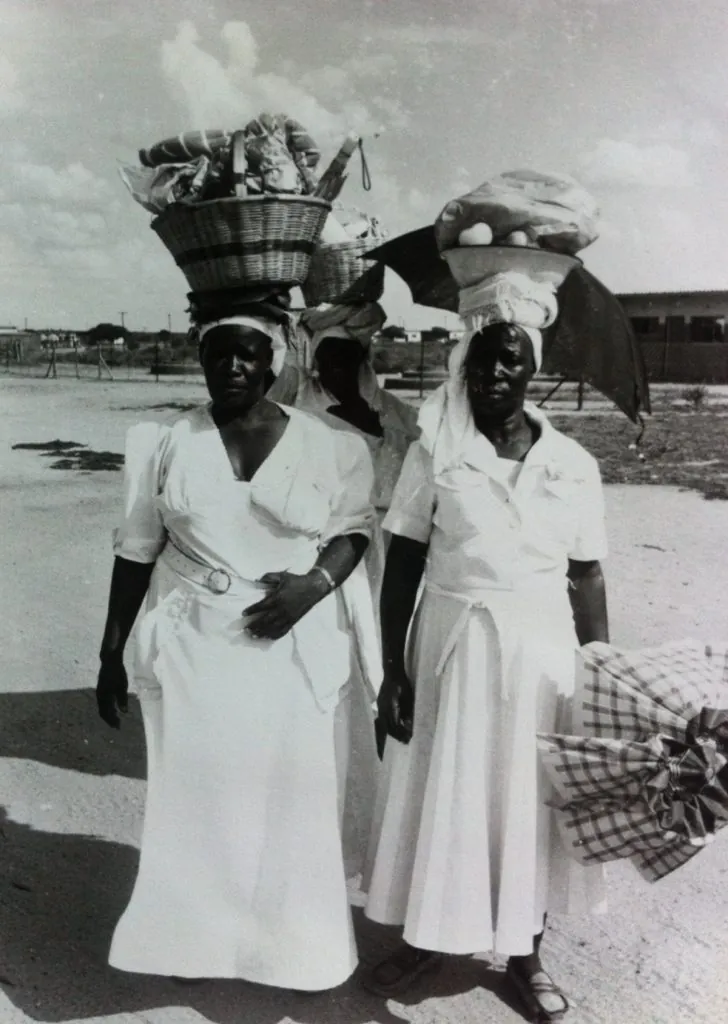
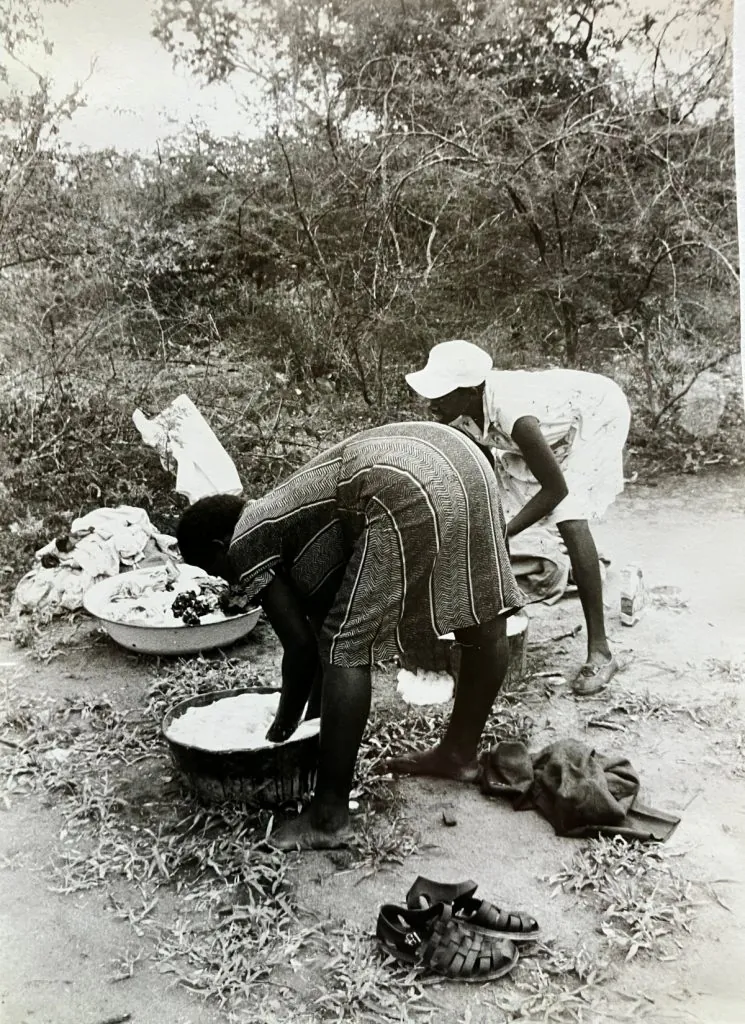
That the glamour of the African woman carrying a pot of water is not really that glamorous. Most often, in Zimbabwe (different for every country in Africa), the water was in a zinc bucket that was not easy to carry when full. Neck injuries were a big problem.
How did you come to start at Färnebo?
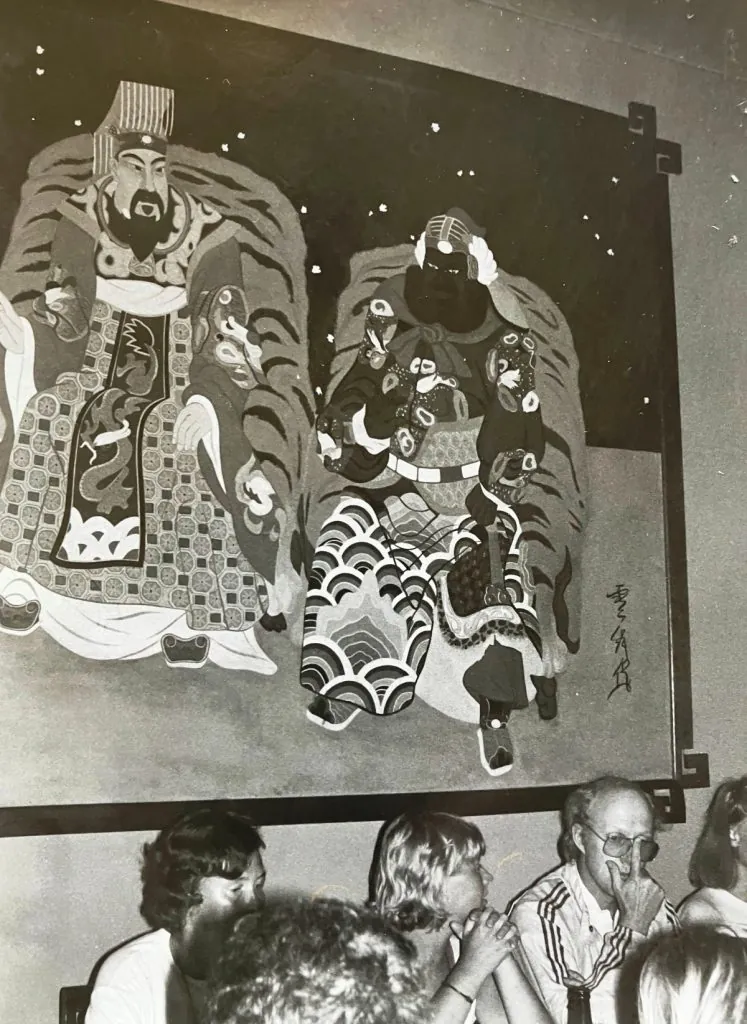
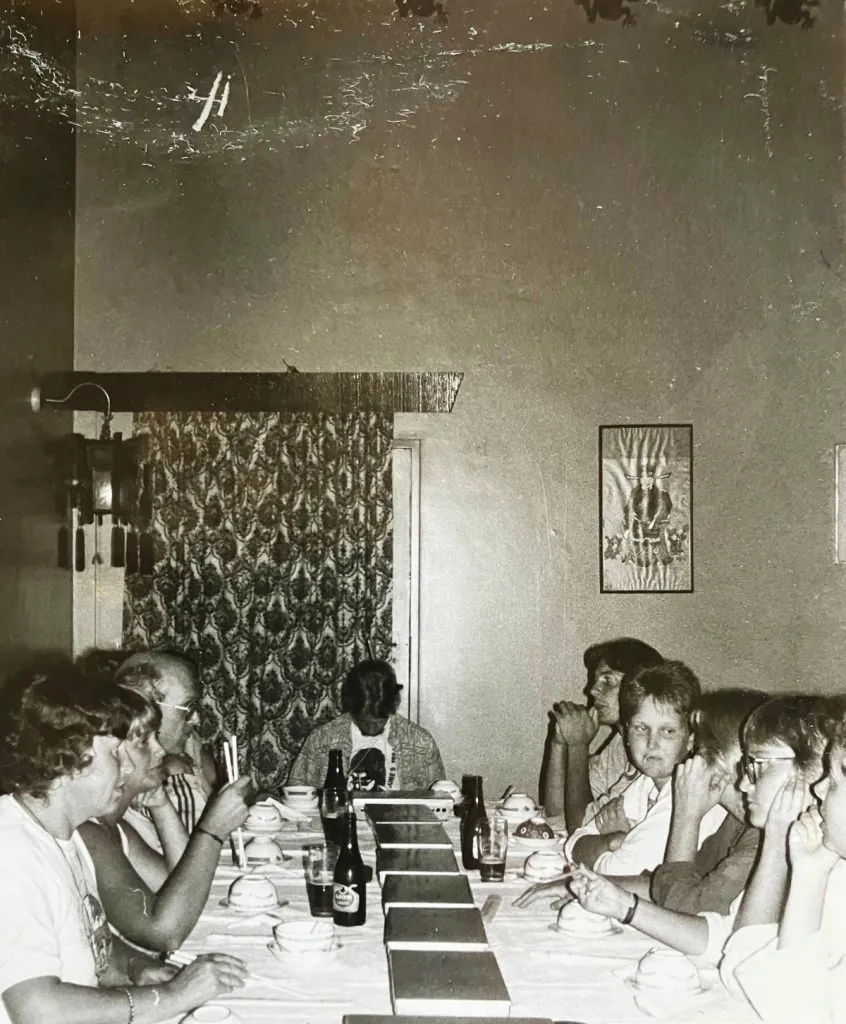
A couple of friends in Linköping were supposed to be tutors for this course. Before I met them, I had taken an African drum and dance course. So I got curious and went to the pre-meetings and then I was sold. It was like feeling like ”Now I’ve come to the right place”.
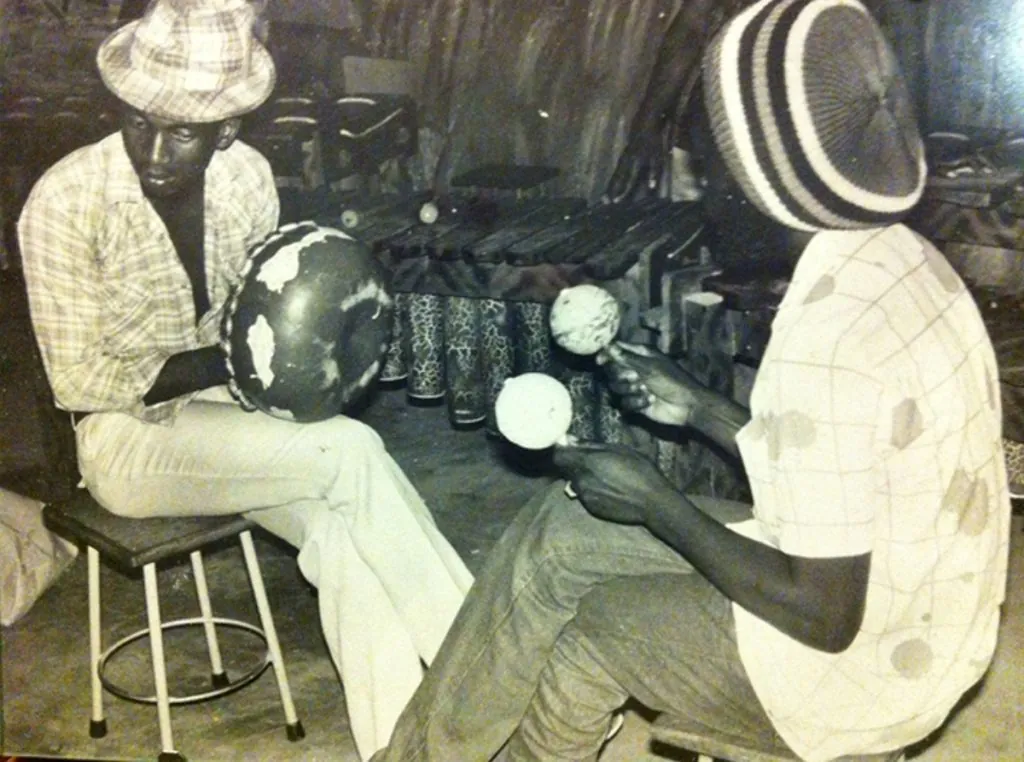
It was a wonderful feeling to start school, but also tough. That we would be responsible for our own food, schedule, budget and cleaning was fantastic. And tough. Being together so much takes its toll on a relationship. It's more than a marriage. But I wasn't afraid. Rather, I was excited about most things. Except for the economics group. Numbers and I don't get along.
Spiceing up the school was great fun. But it could be hard to be so close to each other in just about everything. I learned early on to try to be in my little corner in my room with two others in the house ”Lyckos”. Although I never experienced it as too much work to live, study and work with the same people in the same place, I know it can definitely feel that way.
This awareness of things in Zimbabwe made me aware of things at home.
This awareness of things in Zimbabwe made me aware of things at home (Färneboskolan, which was my home at the time).
Learning about the country/countries, their language, and then going down there and learning more, was exactly what was needed to gain a more understanding world. A truer picture.
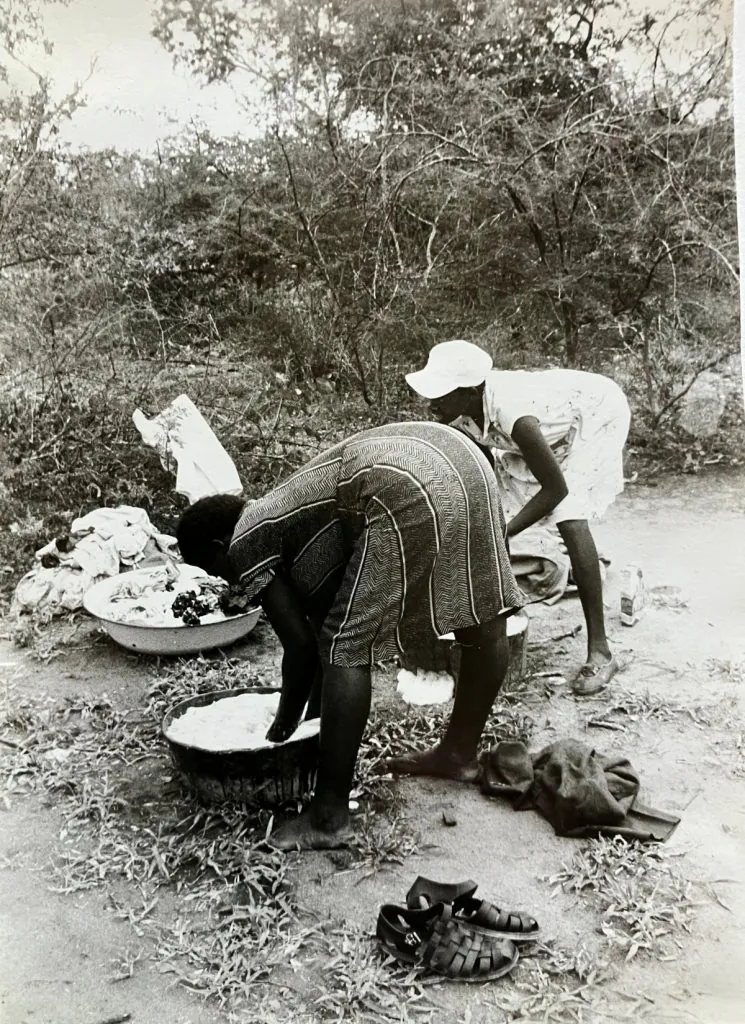
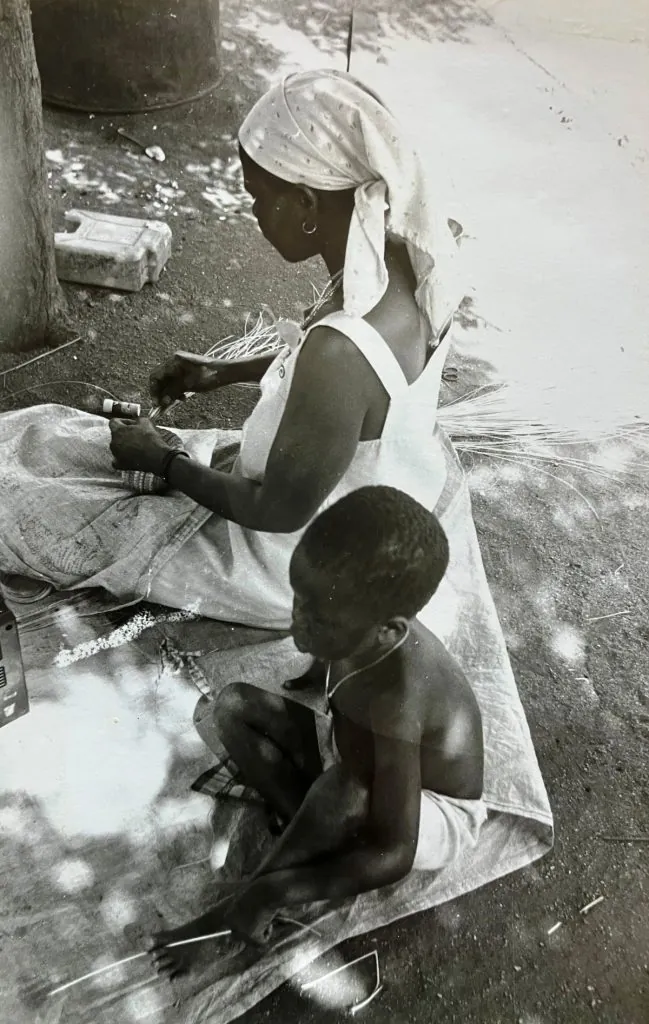
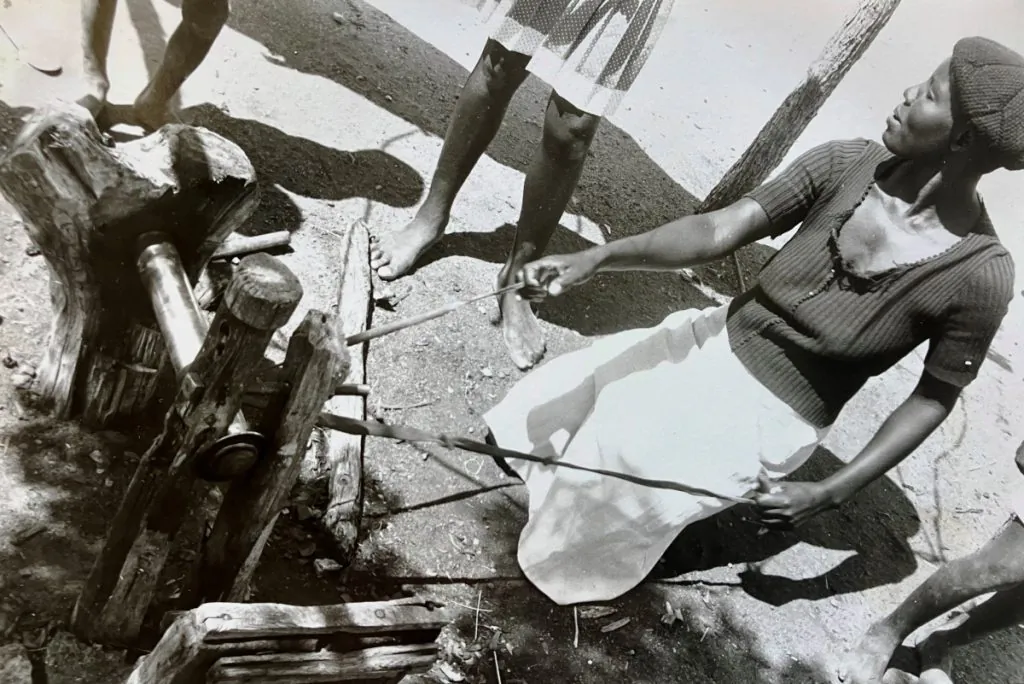
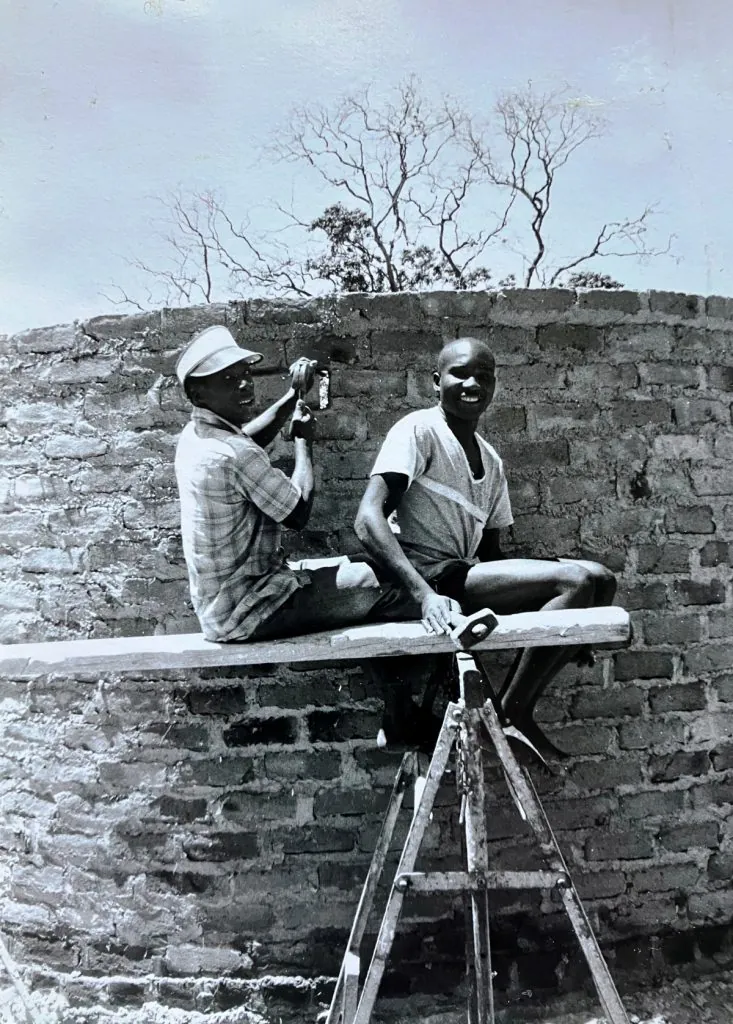
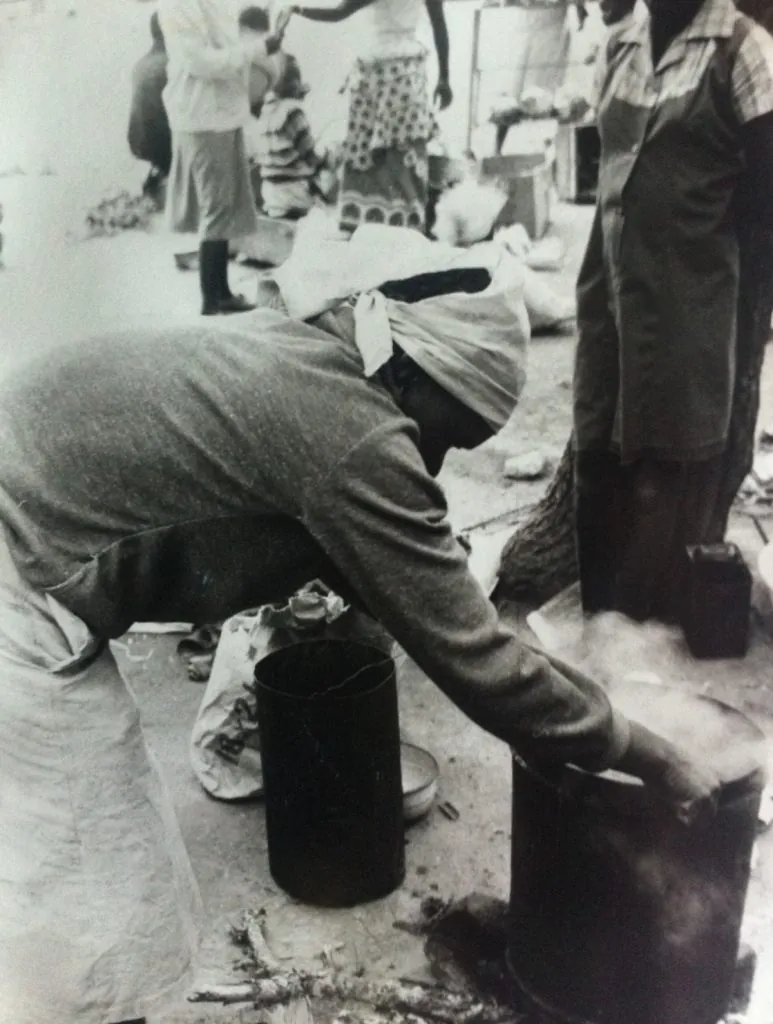
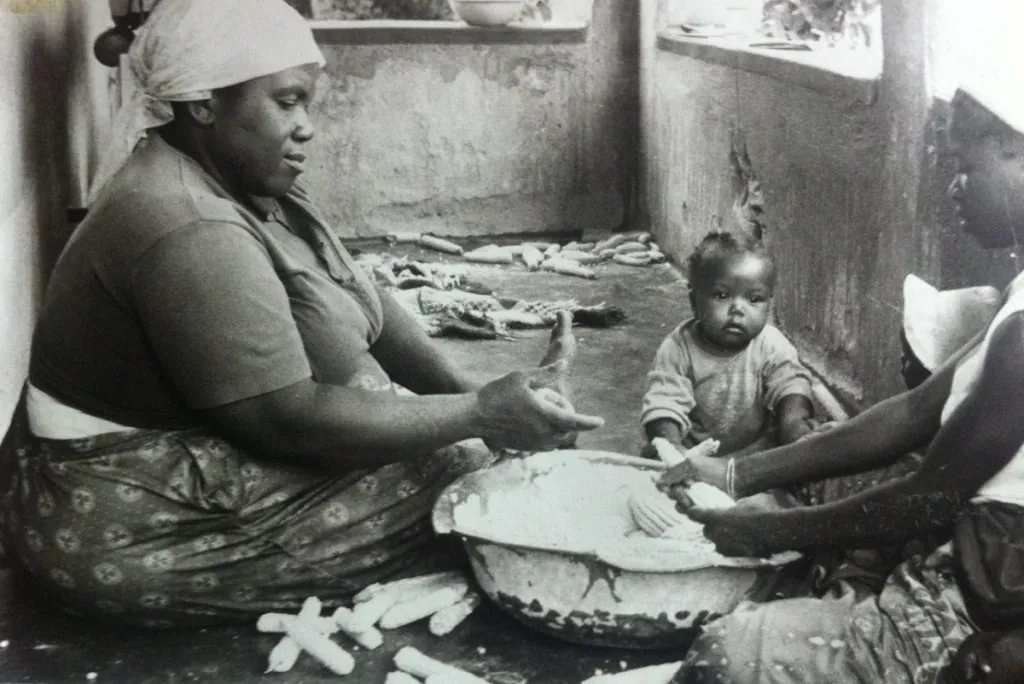
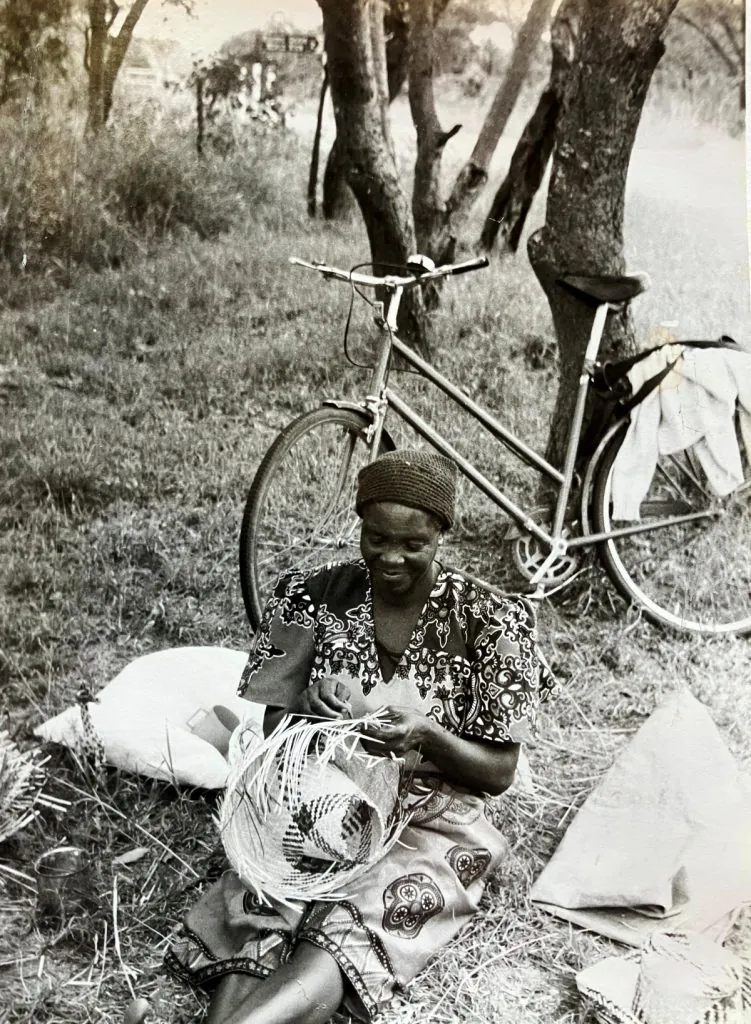
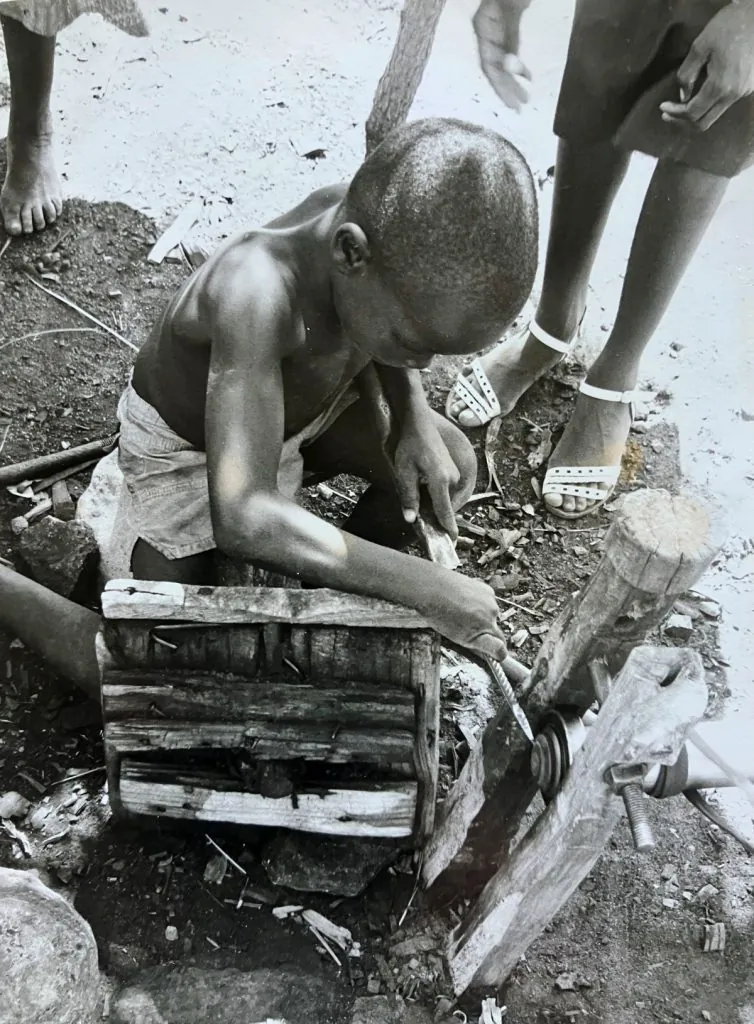
When what we had documented in southern Africa then came out to other people in Sweden, I felt how much it was needed. They were like before I went down: completely clueless when it came to the ordinary and simple life in Zimbabwe/southern Africa.
I had the privilege of giving lectures for eight months after school with some others from my class. With the help of grants, we were able to tell and show what we had experienced in the village, or town, in Zimbabwe/southern Africa.
A continuation of school and into people's questioning eyes and ears. It's wonderful to enlighten people. Especially about other customs and practices. We should get better at it, I immediately felt better about it after Färneboskolan.
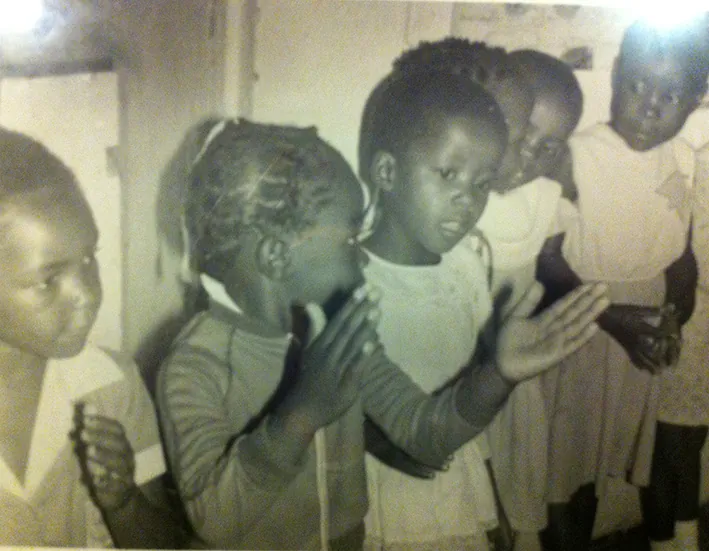
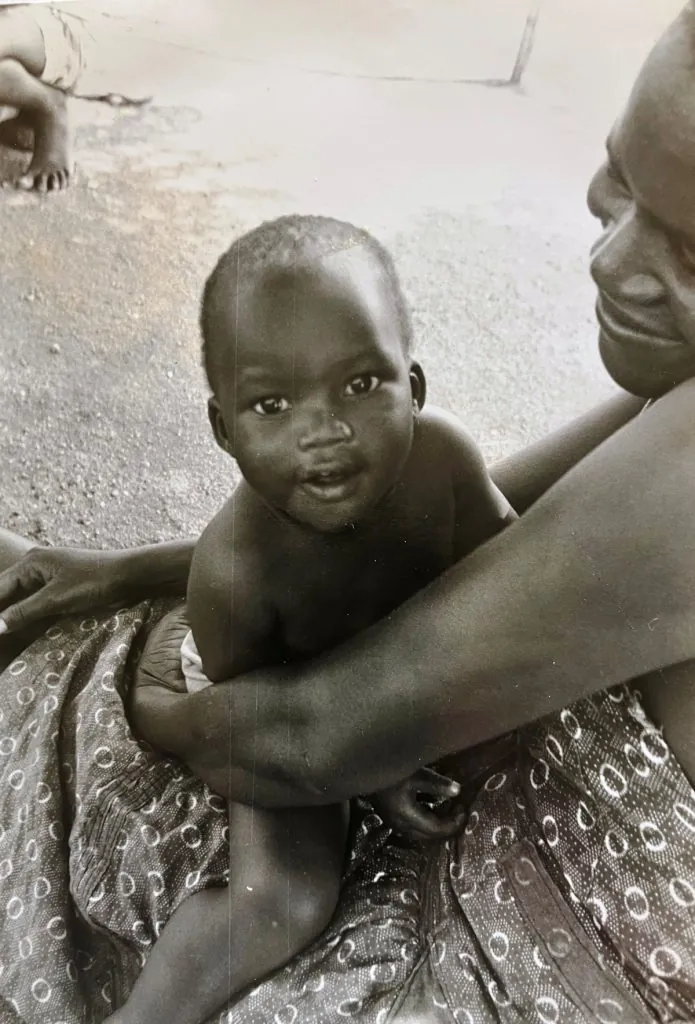
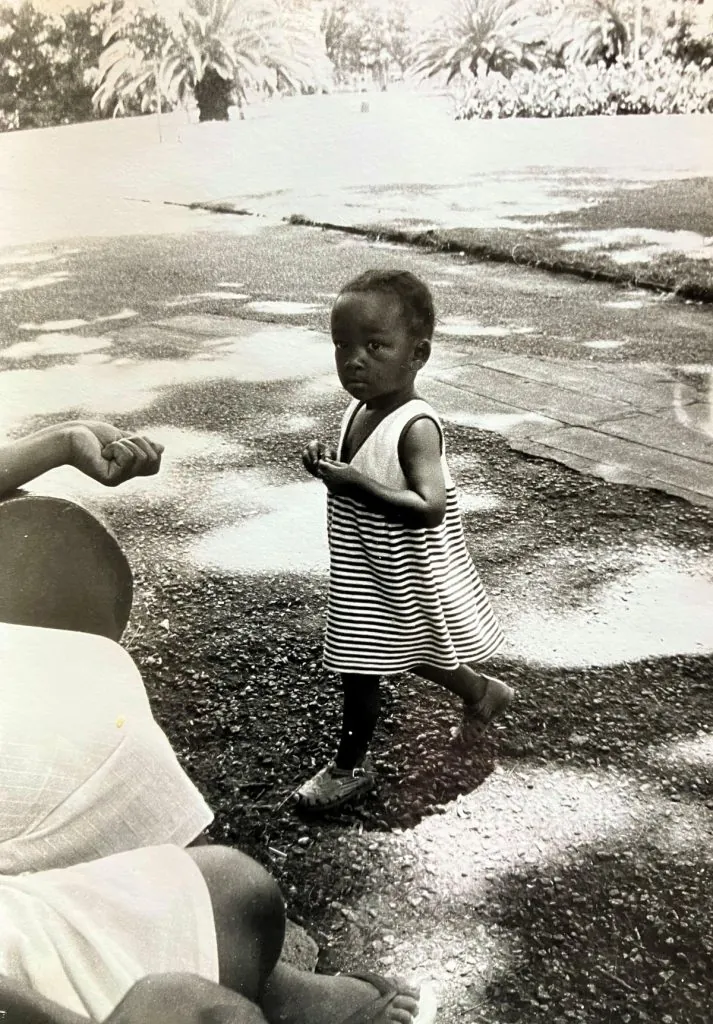
Do you have any special memories from your time at Färnebo that you would like to share?
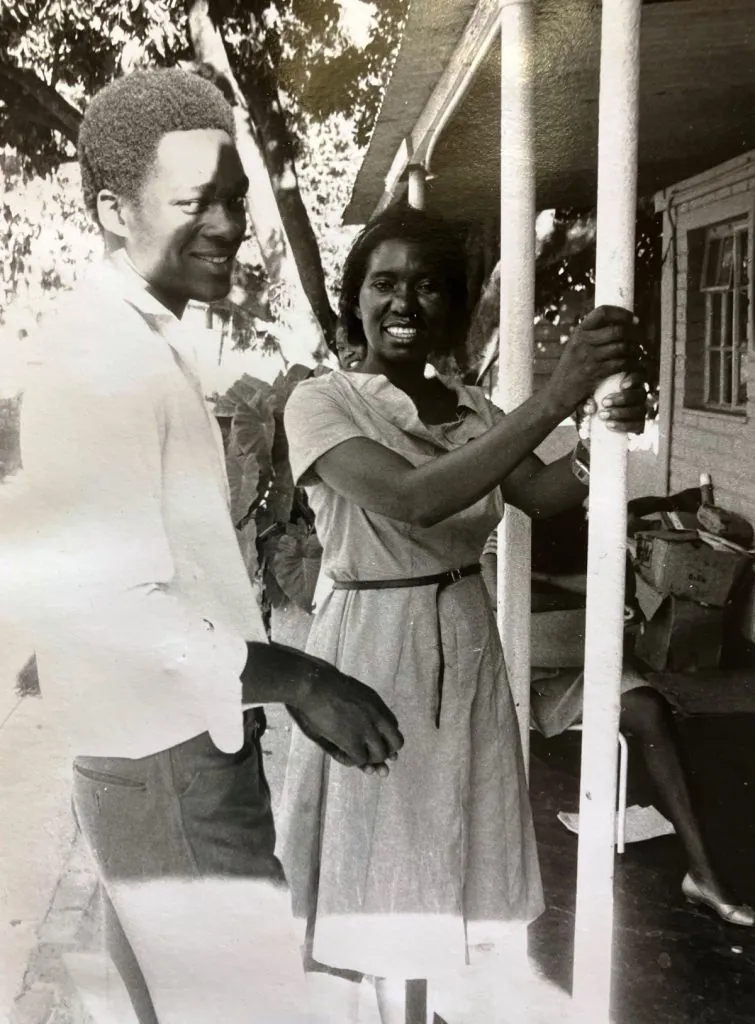
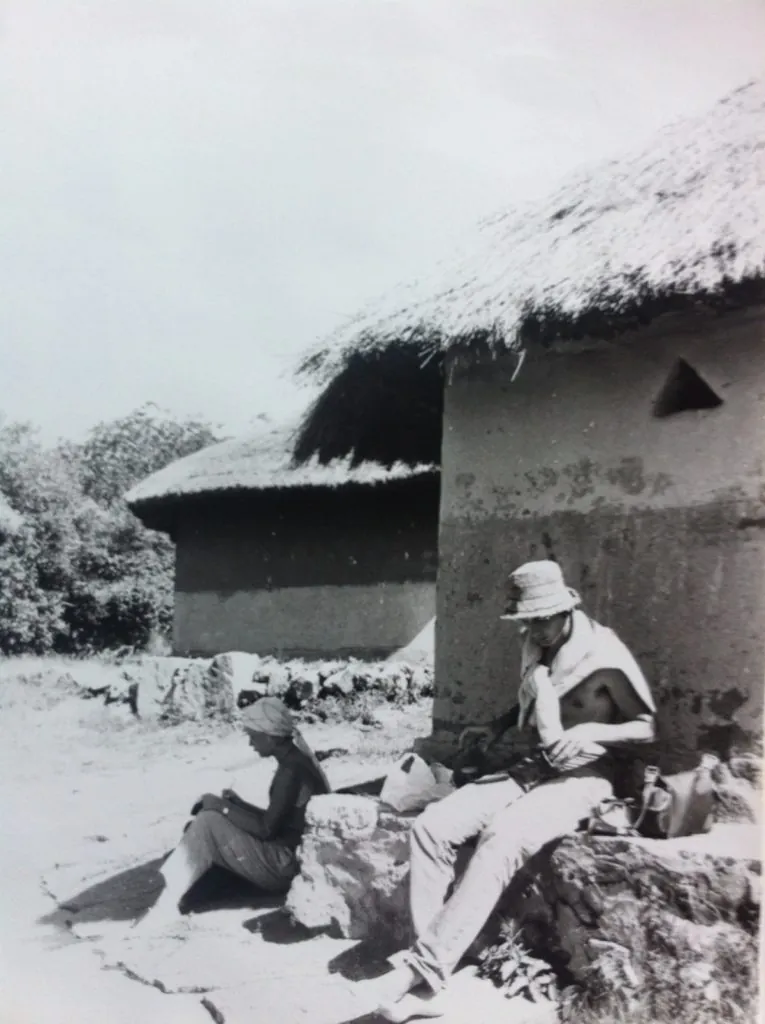
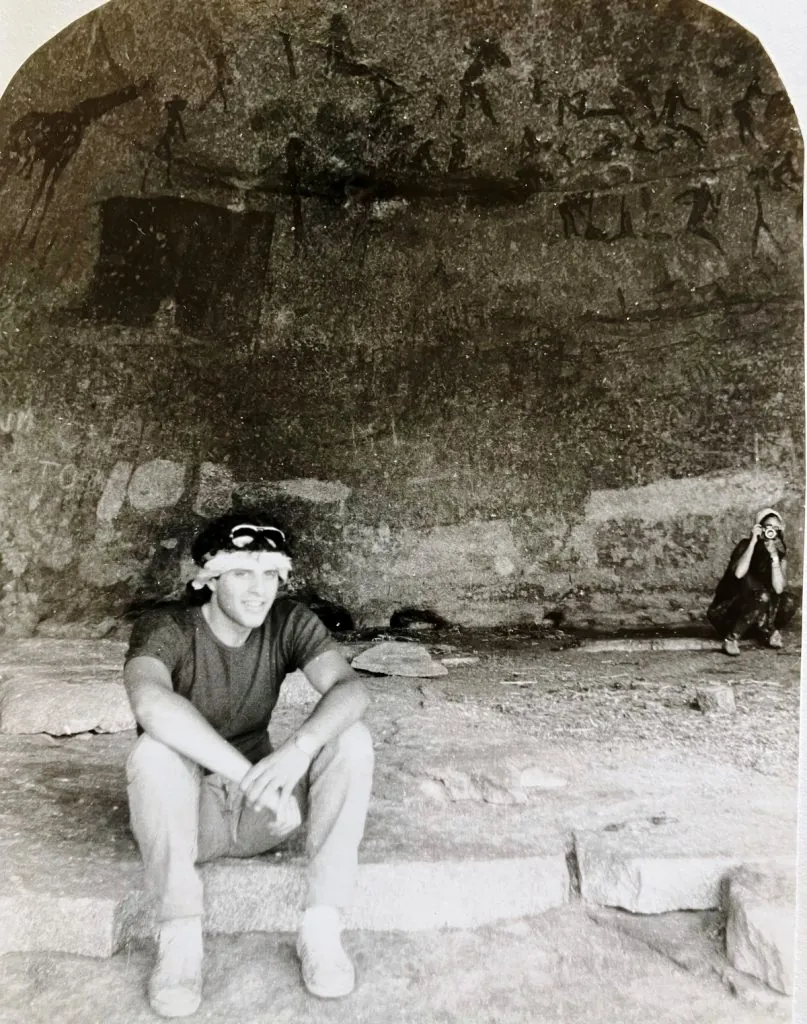
I was in northeastern Zimbabwe, on the border with Mozambique, in the village of Ruwangwe. For a month and a half we carried water and plowed fields. That is, my classmate (boy) plowed, and I (girl) fetched water together with Aunt Sara.
Every morning she would come to the family's stone house (otherwise there were mud huts in the rest of the village) and shout, "Christina, let's go." We would walk briskly to the stream a couple of kilometers away (it was still quite close, in other places they had to walk half a mile during the dry season) to get water.
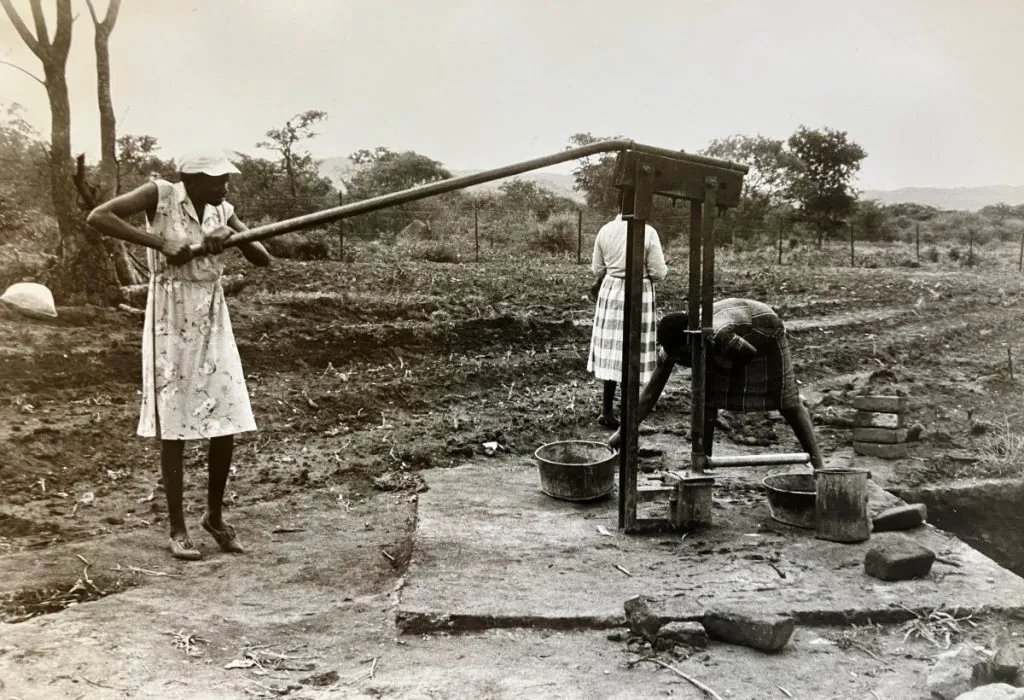
In a zinc bucket (their clay pot) on my head with very little water in my bucket/pot, we balanced home. She would teach me to carry water on my head. Something that a five-year-old managed gallantly with a full bucket/pot (I had seen). A bucket that was almost as big as themselves. A bucket that weighed and struggled. A bucket that was vital.
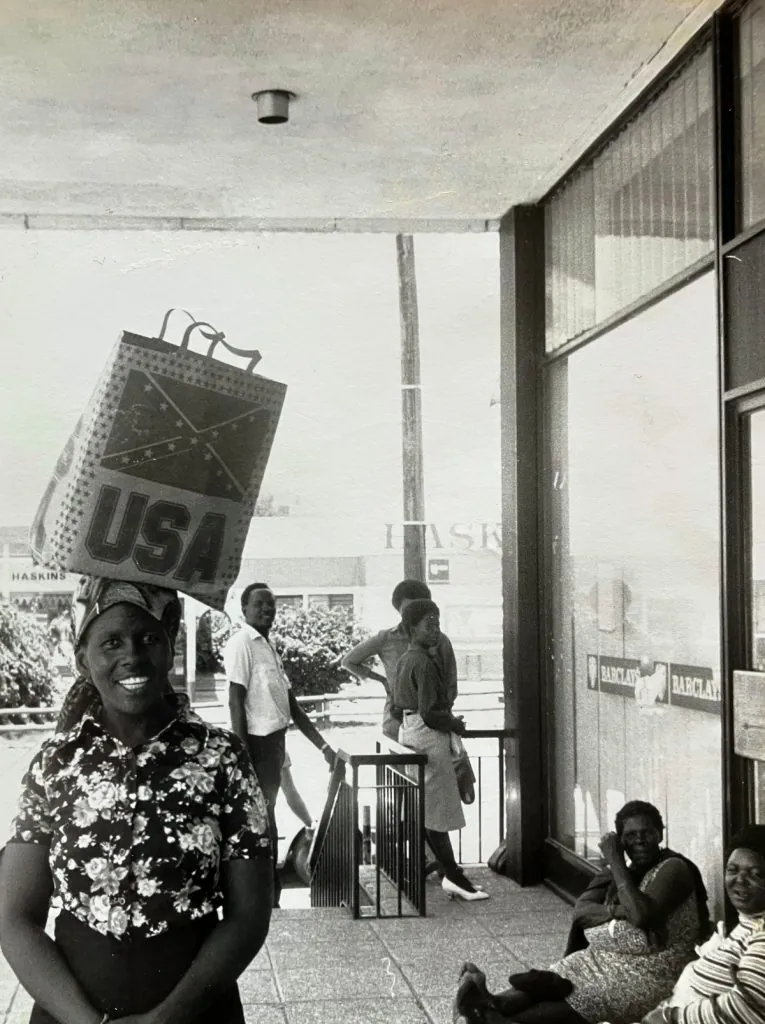
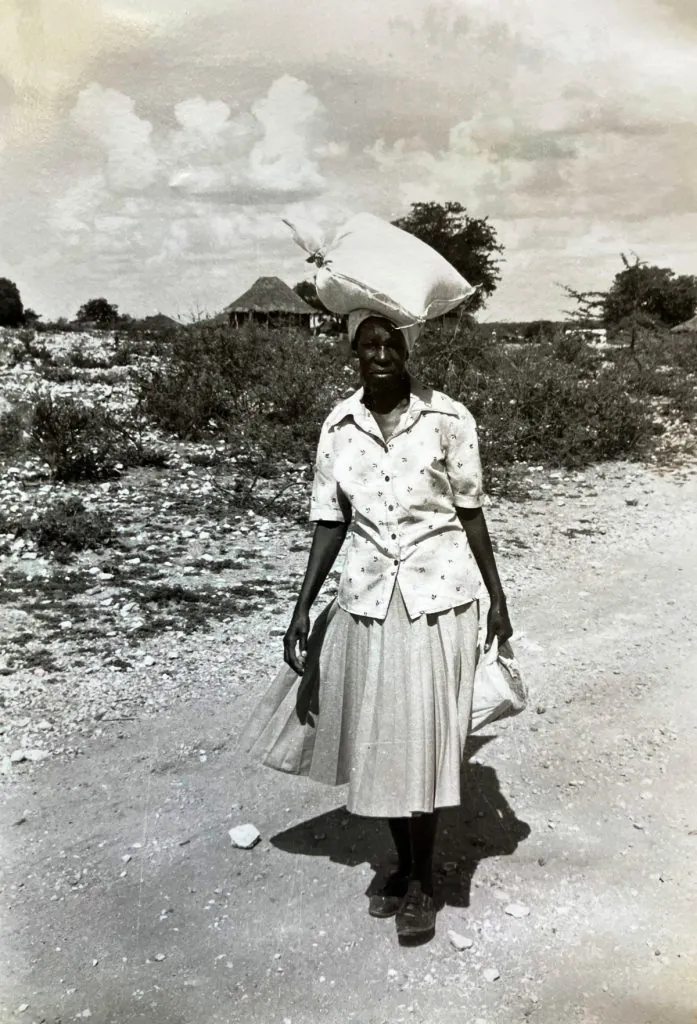
I had to hold the bucket with both hands (they usually only held it with one hand) and the little cotton ring on my head usually slipped down, and I had to be prepared to hold on. It wasn't as exotically beautiful as you might think (as I thought). It was pretty tough. A hard life, and I'm just talking about the water!
What was it like living and traveling with your classmates?
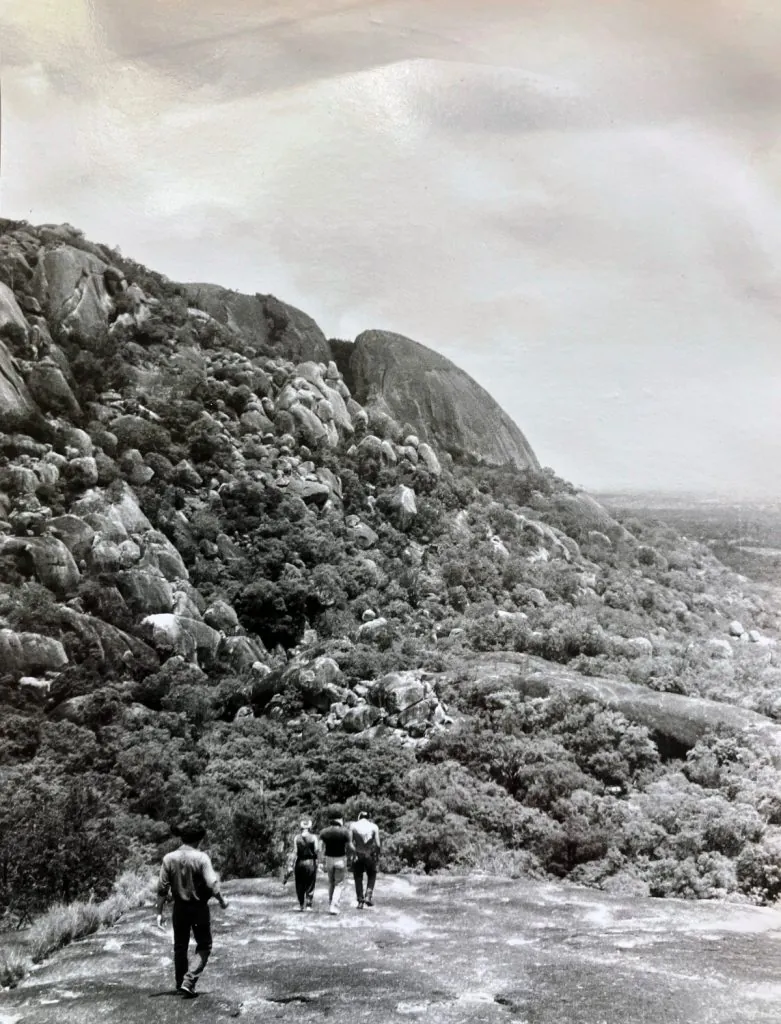
Fantastically educational! Sometimes hard. Everyone gets new sides that you get to know, are forced to face. You can't just run away from them when you're in Zimbabwe. Or what? Should you run to Zambia then? No, you're forced to deal with the difficult things on the spot. It's developing, but hard. Because you're in a new country with a new language and new smells.
What has Färnebo meant to you in your professional life?
A lot! My commitment to my writing and for me as a person has become so much more driving.
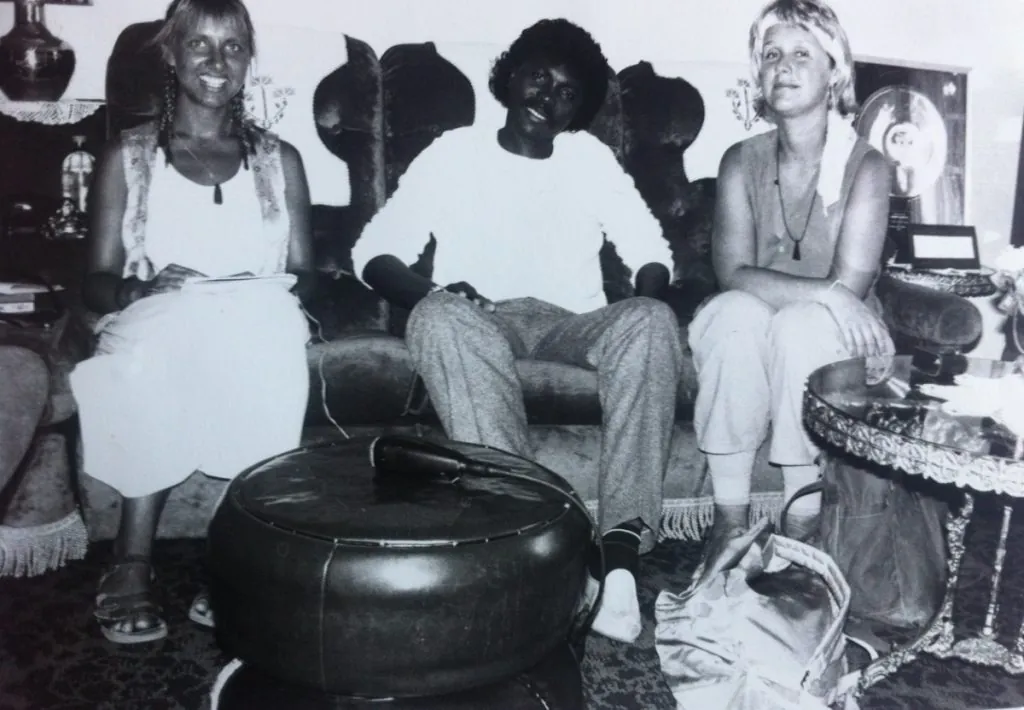
I learned there how to handle the tape recorder for radio reports. Interview people, and try to get close to the truth. I had all this in my luggage when I lectured about Zimbabwe/southern Africa and then as a freelance radio reporter. And now in my writing.
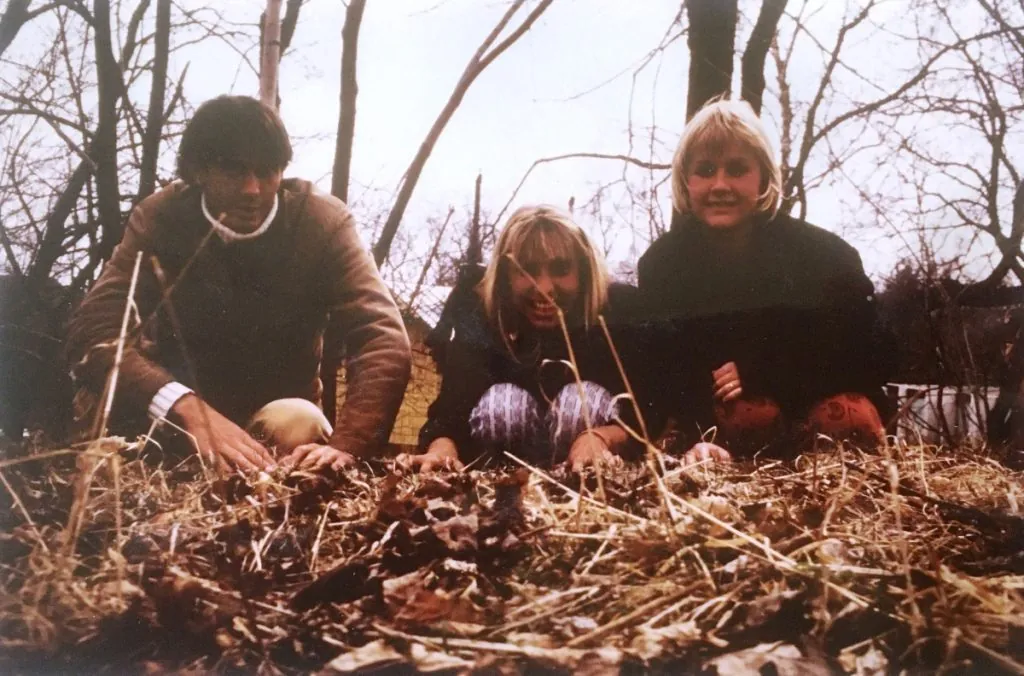
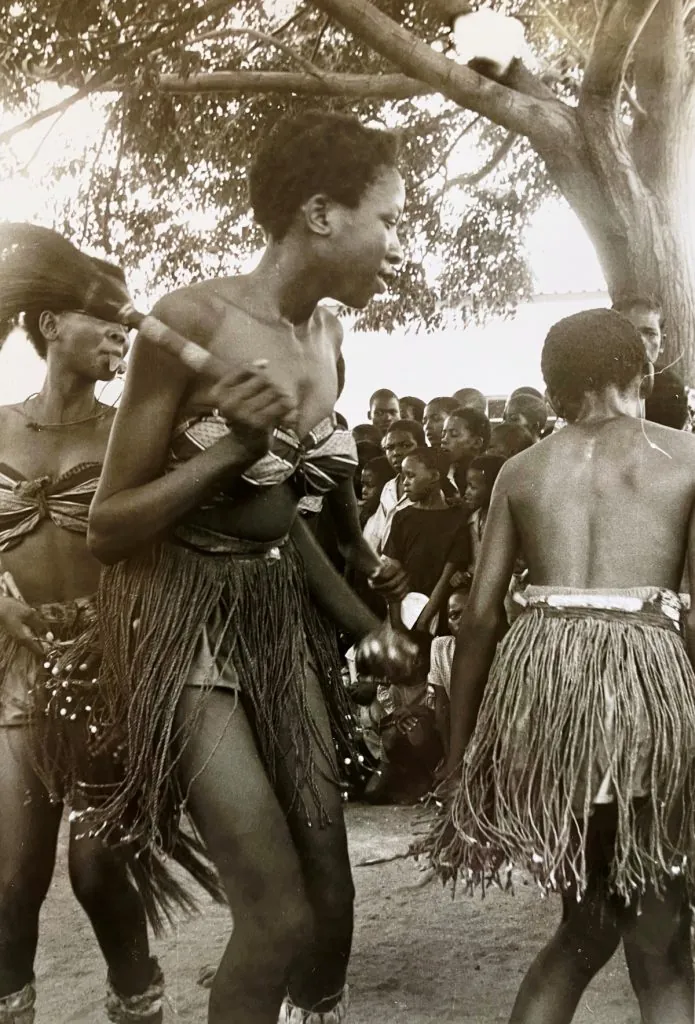
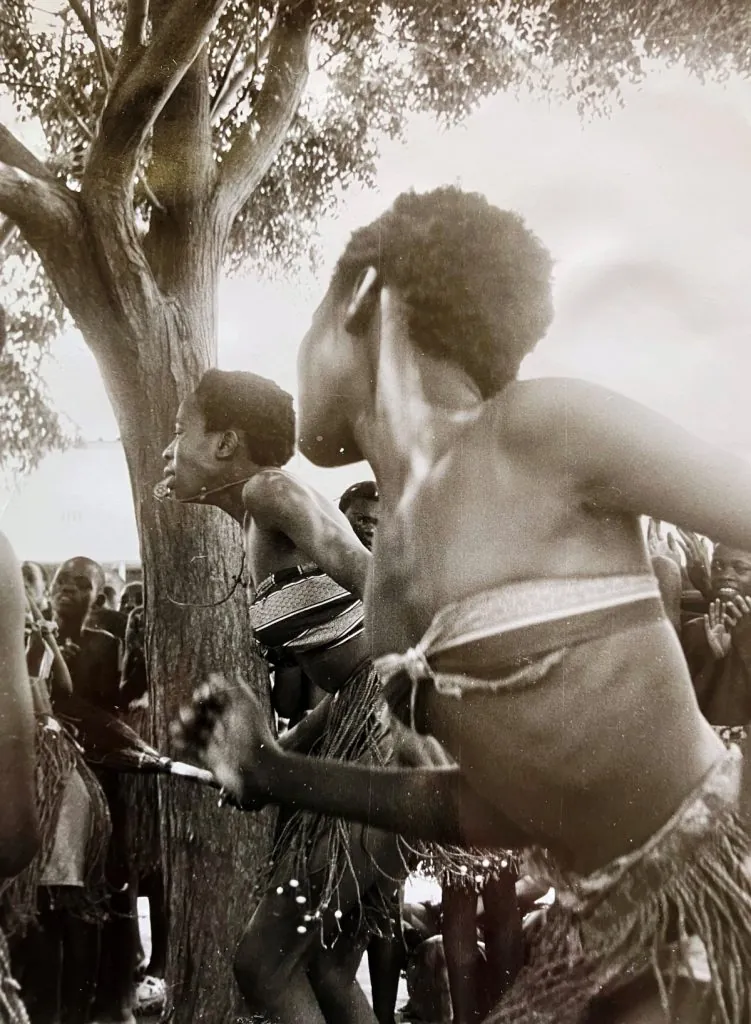
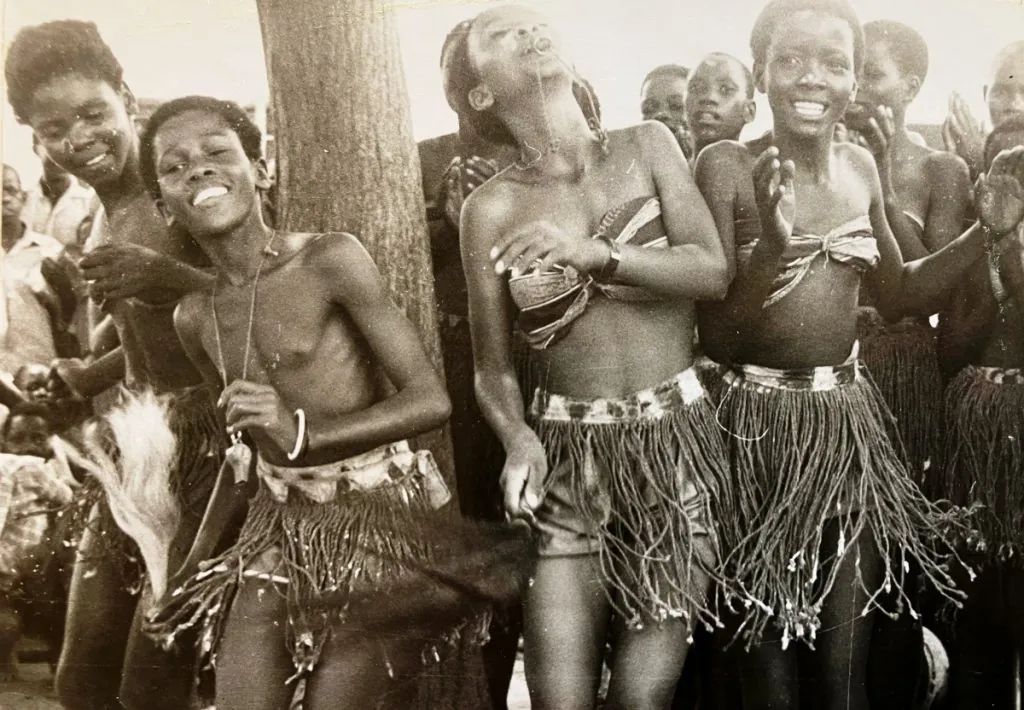
I also had the joy and great honor of working full-time for eight months after school ended, lecturing about Zimbabwe and southern Africa and how important it was that Färnebo became its own folk high school.
We performed this (there were four of us from the class) for schools and associations all over Sweden. Thanks to contributions from various sources, we were able to continue in the spirit of Färneboskolan and at the same time fight for the school to become its own folk high school. Very educational, important and exciting.
We always included some phrases, songs and sometimes a little theater so that those who listened would get a more intimate feeling.
We met so many people, schools and associations who had no knowledge of the simple and everyday life in Zimbabwe/South Africa. We therefore knew how important it was that the school existed and that it was worthy of becoming its own folk high school. We always included some phrases, songs and sometimes a little theater so that those who listened would get a closer feeling. A better picture of their life in the countryside. It gave an incredible amount. I felt that it was so valuable.
Both to try to inform about the people in Zimbabwe/southern Africa (as best as we could) and to beat the drum for Färnebo to become its own folk high school. We received an incredibly positive response. And being able to do this for eight months full-time was worth its weight in gold. Thank you to the school and those who gave us contributions (SIDA, a folk high school in Linköping, Färnebo and other wonderful souls)!
What has Färnebo meant to you in your private life?
A lot (again)! After the course I joined the choir Opposite (who sang African among other things) in Linköping, Africa Group in Linköping. Later Linköping against racism, Harambee (Sweden/Africa/Cultural Association) in Linköping. The course opened my eyes. It sounds cliché, but it's true.
What would you say to someone who is thinking about starting school now?
With one of Färnebo Folk High School's courses, you really have good things on your journey through life. You learn in both body and soul. You get to satisfy your curiosity, and you learn more about yourself and others. Hopefully! A few sentences from me for those of you who are thinking about starting school:
Färneboskolan Zimbabwe/South Africa in my heart.
Folk high schools teach you how to ride a bike.
And the little ones get bigger.




 English (UK)
  Svenska
Anna says:
Fun to read, I attended Skurup's traveling folk high school, the West Africa course in 1980, which shaped my life with commitment, book writing and a trip to Africa every year.
April 26, 2026 - 20:00