
Text and photo: Jonathan Gharbi de Maré
You might not think of wine first when talking about Kosovo, but the country is very well situated in terms of climate and there is expertise close at hand from the old wine countries nearby. I visit the Rahovec wine district but also explore the beer culture and stroll around the capital Pristina and Kosovo.
 Tweet
Tweet Share
Share Share
Share Pin
Pin Share
Share Share
ShareTable of contents
A new destination in the Balkans
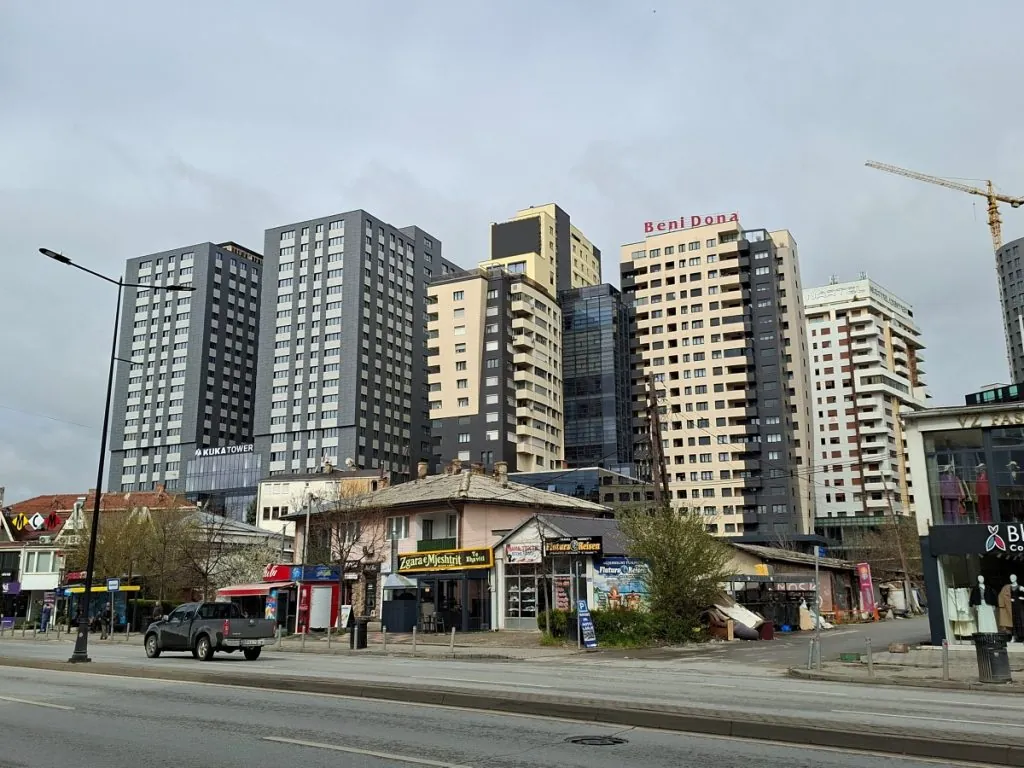
This small country has developed rapidly, even though memories of conflict and unrest are only a decade or so away. If you are planning a trip to the Balkans, Kosovo should definitely be on your list.
It is popular to do tours in the Balkans and there are many tour operators that organize tours to two or three countries but Kosovo is rarely included. Kosovo is perhaps the cheapest country in the Balkans and the people are welcoming so there is no argument not to visit.
A little about the history of Kosovo
Sweden is one of around a hundred countries that recognized Kosovo as a nation when it declared its independence from Serbia in 2008. Kosovo is largely populated by the Albanian ethnic group and the country has strong ties to Albania.
The Serbian minority lives mainly north of Mitrovica but makes up a small part of the country's 1.6 million inhabitants. There are occasional protests and demonstrations, which you should be aware of if you plan to travel through the Serb-dominated areas.
Many statues and monuments can be seen after the war that lasted in the country from 1998 to 1999. The war ended with NATO carrying out a bombing campaign against the Serbian forces led by Slobodan Milošević. This forced them to surrender and after the conflict ended, peacekeeping troops were deployed in the country.
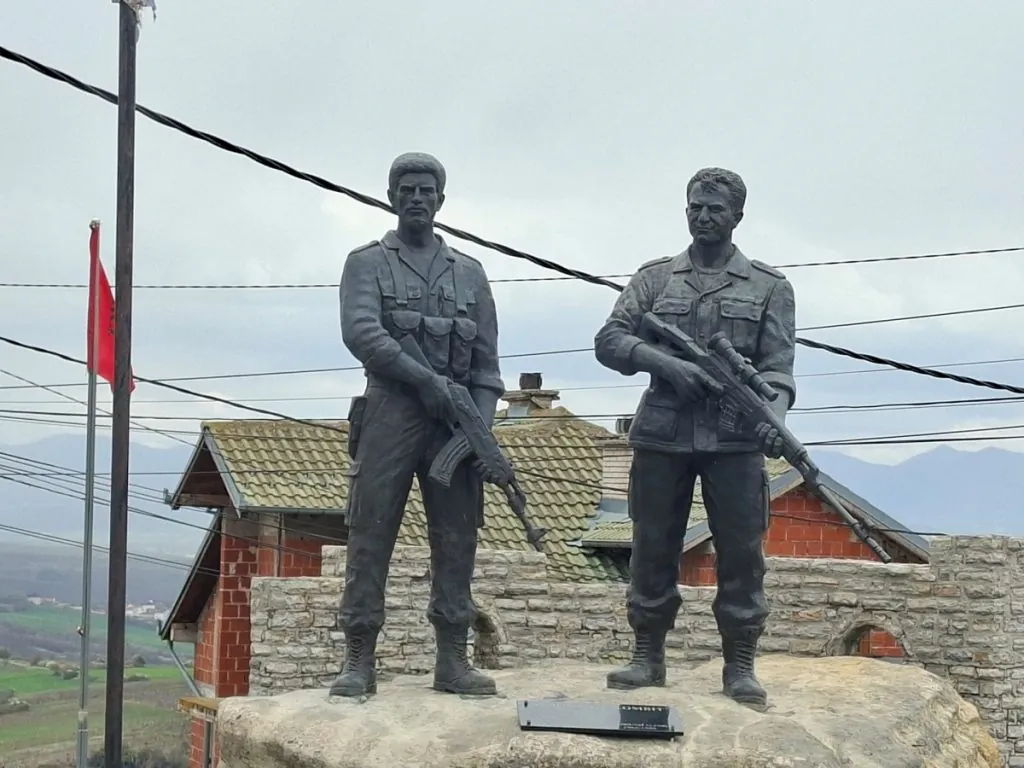
It is also the reason why a street was renamed Bill Clinton Boulevard, as he was the American president who decided to intervene and end the war between Serbia and the UCK guerrillas. NATO's peacekeeping force KFOR has been in Kosovo since 1999, where Swedish soldiers were part of the force until 2013.

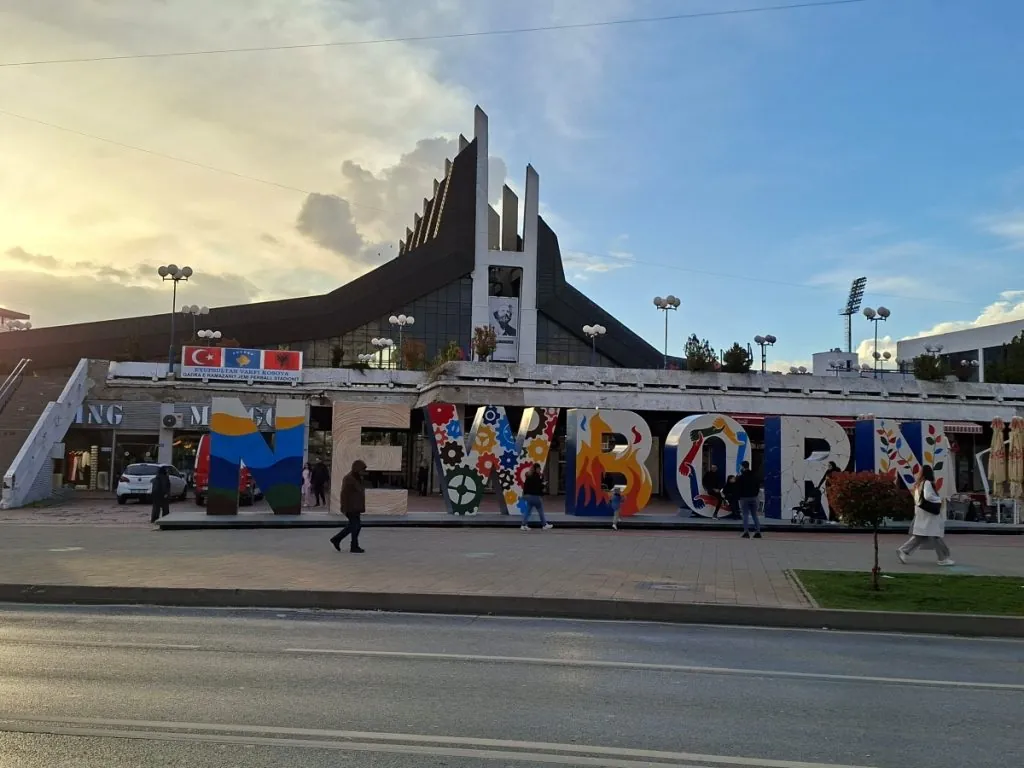
However, the country has developed rapidly in recent years and the economy has been boosted by many returning Kosovars who have started businesses in the country. Around 700,000 have emigrated to other European countries but some are now starting to return. The economy is driven by everything from tech companies to small-scale agriculture, including a lot of vineyards. Kosovo applied to become a member of the EU in 2022 and receives a lot of financial support for various projects.
Visiting Kosovo
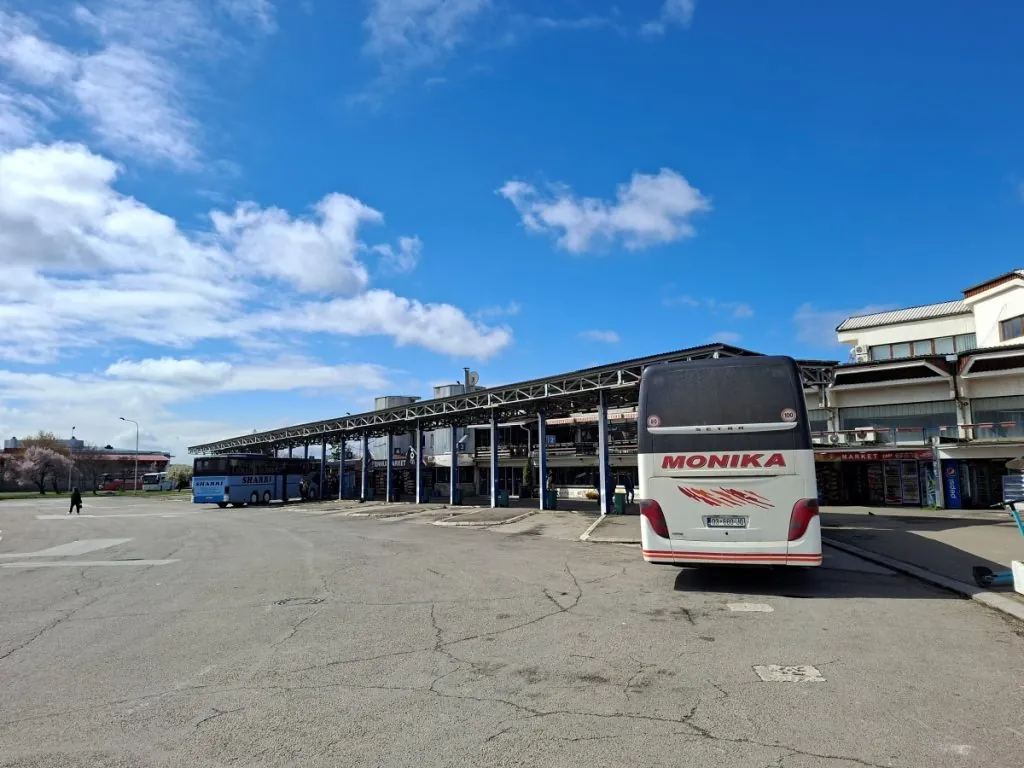
The country is about the same size as Skellefteå municipality, about 10,000 square kilometers and there are many newly built highways so it is easy to get around by car. Flying to Pristina is possible but it is much cheaper to travel to Skopje and then take a two-hour minibus to Pristina.

The trip costs around 80 kronor and there are around 10 departures per day. Tickets can be purchased online or at the bus station in Skopje. I bought the return ticket at the bus station in Pristina an hour before departure.
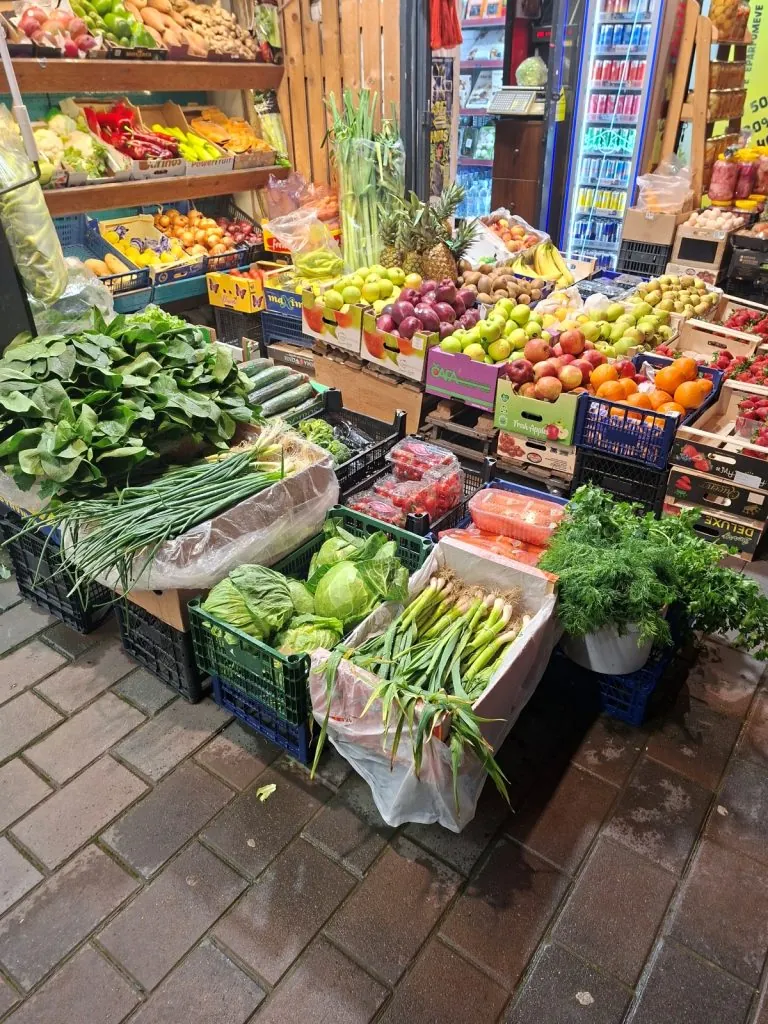
The big advantage of visiting Kosovo is that the people are nice and that everything from accommodation to food and drink is cheap. For around 500 kronor a night you can get a good hotel with breakfast. Most of the big hotel chains have hotels in Pristina and for under two thousand you can stay in a five-star hotel.
Beer, coffee and wine are of course very affordable and expect around five euros for a drink and two or three for a beer, a double espresso with a little milk around two euros. Public transport works well in Pristina and you can plan it via Google maps, a bus ticket costs half a euro.
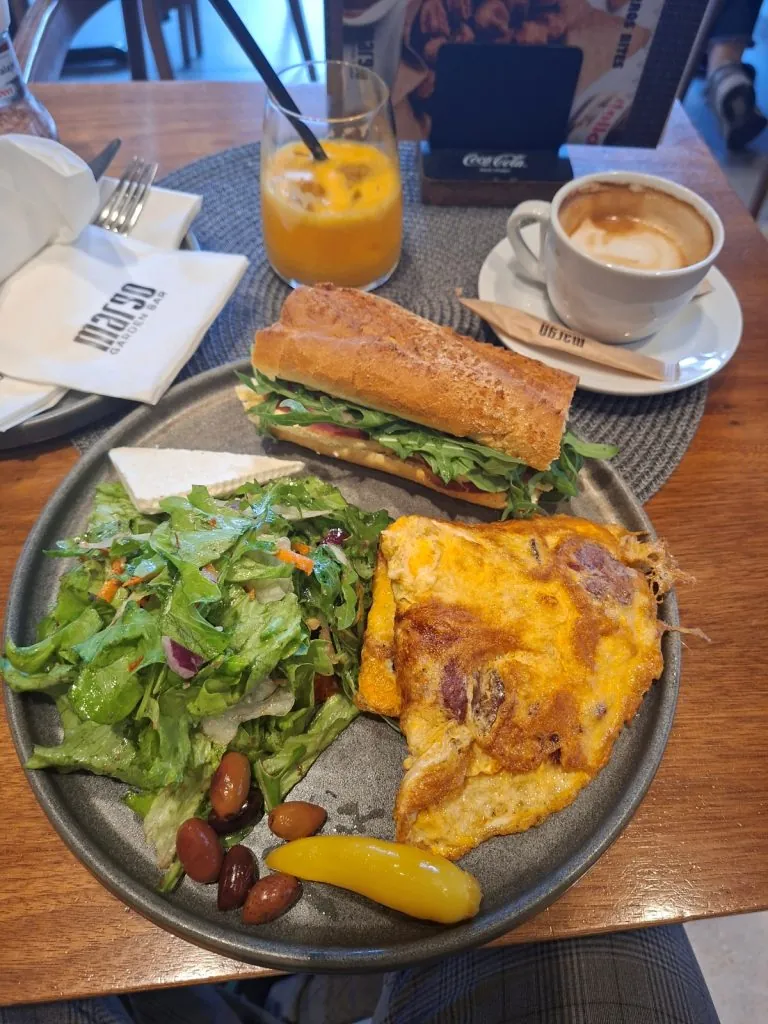
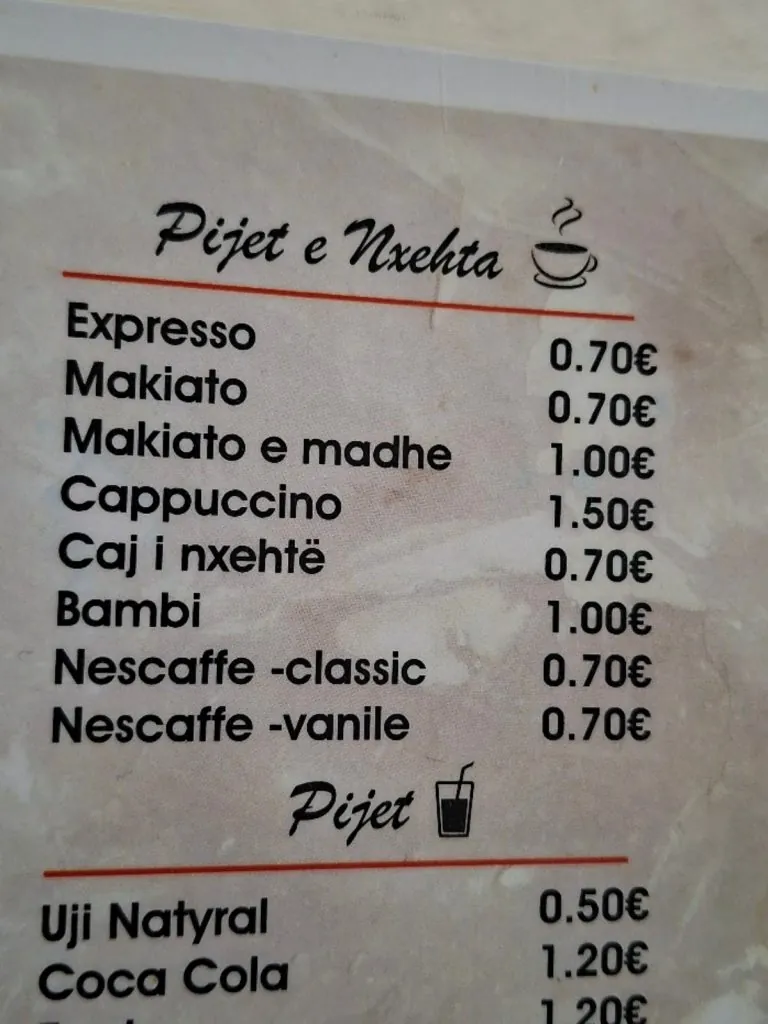
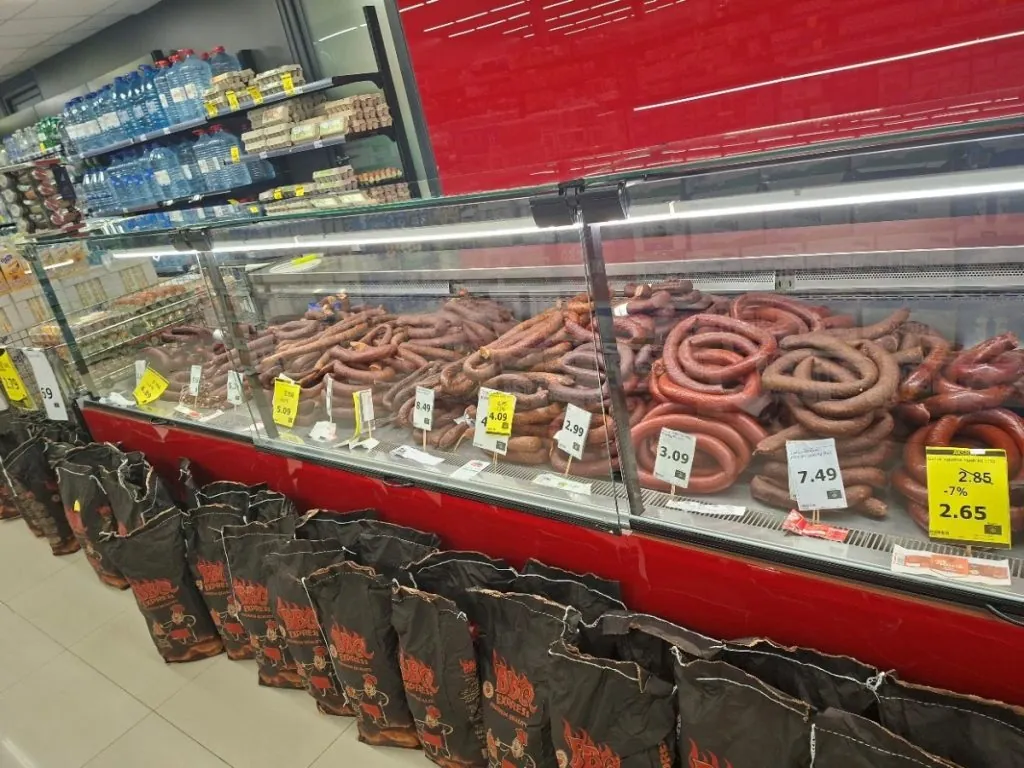
Practical information before traveling to Kosovo
The currency used is the euro and most places take cards but cash is still common. As an EU citizen you are visa-free for 90 days and all you need is a passport or national ID card that is valid for at least three months after departure.
Traveling from Kosovo to Serbia by land can be tricky as Serbia does not recognize Kosovo. Sometimes it goes smoothly but it can also take time at the border. If you travel by bus from Skopje, the border crossing usually takes about 15 minutes.
Most people are secular Muslims in the country, but there are also Christian minorities. When it comes to alcohol, it's just like in Albania, there's a pretty good party scene and most restaurants serve beer and wine as well as fruit-based spirits, rakija which is the local specialty.
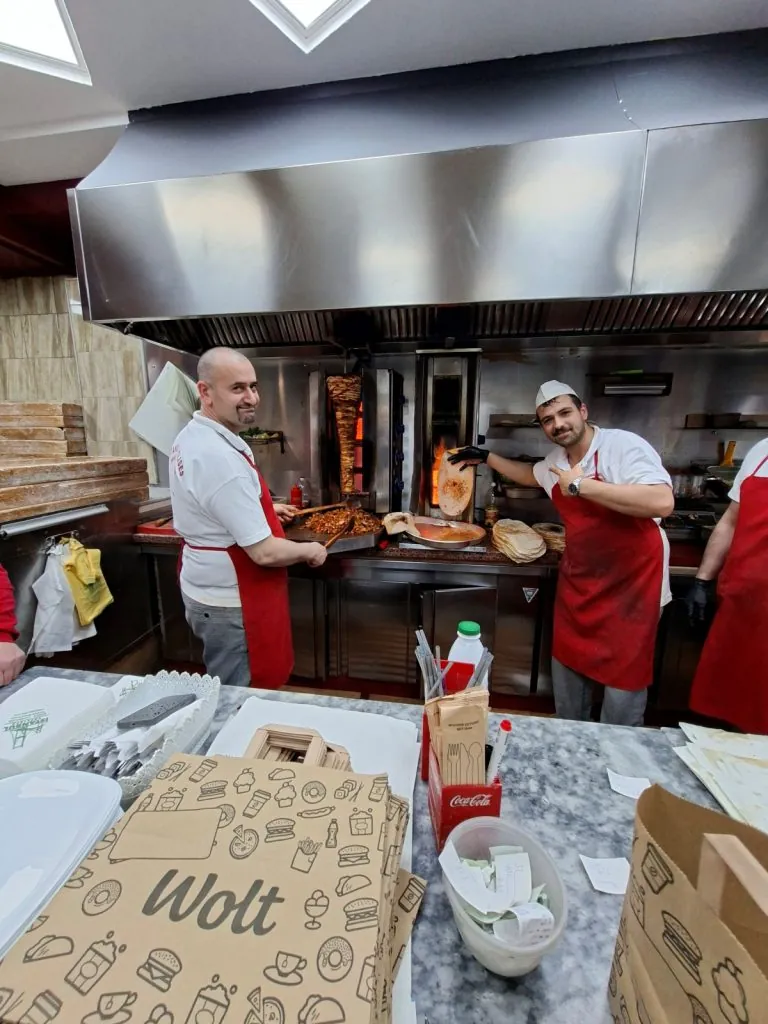
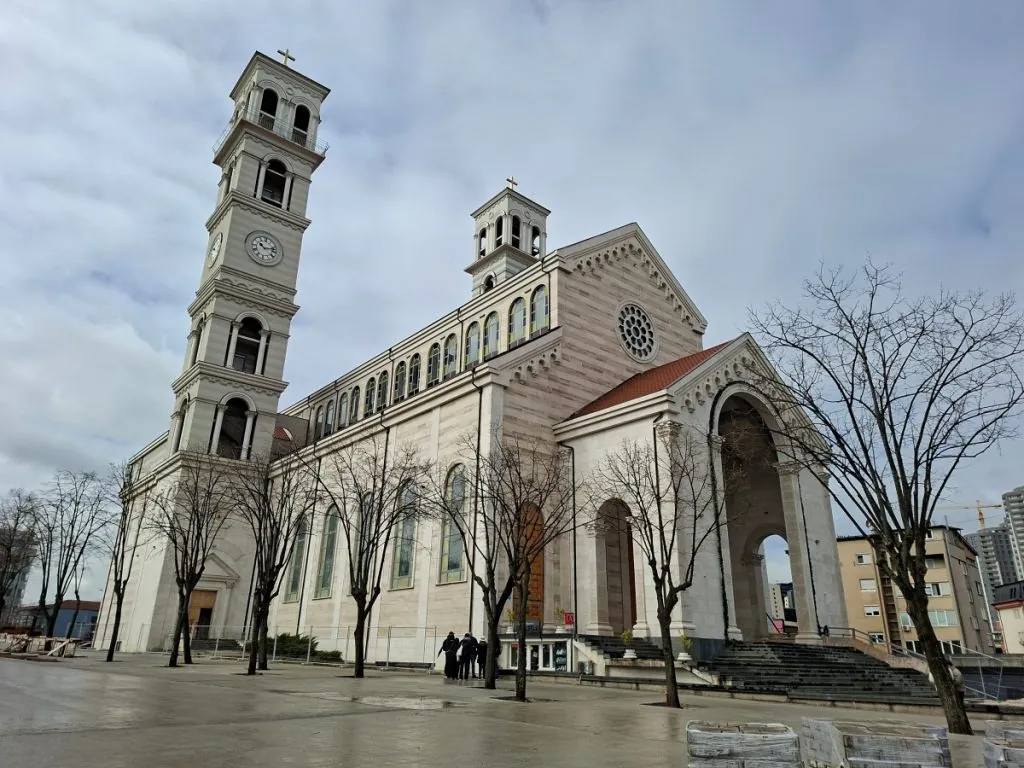
Visiting the Rahovec wine region
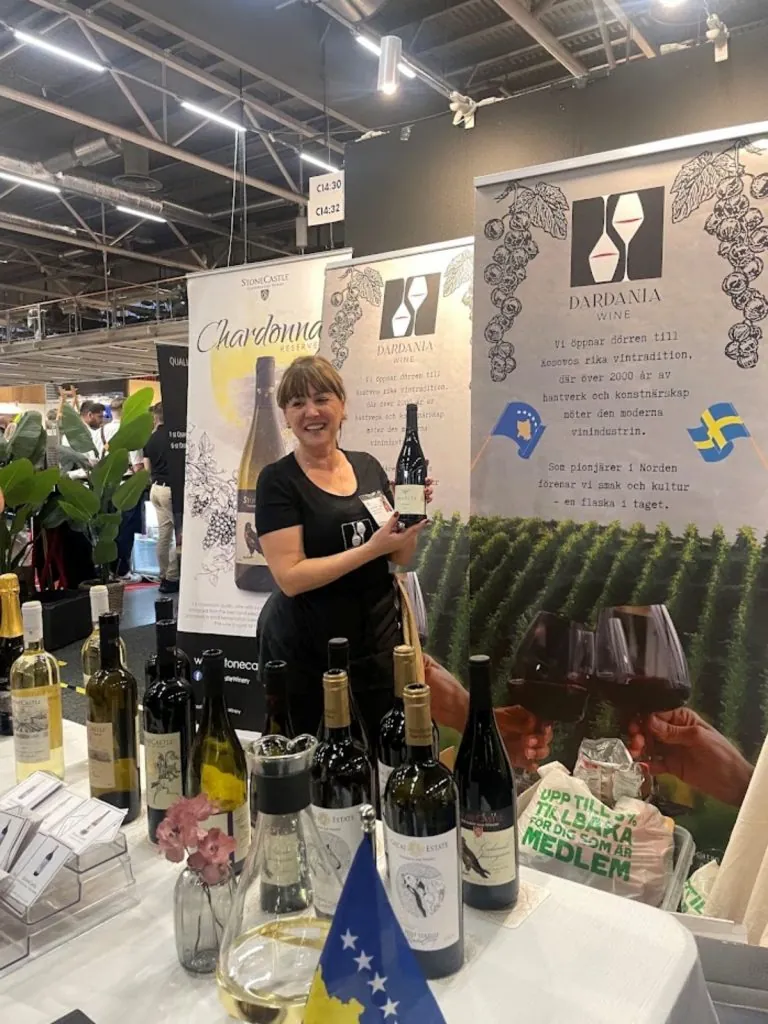
Despite the country's small size, wine is grown on about 3,400 hectares and there are about 30 winemakers in the country. The first time I came into contact with wine from Kosovo was in Stockholm at the Älvsjömässan fair where I got to taste wine from the Swedish importer Dardania wine. They were good wines but it was surprising that the wine culture was relatively widespread in Kosovo.
It takes around 40 minutes to drive from Pristina to Rahovec, a small town surrounded by hills and vineyards. Rahovec is not the only wine region in the country, but it is the most famous and you can see many vineyards along the roads. Several wineries have their vineyards there and the area is called everything from Kosovo's Napa Valley to Kosovo's Tuscany, depending on who you ask.
The more famous grapes grown are Pinot Noir, Chardonnay and Riesling and the most common local grapes are Vranac and Prokupac which are common in the Balkans. It seems that the local wines are popular and are sold both at home and for export. The wine culture in the Balkans has developed well in the last 40 years and in Kosovo it was only around the millennium that things started to happen.
Visit to Sentona Winery
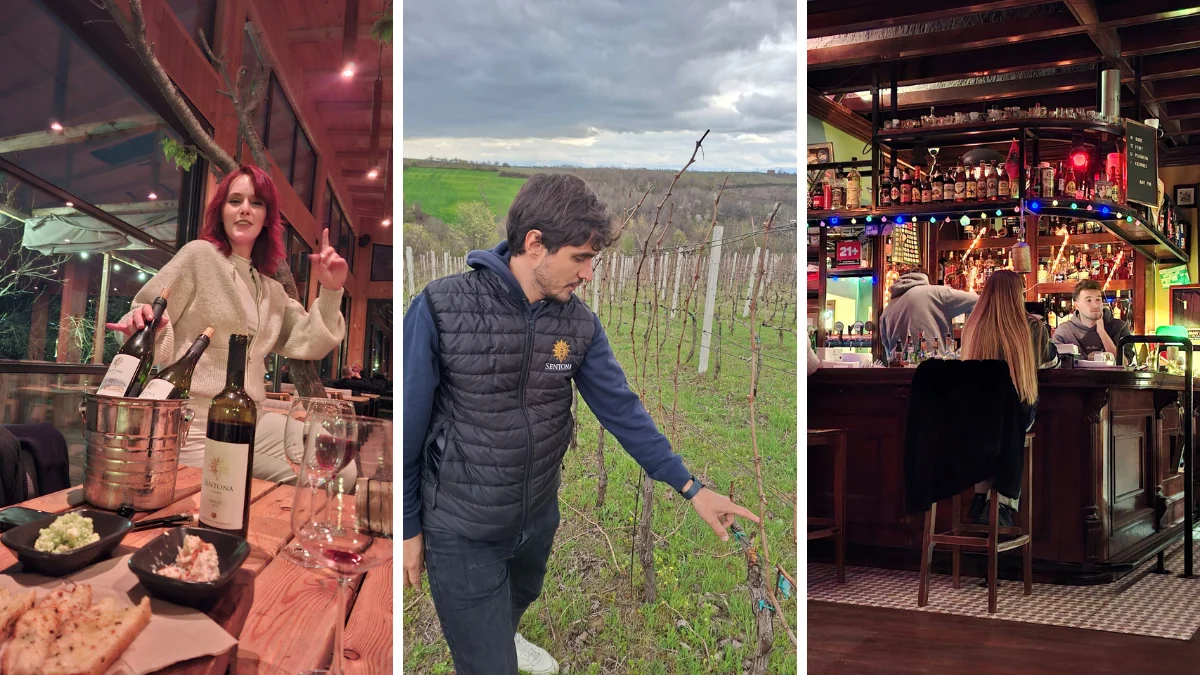
I meet Taurik Kastrati, CEO of Sentona winery, a relatively new winery. Sentona received development support in the beginning and advice from experienced winegrowers, which has contributed to the winery's success today. Taurik himself has an international background and speaks good English, an example of many who have returned to Kosovo to build a business.
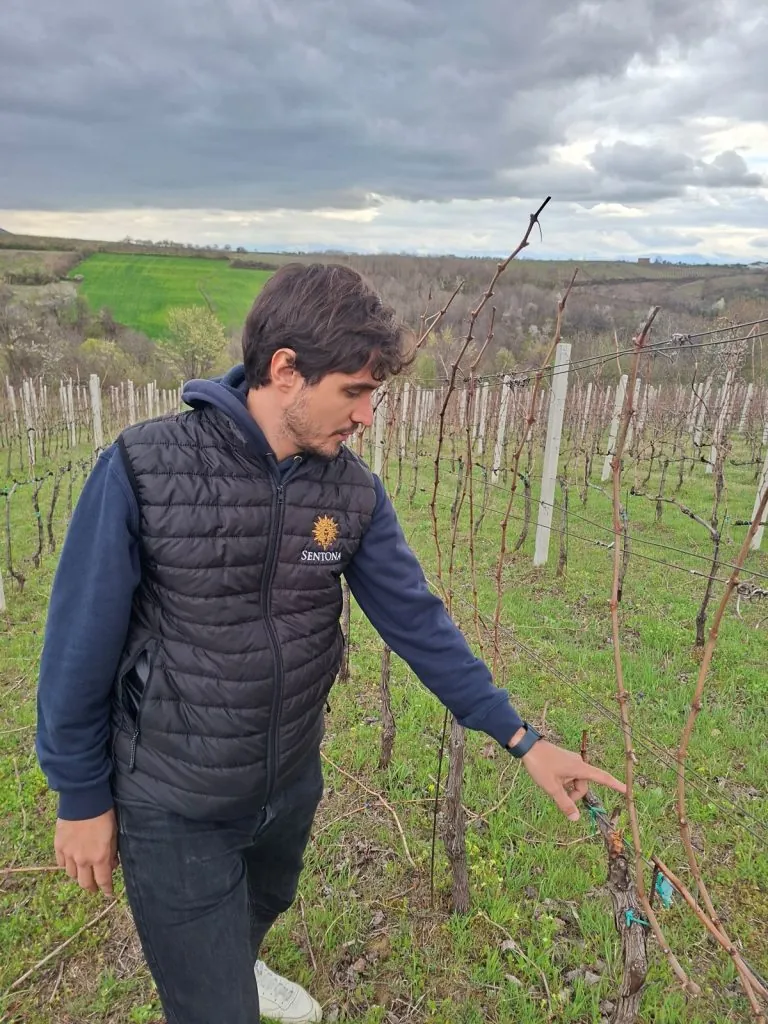
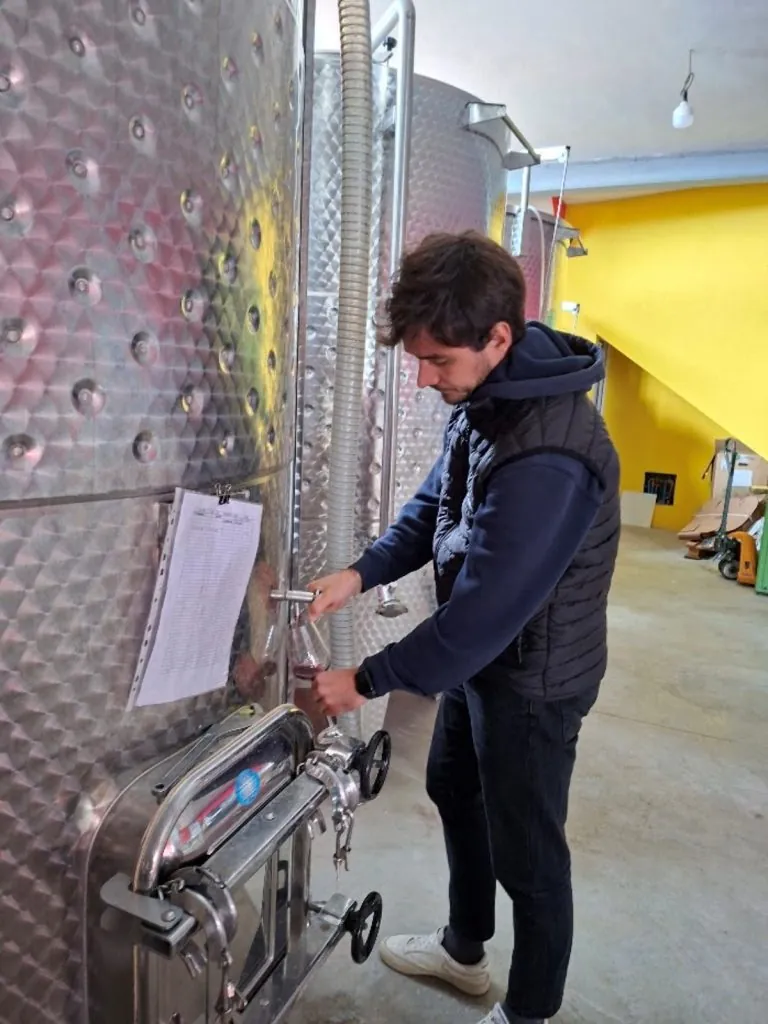
Their vineyard is located on a hillside in Rahovec, but they also have plans to expand with more vineyards a little closer to Pristina, which will be easier to visit for tourists and wine enthusiasts who want to try the wines on site among the vineyards. Sentona's wines can currently be tasted at any of the city's restaurants or shops. To try their wines, visit the trendy restaurant Edhe, which is located on a hill with a beautiful view of the city.
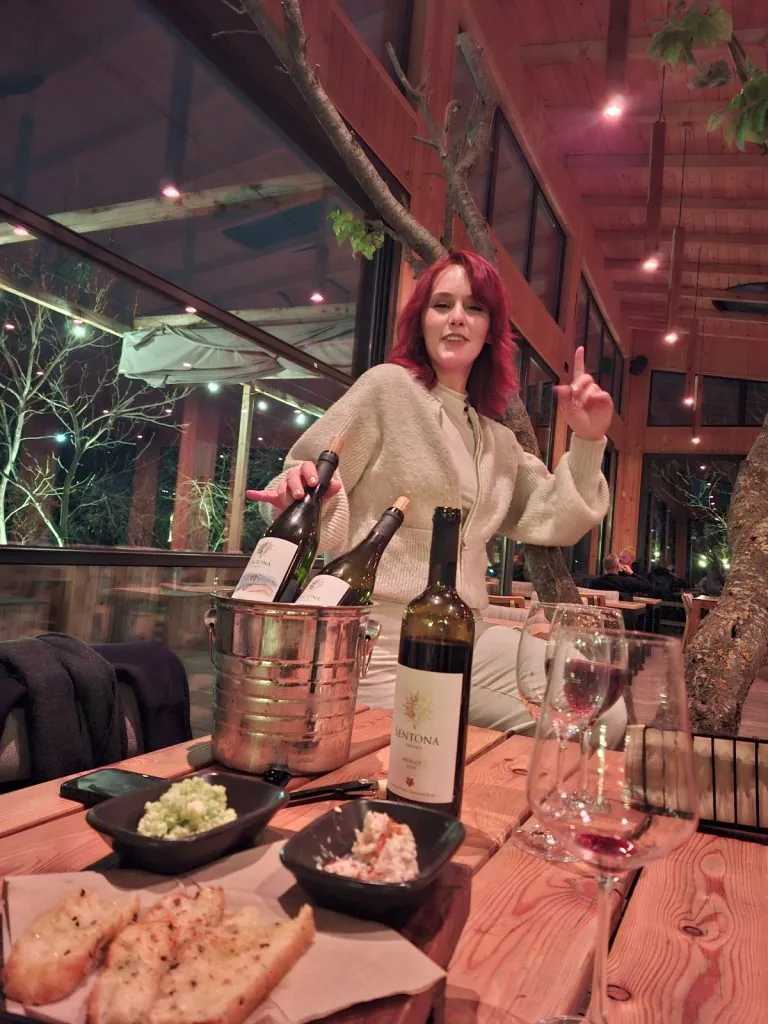
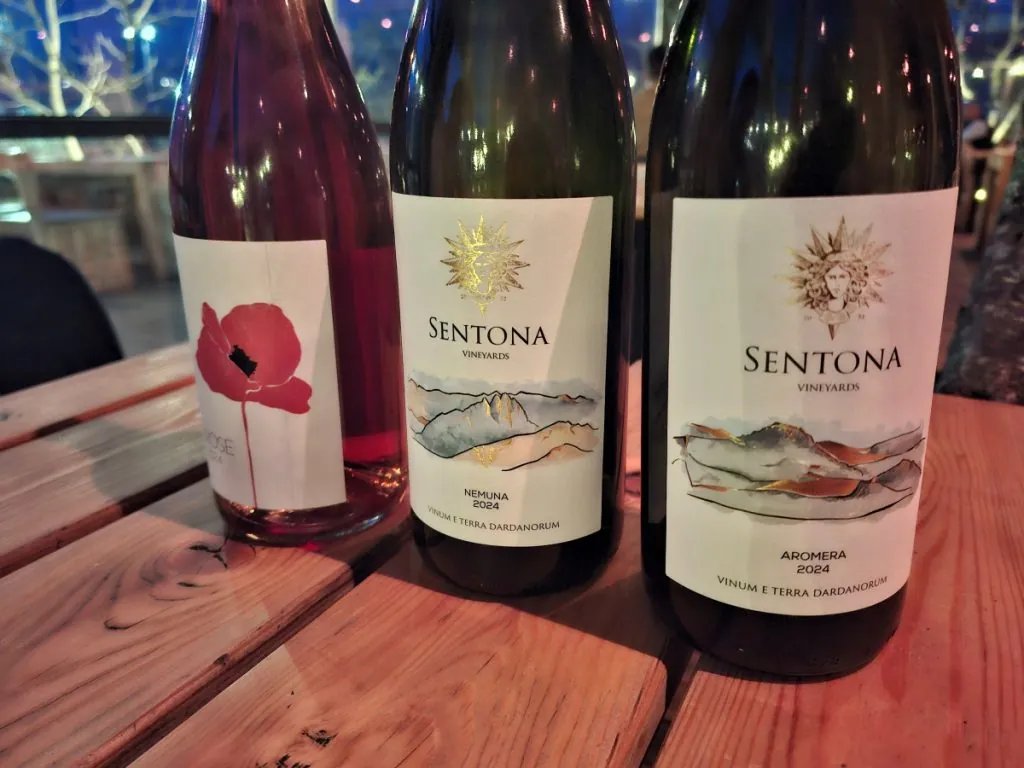
After tasting a few wines, I have to say that the taste exceeded expectations and even they themselves are a bit surprised. For example, they had planned to wait to bottle one of the wines, but when they tasted it, it was ready and had a better taste and structure than they expected.
Beer culture in Kosovo
In this small country there are a few breweries but also some IPA and German beers produced by microbreweries. There are mainly two smaller breweries that make exciting beers. The large brewery Birra Peja makes mostly lagers but also a wheat beer.
Sabaja Craft Brewery is Kosovo's first microbrewery, founded in 2012 and located just outside Pristina. Pivdžan Craft Brewery is a microbrewery and pub in Gracanice. They have made several wheat beers, lagers and IPAs in recent years. Since their inception in 2016, the brewery has established itself as a pioneer in the Kosovan craft beer scene.
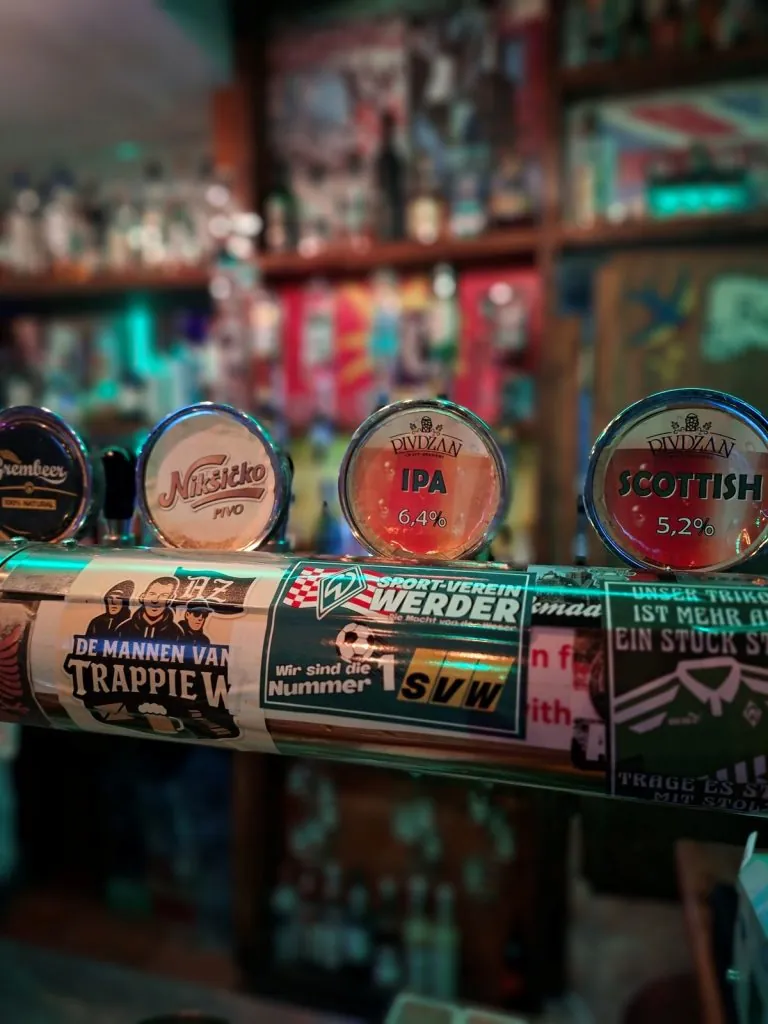
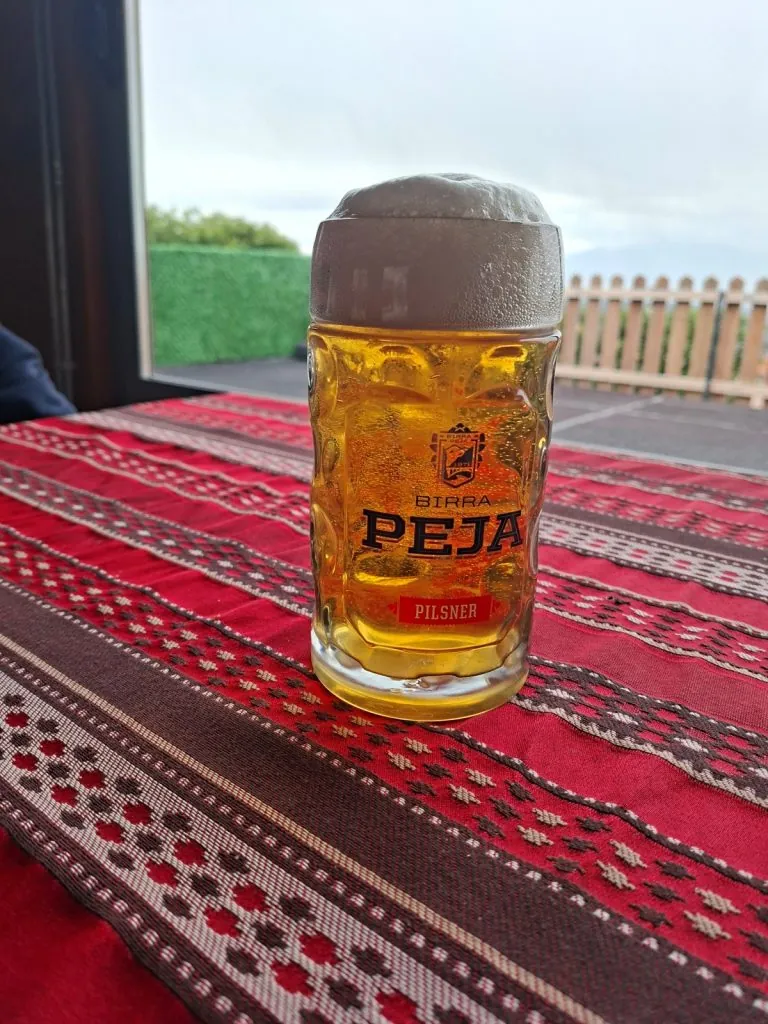
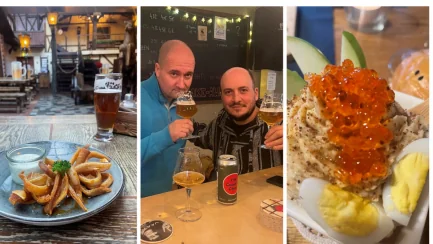
As for beer bars, I asked a friend who was stationed in Kosovo many years ago. He recommended Beer Garden in Pristina and I visited it, it was a small and friendly place where all the expats in the city seemed to gather. Nice and the prices for food and drinks are like a third of the Swedish prices.
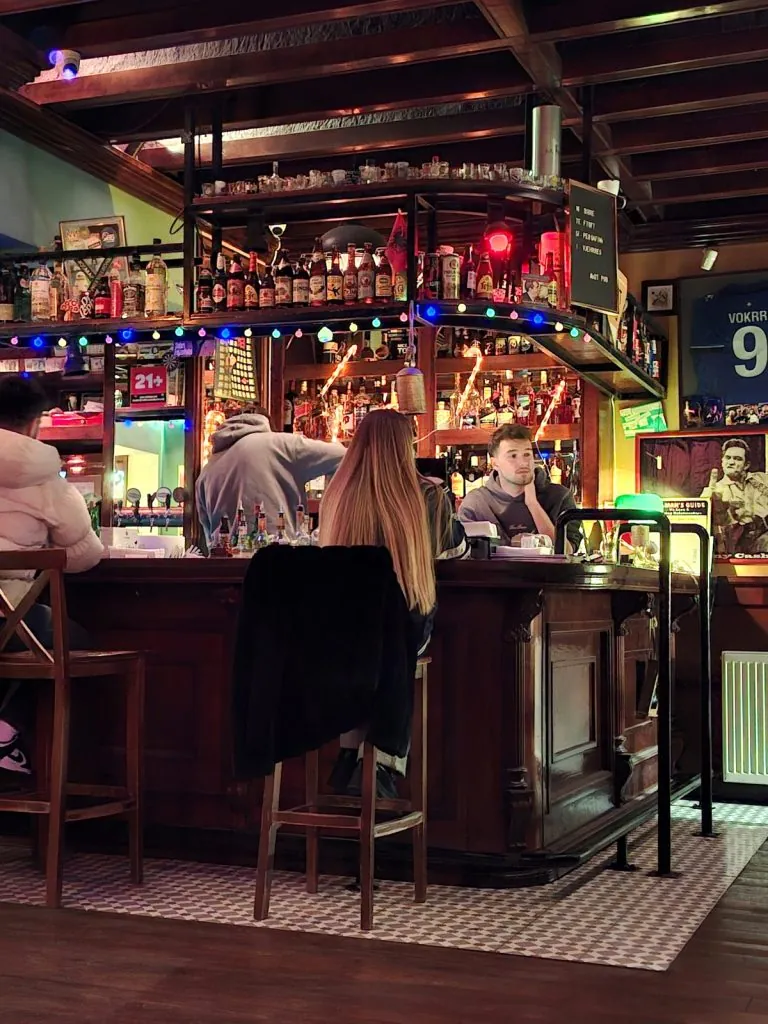
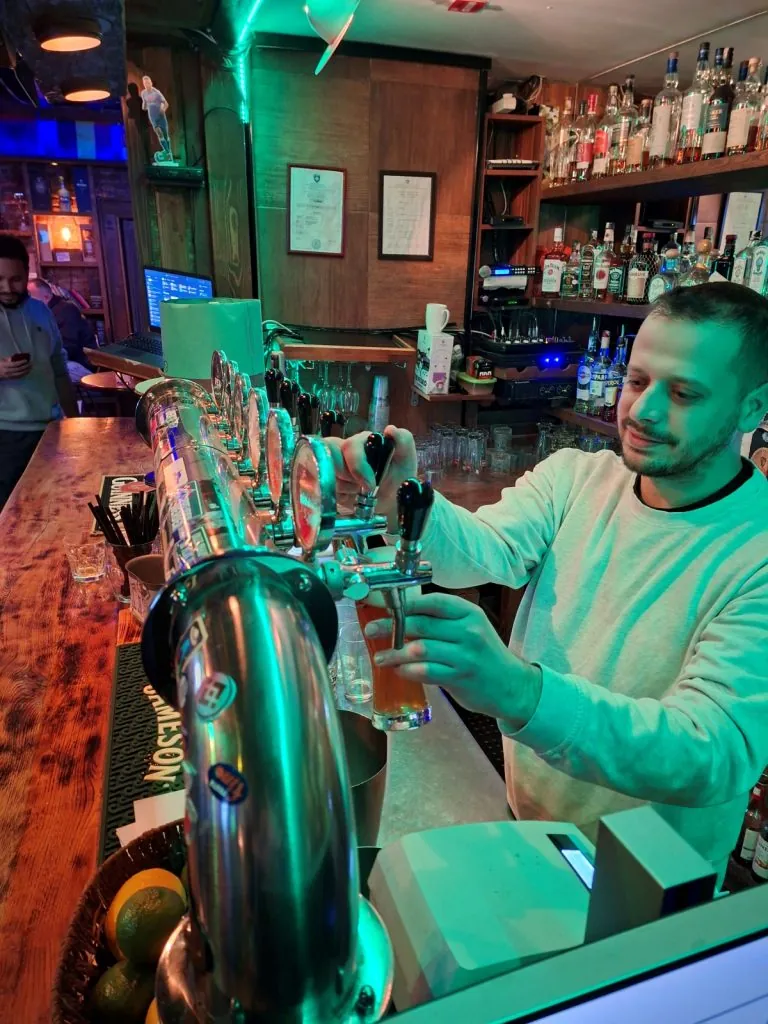
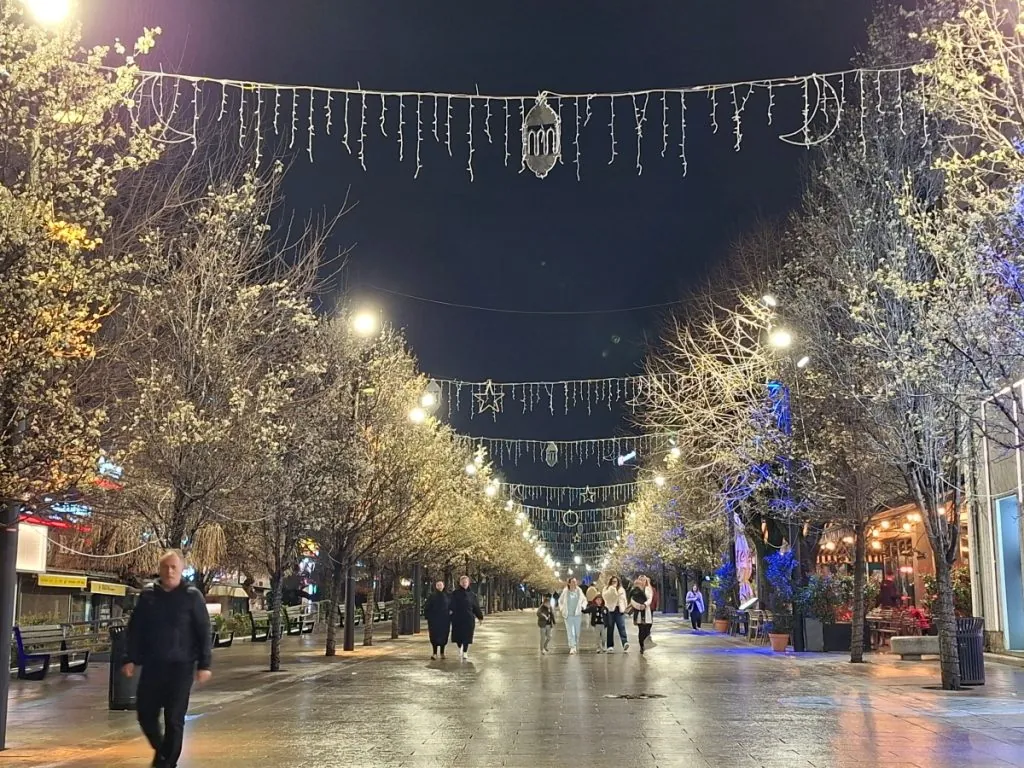
It was nice and relaxing to drink beer in Pristina, a sense of adventure also arises when you drink the noble drink in Kosovo. The country is still about how you imagine Albania 10-15 years ago, just at the beginning of becoming a recognized tourist destination. So feel free to combine your visit to the Balkans with a visit to Kosovo.

Follow Jonathan here:
Jonathan Gharbi De Maré
You might also like:
 Sthlm Food & Wine and Everything for Health - two fairs
 Beer and wine in Tallinn - beer bars, German beer hall and Ukrainian food
 Wine and food culture of Moldova
 Poland's thriving wine culture – and the country's largest wine festival
 The fairs for those who want to know more about the latest beverage trends
 What Greenland tastes like - beer, whisky and Arctic magic



 English (UK)
  Svenska
Akha Ama says:
I was eager to take a trip to Pristina after reading this report! What can you say about the cafe culture in Pristina, can it be compared to Albania, Tirana?
Tirana seems to have a fantastic development with "specialty coffee", high quality - light/medium roast with traceability. It would be fun to dive deep into cafes in Pristina. Is it true that Pristina has a famous Macchiato?
29 July 2026 - 13:26
Jonathan says:
Good question 😀,
There are some places that have different beans and techniques for coffee, fa-kafe and pristine-pour for example. I haven't visited them but saw that they existed. The coffee I bought was often a double espresso with a little milk macchiato. They were good and cost about 1.5 euros. But if they have any special macchiato I'll have to research it...maybe I'll visit again...
29 July 2026 - 17:49
Karolina says:
Awesome! Didn't know there was so much interest in wine there.
July 31, 2026 - 12:36