


Writer: Helena Bergström
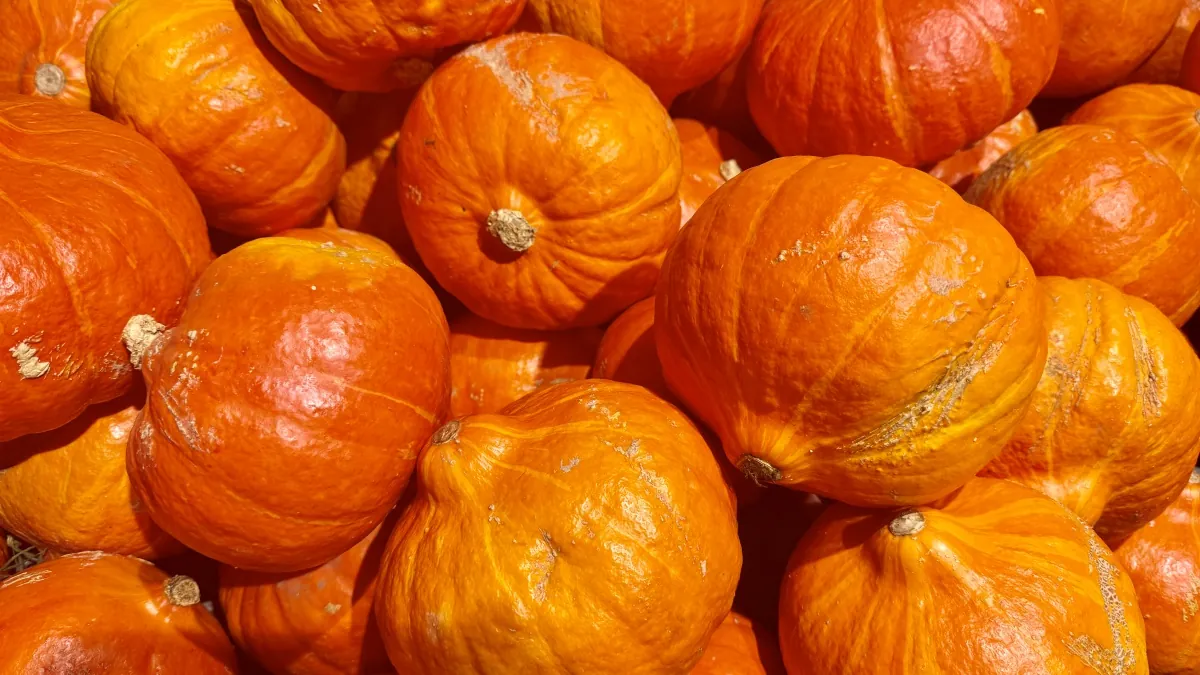
Orange, green, white, tiny and gigantic. Pumpkins are part of autumn and appear everywhere, from vegetable counters and restaurant menus to Halloween celebrations and imaginative decorations. But pumpkins are much more than autumn decorations. Did you know that they are among the oldest cultivated plants known to man, that they are botanically classified as berries and that there are people who compete in paddling in giant hollowed-out pumpkins?
 Tweet
Tweet Share
Share Share
Share Pin
Pin Share
Share Share
ShareTable of contents
We love pumpkins – especially as soup!
We have a particular fondness for pumpkin soup. Peter likes to make it at home and when we find pumpkin soup on a restaurant menu, it is often the one we choose as a starter. During our travels, we have also eaten pumpkin in other ways, everything from samsa in Uzbekistan to foie gras with pumpkin in Hungary.
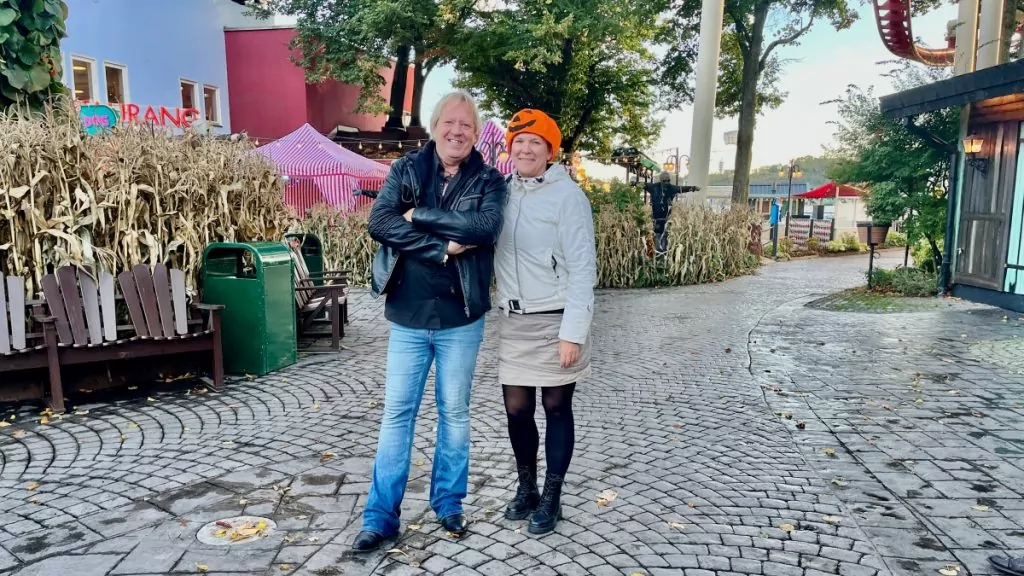
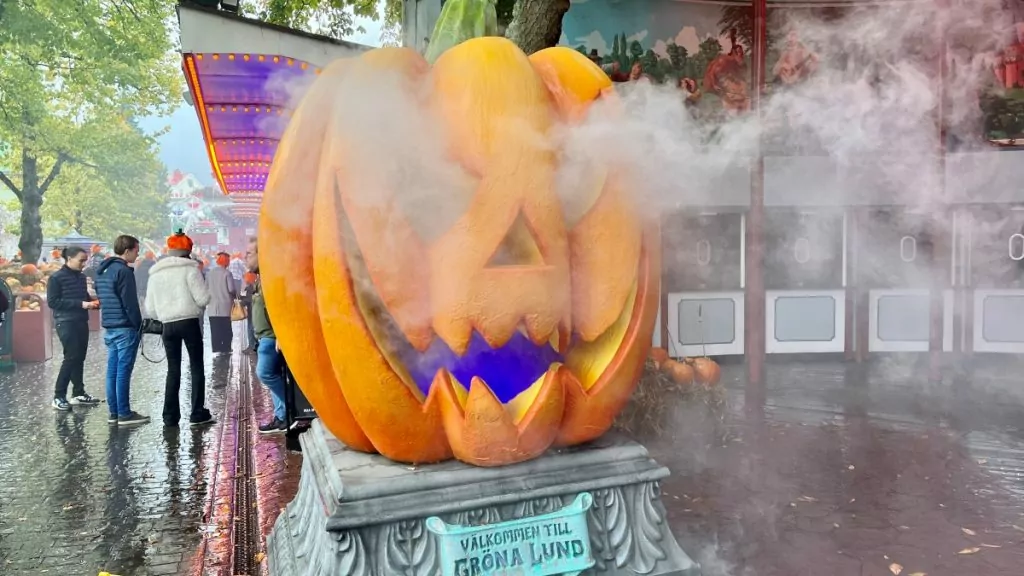
Of course, we also associate pumpkins with Halloween. Peter has experienced the spectacular Halloween celebration in Derry in Northern Ireland and I still remember Halloween at Gröna Lund in Stockholm, with lots of pumpkins.
And pumpkins continue to appear in our everyday lives. The other day we bought an Uchiki Kuri, a small orange pumpkin that was sold at a good price. It will probably be made into soup, but Peter is still thinking about trying another recipe.
25 facts about pumpkins
But what do we really know about pumpkins? Here we have collected 25 interesting, fun and sometimes quite surprising facts about this colorful autumn favorite.
1. Pumpkins have been cultivated for around 10,000 years
Pumpkins are not a modern invention. On the contrary, they are among the oldest plants that humans began to cultivate in the Americas. Archaeological finds from places like Mexico show that people used and cultivated pumpkin plants thousands of years ago, long before corn and beans became a regular part of agriculture.
Early pumpkins didn't necessarily look like the large orange Halloween pumpkins of today. Many were smaller and had harder skins. Over time, a variety of varieties developed, adapted for both food and other uses.

2. Pumpkin is actually a berry
Is pumpkin a fruit or a vegetable? In the kitchen, we often treat it as a vegetable, but botanically it is a fruit. And not only that – it is actually considered a type of berry!
More precisely, it's a specific type of berry called pepo. This also includes cucumbers, melons, and watermelons. So the next time you eat pumpkin soup, you can amuse yourself with the thought that you're actually eating a soup made from berries.

3. Pumpkins are originally from America
Today, pumpkins are grown and eaten all over the world, but their origins lie in the American continent. Different species began to be cultivated in, among other places, Mexico, Central America and South America.
When Europeans arrived in the Americas in the 15th century, they encountered crops that were previously unknown in Europe. Pumpkins then spread across the Atlantic and on to other continents, where they eventually became part of local food traditions. It is thanks to this long history of travel and cultural encounters that we can now eat pumpkin soup in Sweden and pumpkin-filled samsa in Uzbekistan.
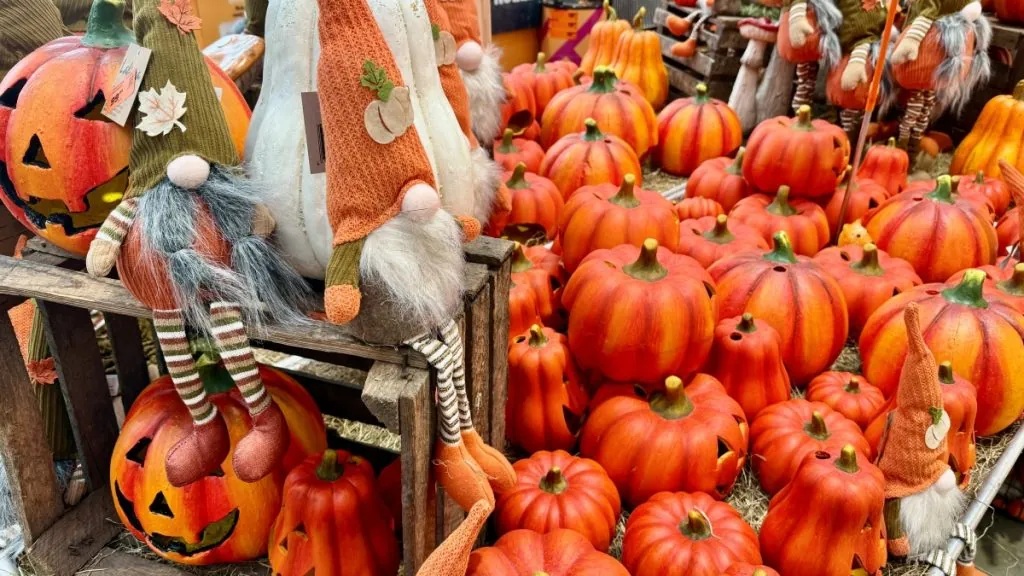
4. Pumpkin, squash and zucchini are close relatives
Pumpkins, squash, and zucchini may look very different, but they all belong to the same plant genus, Cucurbita. In some cases, they are even different varieties within the same species.
Zucchini, for example, is a variant of the species Cucurbita pepo, which also includes many traditional Halloween pumpkins. Other common edible pumpkins belong to the species Cucurbita maxima or Cucurbita moschata.
The boundaries between what we call pumpkin and squash are not always very clear. The names are often more about how the vegetables look and are used than about any strict botanical classification.
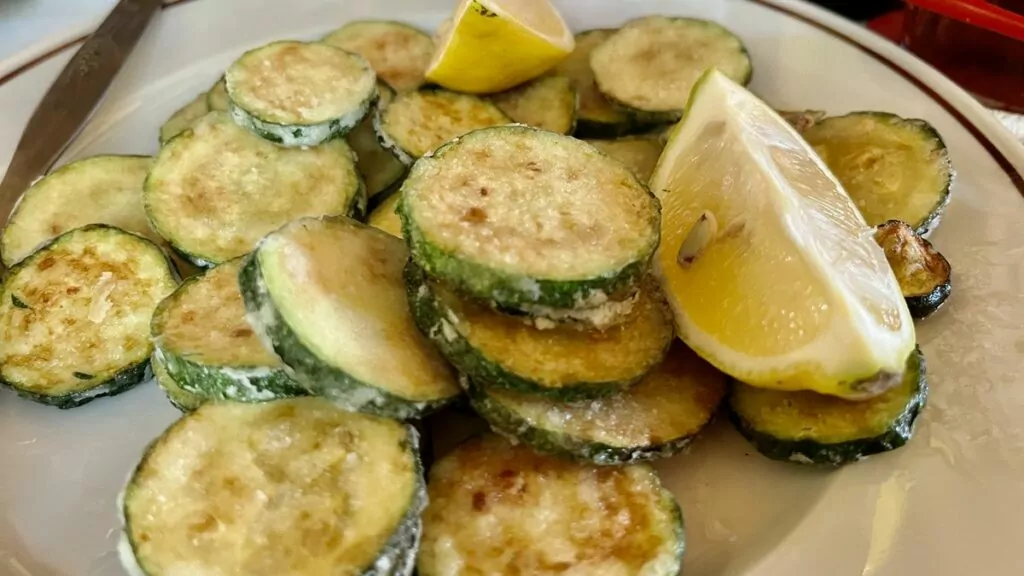
5. Not all pumpkins are orange
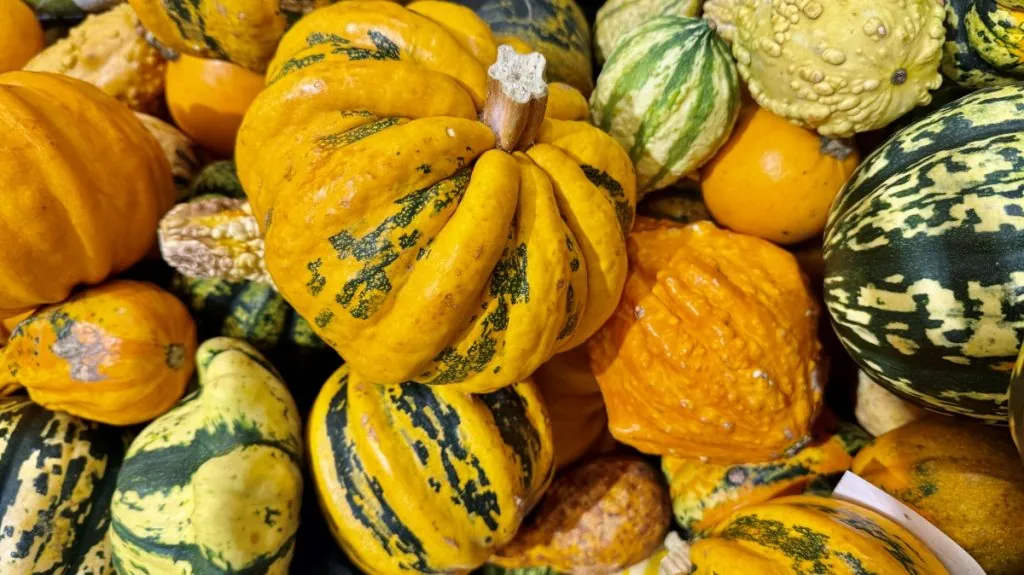
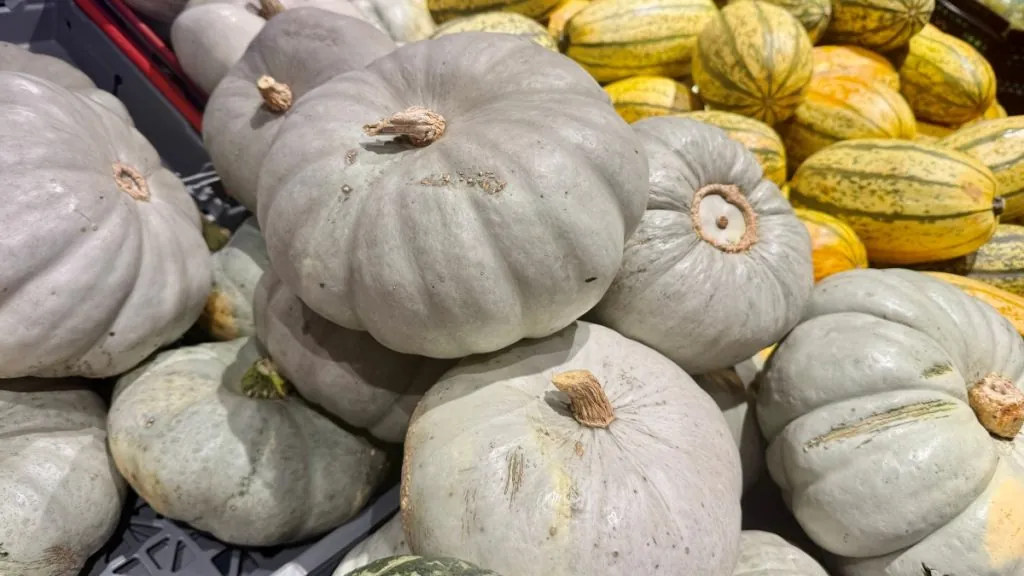
When we think of pumpkins, we often picture a large, round, orange Halloween pumpkin. But pumpkins come in a fantastic variety of colors, shapes, and sizes. There are white pumpkins, green pumpkins, yellow pumpkins, and varieties that come in blue-gray tones. Some are almost perfectly round, others are oblong, flat, or covered in strange bumps.
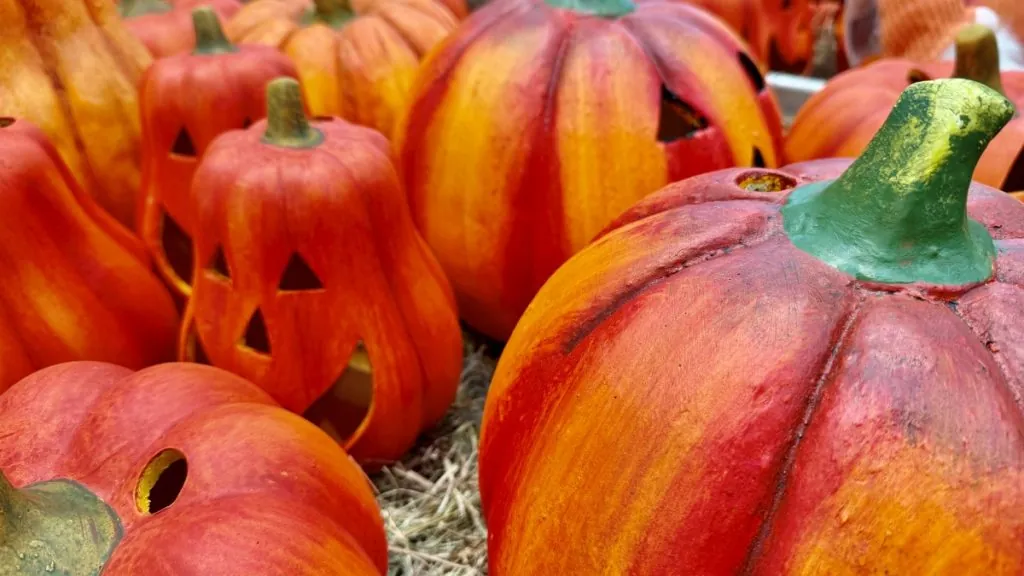
Many of the most imaginative varieties are sold as ornamental pumpkins. It's not hard to see why they've become so popular as fall decorations. A collection of pumpkins can almost look like a small work of art.
6. Pumpkins were used as vessels long before they became food decorations
Pumpkin plants have not only been grown for eating. People have also used hard-shelled bottle gourds as containers for water, food, and other items for thousands of years.
When the fruits are dried, the shell becomes hard and woody, while the contents can be scooped out. The result is a lightweight and practical container that can be used as a bottle, bowl or storage vessel. Such vessels have been used in various parts of the world, and bottle gourds have also found new life as musical instruments and decorations.
7. Pumpkin flowers are also edible
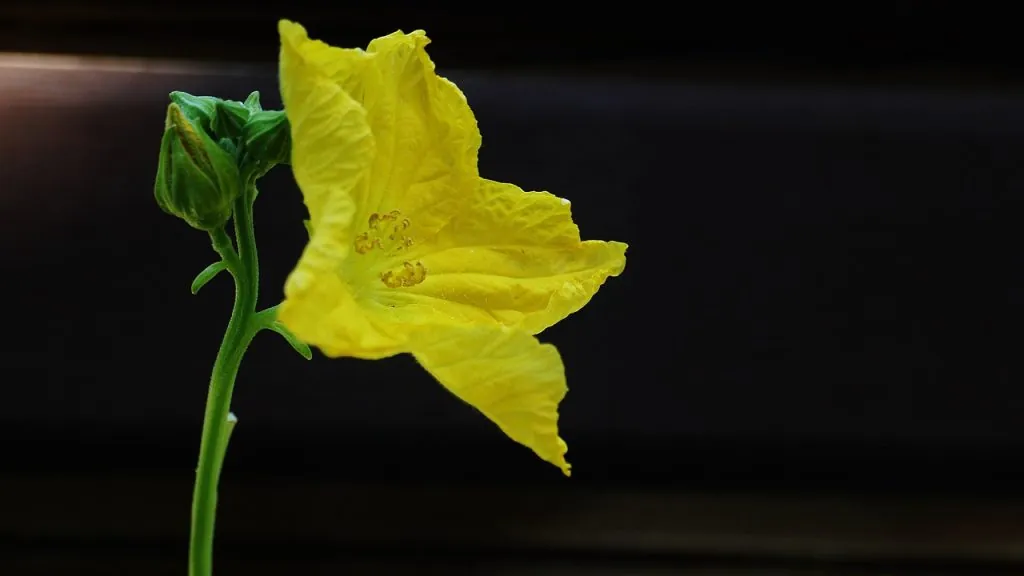
It's not just the pumpkin itself that can end up on your plate. The flowers are also edible and are used in cooking in many parts of the world. In Mexico, pumpkin flowers, flor de calabaza, are a prized ingredient. For example, they can be used as a filling in quesadillas together with cheese, or included in soups and other dishes.
In Italy, it is common to stuff or fry zucchini and other pumpkin flowers. The large yellow flowers are both beautiful and delicate.
8. Pumpkins need help from bees
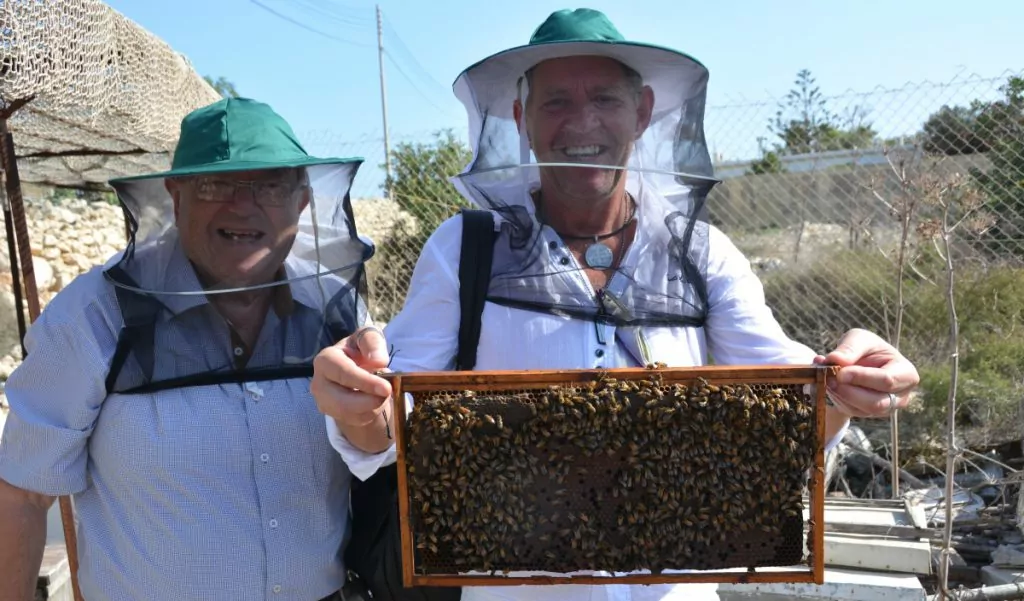
Pumpkin plants normally have separate male and female flowers on the same plant. In order for a pumpkin to develop, pollen must be transferred from a male flower to a female flower. Bees and other pollinating insects play a crucial role here. Without sufficient pollination, the little pumpkin can stop growing and wither away.
There are even bees that are specifically adapted to pumpkin plants. In North America, there are so-called squash bees, which primarily collect pollen from plants in the pumpkin genus.
9. There are pumpkins that weigh over 1,400 kilograms
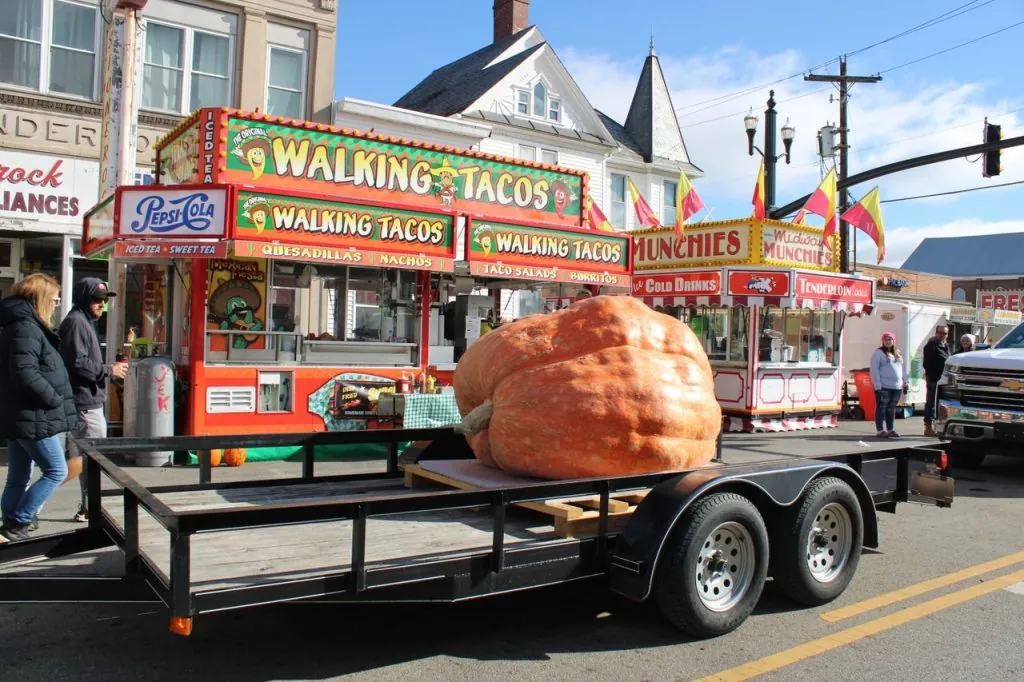
On October 10, 2026, a new world record was set for the heaviest pumpkin. American Ron Wallace managed to grow a pumpkin that weighed a whopping 1,431.5 kilograms! It is almost hard to imagine such a pumpkin. It weighs about the same as a small passenger car and would hardly fit in a regular kitchen.
Competitive pumpkin growing is particularly popular in North America, but there are also enthusiasts and competitions in Europe. For some growers, the pursuit of the next record is a passion that continues year after year.
10. There are people who paddle in pumpkins
Yes, you read that right. In some parts of the world, competitions are organized where participants paddle in giant hollowed-out pumpkins! One of the places where you can experience this is Ludwigsburg in Germany. There, pumpkin regattas are organized where large pumpkins are transformed into small boats.
Participants sit in their pumpkins and try to make their way across the water using paddles. It may sound like a joke, but the competitions are real. And keeping your balance in a floating pumpkin is obviously not always the easiest thing to do.
11. In Germany, they build huge sculptures out of pumpkins
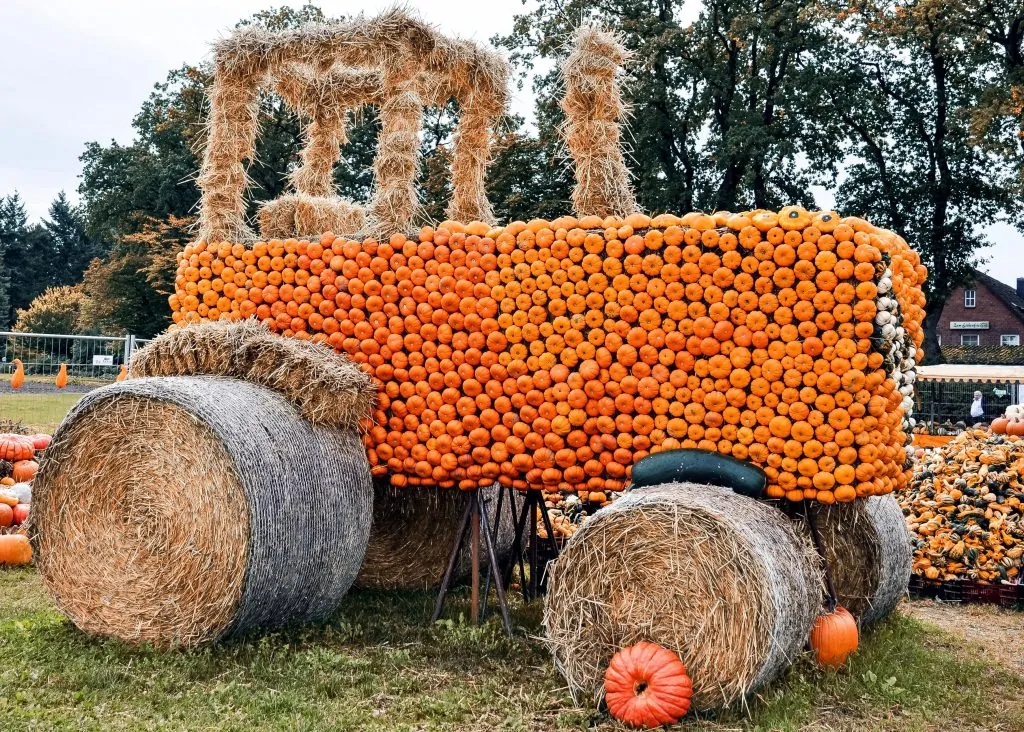
Ludwigsburg is not only famous for people who paddle pumpkins. There is also a large pumpkin exhibition in the castle park at Residenzschloss Ludwigsburg. Every autumn, large quantities of pumpkins are used to create large works of art and sculptures. The motifs vary from year to year and can depict everything from animals to fantasy figures and buildings.
The exhibition attracts many visitors and shows that pumpkins can be used for much more than soup and Halloween lanterns. This is actually a pumpkin experience that we would consider traveling for ourselves!
12. Some pumpkins can last for months
One of the great advantages of pumpkin is that many varieties can be stored for a long time. This was especially valuable in the past, when people needed to be able to save food for the winter. Some winter squash varieties can last for several months if they are undamaged, ripe and stored under the right conditions. How long they last depends on the variety, temperature and humidity, among other things.
That's one of the reasons why pumpkins have become so associated with the fall harvest. They can be picked when ripe and then used in cooking long after the growing season is over.
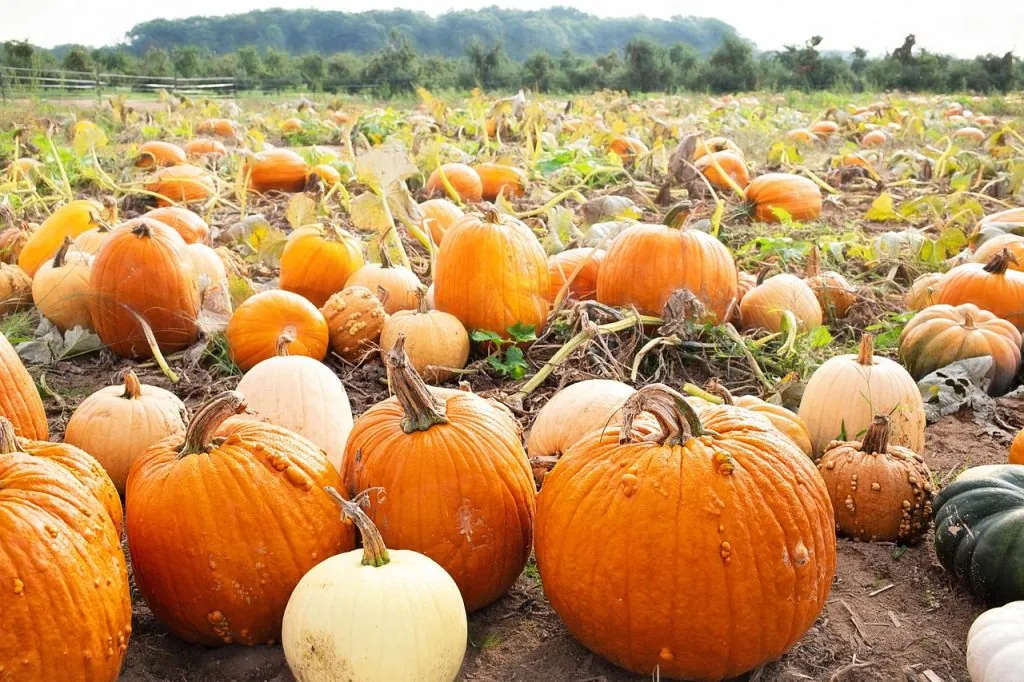
13. The first Halloween lanterns were made from turnips
Today, the orange, hollowed-out pumpkin is an obvious symbol of Halloween. But in the beginning, pumpkins were not used at all, but turnips, among other things! In Ireland and Scotland, there was a tradition of hollowing out root vegetables, carving scary faces out of them and placing candles inside. The lanterns were supposed to scare away evil spirits, among other things.
When Irish immigrants brought the tradition to North America, they discovered that pumpkins were both easier to obtain and easier to carve. Eventually, the pumpkin became the go-to Halloween jack-o'-lantern.
There are actually surviving examples of ancient hunting lanterns. The National Museum of Ireland has a cast of a terrifying lantern from Donegal, showing what the tradition looked like around 1900.
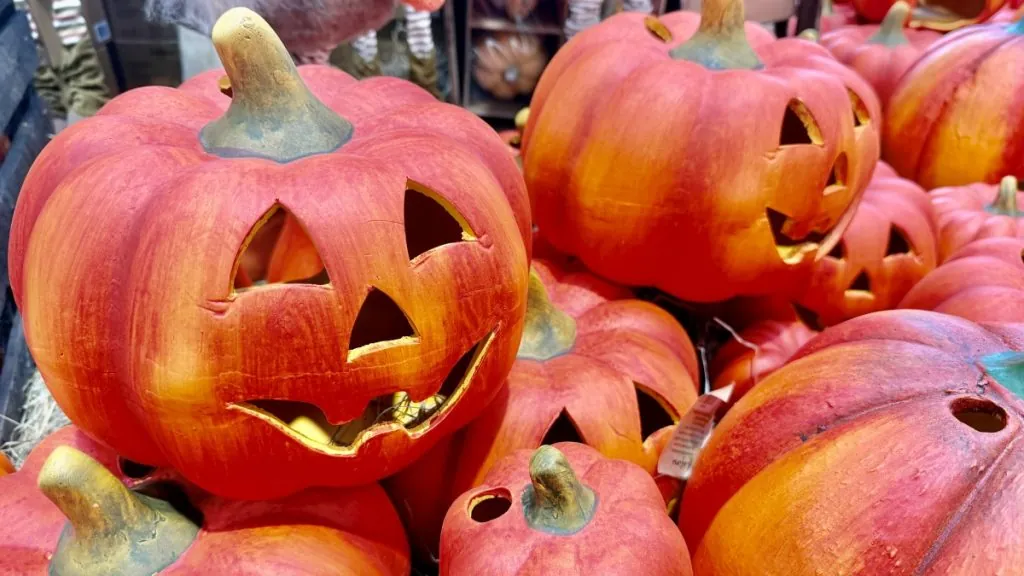
14. The Halloween pumpkin is named after a man who tricked the devil
The classic Halloween lantern is called a jack-o'-lantern in English. The name is associated with an old Irish folk tale about a man who is usually called Stingy Jack.
According to the story, Jack managed to trick the devil, but his cunning came at a high price. When he died, he was not allowed to enter heaven or hell. Instead, he was condemned to wander in the dark with only a glowing coal as a light source.
Jack placed the coal in a dug-out turnip and continued his eternal wandering. The story is of course a folktale, but it has become part of the explanation why we today associate glowing jack-o'-lanterns with Halloween.
15. Halloween is much older than the Jack-o-lantern
Halloween is often associated with American traditions, but the holiday has much older European roots. It is usually linked to the Celtic festival of Samhain, which marked the transition between summer and winter.
During this time, it was believed that the boundary between the world of the living and the world of the dead could be particularly thin. Bonfires, disguises, and various rituals became part of the celebration.
Over time, the traditions evolved and were mixed with Christian holidays and later American elements. The orange pumpkin thus entered the picture long after people began to pay attention to this special time of year.
16. Halloween is celebrated in a truly spectacular way in Derry
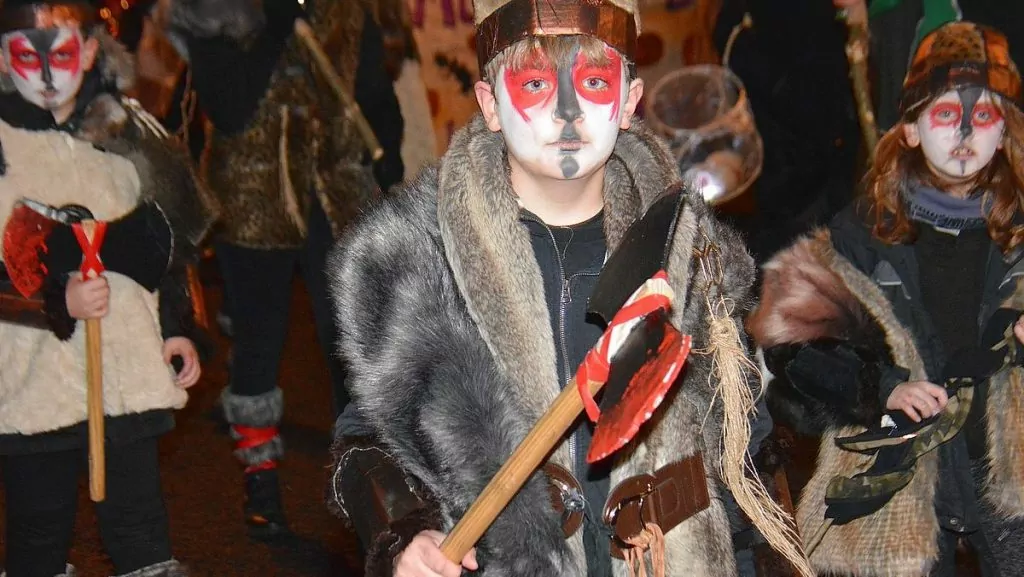
One of the most fascinating places to experience Halloween is Derry, also known as Londonderry, in Northern Ireland. It hosts a huge Halloween celebration with parades, imaginative costumes, light installations and performances.
Peter has experienced Halloween in Derry himself and still describes it as something quite incredible. The whole city was transformed into a stage for the celebration, with an atmosphere that really made an impression.
Derry has built an internationally renowned Halloween festival, and the celebrations attract visitors from many different countries. It is a fantastic example of how an ancient tradition can be developed into a modern travel experience.
READ MORE: Halloween in Derry, Ireland - the best Halloween party in the world?

17. Pumpkins have also taken over the Swedish Halloween autumn
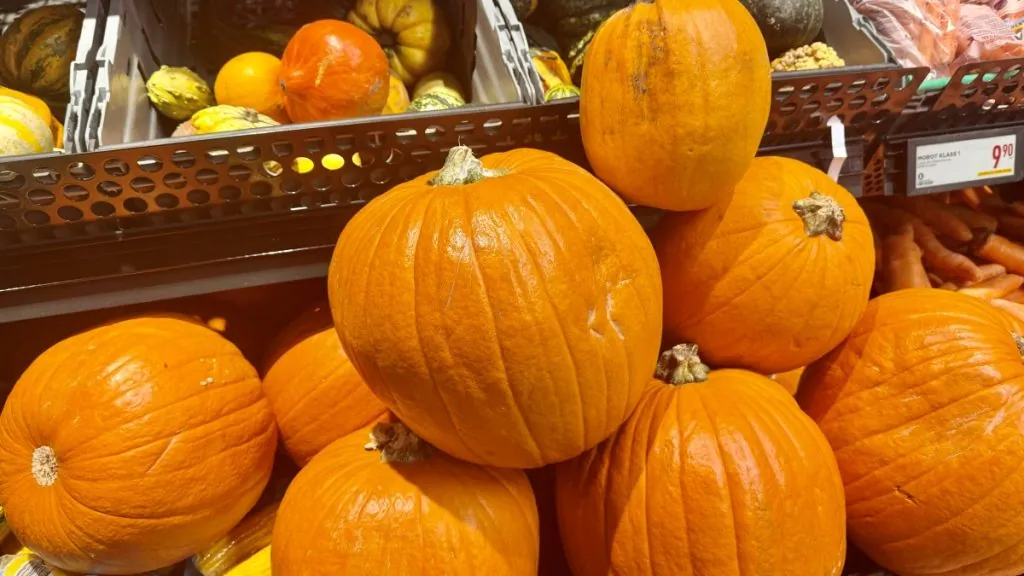
A few decades ago, Halloween was hardly a big Swedish holiday. Today, things are different. Pumpkins appear in grocery stores, restaurants, gardens and amusement parks.
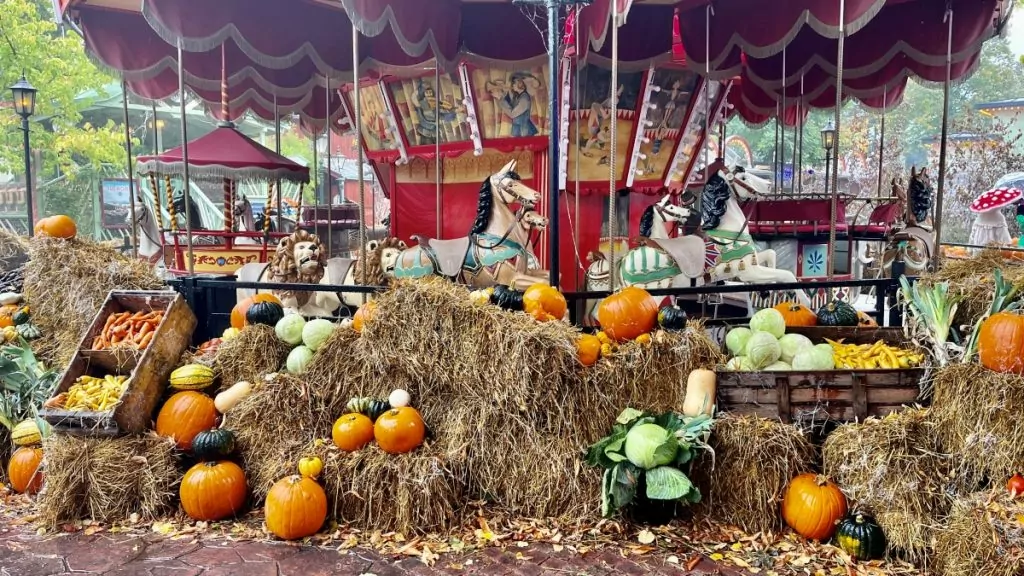
One of my strongest pumpkin memories is from Halloween at Gröna Lund in Stockholm. They had decorated it with so many pumpkins that the entire amusement park had a very special autumn feel.
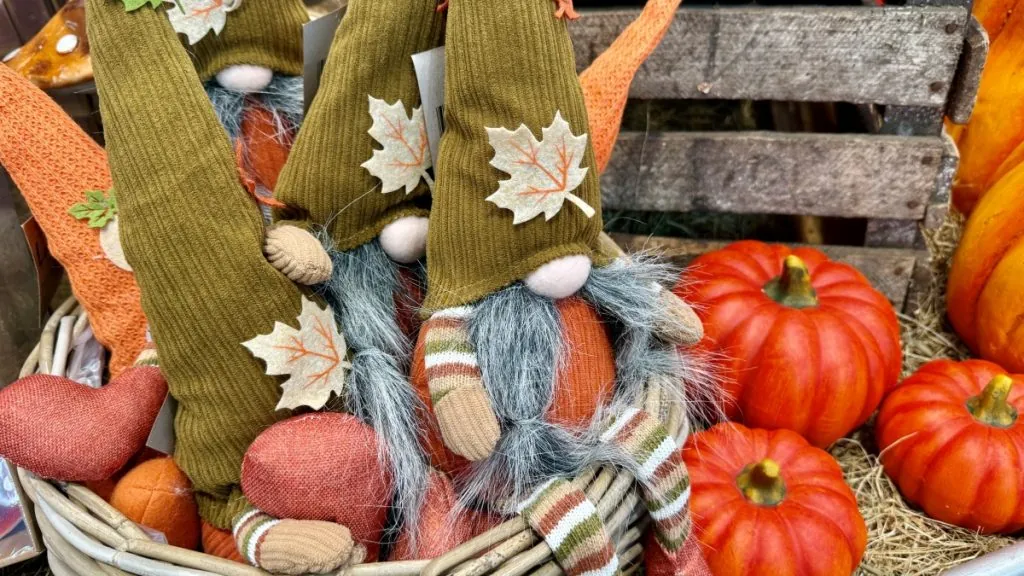
Nowadays, you hardly have to look far to find pumpkins in Sweden during October. In the last few weeks alone, I have photographed a lot of pumpkins and pumpkin decorations in various stores. They have truly become an essential part of autumn.
READ MORE: Why do we celebrate Halloween in Sweden?
18. Pumpkin soup is popular in many parts of the world
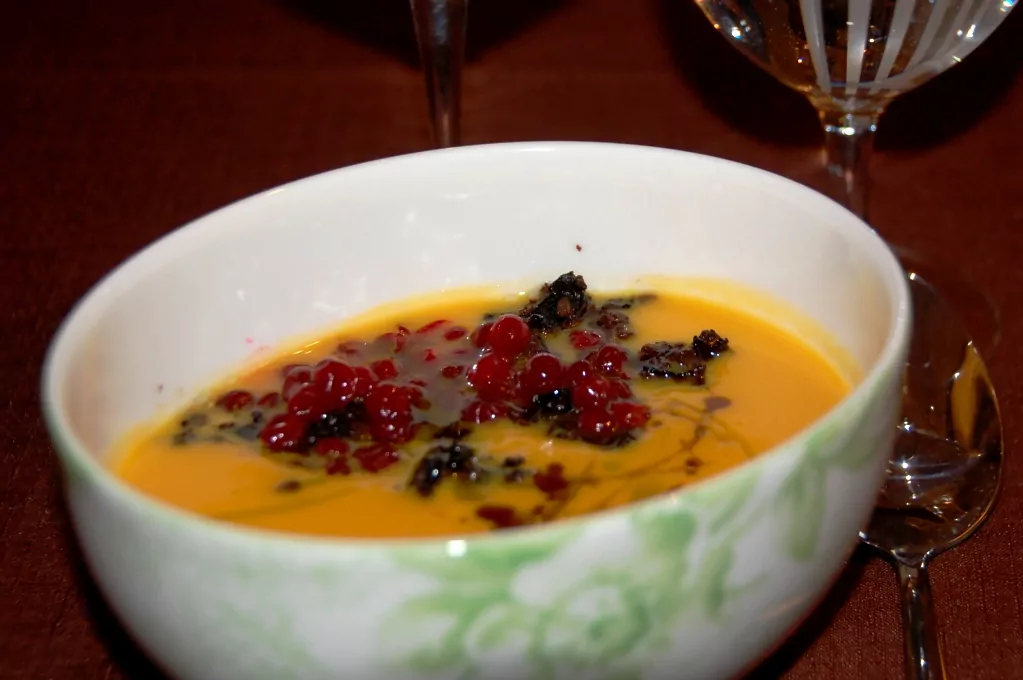
Pumpkin is a fantastic ingredient for soup. It adds richness, mild sweetness and a beautiful color. Depending on how you season it, the result can be anything from a mild and creamy soup to a hot version with chili, ginger or other spices.
Pumpkin soup is found in the cuisines of many countries, not least in Europe. It can be served with, for example, roasted pumpkin seeds, cream, crème fraiche or pumpkin seed oil.
For us, pumpkin soup is a real favorite. Peter sometimes makes it at home and we like to order it as a starter when we find it in a restaurant. There is something special about a warm, tasty pumpkin soup in the fall.

19. In Uzbekistan, they fill samsa with pumpkin
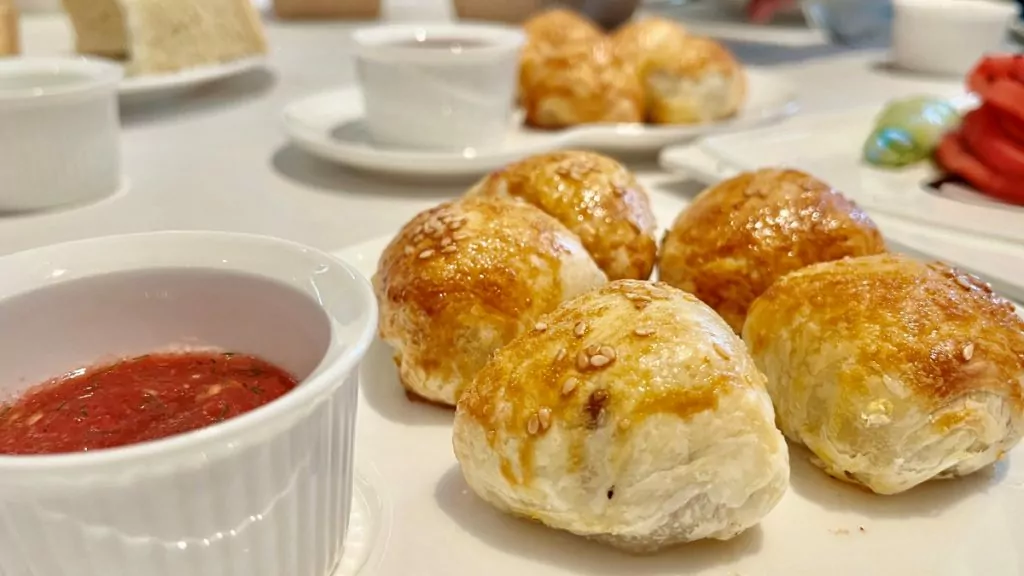
In Uzbekistan, samsa is a popular dish. It is a small dough ball that is often baked in a traditional clay oven, a so-called tandyr. The filling can consist of meat, onion, potato or pumpkin, for example.
The pumpkin variant is often called çıkçılı somsa and combines the mild sweetness of the pumpkin with onions and spices, resulting in a flavorful and filling little pastry.
We have eaten samsa ourselves during our travels in Uzbekistan, including pumpkin variations. It is one of many exciting dishes that show how different pumpkins can be used around the world.
20. Pumpkin can be served with foie gras
Pumpkin doesn't just have to be a simple everyday food. It can also be used in truly exclusive dishes, where its mild sweetness can balance out stronger and fattier flavors.
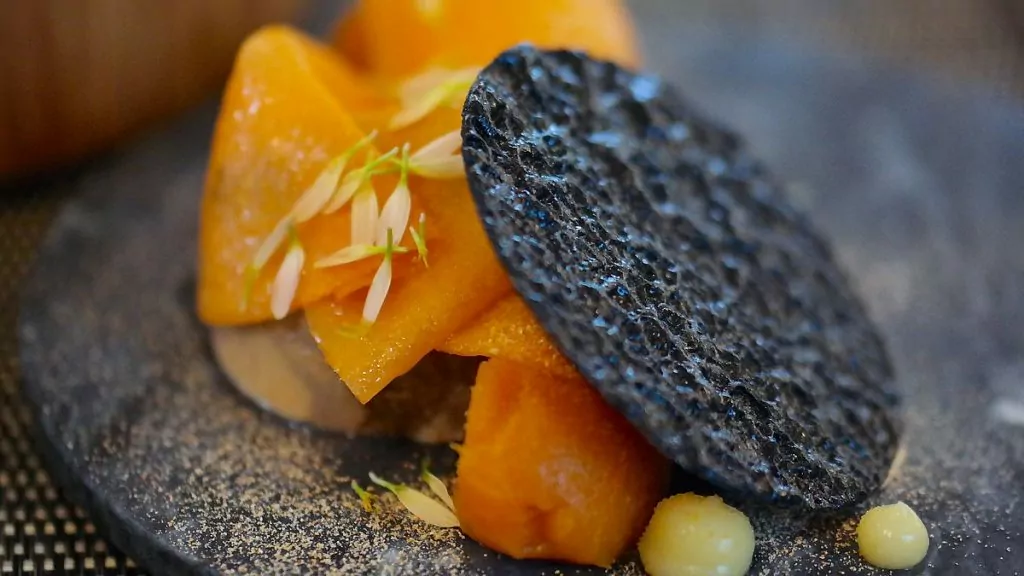
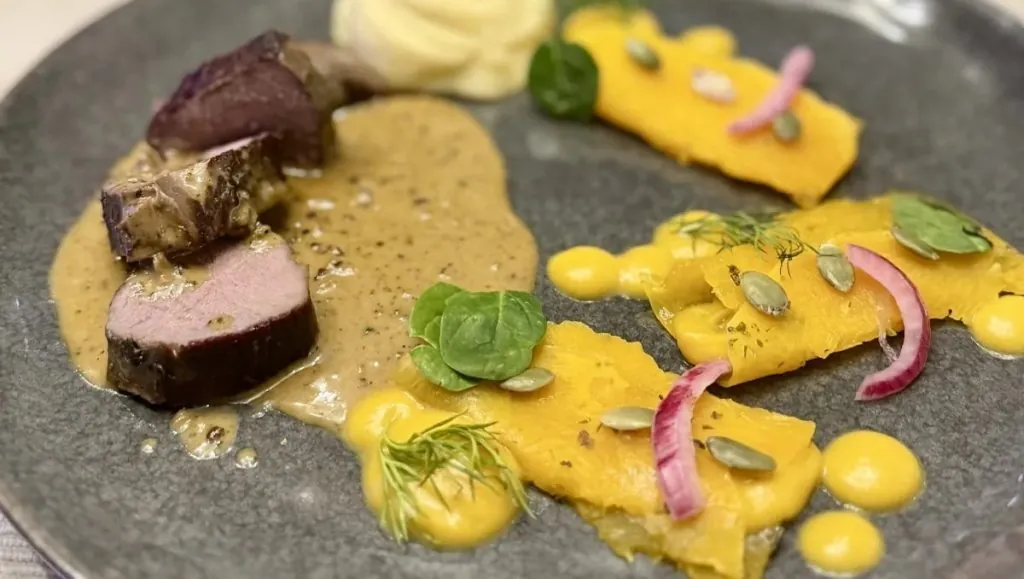
I remember one such example from Hungary, where we were served foie gras under a blanket of pumpkin. A combination that may not sound obvious, but which shows how creatively pumpkin can be used.
Hungary has a long tradition of foie gras, and pumpkin is also present in Hungarian cuisine. The combination of the two was a different and memorable food experience for us on the trip.
21. Pumpkin pie is part of Thanksgiving in the USA
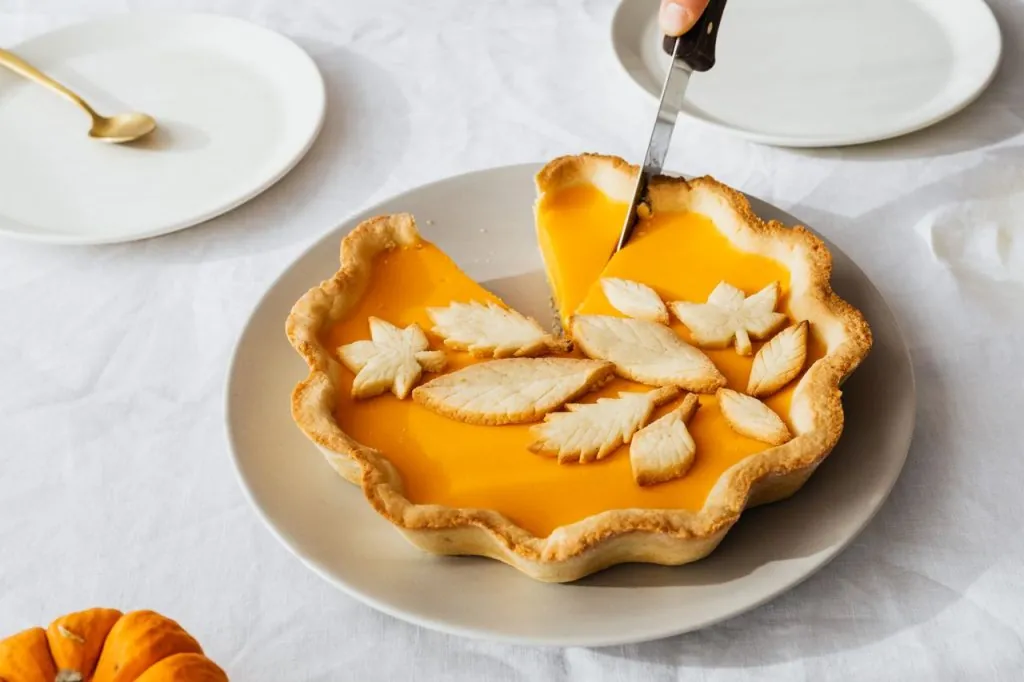
In the United States, pumpkin pie is a real classic, especially during Thanksgiving in November. It usually consists of a pie shell filled with a sweet and spiced pumpkin cream.
The seasoning often includes cinnamon, ginger, nutmeg and cloves. The spice blend is usually called pumpkin spice and has become so popular that it is now used in everything from coffee to cakes and ice cream. It is perhaps a little funny that the same ingredient that we like to use for a salty and spicy soup in Sweden can become one of the most beloved desserts in the United States.
22. Pumpkin seeds are a delicacy in themselves
When you scoop out a pumpkin, it's easy to think that the seeds are just something to throw away. But pumpkin seeds are actually both edible and nutritious. They contain protein, fat, and minerals like magnesium and zinc. Roasted pumpkin seeds can be eaten as snacks or used as a topping on soups, salads, and breads.
In Mexico, pumpkin seeds have a long tradition in cooking. They are used, among other things, in sauces called pipian, where ground seeds contribute both flavor and texture.
23. Not all pumpkins are safe to eat
Most pumpkins sold as edible pumpkins are, of course, intended to be eaten. However, not all pumpkins and pumpkin-like ornamental fruits are suitable for human consumption. Some ornamental varieties may contain high levels of cucurbitacins, natural bitter substances that can cause severe stomach upset and poisoning. These substances are not destroyed by ordinary cooking.
An important rule of thumb is therefore to never eat a pumpkin or squash that tastes distinctly bitter. This applies even if it comes from your own cultivation. And ornamental pumpkins that are not explicitly sold as edible should remain just decorations.
24. The orange color of pumpkin comes from the same kind of substances as in carrots
The beautiful orange color of many pumpkins is due to carotenoids, a group of natural coloring substances that are also found in carrots, among others. One of these substances is beta-carotene, which the body can convert into vitamin A. This makes orange pumpkin an interesting raw material also from a nutritional point of view.
The amount of carotenoids in a pumpkin varies between varieties. The color can give you a clue, but you can't determine the nutritional content just by looking at the skin.
25. The little Uchiki Kuri is a real food pumpkin
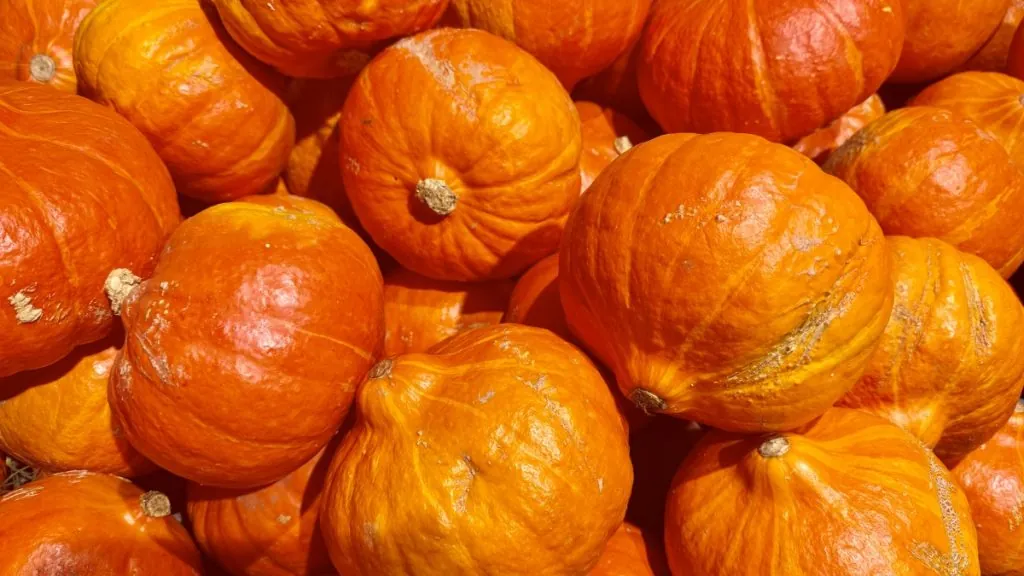
Not all pumpkins are giant or meant for Halloween. One of the popular smaller pumpkins is the Uchiki Kuri, also commonly sold as Hokkaido pumpkin. It has a beautiful orange skin and a firm, orange flesh with a mild, slightly nutty flavor. A practical advantage is that the skin is thin and usually good to eat after cooking.
This is just such a pumpkin we recently bought. Peter will probably make a delicious pumpkin soup from it, but there are many other possibilities. It is also great for roasting in the oven, using in gratins or combining with other autumnal ingredients.
Pumpkins are much more than Halloween decorations
The more you learn about pumpkins, the more fascinating they become. From the first cultivations in America thousands of years ago to today's huge record-breaking pumpkins, strange pumpkin regattas and spectacular Halloween celebrations, the pumpkin has truly come a long way.
And the great thing is that it can still be something as simple as a good dinner. For us, it's probably the pumpkin soup that is closest to our hearts, even though memories of Derry, Gröna Lund and various food experiences on trips also have their very special place.
Now all that remains to be seen is what Peter decides to do with our Uchiki Kuri. Will it be another delicious pumpkin soup, or maybe something completely new?
You might also like:
 Facts about lussekatter - 12 things you (maybe) didn't know?
 13 dishes on the Christmas table - the history of Christmas food
 Midsummer food - 15 classics & readers' favourites
 Regional specialities on the Christmas table – from Norrbotten to Skåne
 New Year is a time for hope for the future – 7 New Year's dishes that represent luck and good fortune
 Facts about chanterelles – 25 interesting things you might not know



 English (UK)
  Svenska