


Writer: Helena Bergström
Updated: September 2026 | Why do people actually celebrate Halloween in Sweden? Pumpkins, ghosts, costumes and "trick or treat" now seem obvious to many, even though Halloween only became widespread in Sweden in the 1990s. But the holiday has much older roots. We follow Halloween from old traditions in Ireland, via the USA and all the way to Sweden.
 Tweet
Tweet Share
Share Share
Share Pin
Pin Share
Share Share
ShareTable of contents
What is Halloween?
Halloween is celebrated on October 31 and is today associated with jack-o'-lanterns, costumes, ghosts, horror and children going around asking for "trick or treat".
The word itself Halloween comes from All Hallows' Eve, which roughly means ”All Saints” Eve.” But Halloween is not a tradition that was created at a single time and has remained the same throughout history. On the contrary, the celebration has changed many times and been influenced by both older folk customs, Christian holidays, and later American popular culture.
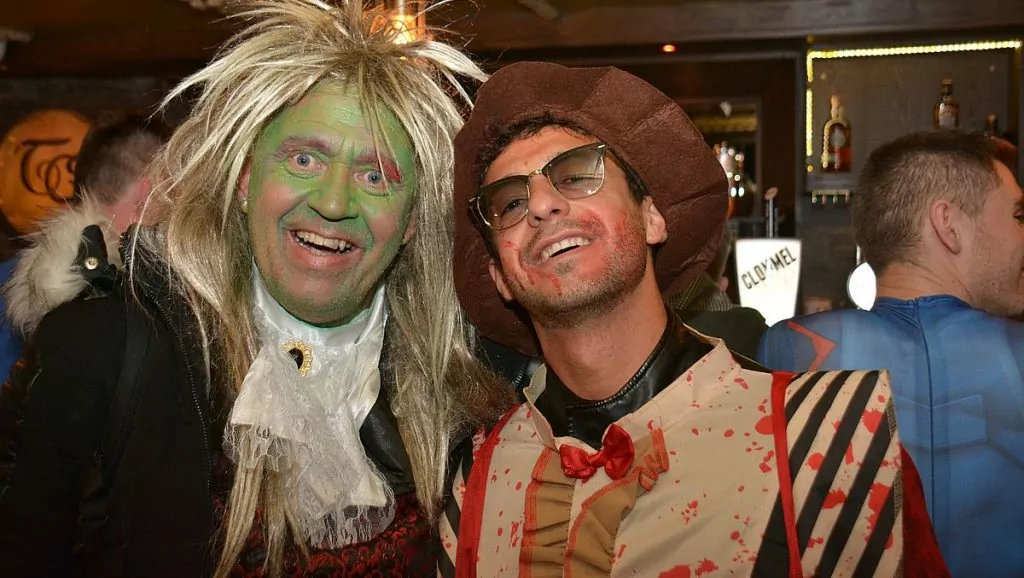
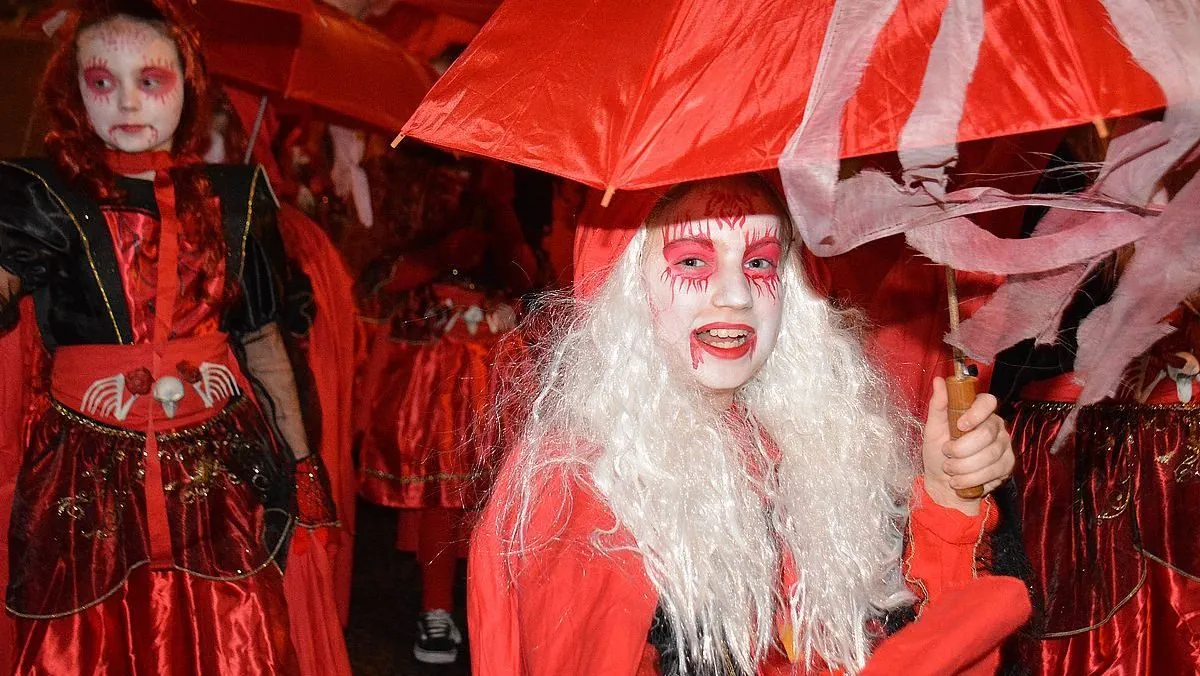
In Sweden, Halloween is a relatively new tradition. The Institute for Language and Folklore describes it as a festive tradition that primarily emerged here during the 1990s.
Does Halloween originate from Samhain?
The history of Halloween often begins with Samhain, an ancient Gaelic annual festival with strong roots in Ireland. Samhain marked the transition to the winter solstice and was one of the important recurring festivals of the year. The oldest Irish written sources about the celebration date from the early Middle Ages.
This time of year was associated with darkness, death and supernatural forces. In Irish tradition, the souls of the dead could return and other beings were in motion. People ate special foods, played games, told fortunes and dressed up or wore masks. But it would be too easy to say that today's Halloween is Samhain.
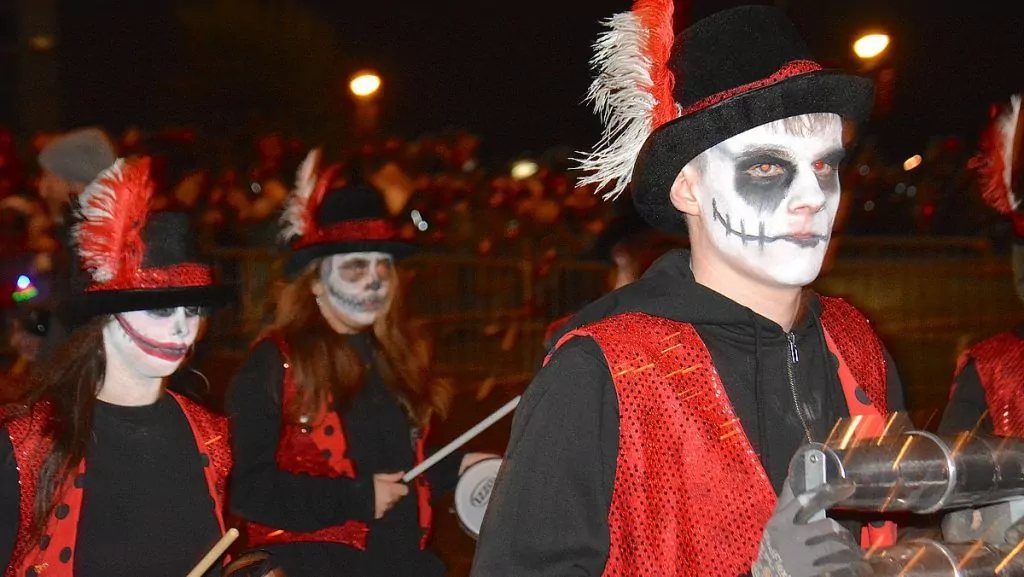
Over the centuries, different traditions have mixed and influenced each other. The Christian All Saints' Day became an important part of the calendar, while older and folk customs lived on and changed. The very name Halloween is also Christian in origin: All Hallows' Eve, the evening before All Saints' Day.
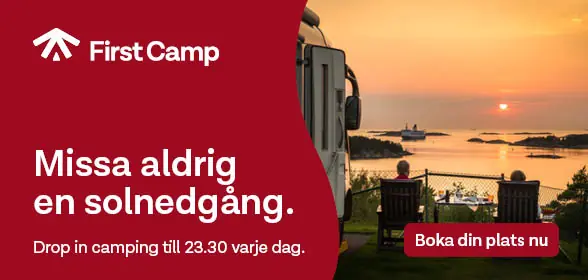
In other words, Halloween has many historical layers – and more would be added when the celebration crossed the Atlantic.
READ MORE: Halloween in Derry, Ireland - the best Halloween party in the world?

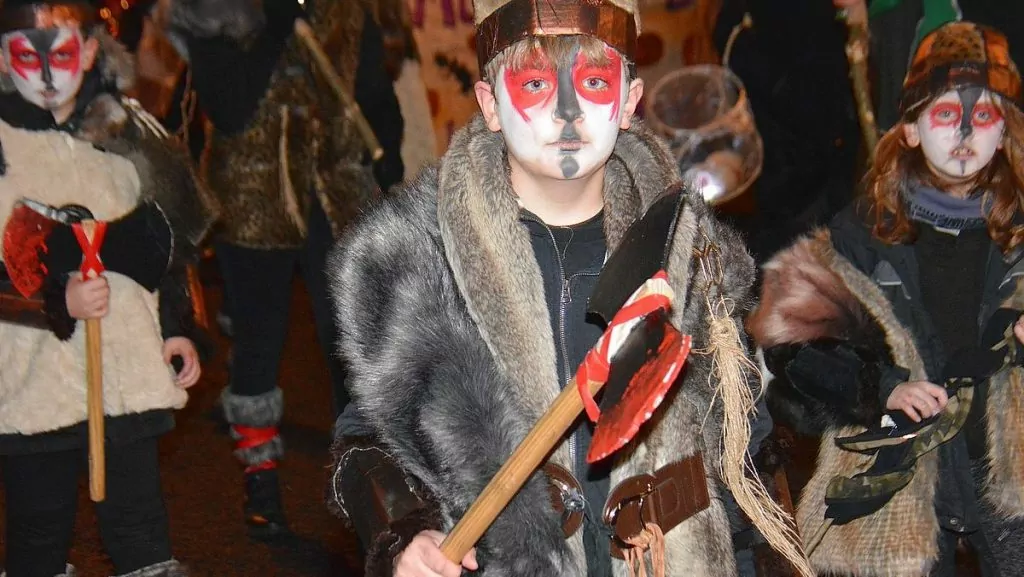
Why does Halloween have pumpkins?
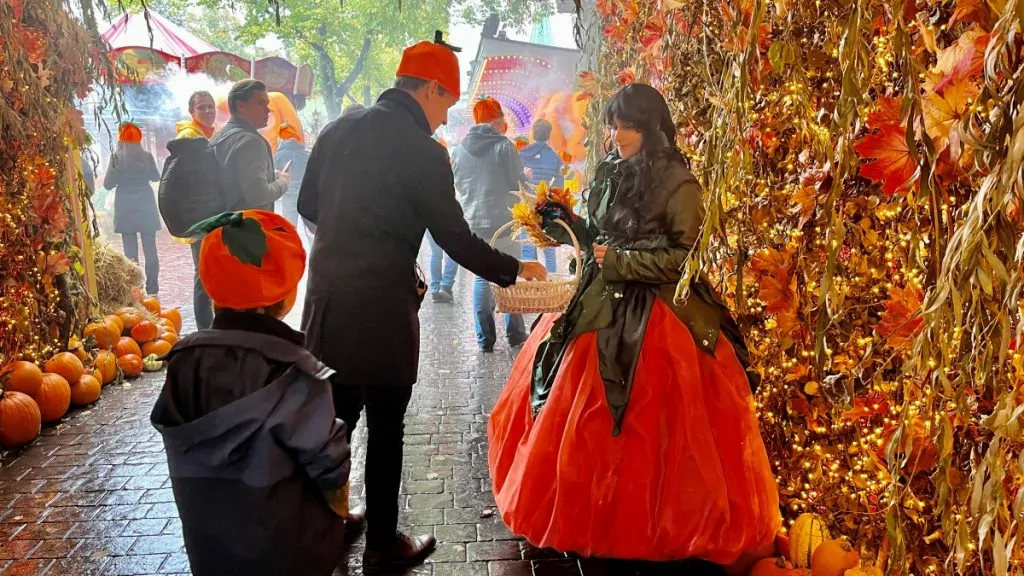
A glowing pumpkin with a carved face is perhaps the most iconic symbol of Halloween today, but it wasn't all about pumpkins in the beginning.
In Ireland, they dug out instead turnips, carved scary faces into them and placed candles inside. Such lanterns could be used to scare people during Halloween. The National Museum of Ireland even has a preserved model of a so-called ghost turnip, based on a lantern of the type used in Donegal around the year 1900.
When Irish traditions later spread to North America, pumpkins were used instead. They were available in the fall and were also significantly larger and easier to hollow out than hard turnips.
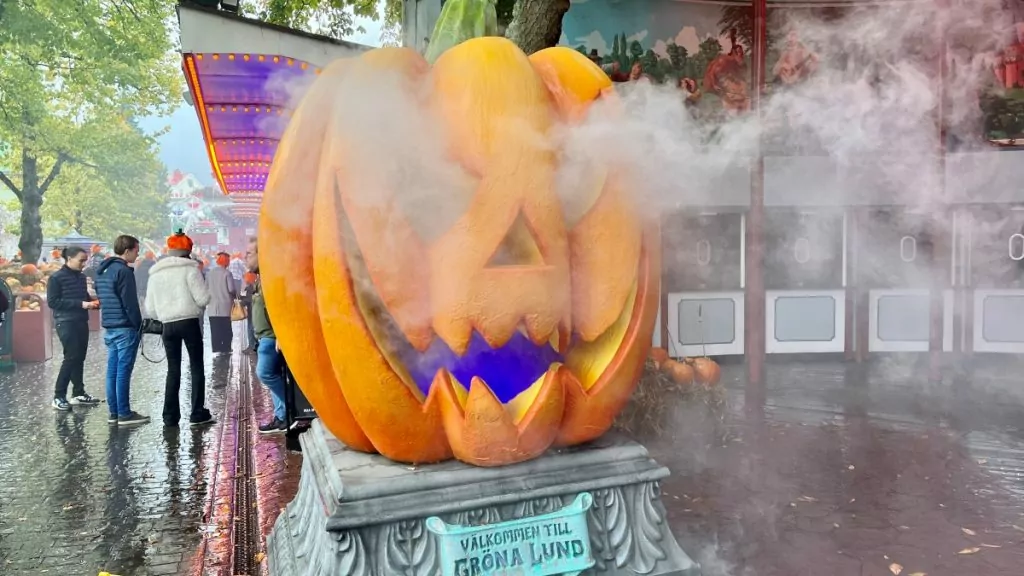
The Legend of Stingy Jack
The lanterns also have an old folk tale about Stingy Jack. According to legend, Jack managed to trick the devil and ended up in a rather awkward situation after his death. He was not welcome in heaven, but he could not go to hell either. Instead, he was condemned to wander the earth with a lantern as his only light.
From there comes the story of Jack-o-lantern – or jack-o'-lantern. This should therefore be seen as folklore and legend, rather than as a documented account of exactly how the tradition of lanterns originated. However, the story is still strongly associated with the Irish Halloween lanterns.
How did Halloween end up in the United States?
During the 19th century, large numbers of Irish people emigrated to North America, bringing traditions from home with them. On the other side of the Atlantic, customs encountered new environments and other traditions and continued to change.
So turnips became pumpkins, and Halloween developed over time into a big holiday with masquerades, decorations, parties and various pranks. During the 20th century, children's celebrations became increasingly important.
Today, we associate Halloween with the United States as much as we do with Ireland. American films, television series, and other popular culture have since helped spread the modern version of Halloween around the world.
This doesn't mean that Americans invented Halloween. Rather, they developed the traditions further – and then exported their version of the celebration back to Europe and further out into the world.
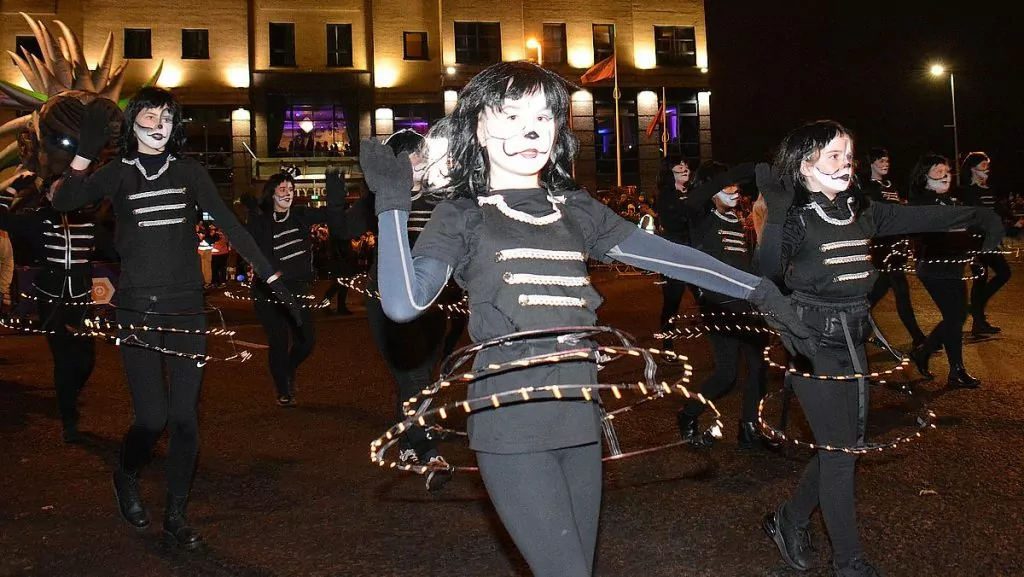
When did Halloween come to Sweden?
It is often said that Halloween came to Sweden in the 1990s. That is true in a way – but that is not the whole story.
Halloween was known in Sweden much earlier. The Institute for Language and Folklore says, for example, that as early as 1961, the riot police had to intervene during a wild Halloween celebration among students in Stockholm.
However, these were isolated parties and events. Halloween was not yet a Swedish folk tradition. The big breakthrough did not come until several decades later.
Hard Rock Cafe, Butterick's and Halloween in Stockholm
A fun part of Swedish Halloween history took place on Hard Rock Cafe in Stockholm. In the 1980s, Hard Rock Cafe contacted costume and joke shop Butterick's for help with a Halloween celebration. The partnership developed into, among other things, masquerades and a monster parade for young people.
Butterick's later described this as an important "spark" for the growing Swedish interest in Halloween. But it took another few years before the celebration spread seriously outside the big cities.
During the 1990s, Halloween began to appear more and more in stores, media, schools and kindergartens. Masks, decorations, pumpkins and Halloween parties became more common and the trade actively contributed to spreading the new holiday. As early as 1997 and 1998, Swedish folklorists collected people's experiences and opinions about the new tradition. Halloween had come to Sweden to stay.
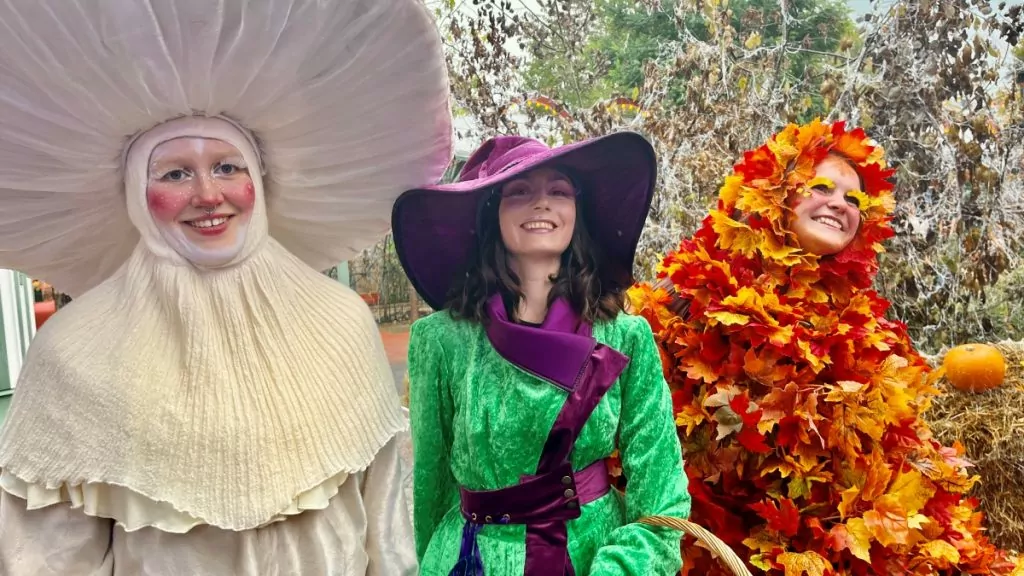
Why did we start celebrating Halloween in Sweden?
So there is no single person or event that can explain why we started celebrating Halloween.
American popular culture played a role. Restaurants, entertainment, and commerce helped introduce the celebration. Stores began selling masks, decorations, and Halloween paraphernalia. Schools and daycare centers organized parties.
But an imported tradition is unlikely to last long if people don't enjoy it. Halloween simply offers a reason to throw a party, dress up and play with things that might otherwise be a bit scary: ghosts, witches, skulls and darkness. For children, there is also a very tangible bonus in the form of candy.
Halloween also attracted opposition when the tradition was new. Some thought the celebration was too American and commercial, while others appreciated another celebration in the dark part of the year. Such differences of opinion still persist.
READ MORE: Halloween at Gröna Lund – horror, spooky fun and tips for your visit
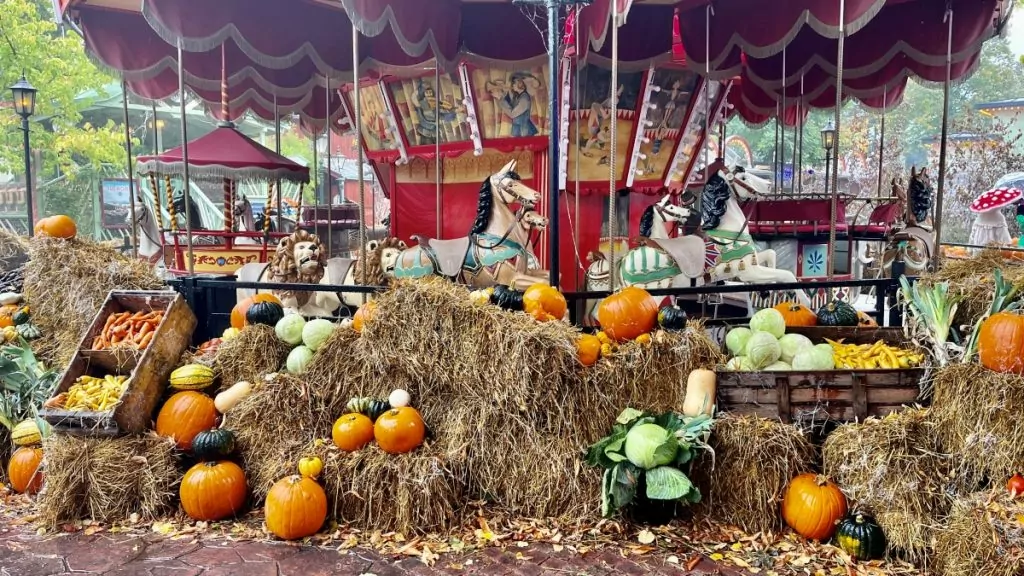
From foreign tradition to our own Halloween parties
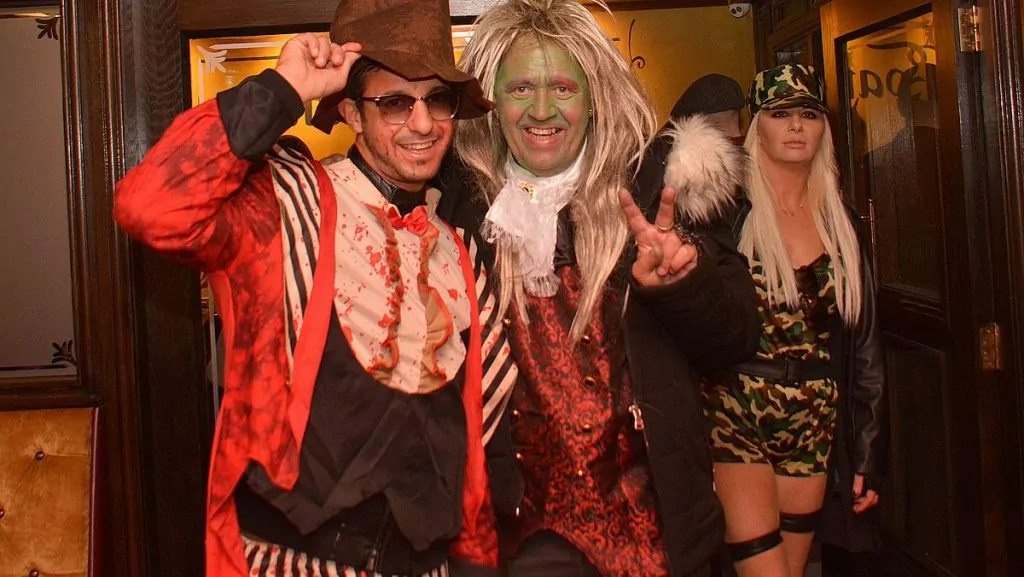
We have of course celebrated Halloween ourselves over the years. In 2012, for example, we were at Halloween party with a schlager theme – a combination that may not have particularly deep roots in Irish folklore, but we had fun! A few years later, it became a Halloween dinner and wine tasting instead, and then Halloween at Gröna Lund.
For us, the old pictures say something about how quickly Halloween became a fairly natural part of Swedish autumn celebrations. You don't even have to think too much about where the tradition comes from to organize a masquerade, carve a pumpkin or cook a Halloween-themed dinner.
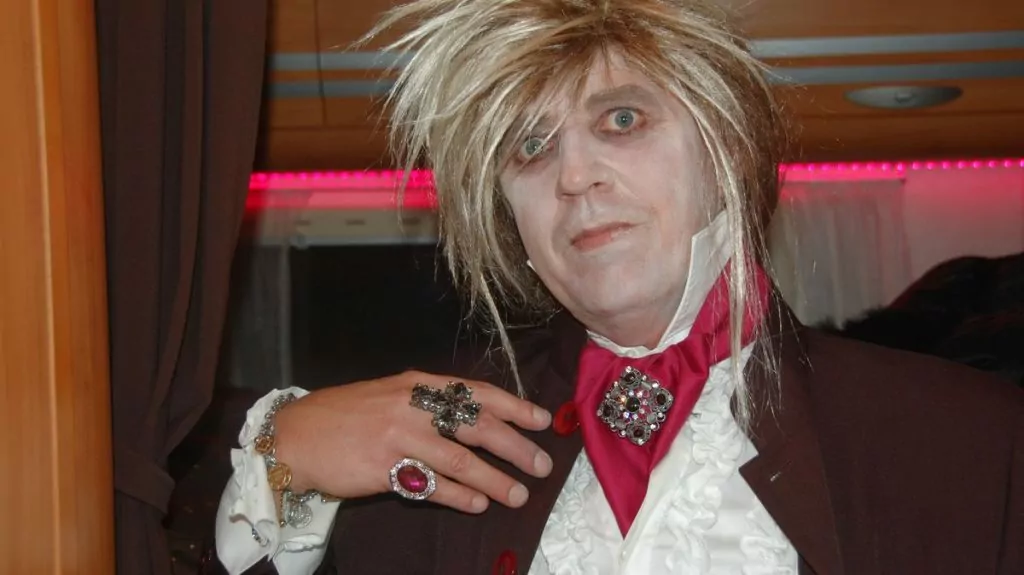
How is Halloween celebrated in Sweden today?
Today, Halloween is established in Sweden, especially among children, young people and families with children. The Institute for Language and Folklore describes the celebration as firmly rooted among younger generations. The celebration can of course look very different. Some common elements are:
- that children dress up and go trick or treat
- Halloween parties and masquerades
- carved pumpkins and other decorations
- ghosts, witches, bats and other horror themes
- Halloween food and pastries
- horror movies and theme nights
- Halloween celebrations at amusement parks and other attractions
We have thus gone from Halloween being perceived as something fairly new and American to pumpkins now appearing everywhere as October draws to a close.
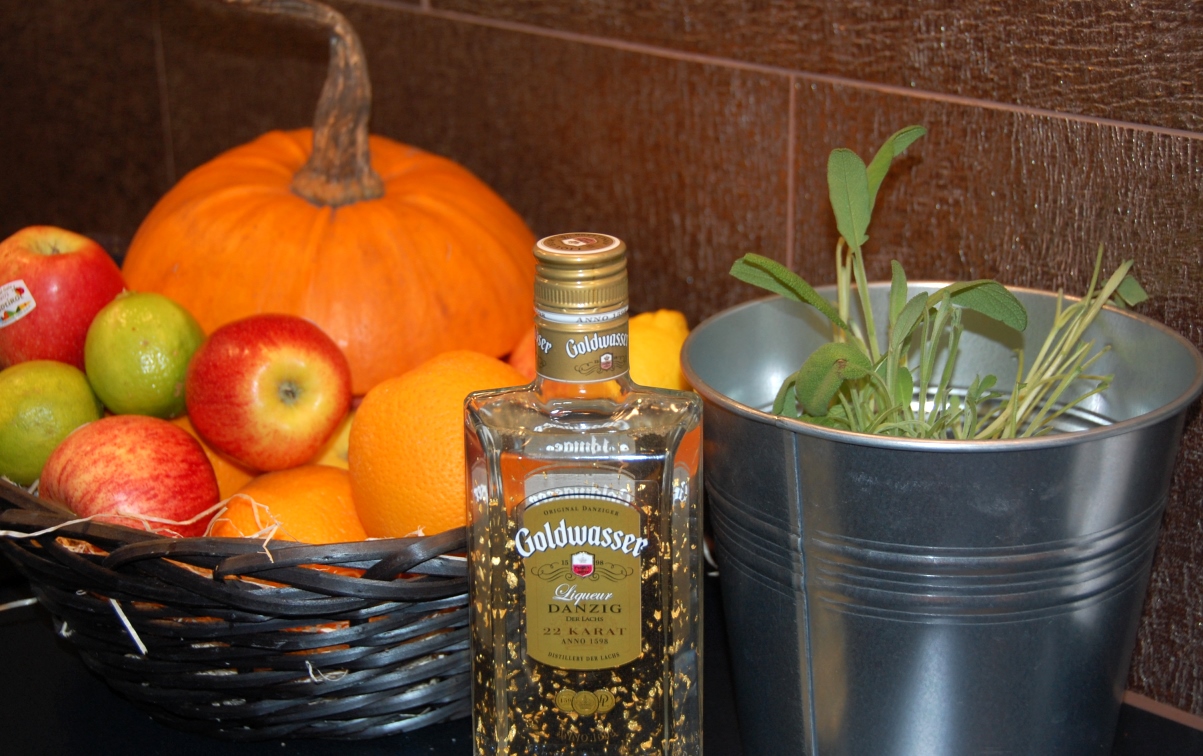
When is Halloween in Sweden?
Here comes the simple answer: Halloween is October 31st. The date is fixed and does not change from year to year.
The confusion arises because Halloween is close to the Swedish All Saints' Day, which, however, moves around in the calendar. All Saints' Day always falls on a Saturday sometime between October 31 and November 6.
This means that Halloween and All Saints' Day are close to each other in some years and sometimes even coincide.
In practice, it also happens that Halloween parties and children's trick-or-treating are moved to a nearby Friday or Saturday, simply because it suits them better than a regular weekday evening.
But the question ”When is Halloween?” So there is a simple answer: October 31. Every year.
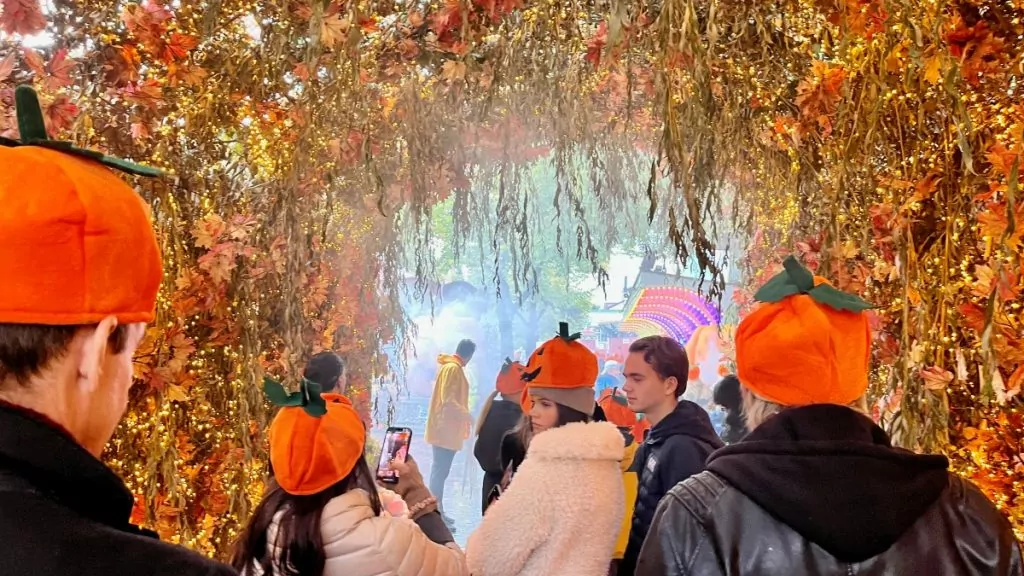
Are Halloween and All Saints' Day the same thing?
No, Halloween and All Saints' Day are not the same holiday, even though there are historical similarities and they are close together on the calendar. In today's Sweden, the difference is quite clear.
Halloween is associated with pumpkins, costumes, horror, parties and trick or treat.
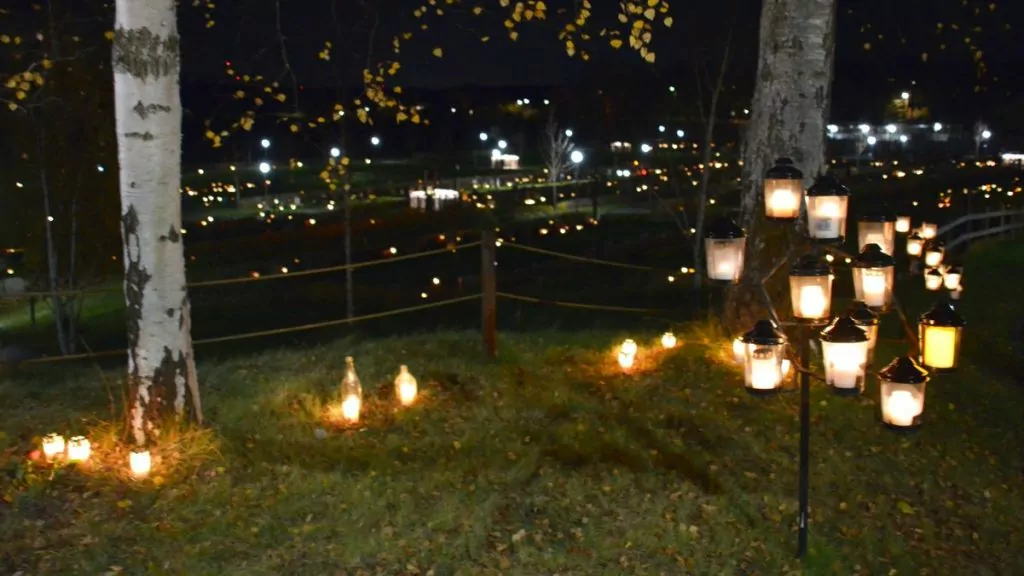
All Saints' Day is a quieter holiday when many people visit cemeteries, light candles and remember people who have died.
Of course, one does not have to exclude the other. You can very well enjoy both the Halloween party and the beautiful tradition of thousands of candles in cemeteries.
READ MORE: All Saints' Day and All Souls' Day – how the days are connected
From Irish turnips to Swedish pumpkins
The history of Halloween is actually a good example of how traditions work. They rarely arise ready-made in a single moment. Instead, they change as people, religions, and cultures come together.
The history of Halloween includes the Gaelic festival of Samhain and ancient beliefs about winter, darkness and supernatural powers. There is the Christian All Saints' Day, Irish masks and jack-o'-lanterns, the migration to North America and the American development with pumpkins and trick or treat.
And finally the modern version reached Sweden, where in just a few decades it went from a foreign American phenomenon to children ringing the doorbell and shouting "trick or treat".
Or, for that matter, Peter at a hit Halloween party. Traditions simply rarely stand still. And Halloween is still in the middle of its journey.
You might also like:
 Facts about Lucia - 15 things you (maybe) didn't know


 9 places associated with Lucia
 Aunt Anna and death - All Saints' Day and cemeteries of the world
 Christmas trees through the ages – Aunt Anna and the Christmas trees
 Lucia in the past, present and future – a tradition in constant change


 English (UK)
  Svenska
Anette says:
I don't really feel anything for Halloween, I'm probably not at the right age to care. I remember my daughters going to Halloween-themed parties when they were little. I actually don't know if they are at parties like these now as adults.
An opportunity to throw a party is always fun.
Are you going to a Halloween party?
27 October 2018 - 8:50
Helena says:
Halloween will surely mean more to those who have grown up with it. And no, no Halloween party for us, as far as we know anyway 😉.
27 October 2018 - 18:54
Britt-Marie Lundgren says:
No, but no thanks!
Still, it was nice to get some history on how the celebration originated. I actually thought it came from the US.
I don't like days that are more or less shopping holidays, such as Halloween, Valentine's Day, Mother's Day, etc.
Conclusion: No Halloween is celebrated here...
27 October 2018 - 9:04
Helena says:
I'm also not so fond of the parts of traditions that are just about commerce. I think the basis of Halloween is completely different from shopping, but since we don't have a "deep" Halloween tradition, it might feel different.
27 October 2018 - 18:56
Matts Torebring says:
I'm glad you're bringing it up and giving me a chance to protest against the celebrations!
There are few things I dislike as much as Halloween. We refrain from all sales within the company related to this pagan celebration. This is a sad behaviour, within Swedish trade. I hope it burns out in the sand. For us, All Saints' Day is something nice, to remember those who have gone before.
27 October 2018 - 9:11
Helena says:
But it's good that you got to protest a bit Matts 🙂 I can partly understand your point of view. At the same time, I am interested in and find it exciting with old traditions in a way.
27 October 2018 - 20:12
Ama de casa says:
I myself have a tradition of celebrating hello wine. A bit uncomfortable, but traditions are meant to be kept 😀.
27 October 2018 - 9:31
Helena says:
I'm looking forward to seeing photo evidence of this year's celebrations 🙂 ).
27 October 2018 - 20:12
åsa/nalta norland says:
For children/young people, Halloween is something they have "grown up" with and completely natural, Elin has been going to Halloween discos since kindergarten age and for the last three or four years she and her friends have been going around begging for sweets... more or less in costume.
I'm not a big fan of either Father's Day/Mother's Day, Valentine's Day or Halloween, but now it's just a matter of "liking the situation".
31 October is the day Halloween is celebrated here.
27 October 2018 - 9:37
Helena says:
I also think it will change. For those who have grown up with it, it's different from those of us who haven't.
27 October 2018 - 20:13
Veiken says:
Masquerade is fun, but Halloween is uncool. I have read as much as possible about this Irish/Scottish tradition that the emigrants there brought to the USA! Here it is the merchants who have drummed in their message and naive Swedes have bought it. Is there no other spectacle that the merchants can bring here? The Swedes are probably buying it too.
We are not at home when the doorbell rings. The children will be collecting while their parents stand in the background cheering them on.
Last year I wanted to put on a horrible mask and scream BUUU when the phone rang and if I answered it. . I was not allowed by my kind and caring husband.
Take care...... ?
27 October 2018 - 13:43
Helena says:
I agree that the part about shopping as much as possible is not so much fun. I think the origin is about something else. At the same time, we are perhaps fortunate, there are almost never any children knocking on the houseboats 😉.
27 October 2018 - 20:15
Ditte says:
Thanks for the information, however, it feels far from Swedish traditions.I can't see this as a holiday in Sweden.
But I have during a visit to the USA been involved in celebrating the 31/10 and was very nice and very fun. But here at home I do not understand it all. And it's 31 October. Why another date? Nor do I like the idea of begging for sweets. On the other hand, we like to embrace Amas "Hall and wine" - preferably with friends and good food.
27 October 2018 - 13:48
Helena says:
It is perhaps true that it is far from Swedish traditions today. At the same time, traditions are something that is constantly changing. By the way, I agree that Amas Hall å vin sounds like a nice tradition 🙂 .
27 October 2018 - 20:17
Lisa / livetfrandenljusasidan.se says:
For my children, it is completely natural and super important. Regardless of origin and how new it is here.... accept. Almost embrace. Pga is fun and somehow - Sweden is renewed. Getting influences. It is natural development.
27 October 2018 - 14:01
Helena says:
I also believe that traditions are something that is constantly evolving and changing. I can't say I celebrate much (unless I happen to be invited to a Halloween party) but as long as it's fun and positive, I have no objection.
27 October 2018 - 20:18
JoY says:
Nothing we celebrate but the grandchildren had a party at school. Then I do not like to open the door when it is black outside and there are masked people outside. Quite ok if it is small but when it goes off and becomes the larger figures, no thanks.
27 October 2018 - 15:06
Helena says:
I understand! We haven't really had to think about this with someone standing outside the door, hardly ever anyone knocking on the houseboats 😉.
27 October 2018 - 20:19
BP says:
I did not know that background. Thanks for that information! We don't celebrate Halloween ourselves, but I can say that there was not a single parking space available in Täby Centrum today. Oh there are 3,000 spaces. The holiday weekend and various Halloween events attracted a lot of people.
27 October 2018 - 18:53
Helena says:
Ojoj then it was a lot of people! No, we don't really celebrate either, unless we happen to be invited to a Halloween party 😉.
27 October 2018 - 21:27
Emma, Sol som sol? says:
Before we moved to Spain, we didn't celebrate Halloween at all. Here, however, there have been a few times where we have dressed up and it has been very nice. Parties are usually nice!
Allahelgona is somehow the opposite. A beautiful and perhaps sad moment in the cemetery. As Matts Torebring mentions above, one thinks of those who have gone before. Beautifully expressed.
I like the idea of lighting a candle for my loved ones who have passed away more than scaring them away with sweets and make-up.
But then I always marvel at the people who are horrified by the "Trick or Treat", begging for sweets. Do the same people despise the Swedish tradition of Easter bunnies? No, I don't think so.
27 October 2018 - 19:50
Helena says:
Maybe it will be a bit tricky with All Saints and Halloween almost at the same time? But I agree, I don't think people are upset by Easter carvings in the same way 😉 .
27 October 2018 - 21:29
Nils-Åke Hansson says:
I have no understanding of Halloween
27 October 2018 - 19:57
Razzy says:
If Halloween had been embraced from the beginning for what it stands for instead of a massive shopping party, we in Sweden would probably have embraced the tradition more than we have done. I myself think that it is neither bu nor bä, we do not have to buy anything so it is up to each one 🙂 Here at home there is a little candy outcome someone would knock on. Hugs Eva
28 October 2018 - 8:54
Reiselinda says:
No traditions here when it comes to Halloween. Have some difficulty with these events that are driven by commerce. Probably wouldn't say no to a costume party if invited, but it would be to have fun with friends and not because of the tradition!
28 October 2018 - 11:28
Lena -gott för själen says:
Yes, Irish origin! Nice to know the background! I could have googled it myself, but it's always nicer to find out like this!
Hug Lena
04 November 2018 - 9:03