

Text and photo: Mauro Rongione
Belgium is small on the map but oversized when it comes to beer and spirits. Here, centuries-old breweries coexist with draft beers, lambic with whiskey, genever with gin, and medieval traditions coexist with producers who like to break the rules. We travel through Flanders, from Antwerp and Mechelen to Sint-Truiden, Pajottenland and Ghent.
 Tweet
 Share
 Share
 Pin
 Share
 Share
Table of contents
Back in the Belgium of memories
It's strange to return to a place where you were once young, broke, and convinced that an Interrail pass and a worn-out sleeping bag were all you needed to discover Europe. Antwerp Central Station was one of the first I came to during my years of train hopping, and here I once slept on the floor, when comfort meant that the ground was reasonably flat and the next train could go almost anywhere.
Now I'm standing at the station again, a beautiful railway cathedral of stone, iron and glass. I think of the time when express trains rolled through Belgium and Ostend was a gateway to the continent, with connections onward to Venice, the Balkans and Istanbul. In my imagination I see dark wood, crystal glasses, cigarette smoke and evening dresses, when the train carriage could be both a salon, a restaurant and the rock'n'roll of the day.
Belgium is difficult to interpret. Is this the country of Tintin and Captain Haddock, Leopold II's dark legacy from the Congo or Brussels, the EU, French fries, chocolate and a wide variety of beers? But Belgium is unlikely to become an alpine ski country and a Belgian Ingemar Stenmark still feels distant. When it comes to beer, the competition is fierce. In addition, the country is going to surprise me with really good whisky.
Where history still ferments
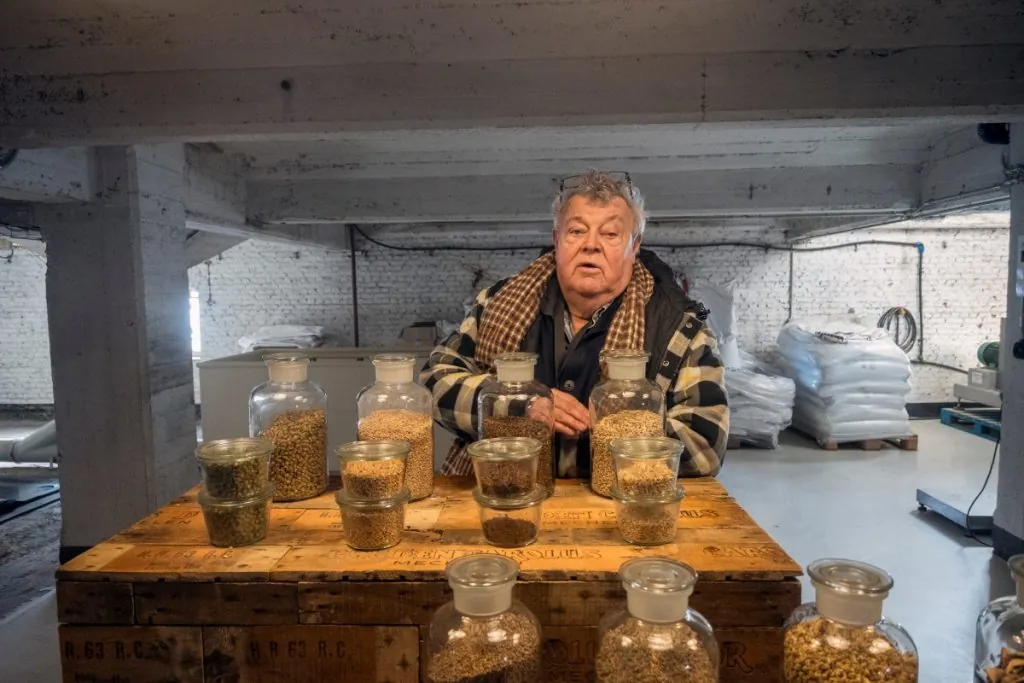
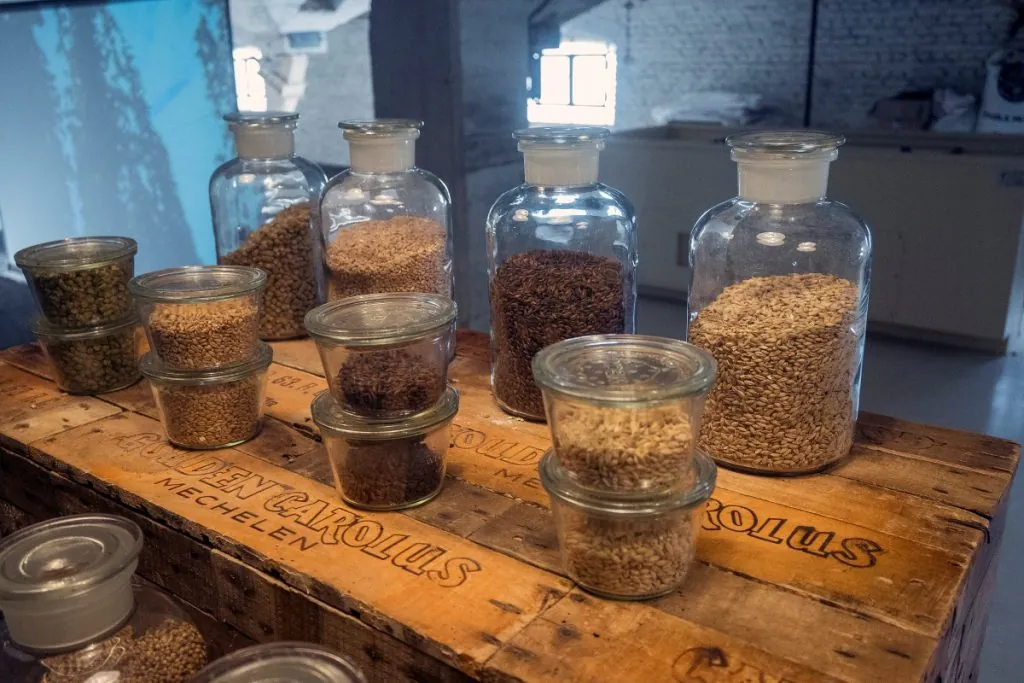
In Mechelen, the journey begins at the historic Brouwerij The Anchor, in the middle of the city's old beguinage. Guide Luk Peirlinck says that as late as the 1980s there were around thirty breweries here. Today, Het Anker remains, whose history stretches back to the Middle Ages.
The Beguines were women who lived religiously without becoming nuns and without lifelong monastic vows of poverty and obedience, which gave them an unusual independence for their time. They created their own small communities with healthcare, crafts, farms and bakeries. Mechelen's Groot Begijnhof also had a church, hospital and brewery. At the hospital, beer was brewed for the sick, and in 1471 Charles the Bold exempted this beer from taxation.
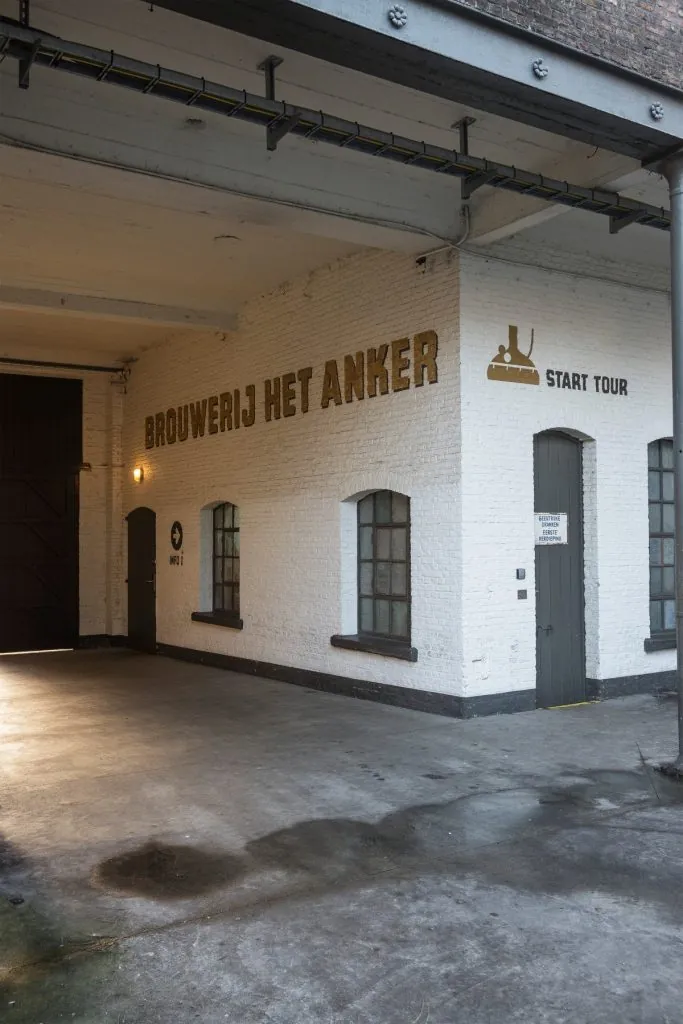
It is in the middle of this history that Het Anker still lies. When Charles Leclef, the fifth generation owner, took over in 1990, he chose specialty beers and brewery tourism over industry volumes. Gouden Carolus Imperial Dark, 11%, moves between dates, figs, coffee and chocolate, while Gouden Carolus Tripel, 9%, is lighter with citrus, white pepper, coriander and vanilla. The name Gouden Carolus, Golden Karl, refers to Emperor Charles V and according to Luk has its roots in a beer that was brewed for the Order of the Golden Fleece as early as 1491.

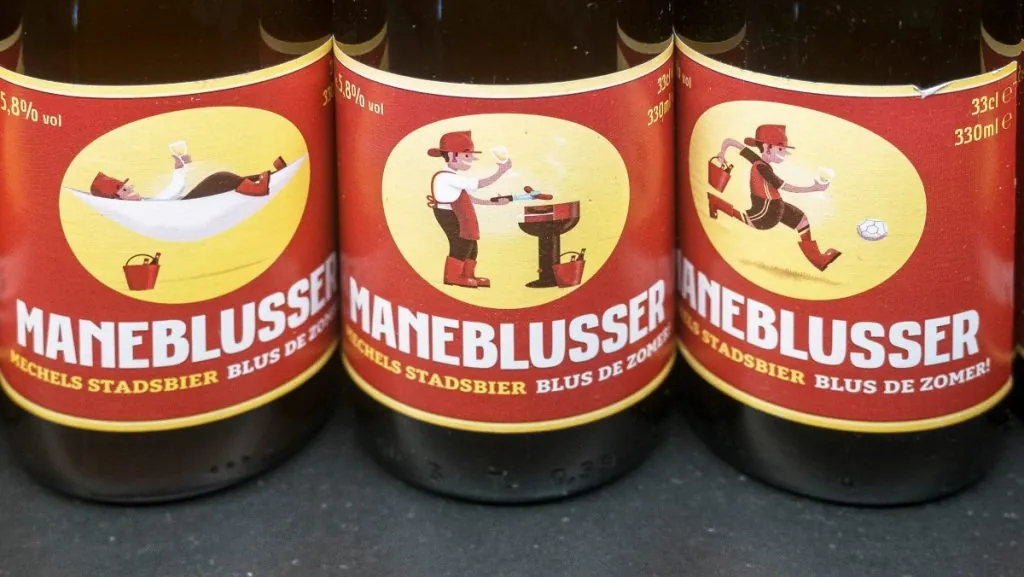
Mechelen also has one of Belgium's most famous legends. On a foggy January night in 1687, a man saw a yellow-red glow around the tower of Sint-Rombouts Cathedral and raised the alarm. The townspeople, wide-awake, rushed there with buckets of water, convinced that the tower was on fire. When the fog lifted, the glow turned out to be the moon.
Since then, the people of Mechelen have been called Maneblussers, the moon-extinguishers, and Het Anker has of course brewed a 5.8 % blond ale with the same name. Just over three hundred years later, the city can still toast to the night when the residents tried to put out the moon.

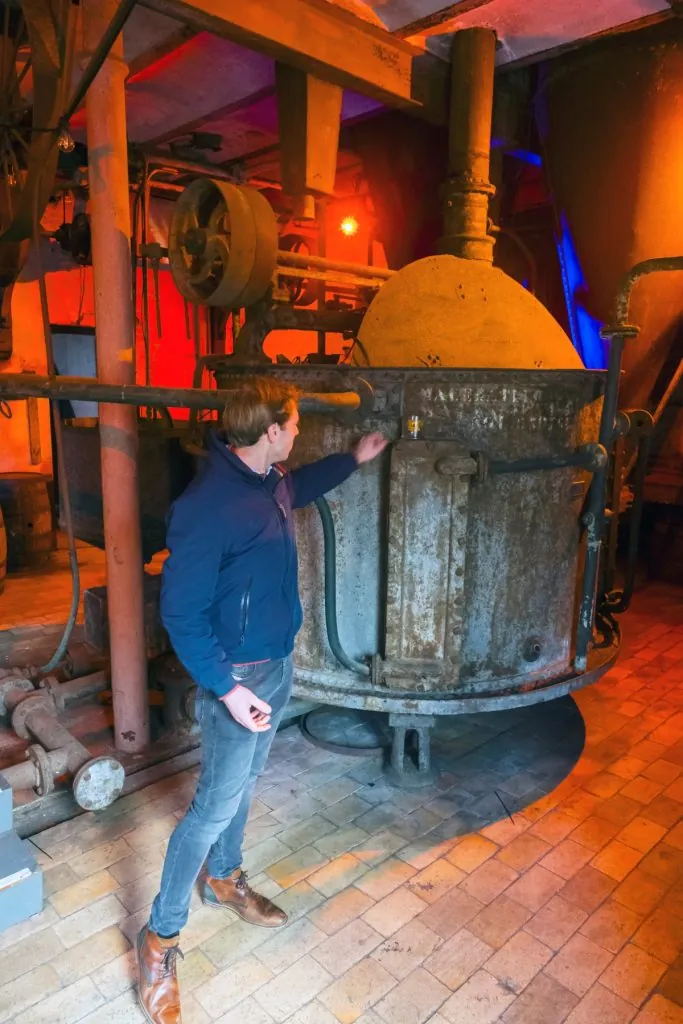
Here I also discover Gouden Carolus Single Malt. Distillation began in 2010 with the same malt base as used for Tripel. At Stokerij De Molenberg in Blaasveld, the wort is distilled in copper pots, but without hops and beer spices. The whisky is first matured in first fill bourbon barrels and then in special Anker barrels. At 46 %, it is smooth and full-bodied with fruit, malt, vanilla, oak and caramel, clearly related to the area it comes from.
Flemish rock'n'roll
The road to Sint-Truiden runs through one of Western Europe's great fruit growing areas. Here lies The Wilderman, where beer and spirits were produced until 1939 before the business was revived much later.
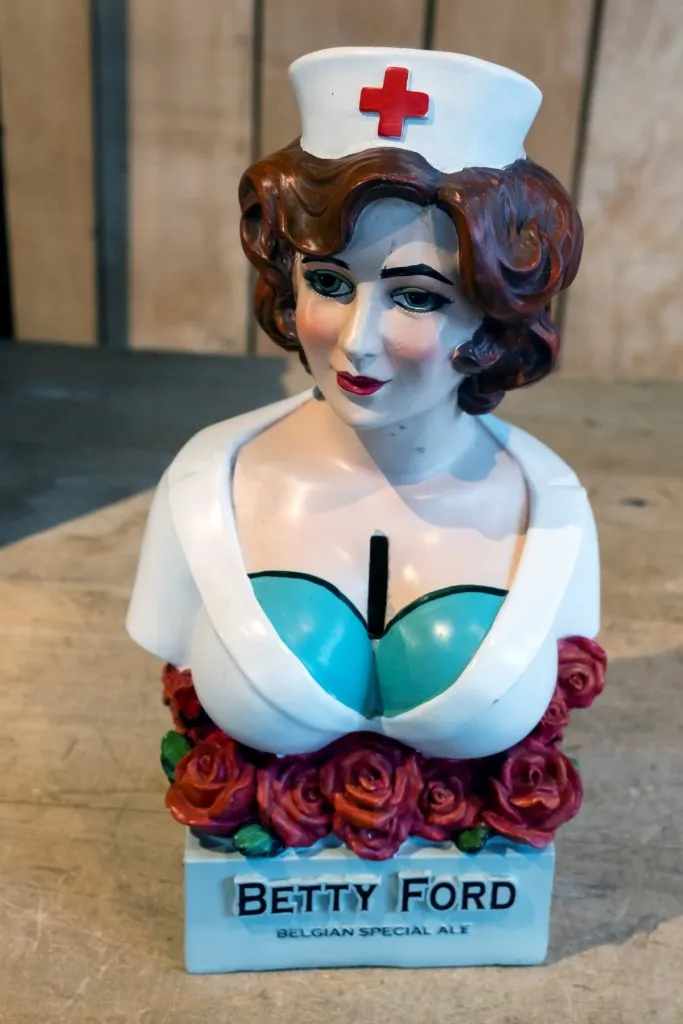
Owner Olivier Van den Bogaert works in business development, but a professional rebel brewer would have been a better fit. Their Betty Ford is named after the American first lady who openly talked about her alcohol addiction.
Olivier sees the name as a tribute, pointing out that it is the brewery’s weakest beer. I look at the label: 5.2 %. The term weak apparently has a special meaning in Belgium. Betty Ford is malty with strawberries and rhubarb, Wilderen Goud draws on citrus and banana, while Tripel Kanunnik, 8.2 %, is brewed with barley, wheat, oats and rye.
Wild Weasel Whiskey, named after a family of weasels around the distillery, offers nuts, fruit, oak and caramel. When a major retailer wanted to secure all of the whisky production for many years to come, Wilderen turned it down. Freedom was more important. Double You Gin is made with 21 botanicals and spices, while Eau de Bière is distilled from leftovers from Tripel Kanunnik.
Bowie, Lou Reed and a stone mill
West of Brussels the city thins out and Pajottenland begins with farms, fields and rolling fields. Here lambic has its deepest roots, with spontaneous fermentation and microorganisms from the environment as part of the process.
Here I meet Manu De Cort, who together with his wife Sofie runs the family distillery The Cort. Although in reality everything could have been given a completely different name. The first business was called Ground Control, after David Bowie's Space Oddity, and the plan was a whisky called Major Tom for Bowie's 70th birthday. Bowie died before the project could be realized. Then Manu and Sofie settled on Perfect Day, after Lou Reed, but the name was already taken. In the end, the children wondered why they didn't use their own name. So it became De Cort.
The family grows their own potatoes and some of the grain. Their Oude Pajotse Jenever is based on rye, barley and malted barley that is ground in an old stone mill, distilled and flavoured with juniper berries and St. John's wort before the spirit is aged in oak. The potatoes become vodka, while what doesn't make it to the distillery can end up as the local fries. From fields to vodka or deep fryer, sometimes Belgian gastronomy is less complicated than you think.
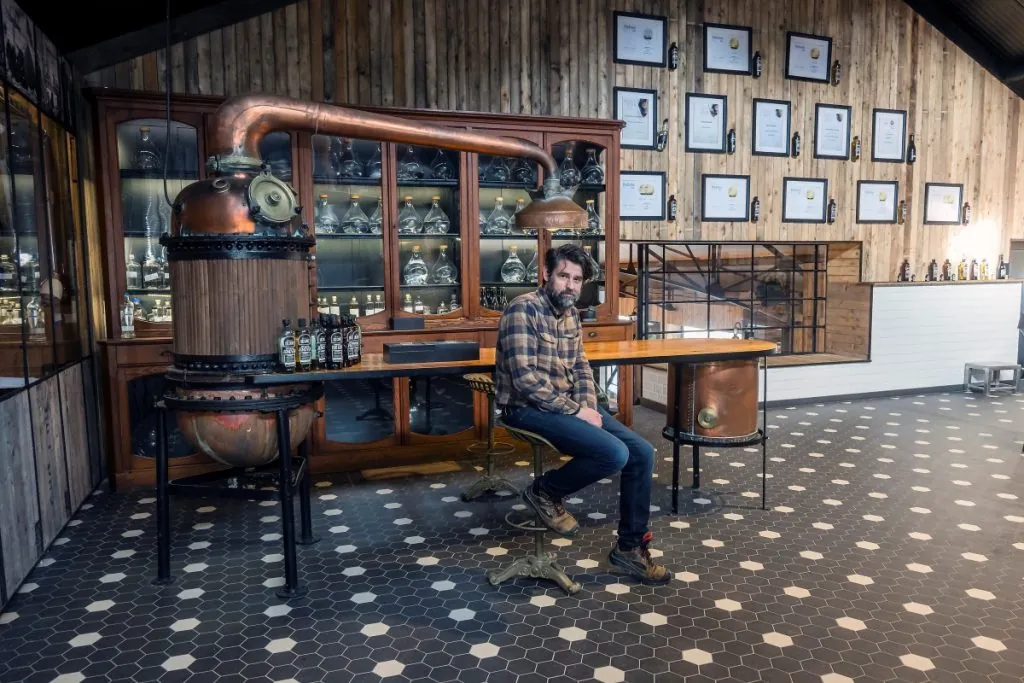
Manu works with both pot stills and column stills, but most fascinating is the encounter between whisky and Pajottenland lambic. Why try to create a Belgian whisky that resembles a Scotch when you are in the middle of a landscape with its own unique beverage identity?
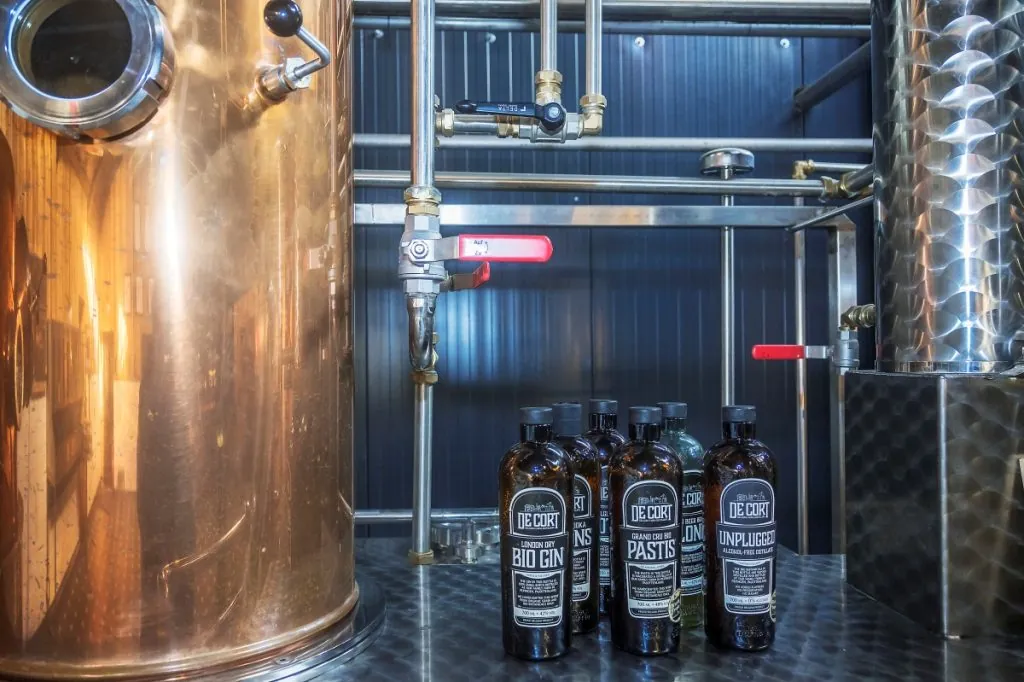
De Cort's independence has been put to the test. Larger companies have wanted to buy the business several times, and by the fifth offer, the amount was so high that Manu and Sofie had a serious discussion about it. Sofie asked what he would actually do if he sold.
Probably buy new boilers and build a new distillery. Then he might as well keep what he already had. And the pension? Manu rather sees a rocking chair among the boilers, close enough to still be able to check the quality with a glass every now and then. It's hard to imagine a better place to open the orange envelope than in Pajottenland.
Ghent, the Wise Man and Colorado
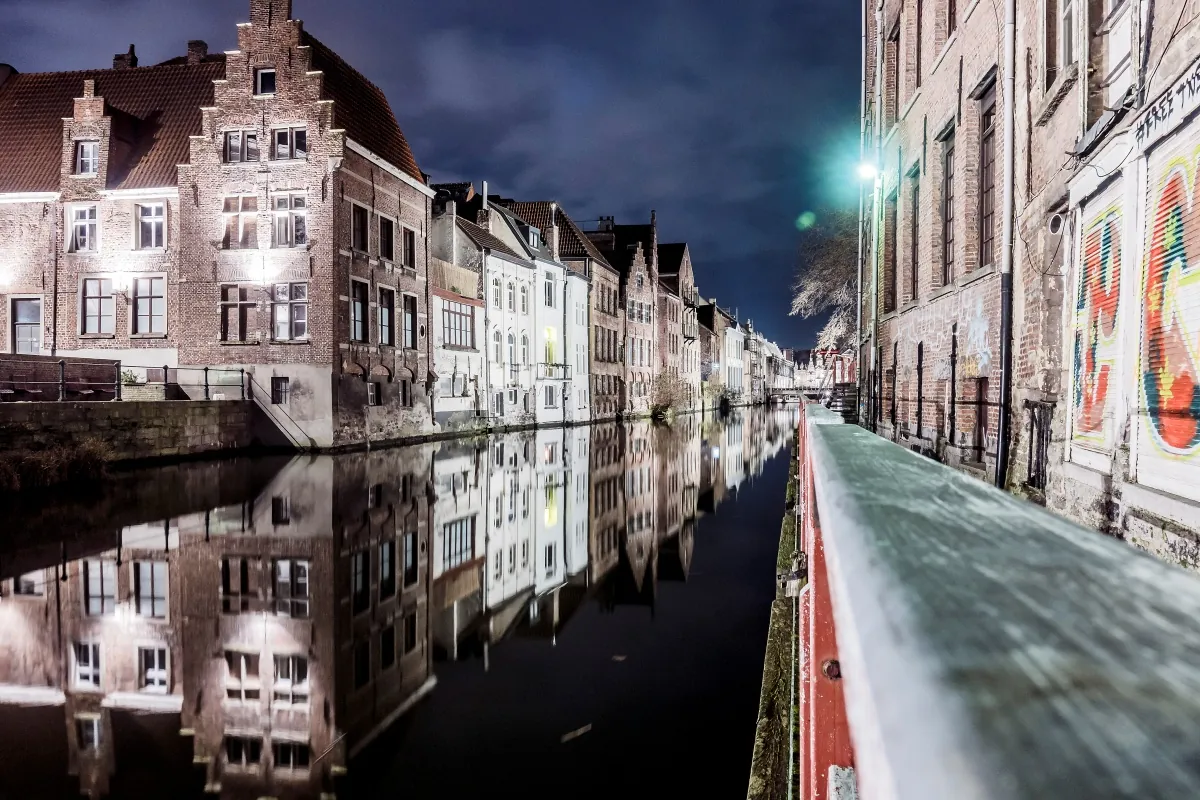
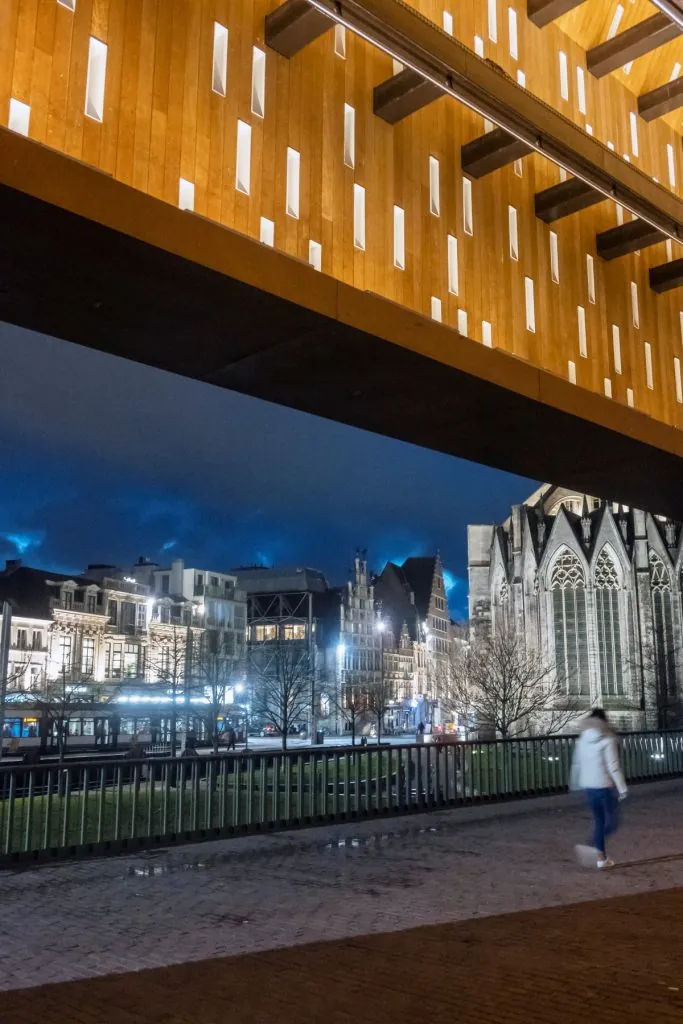
Ghent is the city where the dramatic backdrops of the Middle Ages meet a rebellious and vibrant present. Between stately castles, mirrored canals and bustling quays, trams, cyclists and pedestrians weave together in a dynamic rhythm.
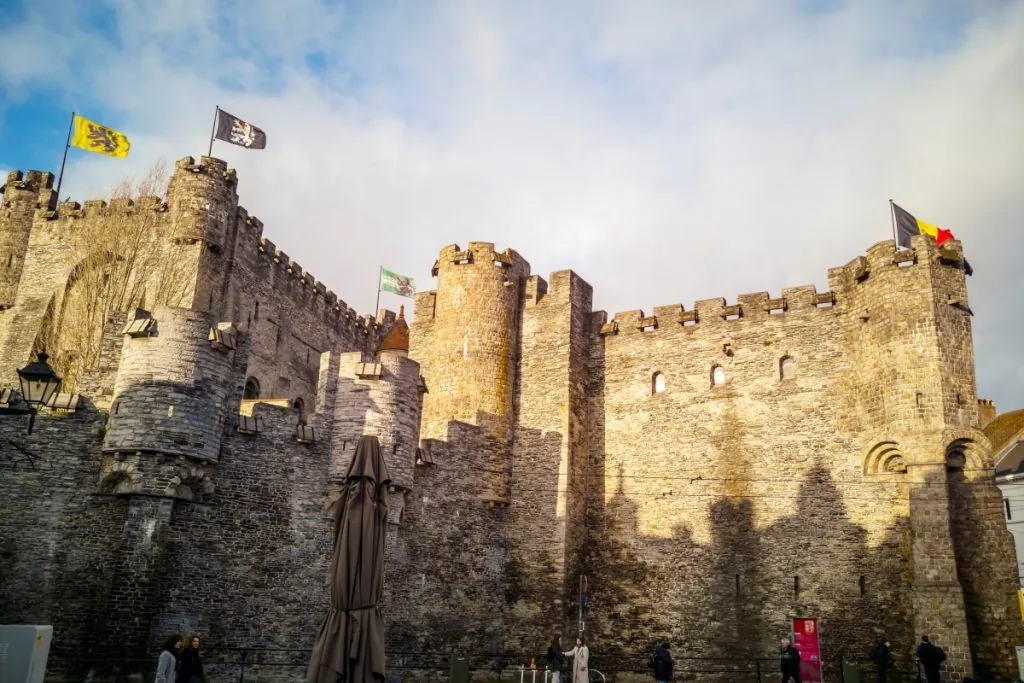
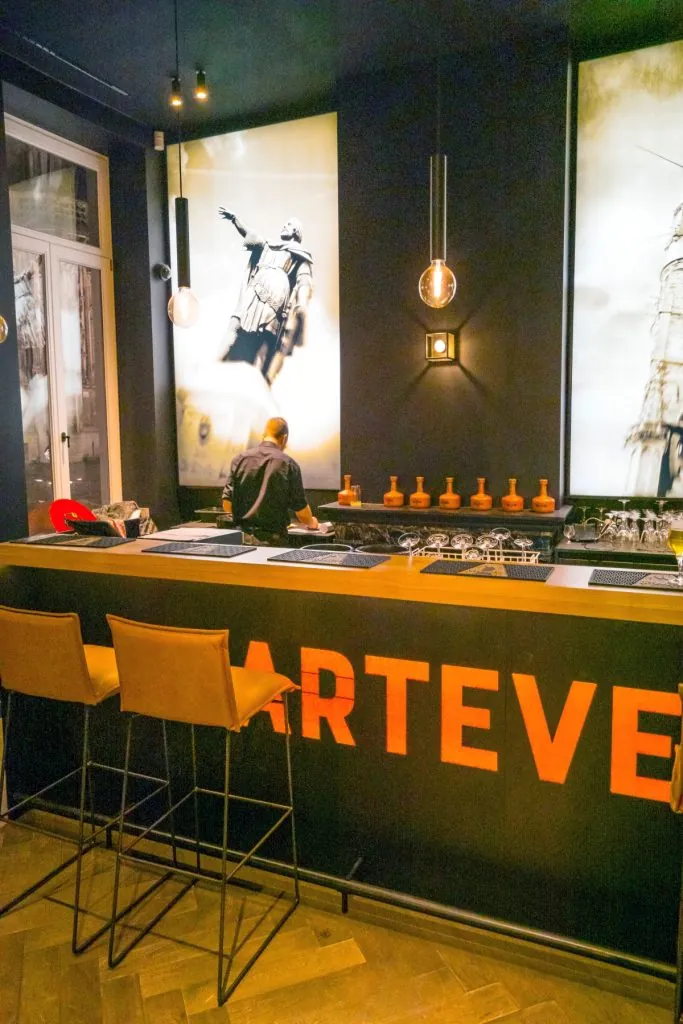
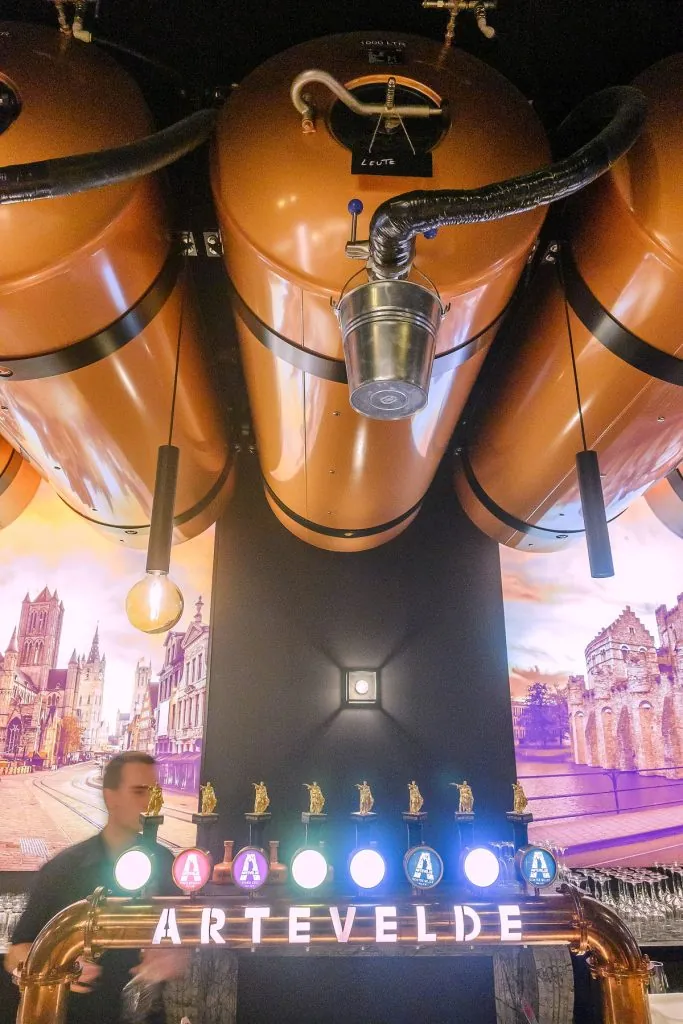
On the Vrijdagmarkt stands the statue of Jacob van Artevelde, a 14th-century merchant, politician and brewer, known as ”the wise man.” He belonged to Ghent’s influential brewers’ guild and has become a symbol of the city’s beer tradition.
The beer Artevelde was long brewed by Brouwerij Huyghe in Melle, known for Delirium Tremens, but in 2022 a microbrewery in Ghent was named after it. Their Artevelde Leute is blond and spiced with coriander and paradise seeds, while the eight percent Artevelde Wijze draws on pear, apple and banana. A few blocks later, a completely different story begins, with an American from Colorado, a Belgian from Ghent and a meeting in Kyrgyzstan.
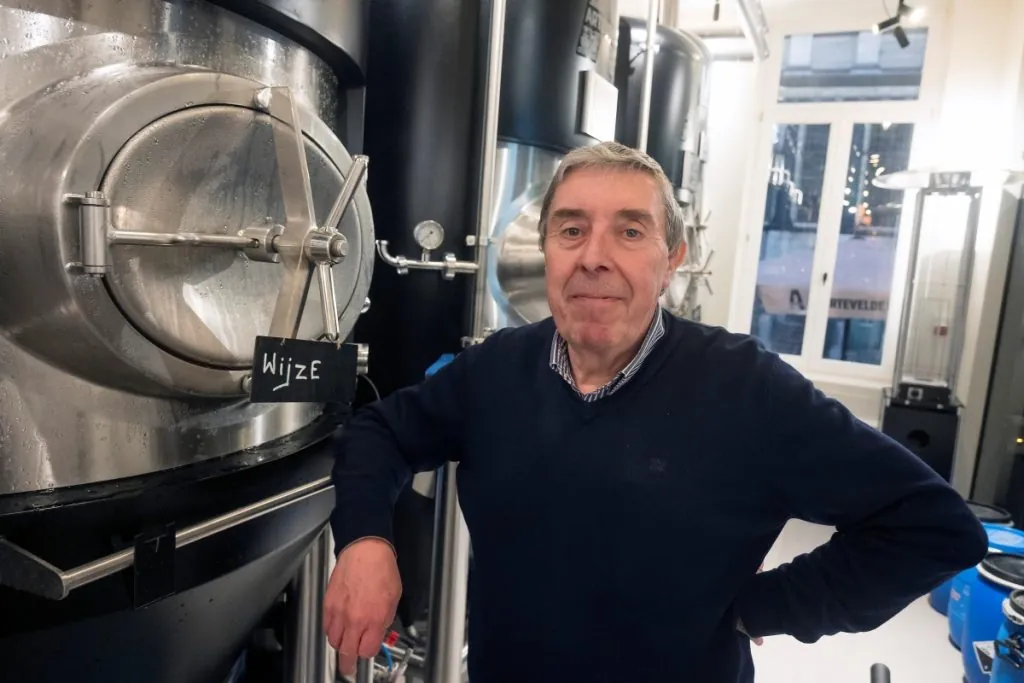
On Stream I meet Farrell Styers, who together with Carl Uytterhaegen has built a brewery far from the notion of Belgian beer as something reverently managed behind monastery walls. Carl came from renewable energy and art, Farrell from Colorado, and after meeting in Central Asia their paths crossed again in Belgium.
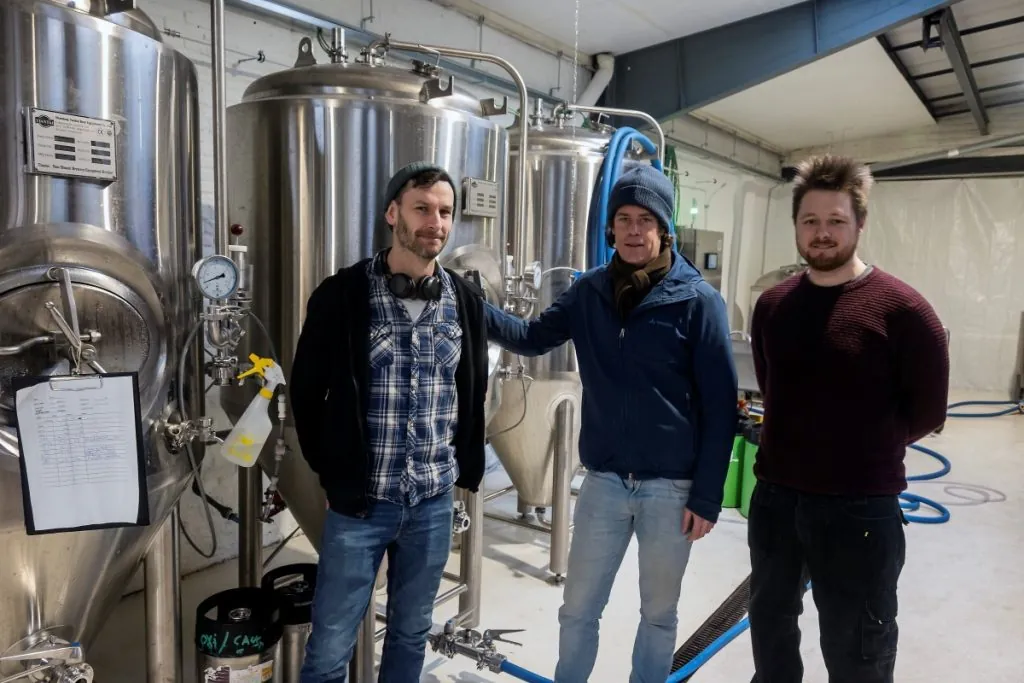
Farrell shows a photograph from the day they got the keys to the space. It looks more like an abandoned garage. Then came the pandemic, Russia's invasion of Ukraine, rising energy and commodity prices, and financing problems.
Yet Stroom remains.
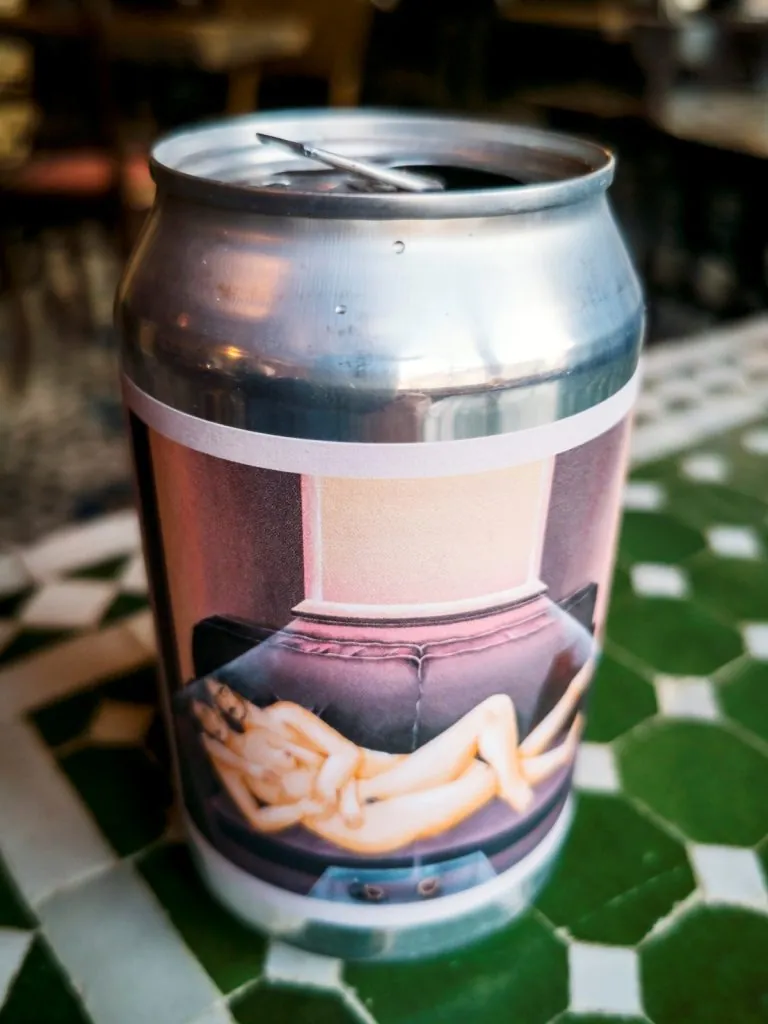
The art ends up on the cans and the artists get a share of the sales. When wild hops grew outside the brewery, Farrell and Carl gathered the neighbors, picked them, brewed beer and ended it all with a party. The result was a neighborhood brewery with a nice neighborhood feel.
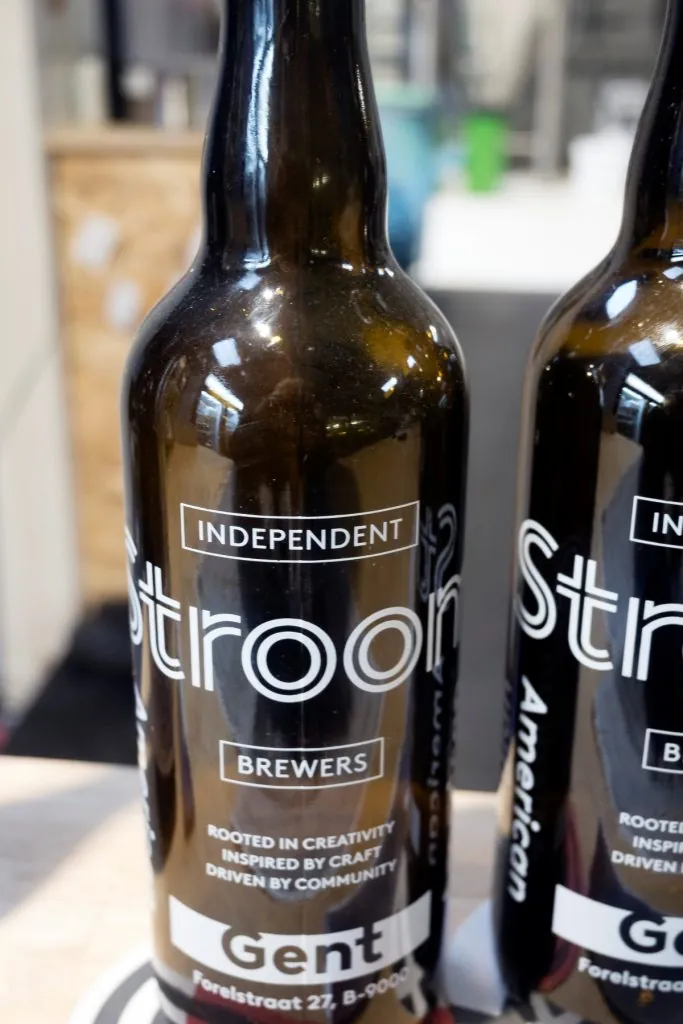
I ask Farrell how it feels to come from the US and start brewing professionally in Belgium. – Sort of like moving to Italy and opening a pasta restaurant.
He laughs. Sure, he's sometimes felt a bit punky about tradition, but the answer is simple: the beer has to be good. Yak brings Belgium together with Norway and China through Norwegian kveik yeast and Sichuan pepper, while the almost black The House goes for coffee, chocolate, oats and roasted barley. Beer with a multicultural flavor and inspired by the wanderlust of two people whose shared history, after all, began in Kyrgyzstan.
Five generations later
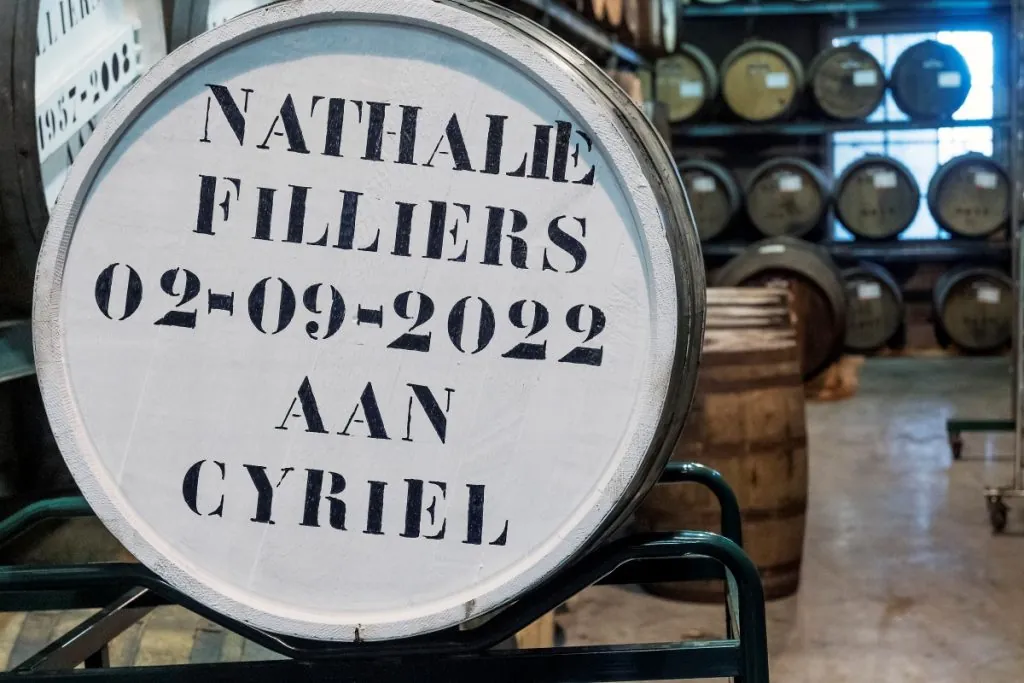
After Stroom, the journey takes you to a completely different part of Belgian beverage history. Filliers has been distilling since 1880 and five generations of the family have followed one another, with geneva as their base.
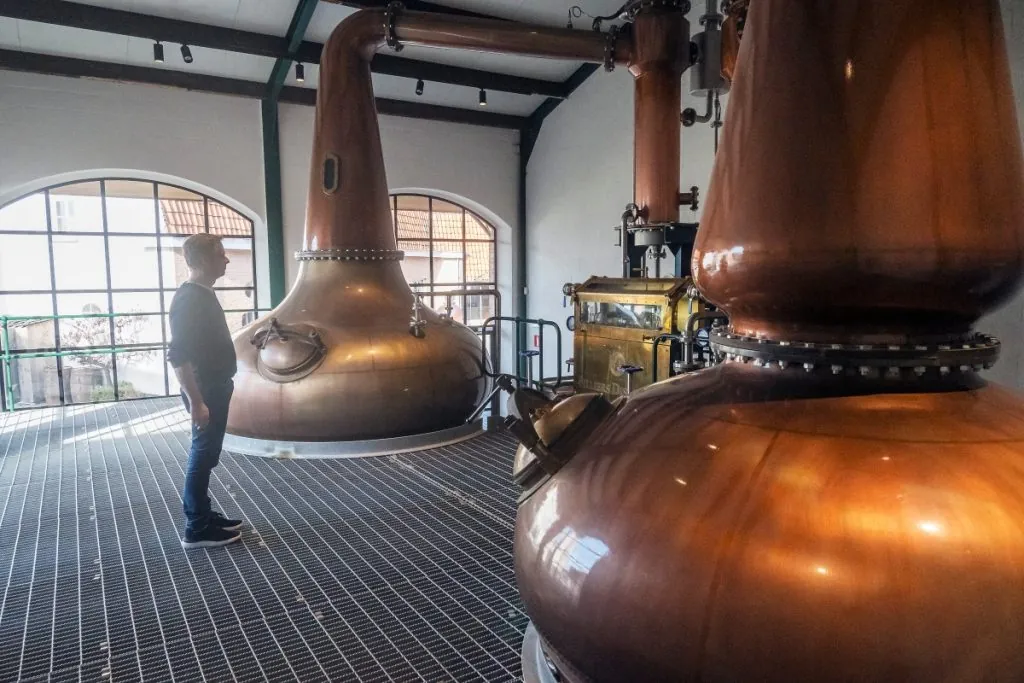
In 2007, Goldlys, a Belgian whiskey aged in American oak, was released, and in 2019, Filliers Single Malt, where raisins and figs meet sherry, orange, caramel, nuts and herbs.
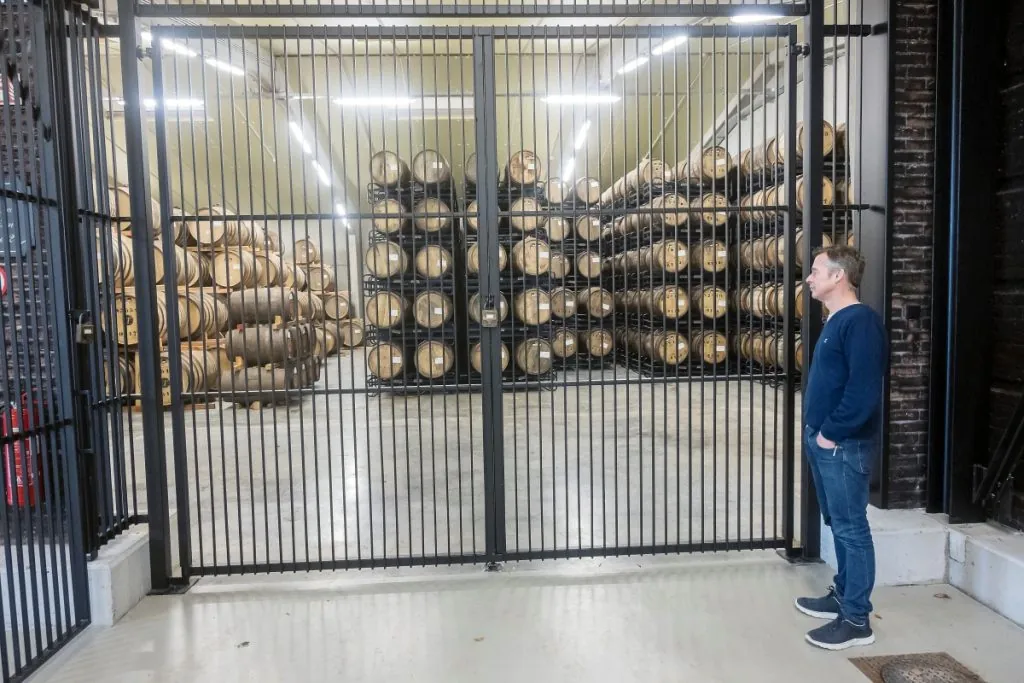
After Het Anker, Wilderen, De Cort and Filliers, Belgian whisky hardly feels like a curiosity anymore. The word whisky may be young in the country's drinking vocabulary, but the craft is not. Belgium has been working with grain, malt, fermentation, boilers and barrels long before anyone started wondering if whisky could compete with Scottish whisky.
Much more interesting is how the whisky tastes when Belgian distillers stop looking towards Scotland and start experimenting where they stand.
Towards the North Sea
After a few days among breweries and distilleries we drive towards De Haan and the North Sea. For the first time in several days, I don't have a tasting glass in front of me and my thoughts go back to Antwerp Central Station and the worn-out sleeping bag, when I still believed that a country could be understood if you just got off the train, walked a few blocks and ordered something to drink.
Belgium turned out to be more complicated than that. Here, medieval brewing tradition can become modern whiskey, a gin producer makes single malt and an American from Colorado brews beer with Norwegian farm yeast and Sichuan pepper, while the lambic in Pajottenland still carries flavors closely associated with the place where it is brewed.
Perhaps the common Belgian denominator is therefore not found in malt, hops or yeast but in stubbornness, curiosity, humor and the will to do things their own way.
And Belgian stubbornness still has a long way to go before it is completely fermented.
We will probably have to wait even longer for a Belgian "Ingemaar Van Der Steenmarck" and his first medal in a Winter Olympics.
Flanders: travel, accommodation and food
Brussels Airlines
Two flights depart from Arlanda a day, with a travel time of approximately two hours.
Hotel Het Anker Brewery
Three-star hotel next to the historic brewery, with the city's main attractions within easy walking distance.
Brasserie Het Anker
Here it would be a misdemeanor not to order a Gouden Carolus Imperial Dark from HetAnker, preferably with a generous helping of Belgian fries. The steak with mushroom sauce, on the other hand, goes wonderfully with a Gouden Carolus Imperial Blond. Then all that remains is to sink into the bar sofa and join Tintin on yet another adventure.
Martin's Patershof Hotell
Centrally located hotel in a carefully restored 18th-century church, where the original stone walls and exposed wooden beams give each room its own historic character.
Hotel Harmony
Modern small boutique hotel in the heart of medieval Ghent, close to Gravensteen, Sint-Baafskathedraal and Korenmarkt. Restaurant with local cuisine, wellness area with steam sauna and a lovely roof terrace with panoramic views of the city.
Ghent City Card
The Ghent City Card costs 49 euros for 48 hours and 55 euros for 72 hours (at the time of writing). The card includes public transport, free entry to museums and attractions, as well as a boat trip and bike rental. In the middle of Ghent's charming Patershol quarter is this elegantly decorated restaurant, where a creative chef draws inspiration from the world's different food cultures and transforms the ingredients into small works of art on the plate.
Restaurant, bar De Kleine Kunst
Not far from the Stroom microbrewery is this small, colorful lunch spot where homemade home cooking, craft beer and a slightly bohemian interior create a wonderfully relaxed atmosphere. In the evenings there is live music, and anyone who appreciates the simple, personal and genuinely pleasant will feel at home.
Follow Mauro here:
Mr Mauro Rongione
You might also like:
 The fairs for those who want to know more about the latest beverage trends
 Beer and wine in Tallinn - beer bars, German beer hall and Ukrainian food
 Visiting High Coast Whisky - guided tour, tasting, food, venue
 Friday blog: Houseboat life, Uzbek meeting and Indian whisky
 Champagne facts - 25 things you (might) not know
 In the shadow of the tide – a taste journey through northern Germany



 English (UK)
 Svenska