



Writer: Helena Bergström
Updated: October 2026 | When we booked a trip to Kenya over Christmas and New Year 2007, we hadn't even noticed that there would be a presidential election. A few days later we were stuck in a small guesthouse in Mombasa while the violence escalated outside. Finally we realized that we had to try to get out of the country. This is the story of our most dramatic trip.
 Tweet
 Share
 Share
 Pin
 Share
 Share
Table of contents
We hadn't even thought about the election.
At the time, we both had regular jobs and, like so many others, tried to use the Christmas and New Year holidays to go on a slightly longer trip. This time we bought plane tickets to Nairobi in Kenya. We didn't have a detailed itinerary. We hadn't even booked any accommodation. It would work out, we thought.
Only later did we notice that Kenya was going to hold presidential elections while we were there. We checked the Foreign Ministry's information and similar sources. Among other things, there was a warning about crowds. Yes. Then we had to avoid crowds. In retrospect, we can say that we didn't really understand what we were getting into.
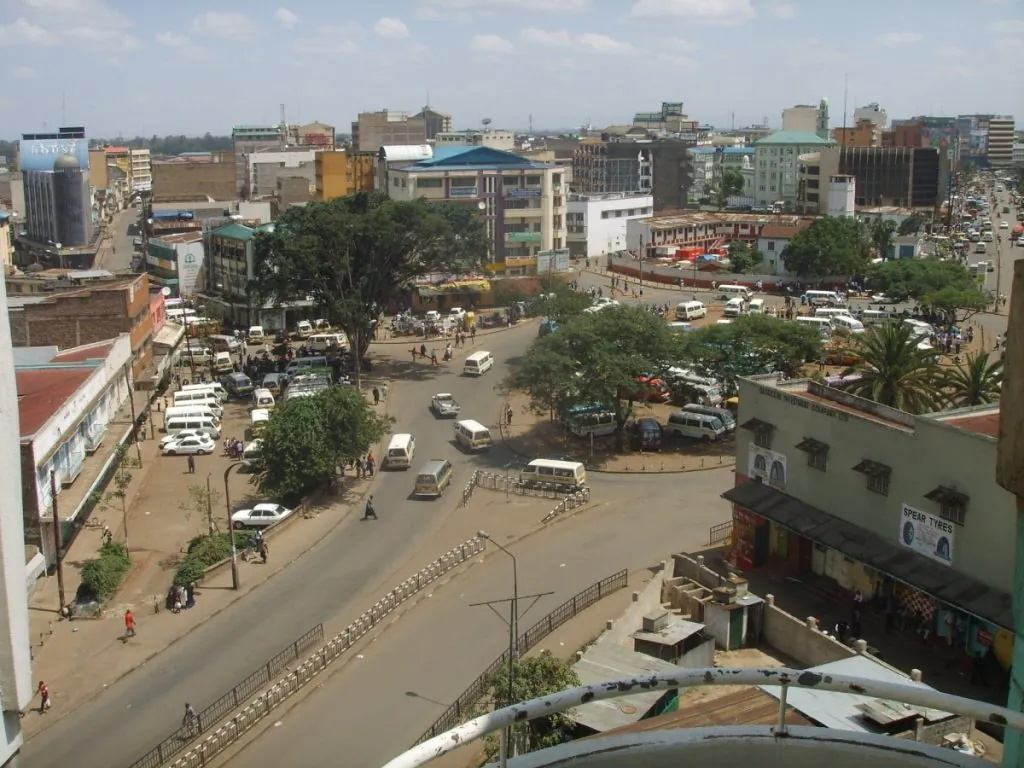
Three hours at Nairobi airport – it was ”tea time”
We flew to Nairobi and landed without any idea where we would sleep the next night. First we were just supposed to get our bags. It took about three hours. Lots of luggage arrived, but not ours. When we asked what was happening, we were told that the staff was having ”tea time”.
Finally, the bags turned up anyway, and at the airport we got a tip about a hotel. It sounded good, so we went there. At the hotel we got some advice: We better not go out. Maybe some small warning signs started to appear.
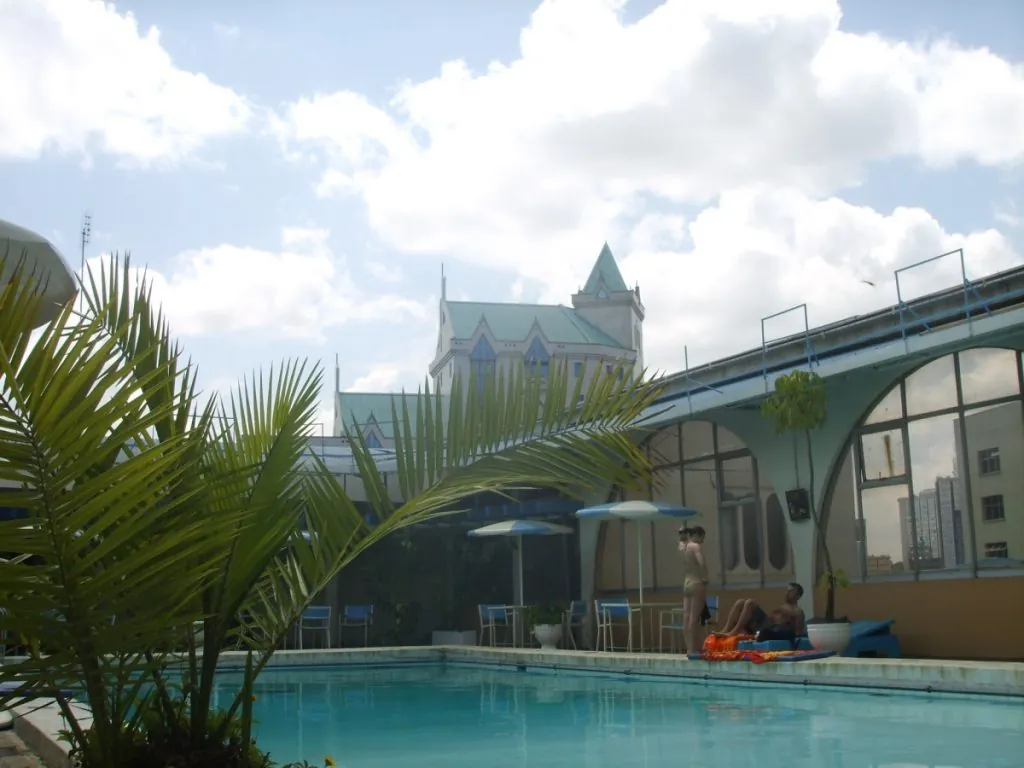
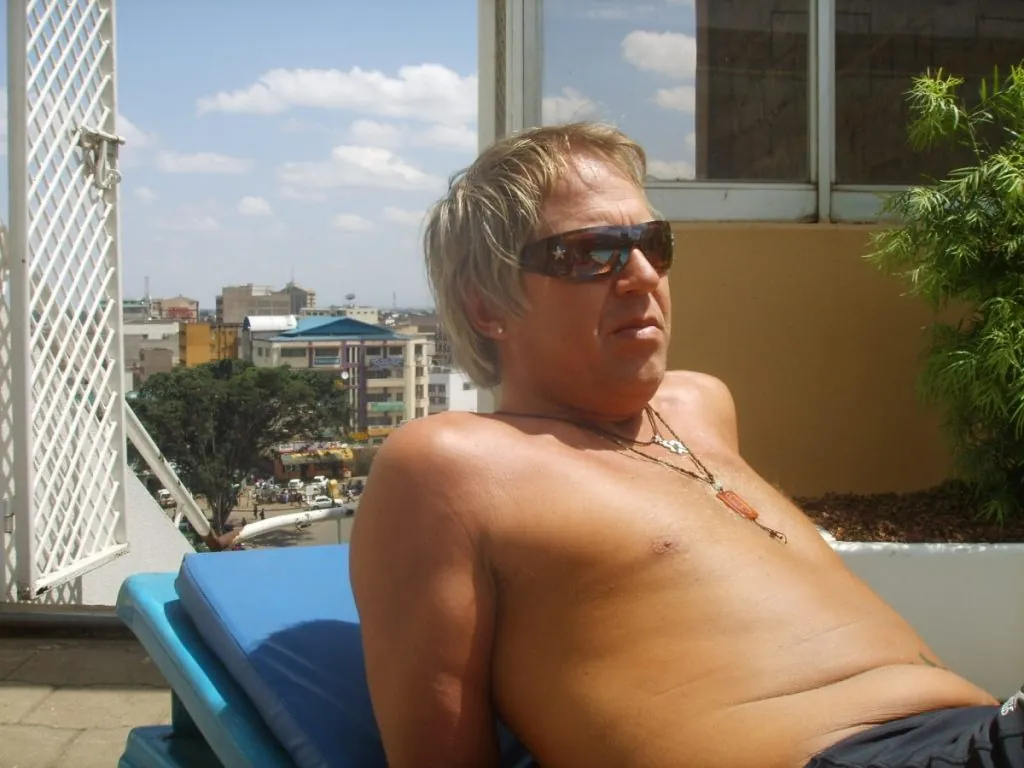
The next day we left Nairobi. We thought it would be better not to be in the capital during the election itself and took the train to Mombasa on the coast.
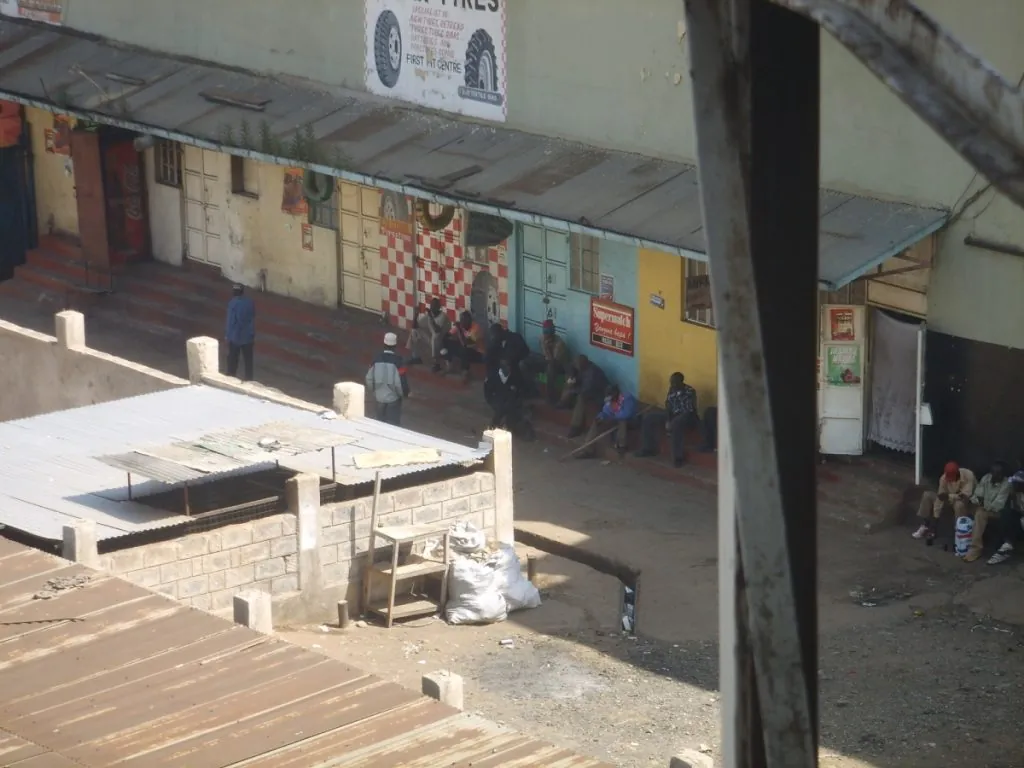
By train from Nairobi to Mombasa
The train journey through Kenya was an experience in itself. Outside the windows, beautiful landscapes and nature passed, but also very poor residential areas.

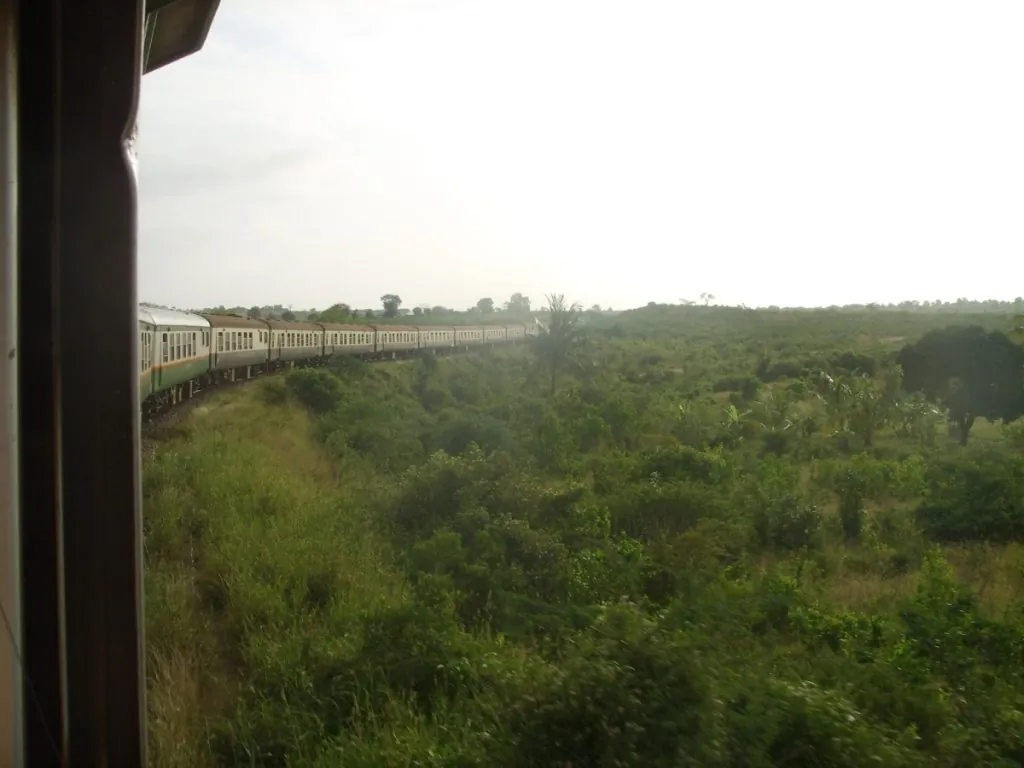
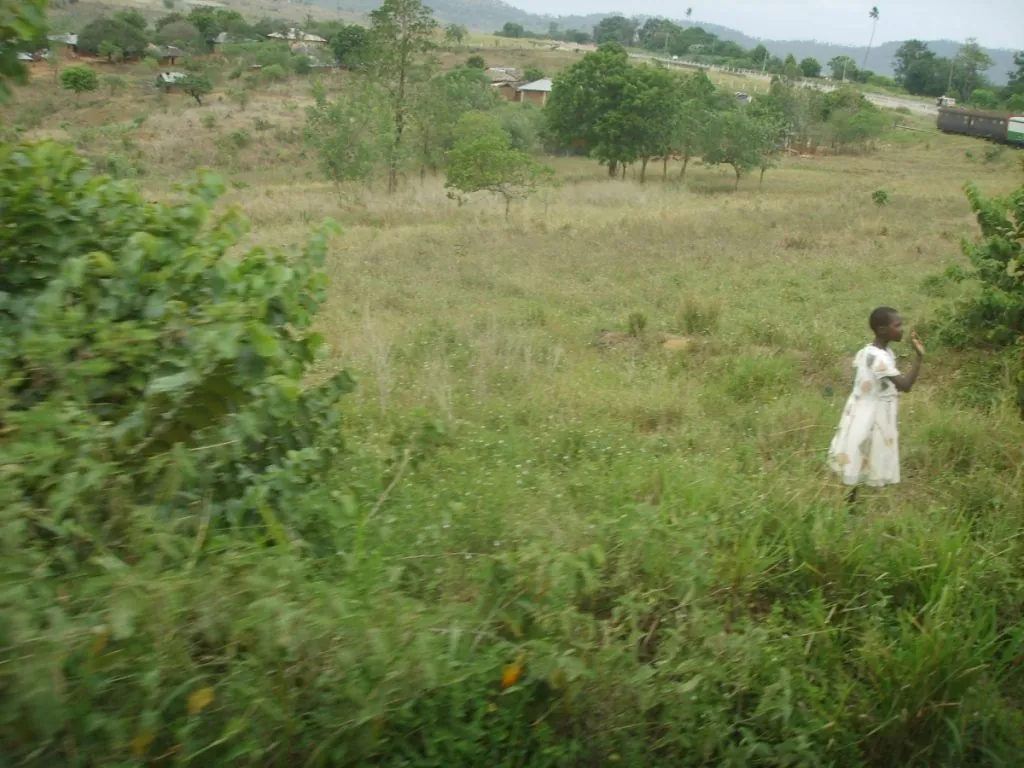
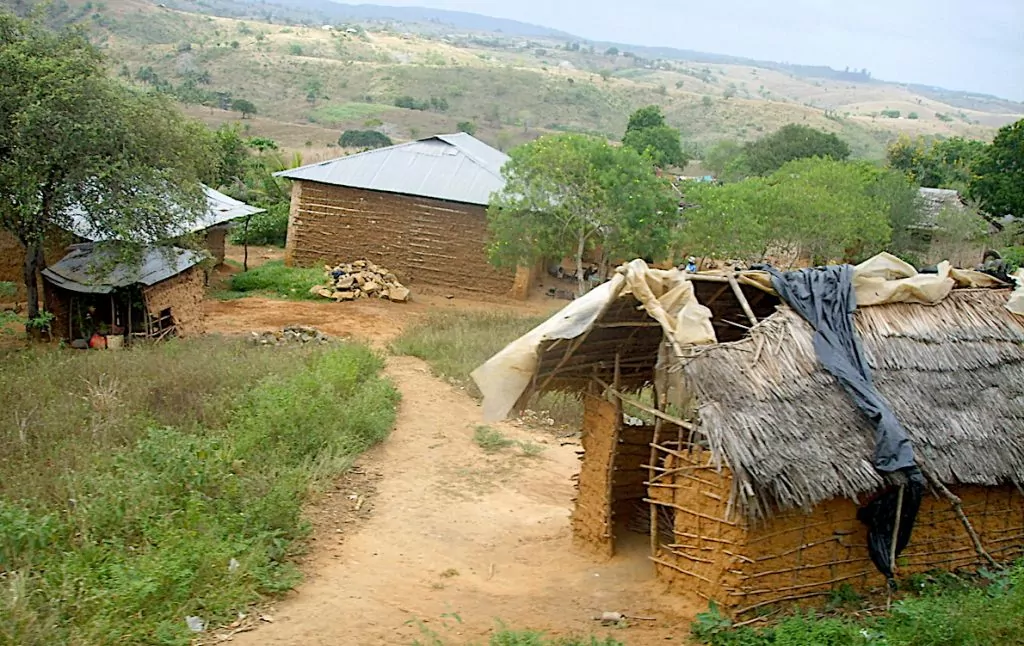
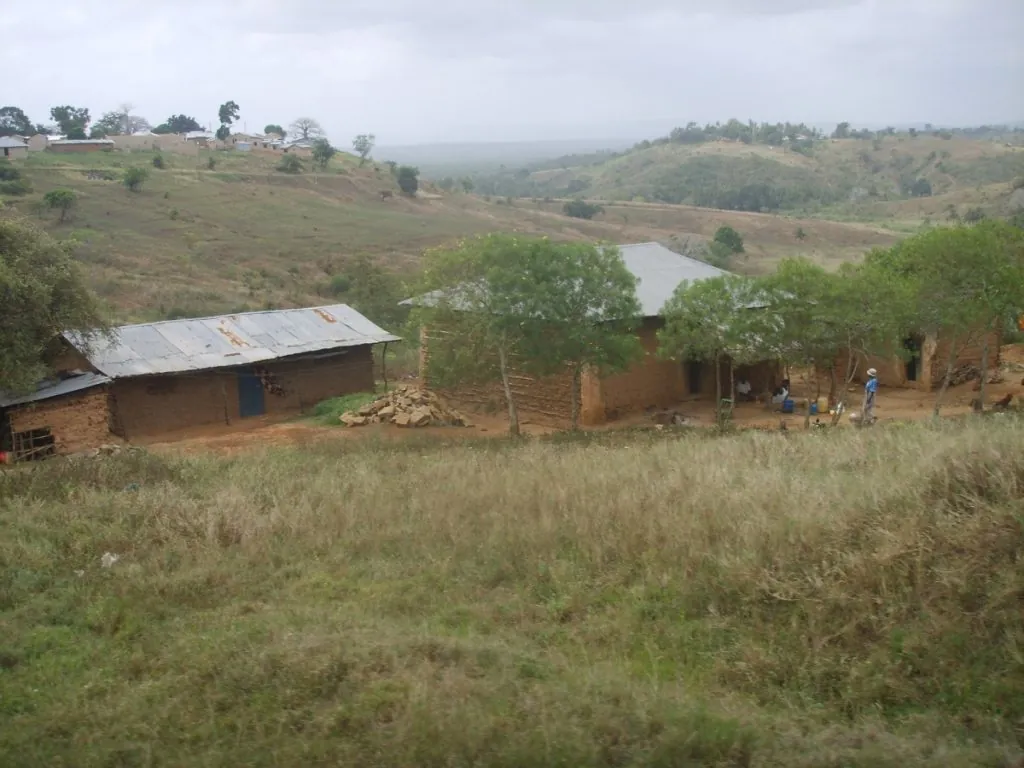
On the train we met Linda and Marlon from the Netherlands. Linda was a journalist and was in Kenya to cover the elections. She had a much better grasp of the situation than we did and was already worried about how it might all develop.
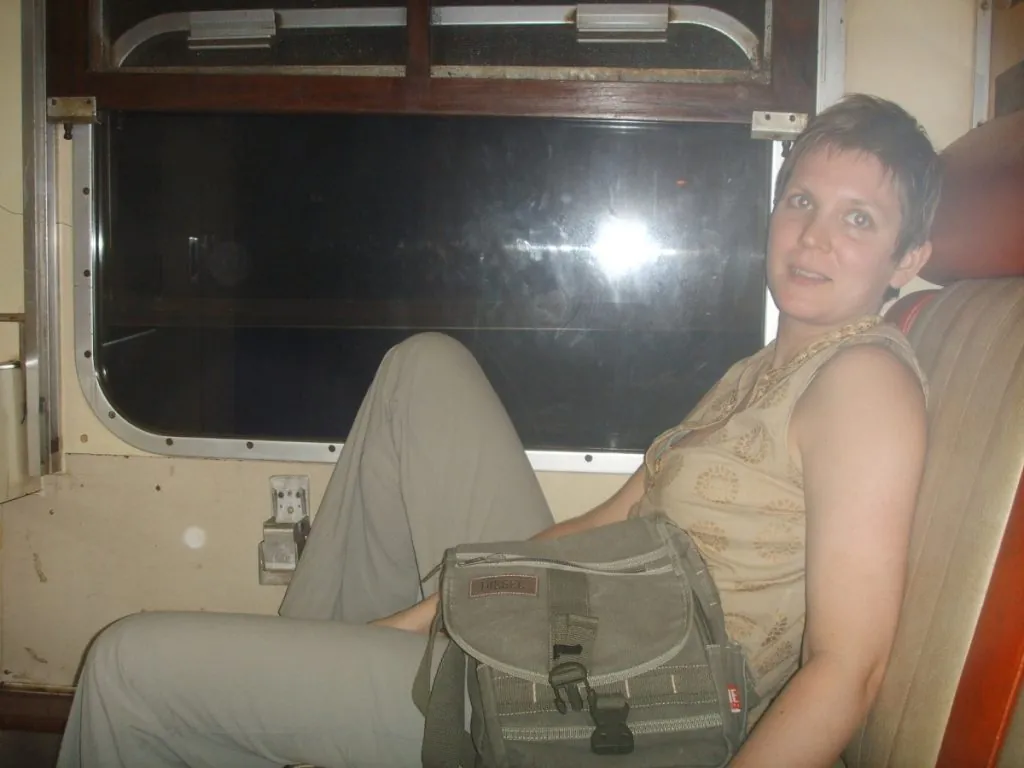
They advised us of a hotel in Mombasa, but also told us that they themselves would be staying at a small guesthouse called Le Petit Paris.

We first decided on the hotel in the city. Here the televisions were on and everyone was following the election intently. We sat down to eat and tried to understand what was happening. And then one of the more unexpected encounters of the trip occurred.
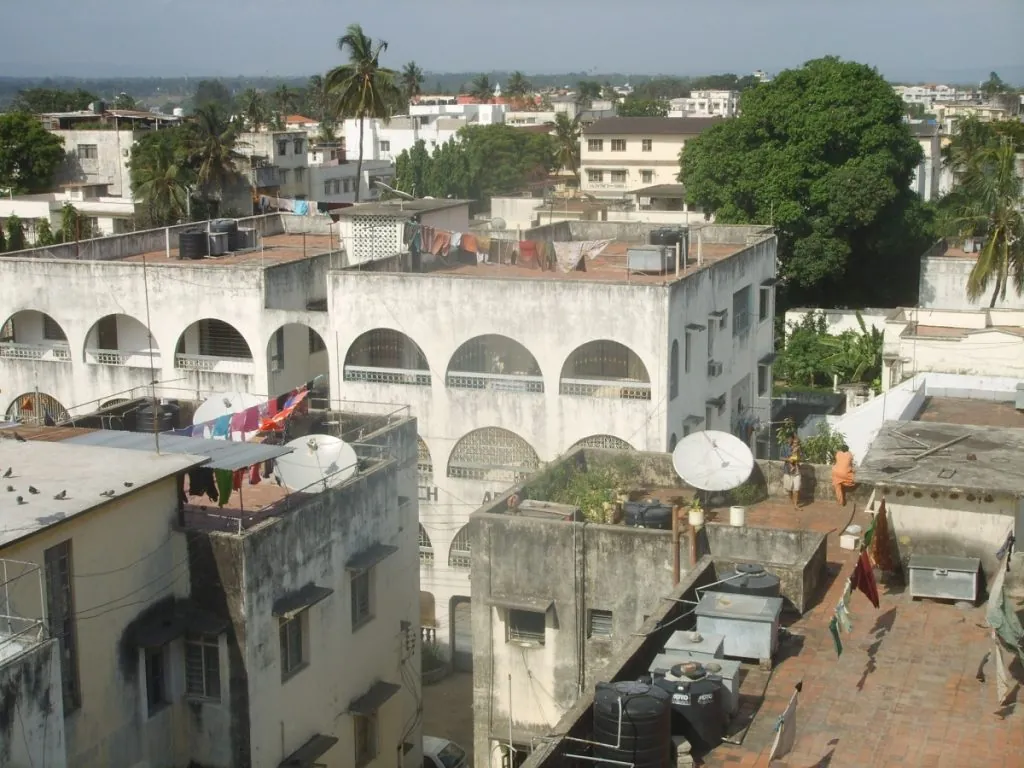
”I come from Aspudden”
When we had finished eating, a young man came up to us. And spoke Swedish. ”I didn't want to disturb you while you were eating. I come from Aspudden.” Aspudden? Here? In Mombasa?
It turned out that he lived in Sweden but had a Kenyan background and was now there to attend his father's funeral. We sat and talked for a long time and he told me about the cultural clashes that had arisen during the visit.
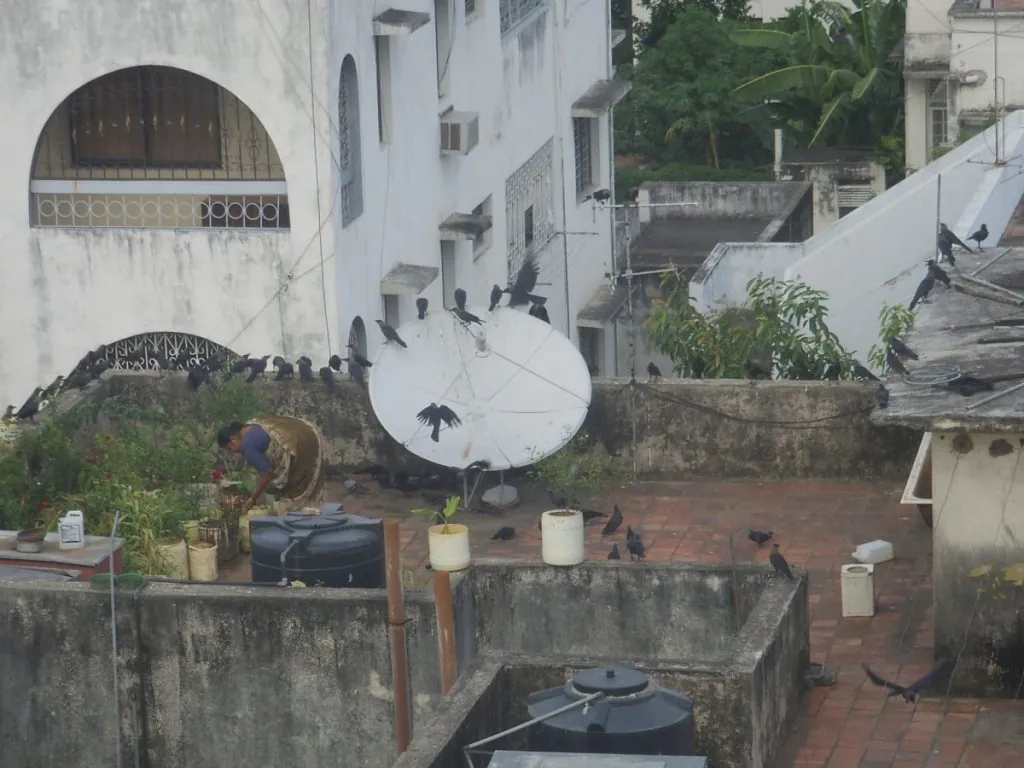
Among other things, his relatives had asked if he would consider cutting the throat of a goat to honor his father. He couldn't imagine that. Was there anything else he could possibly do? Well, he could hand out biscuits to the children. He would much rather do that.
He also told of other situations where he and his Swedish girlfriend had tried to navigate between different traditions and expectations. Despite his Kenyan roots, he had discovered how Swedish he had become in many ways.
After a while, one of his relatives appeared, coolly strolling along with some pretty girls. ”I have to go,” said our newfound acquaintance. And then he disappeared. We had no idea that we would hear Swedish in an even more unexpected place later on in the trip.
An idyll behind the walls
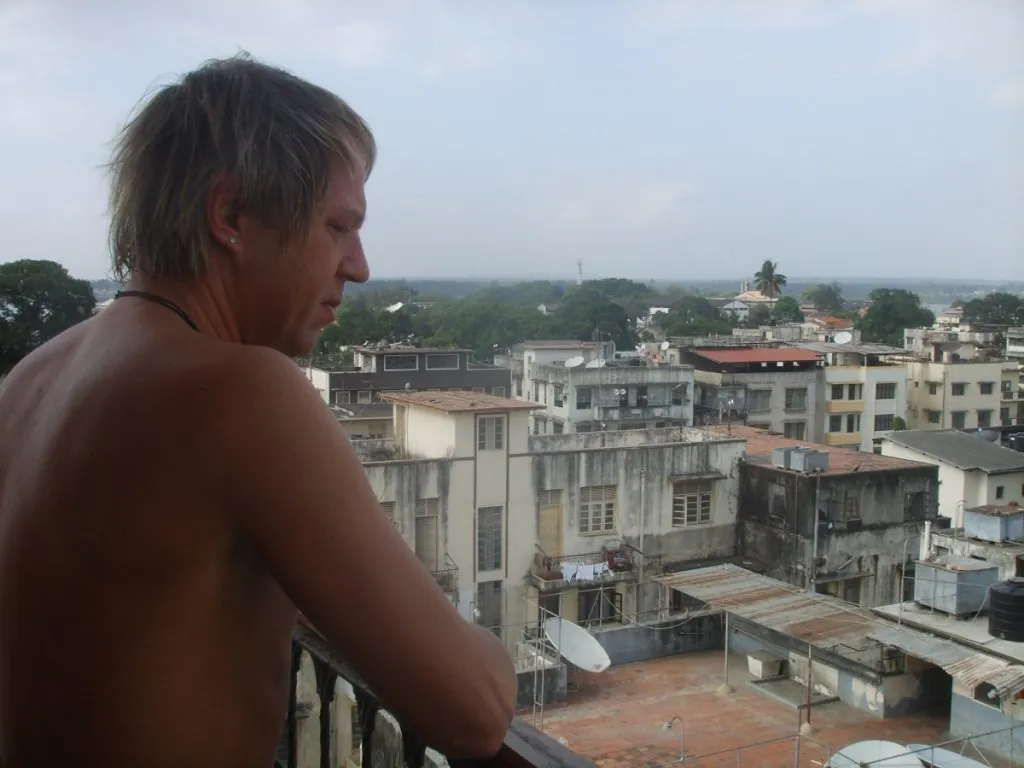
After our time in Mombasa we moved on to Le Petit Paris in Nyali, the guesthouse that Linda and Marlon had told me about.
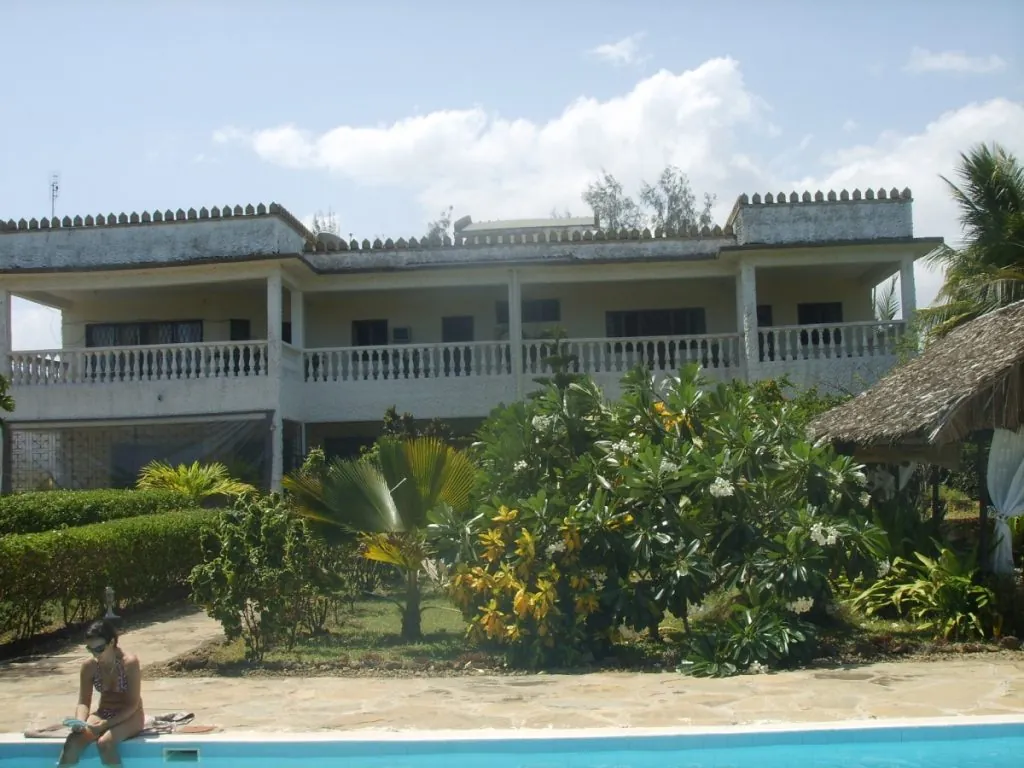
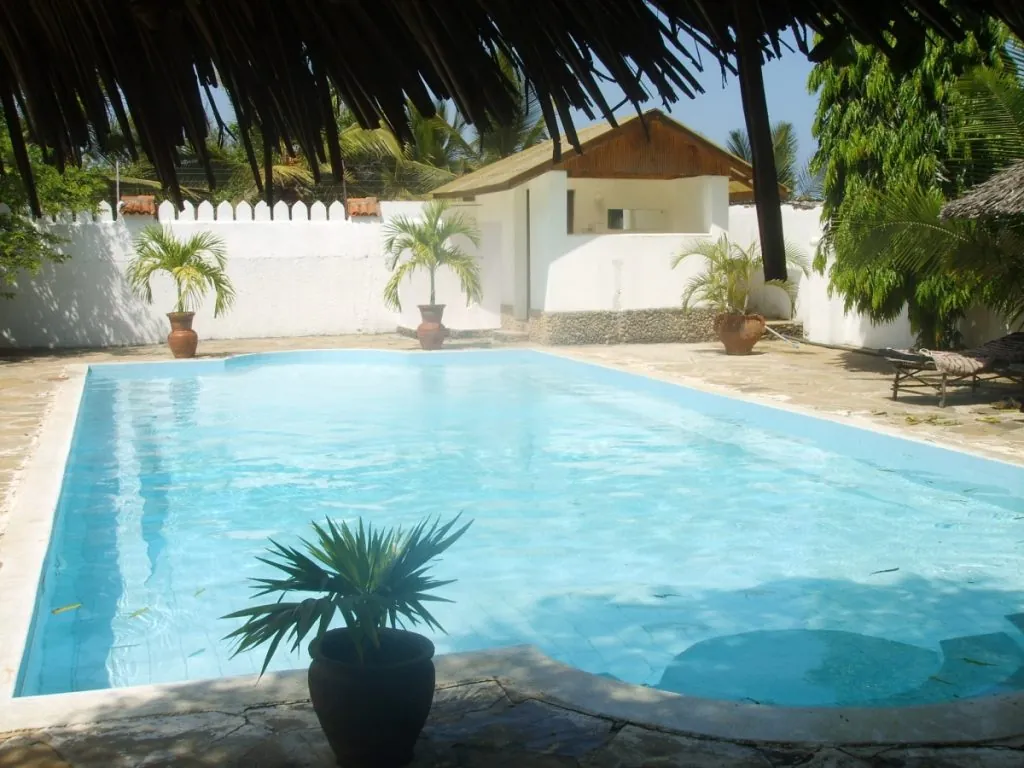
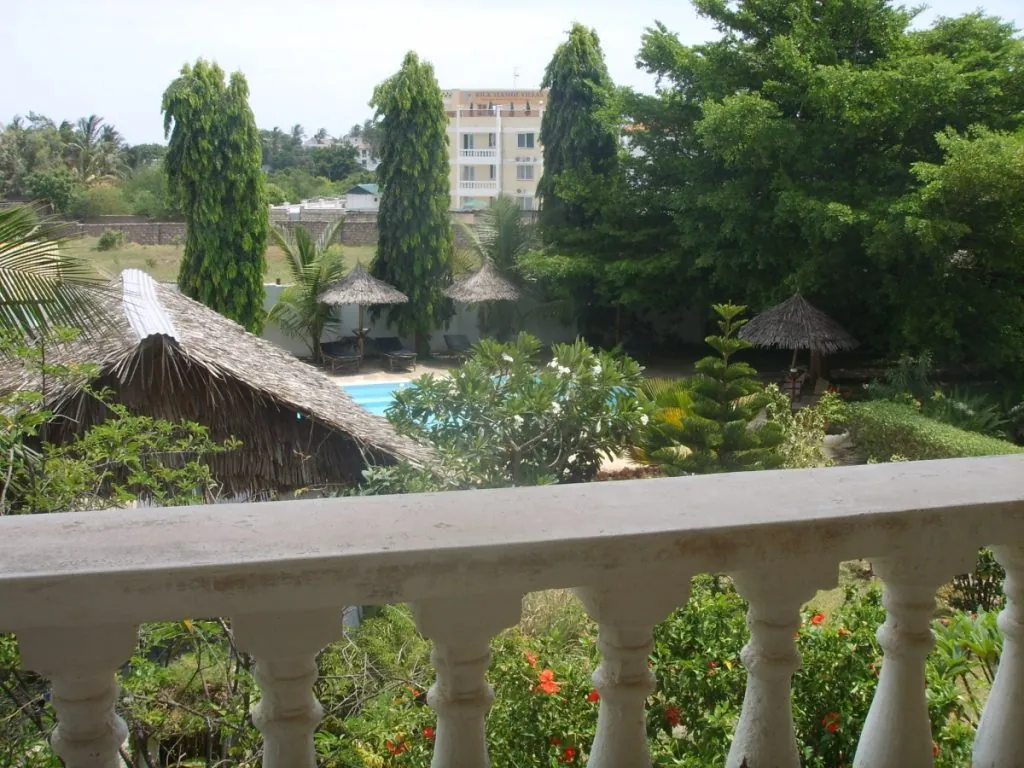
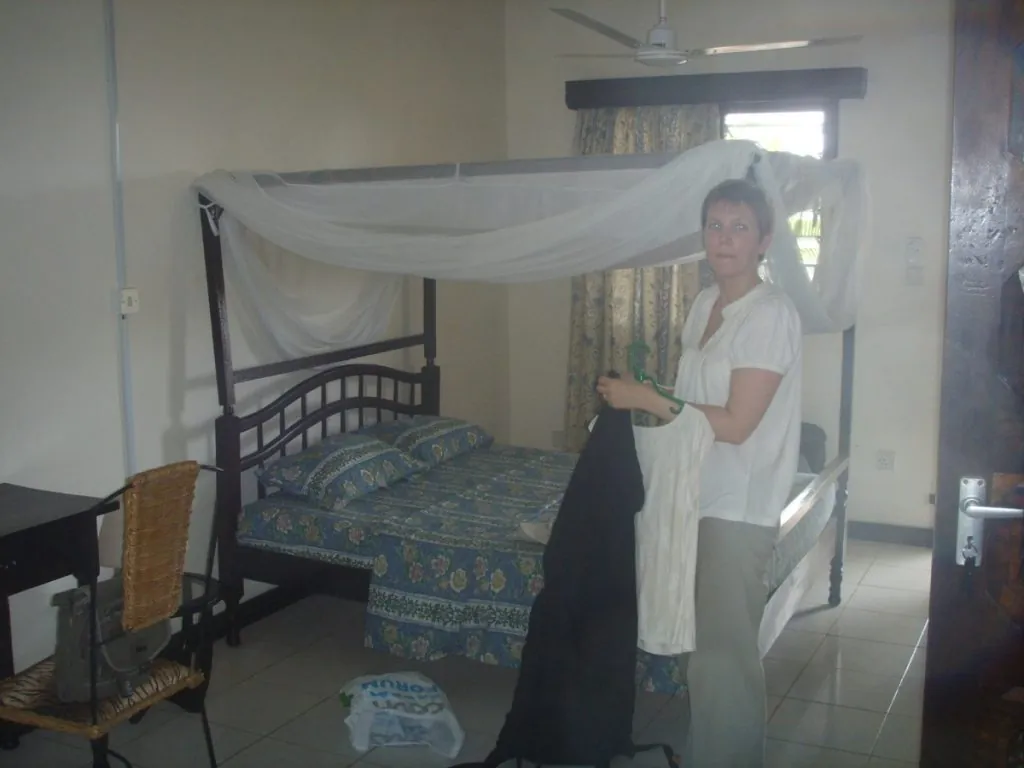
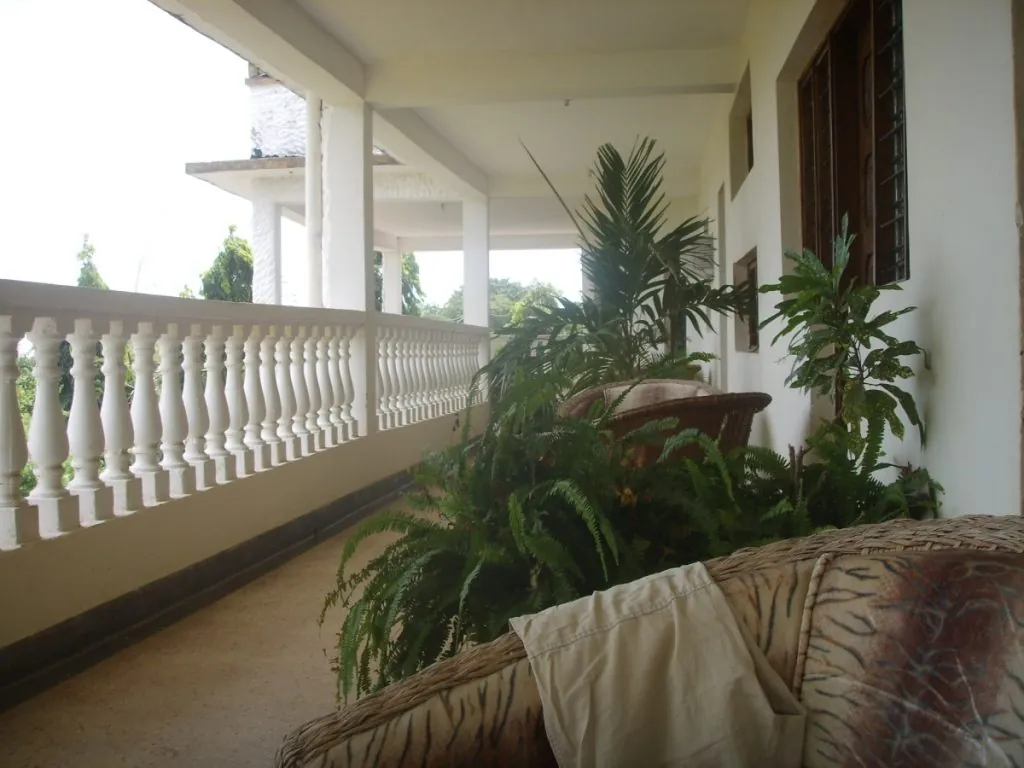
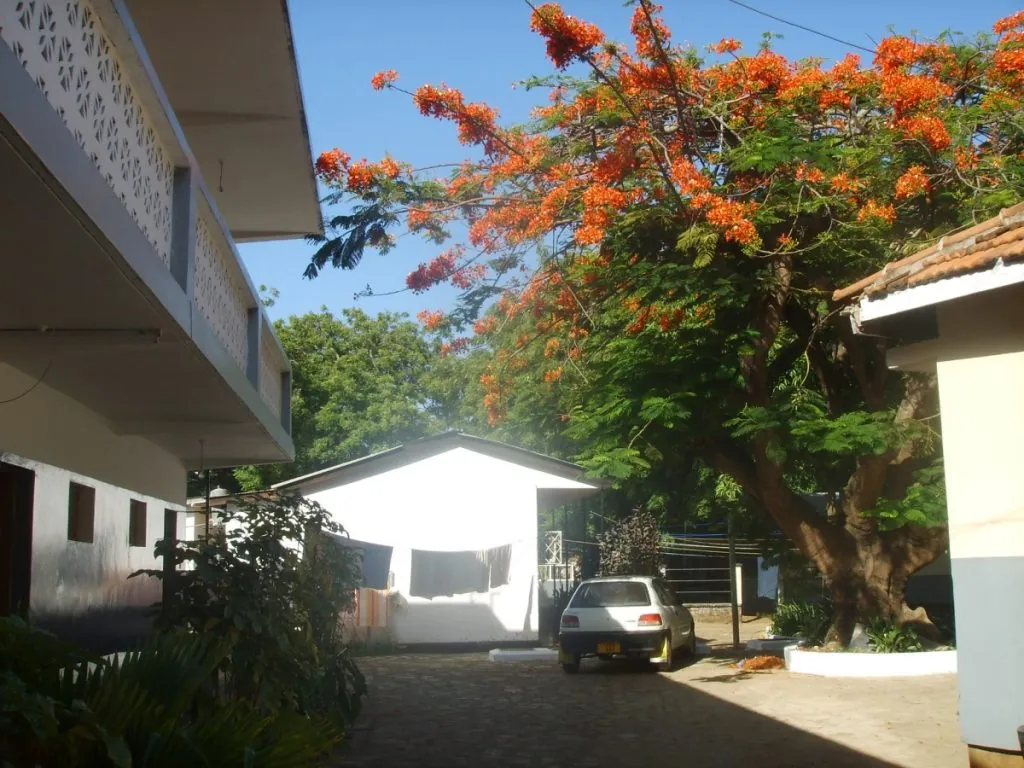
It was a small idyll. A bright house, lush garden, pool and the sea within walking distance. The guesthouse was run by a French woman named Isabelle who also cooked very good food. Three couples now lived here.
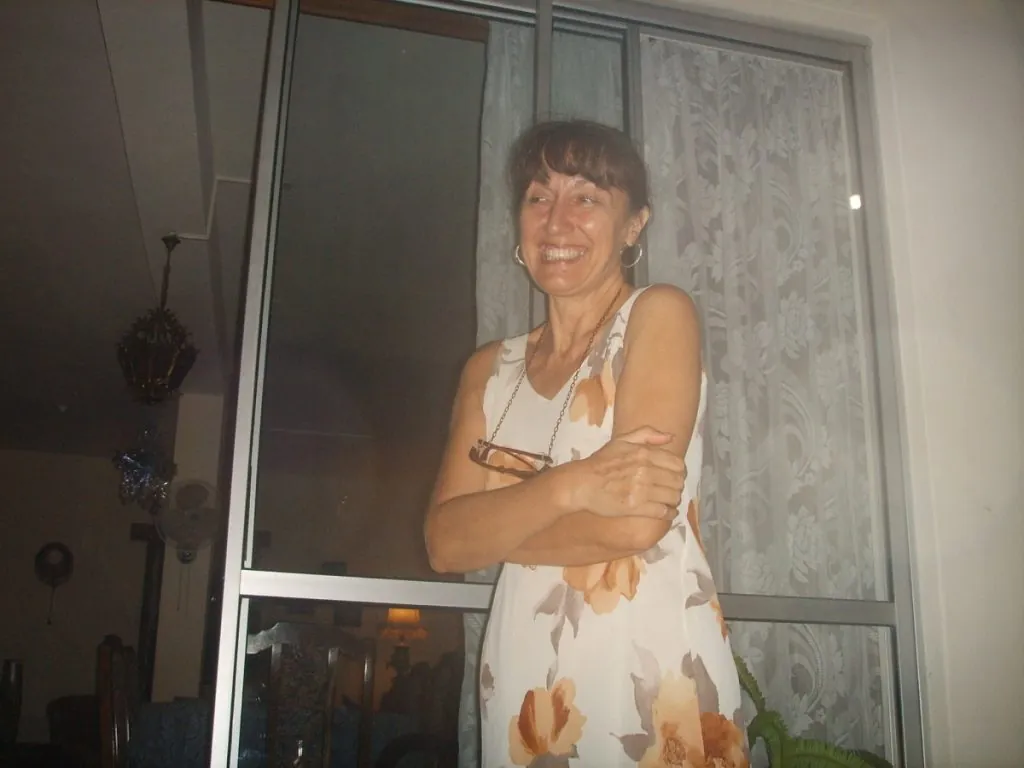
It was us and Linda and Marlon. Also living there was a New Zealand-Italian couple who worked in aid and were used to much more troubled parts of the world. They had experience of places where armed conflicts and attack helicopters were a reality.
They weren't particularly impressed by the drama in Kenya. This? It was nothing. The rest of us weren't quite as convinced. Because Le Petit Paris was an idyll – but it was an idyll within walls. And outside it was starting to get darker.
The election – and suddenly the reporting disappeared
The presidential election was held on December 27, 2007. The two leading candidates were incumbent President Mwai Kibaki and opposition leader Raila Odinga.
We followed the developments on TV and perceived it as Odinga doing well. Then we remember it as the TV reporting disappearing. We didn't really understand what happened. In retrospect, we know that on December 30, the government imposed a ban on live broadcasts on radio and TV.
When the results were announced, Kibaki had been declared the winner and sworn in as president.
The election results were immediately heavily contested. EU election observers later identified serious problems with, among other things, the counting of votes and assessed that the electoral process did not meet key international and regional standards.
But of course we didn't know all this at the time. We were sitting in a small guesthouse in Mombasa, trying to understand what was happening.
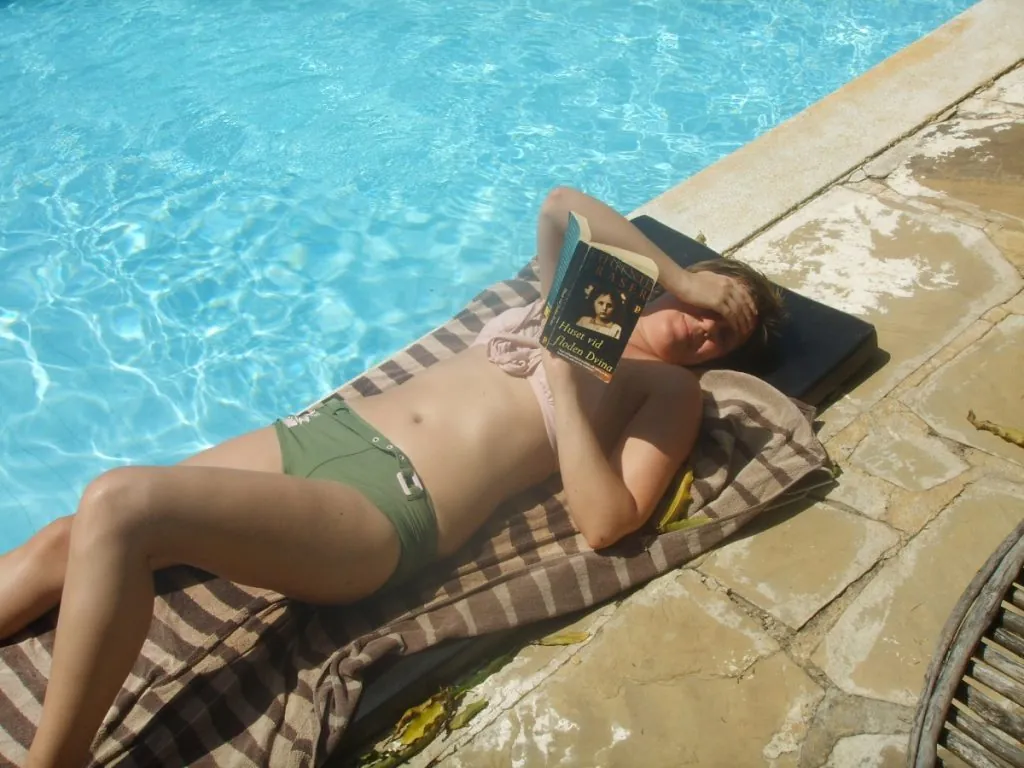
It was getting darker outside.
The situation deteriorated rapidly. Shops closed. Restaurants closed. Transportation stopped working as usual. We also understood that flying was no longer a realistic way out. And the reports of violence were getting worse.
At the same time, the food at Le Petit Paris began to run out. It was a strange contrast between the great and terrible events outside the country and our very everyday problems within the walls. Isabelle, for example, could send us off to try to find eggs. So there we were, wandering around looking for food while Mombasa around us was closing down.
Linda also received information through her contacts and, in her role as a journalist, tried to get information about what was happening to media outside Kenya. No one knew how far the violence would go. Rwanda was mentioned in the conversations.
”"If I survive..."”
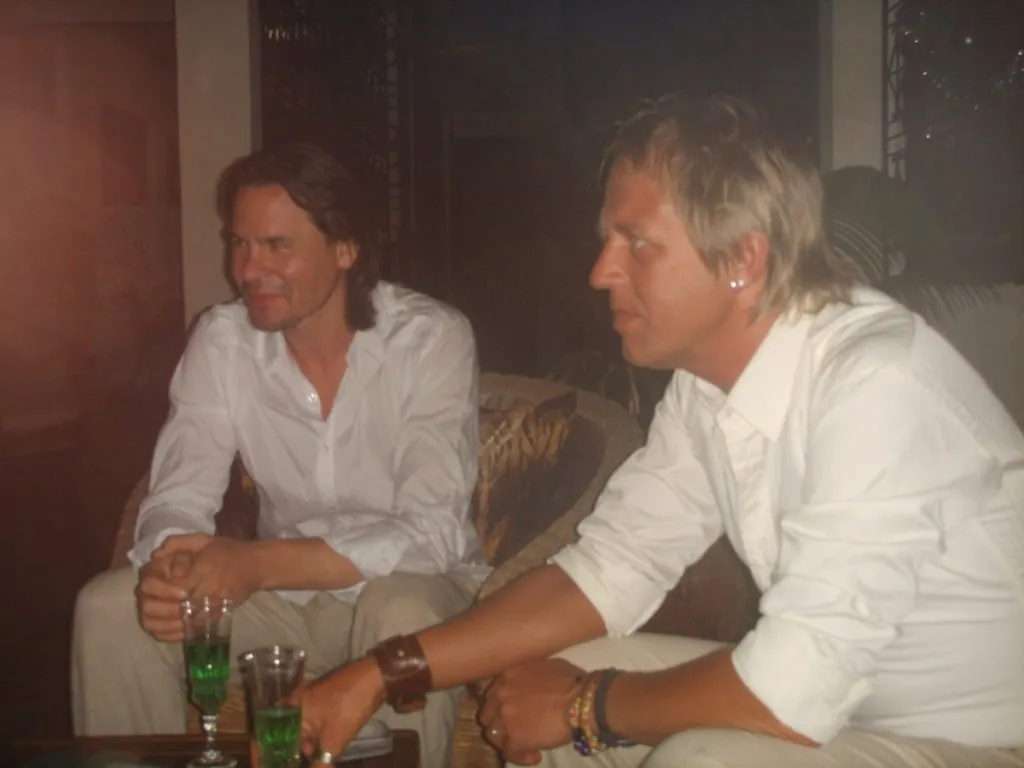
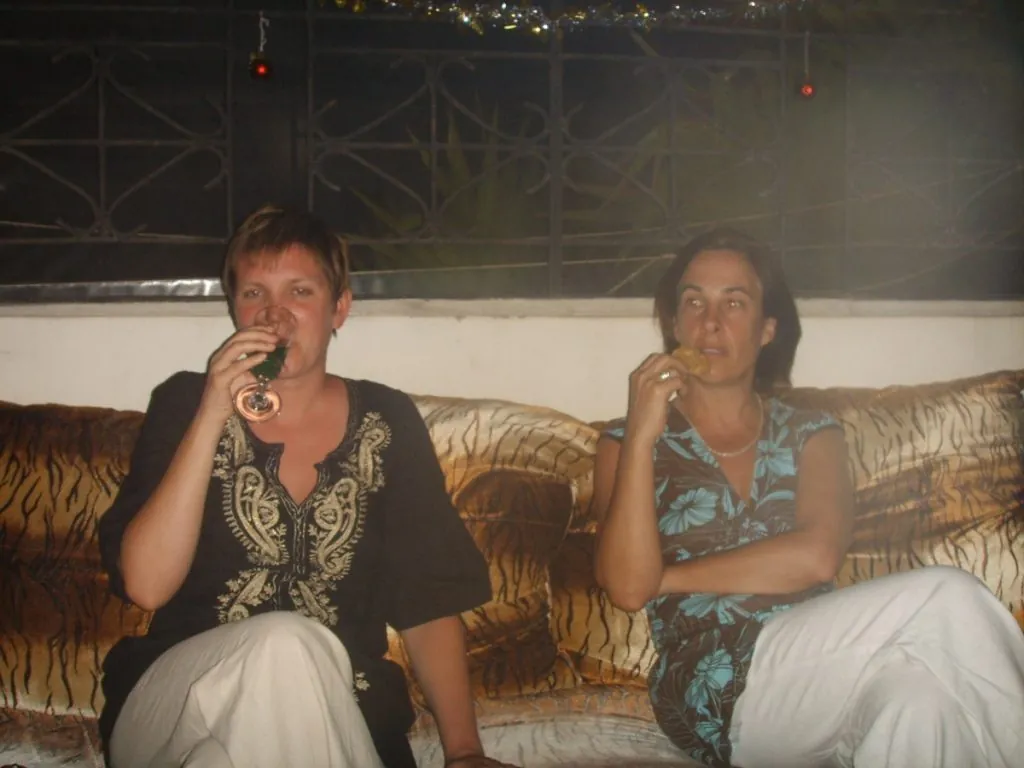
And so it was New Year's Eve. We were still at Le Petit Paris. We had food and drinks and were together, but of course it wasn't any ordinary New Year's Eve. The atmosphere was special. During the evening we started talking about the future.
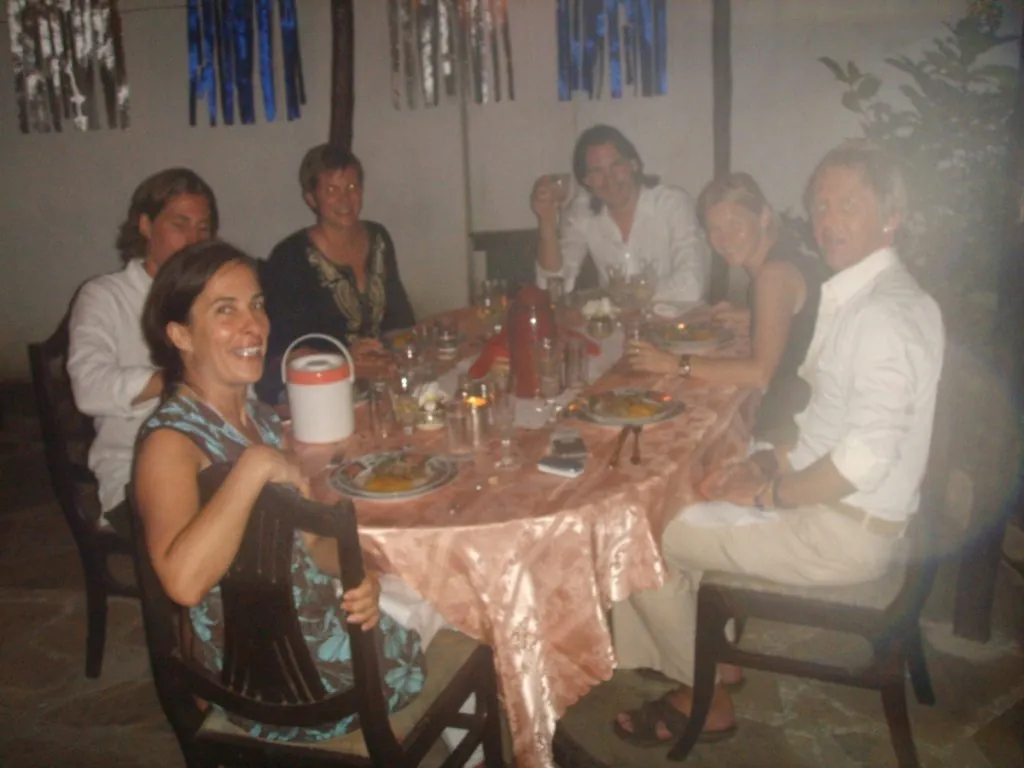
”"If I survive..."” If I survive this – what do I want to do with my life? We told each other. It may sound dramatic almost two decades later, but right then and there we actually didn't know how the situation would develop. Outside the walls of the boarding house, the violence continued.
The reports got worse and worse.
One of the most frightening reports we received was about people who had sought shelter in a church and were then attacked. This later turned out to be true.
On New Year's Day, 1 January 2008, a church in Kiambaa, near Eldoret, where people had sought refuge from the violence, was attacked. The church was set on fire and a large number of people were killed. The attack became one of the most high-profile incidents of the post-election violence.
Linda tried to get information about what was happening to the outside world. For us, the feeling became stronger and stronger: We have to get out of here.
But how do you get out of here?
It was easier said than done. We discussed different possibilities. Could we perhaps take some kind of boat south and cross the border into Tanzania?
The most reasonable option still seemed to be a taxi. Linda and Marlon had contacts and tried to find someone who could drive us. No one wanted to come. Or could come. We tried again. And again. Finally we got a pacifier.
A taxi driver had checked the route himself and said he could take us to the border with Tanzania. But it would cost. He wanted the equivalent of about two Kenyan monthly salaries. There was nothing to discuss. We paid.
Linda and Marlon and I decided to leave. The New Zealand-Italian couple stayed behind. They still thought the situation was pretty calm.
Finally Stevie arrived
The driver's name was Stevie. And finally his car was actually parked outside Le Petit Paris. We packed our things, left the guesthouse and started the journey south.
To get from Mombasa to Tanzania, we needed to cross over to Likoni and continue south along the coast. Then we boarded the Likoni ferry.
Across the Likoni ferry with locked doors
The atmosphere on the ferry was tense and uncomfortable. But what made the biggest impression was Stevie. He was Kenyan. He knew Mombasa and the area. And he was nervous.
He locked the car doors. Then he darkened the car. We sat there waiting for the ferry to reach the other side. As we drove off, Stevie sped off.
Between burning car wrecks
He drove fast. As fast as he could. Along the way we saw burning and burnt-out car wrecks. Stevie cruised between them and continued south.
We didn't talk much. There wasn't really much to say. We just had to get there. Finally we reached the border with Tanzania.
”"Pray for me that I get back"”
For us, the car ride was over. For Stevie, the worst part remained. He was going back. The same way. Before he left us, he said: ”"Pray for me that I get back."” It felt serious. Then he left. We later received a message from him. Stevie had come back.
Crossing the border on foot
There we were now standing with our luggage at the border to Tanzania. It felt strange to say the least. Tanzania had not been part of the itinerary at all. We had no accommodation booked and really no plan for what we would do when we got over.
We simply crossed the border on foot. On the other side we had to fill out papers. And then a woman with a child turned to us. ”What should I fill out here?” In Swedish. Again! For the second time during the same trip we found ourselves in East Africa and were suddenly addressed in Swedish.
At first we were a little worried about how the woman and her child would cope. Then it turned out that she had lived in both Stockholm and London, had plenty of her own resources and probably had a much better grasp of the situation than we did. Apparently you never know who speaks Swedish.
We thought we were going to celebrate
On the Tanzanian side we jumped on a bus. Now we were out of Kenya. You would think we would be euphoric. Celebrating. Cheering. Feeling a huge sense of relief. But we were just sooo tired. Completely exhausted.
We continued on and got off at the first coastal town where we could find a hotel. We had to stay there. The rest was left to be sorted out later.
What had we gotten ourselves into?
It was only afterwards that we were able to fully understand the extent of what was going on around us.
The presidential election on 27 December 2007 ended in a highly disputed result. International election observers noted serious problems in the electoral process, not least with regard to the counting of presidential votes.
The violence that followed was, however, much more complex than we understood while we were in the middle of it. People were attacked based on both ethnicity and political affiliation, there were retaliatory attacks, and even security forces killed people.
According to the Kenyan Waki Commission's compilation, 1,133 people and around 600,000 people were forced to leave their homes.
The crisis continued long after we left the country. After international mediation, led by former UN Secretary-General Kofi Annan, among others, Kibaki and Odinga reached a power-sharing agreement in February 2008.
So we happened to end up in Kenya just as one of the most serious political crises in the country's modern history broke out.
We returned to Kenya
At the same time, it is important to us that this trip does not become the whole story of Kenya. We later returned to the country under completely different circumstances.
That time we stayed with Kenyan friends. We ate ugali and sukuma wiki, traveled through the country with them, and were invited to a traditional Kenyan wedding in a village.
It was a completely different trip and gave us the opportunity to get much closer to everyday life, the people and the culture.
We therefore associate Kenya with so much more than the dramatic days around the turn of the year 2007/2008.
But we will never forget that first trip. When we bought the plane tickets to Nairobi, Tanzania had not even been on our minds. Now we suddenly found ourselves there, without any real plan. Eventually the journey would take us further through Tanzania and to Zanzibar.
But that's another story.
Read more about Kenya
Here you will find more reports about Kenya, from our two trips to the country:
- Nairobi – city life and cultural clashes
- Rural Kenya – from Nairobi to Rangala
- Kenyan Food – 25 Classic Dishes
- Wedding in Kenya – with 400 guests

You might also like:
 Ngorongoro, Tanzania - Auntie Anna in the Garden of Eden
 Djibouti - or Aunt Anna travelling to the moon
 Underground river in Puerto Princesa - Unesco heritage in the Philippines
 Auntie Anna with the Karo and Konso tribe in Ethiopia
 Petra in Jordan with Aunt Anna X 2
 Sailing around Sicily – East Coast and Vulcano



 English (UK)
 Svenska
Tina says:
But OJ OJ OJ OJ!!! How awful!!! What luck that it went well for you that time ...
05 August 2010 - 21:50
Lena & Jan says:
Kenya really deserves a new constitution, hope for their future!
05 August 2010 - 22:04
Veiken says:
Thank you for that post. I shudder to think how close we were......
I saw some news about the new constitution. It seems like a big step forward! Have a great time!
05 August 2010 - 22:13
Ferferi i Paris/Göteborg says:
What a story! You were very lucky to have done so well. Scary.
05 August 2010 - 22:47
Tess-Angelica says:
Answer: Will study the Bachelor's programme in Politics =)
05 August 2010 - 22:59
Maggan says:
What holiday adventures you have had. Glad you made it home. There are countries that I don't have on my favourite list, we are staying in Europe...for now.
06 August 2010 - 0:50
Ninni says:
Oh yes, it was not a calm and pleasant holiday trip right away.
I'm glad that everything went well. I would have been a little nervous to say the least.
06 August 2010 - 9:53
Ama de casa says:
What a drama!
We were in Kenya for a month in 2005, when it was much quieter...
06 August 2010 - 19:14
Pumita says:
Really dramatic! Fun like this in retrospect, I can imagine when you have a story to tell but at that time it was certainly easy to keep laughing. That's how I usually think about my stairs 🙂.
06 August 2010 - 22:03
Travelmania says:
Wow, what a thing! Lucky that everything went well for you, and Zanzibar was a wonderful experience I guess. Nice that it went well for the taxi driver too!!!
14 March 2016 - 22:03