



Writer: Helena Bergström
Updated: September 2026 | Arles in the south of France is a city where history is in the middle of everyday life. Here you can stroll between Roman remains, medieval alleys and places associated with Vincent van Gogh. We were particularly captivated by the mighty Roman arena, but also by the atmosphere of the old city center.
 Tweet
 Share
 Share
 Pin
 Share
 Share
Table of contents
Arles in Provence
Arles is located on the Rhône River in Provence in southern France. The city has a long history and was an important city in Roman Gaul during Roman times.
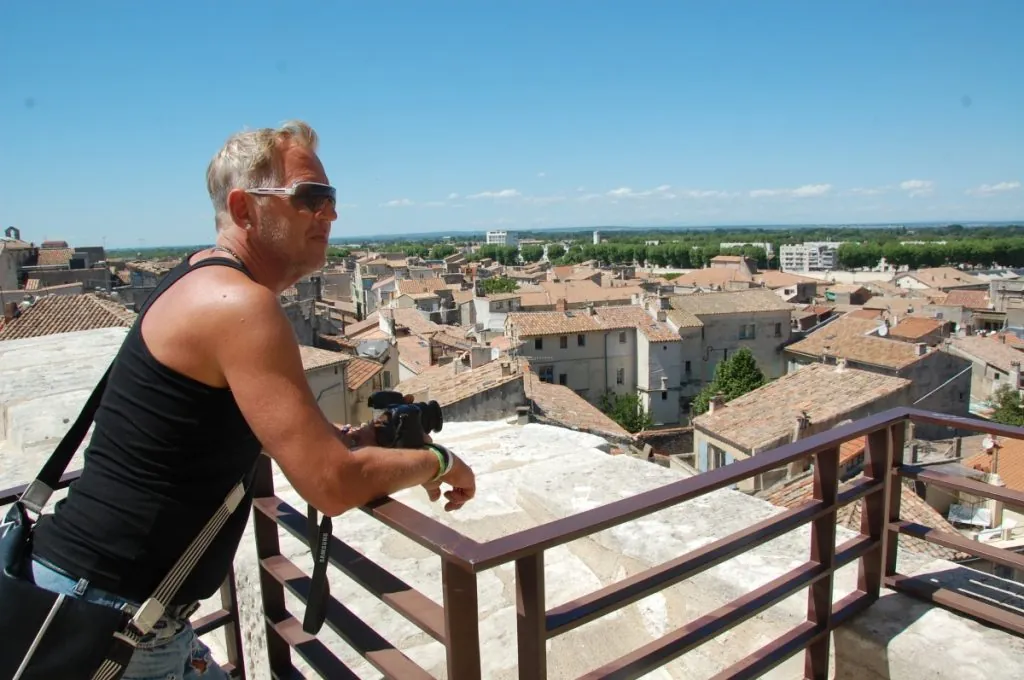
The traces of the Romans are still very much evident. Amidst today's houses and streets, there is an amphitheater, an ancient theater, Roman baths and other historical remains. Together with several buildings from the Middle Ages, the most important monuments in Arles are included in the UNESCO World Heritage List.
But Arles is not just history. As we walked around, we were met with old houses, winding alleys, cafes and artists standing behind their easels.
Things to do in Arles – our best tips
Here are some of the top things to see and do in Arles.
1. See the Roman Arena in Arles
The great Roman arena, Arles Arena, is hard to miss. The amphitheater was built during Roman times and is still an impressive structure in the middle of the city. In ancient times, large crowds of spectators gathered here to watch gladiatorial games and other spectacles.

After the fall of the Roman Empire, the arena took on completely different functions. During the Middle Ages, it was transformed into a fortified part of the city. Towers were built and inside the arena itself, a small residential area grew up. In the 19th century, the houses began to be removed and the arena was restored to be used for events again.

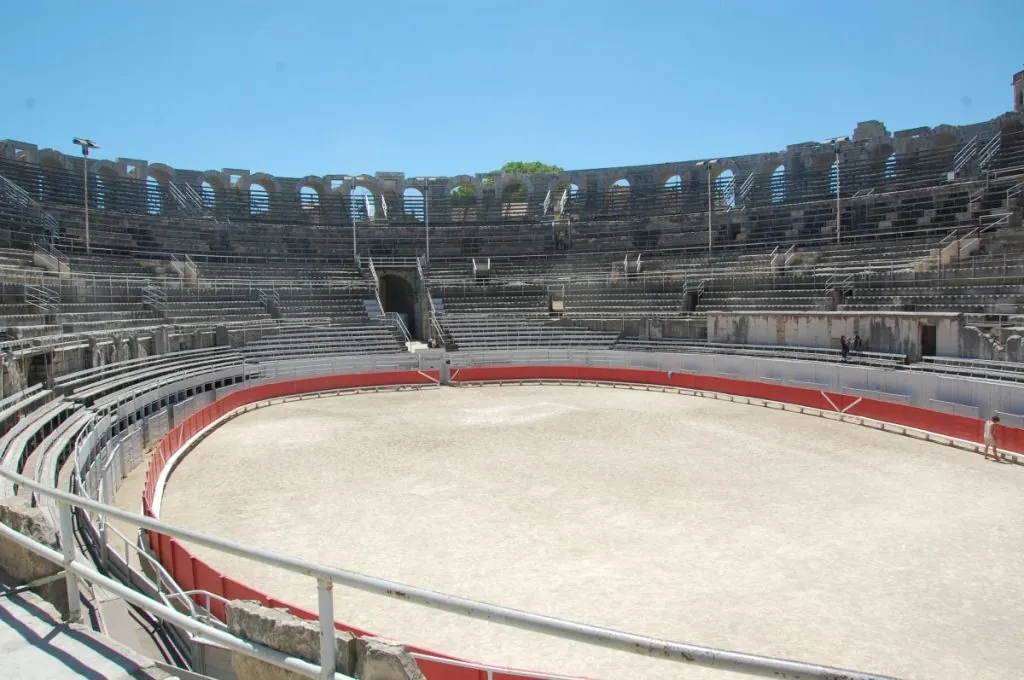
It was this building that made the biggest impression on us during our visit. It's pretty cool that an almost 2,000-year-old arena still stands in the middle of a living city.
2. Discover the Roman Theater
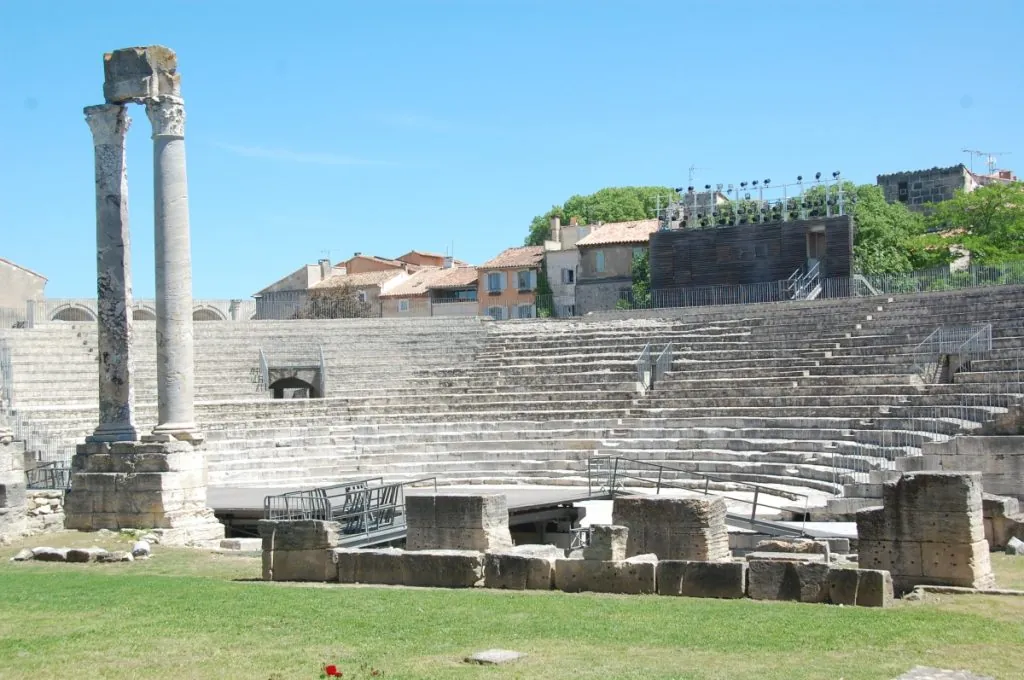
Not far from the arena is the Théâtre Antique, the Roman theater. It is easy to confuse the two buildings, but they are actually two different facilities. The arena was used for large public spectacles, while the theater was built for theatrical performances.

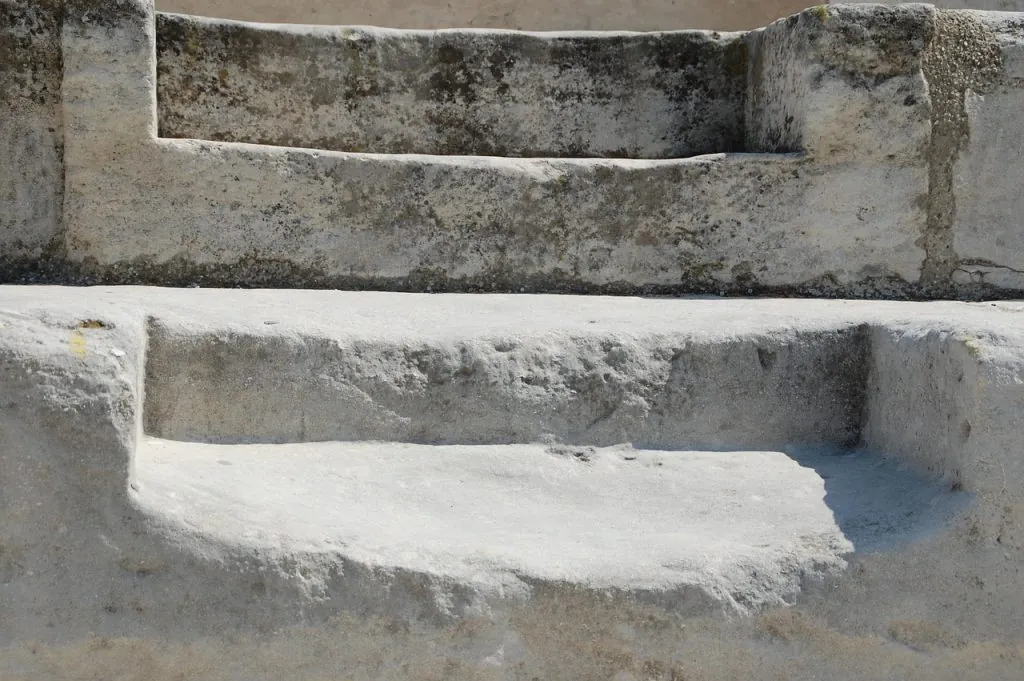
Today, parts of the stage area, columns and seating remain. Together with the arena, the theater is one of the oldest Roman remains in Arles.
3. Stroll through the old town
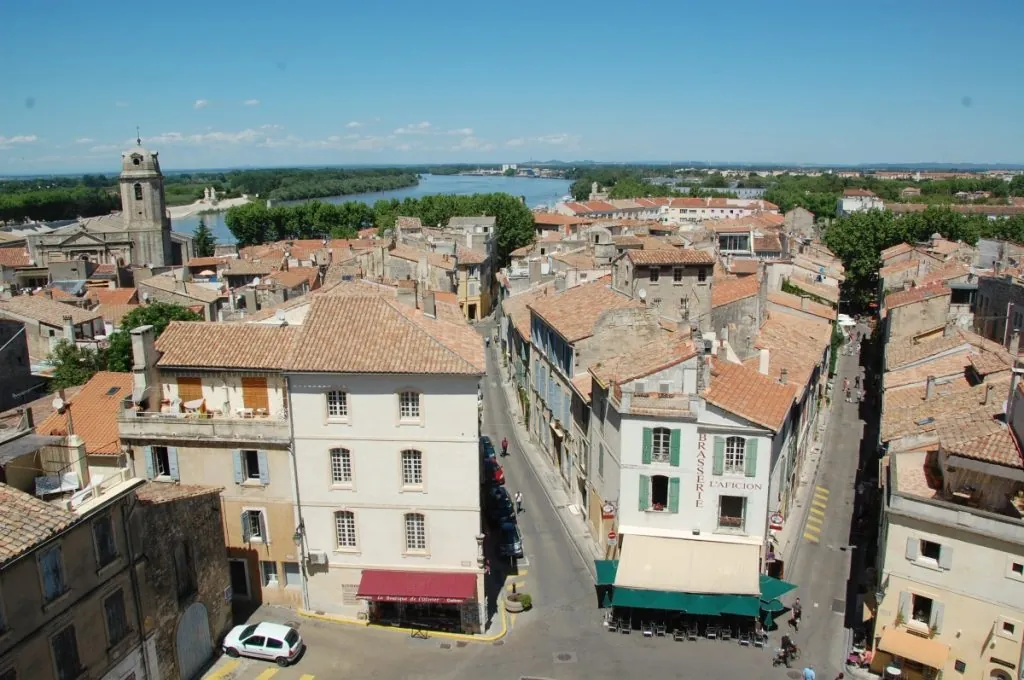
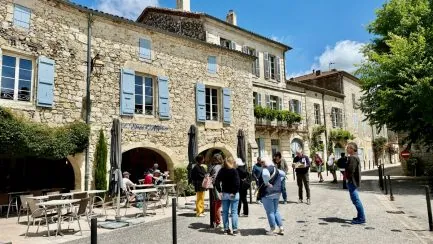
You don't have to go from attraction to attraction to appreciate Arles. We really enjoyed just walking through the historic city center. There are small streets and alleys, old stone houses, squares and cafes.
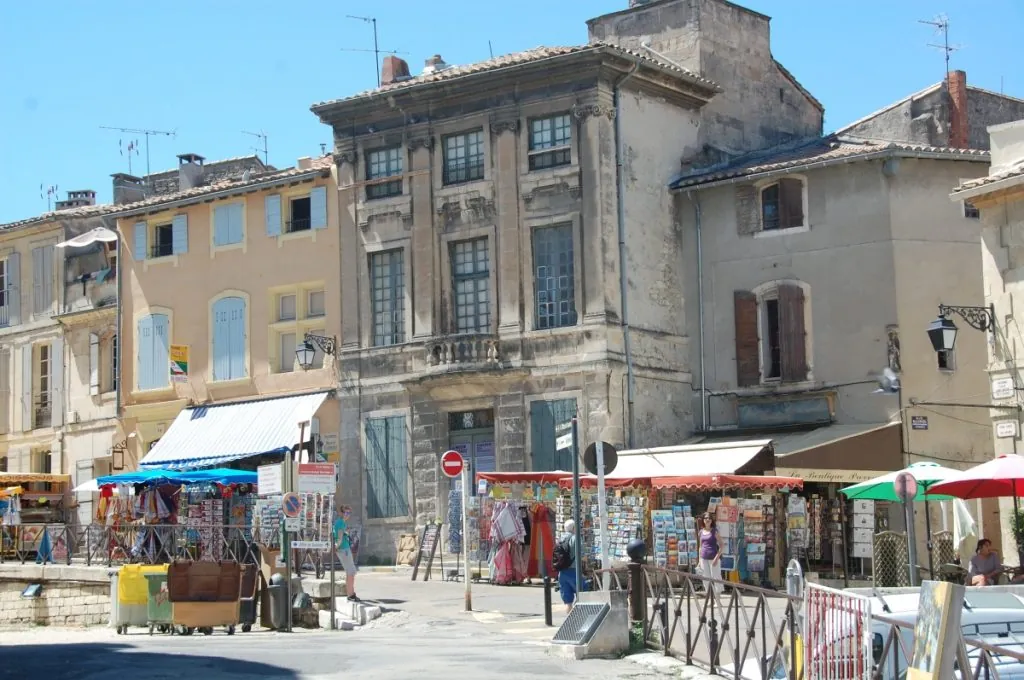
When we were here, we saw several artists standing outside painting behind their easels. It somehow felt fitting in a city that has become so strongly associated with one of the world's most famous artists.

4. Follow in the footsteps of Vincent van Gogh
Vincent van Gogh came to Arles in 1888 and stayed for just over a year. The period was short but very productive, and here he created some of his most famous paintings.
The motifs were taken from the city and the surrounding landscape. Anyone interested in van Gogh can follow his footsteps to various places that appear in his art.
Even without following a specific van Gogh route, you can still feel his presence in Arles. His name and art appear in many places, contributing to the city's identity as a city of art.

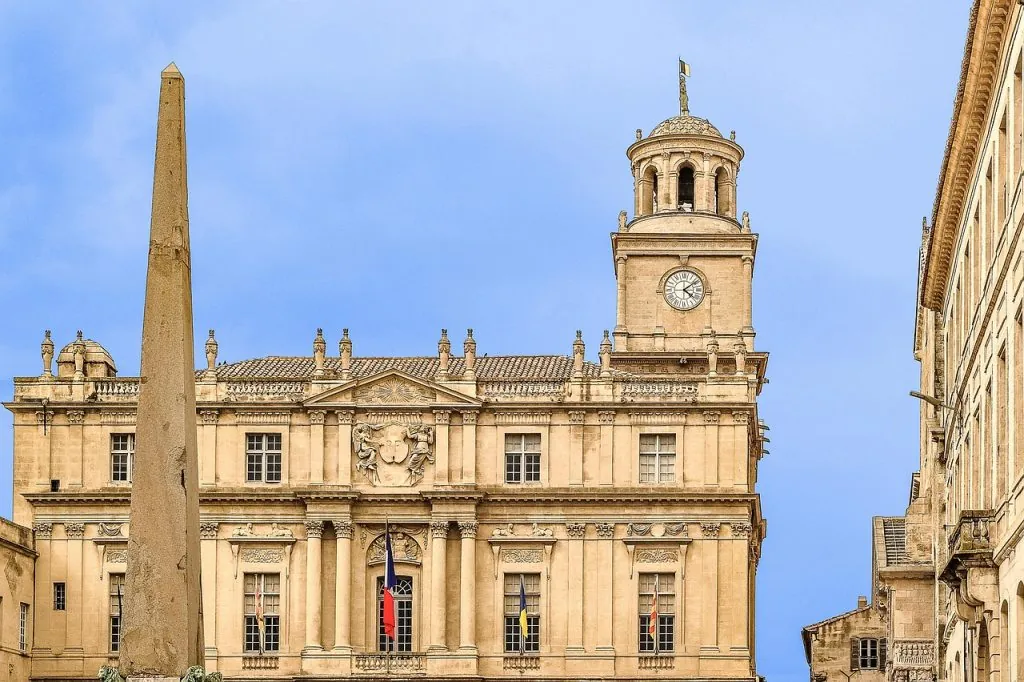
5. See Place de la République and Saint-Trophime
One of the central squares in old Arles is the Place de la République. Here, among other things, is the church of Saint-Trophime with its elaborate Romanesque portal. The church and its cloister are some of the most important medieval buildings in Arles and are included, together with the Roman monuments, in the World Heritage List.
The square is also a good starting point for continuing to discover the historic city center on foot.
6. Visit Alyscamps
Alyscamps is a large ancient necropolis just outside the very center of Arles. The burial ground was used during Roman times and continued to be important during the early Christian period and the Middle Ages. Along the area are ancient sarcophagi and remains that testify to Arles' long history. Vincent van Gogh also painted motifs from Alyscamps during his time in the city.
7. See Constantine's terms
The Thermes de Constantin are the remains of a large Roman bath complex from late antiquity. Bathing was an important part of life in Roman cities and here you can still see parts of the structures that were once part of the complex.
8. Learn more about the Roman era at a museum
For those who want to delve further into the city's ancient history, there is the Musée départemental Arles antique. The museum collects archaeological finds from Arles and the surrounding area and can be a good complement to the monuments you see in the city.
We did not visit the museum itself during our visit, but for those interested in history there is considerably more to discover than what we managed to see.
Arles is on the UNESCO World Heritage List
Arles is unusually rich in well-preserved remains from both the Roman and medieval periods. The city's Roman and Romanesque monuments were inscribed on the UNESCO World Heritage List in 1981. The World Heritage Site includes, among other things, the arena, the Roman theater, the underground galleries of the Roman Forum, the Baths of Constantine, Alyscamps and Saint-Trophime.
What is special is not only the individual buildings. Here you can also see how a city from antiquity has continued to live, change and adapt over the centuries.
The arena is perhaps the clearest example. First a Roman amphitheater, then a medieval fortification and residential area, and today once again an arena for various events.
Arles by motorhome
When we visited Arles by camper van, we stayed at Camping L'Arlésienne just outside the city center. The campsite is still there and offers both camping pitches and other types of accommodation. It has a swimming pool, restaurant and wifi, among other things.
For us, the campsite worked well as a base to discover Arles. We were able to leave our campervan at the campsite and walk into the centre to explore the sights. Our visit was in 2015, so of course check current prices, transport and conditions directly with the campsite before visiting.

How much time do you need in Arles?
The historic center of Arles is relatively compact and many of the main attractions are within walking distance of each other.
In one day you can see the arena, the Roman theater and the old town and get a feel for the city. If you want to visit several monuments and museums, follow in van Gogh's footsteps or do excursions in the surrounding area, it might be nice to stay longer.
Arles is also a good starting point for discovering both Provence and Camargue.
Excursion from Arles – Camargue and the white horses
South of Arles, the Camargue spreads out into the Rhône Delta. The landscape consists of wetlands, lagoons, pastures and salt flats and is known for its special wildlife. The Camargue is primarily associated with three animals: the white Camargue horses, the black bulls and the pink flamingos.
We won't pretend that we did any extensive expedition in the Camargue. We simply drove through the area on our way to Arles. But we did see horses!
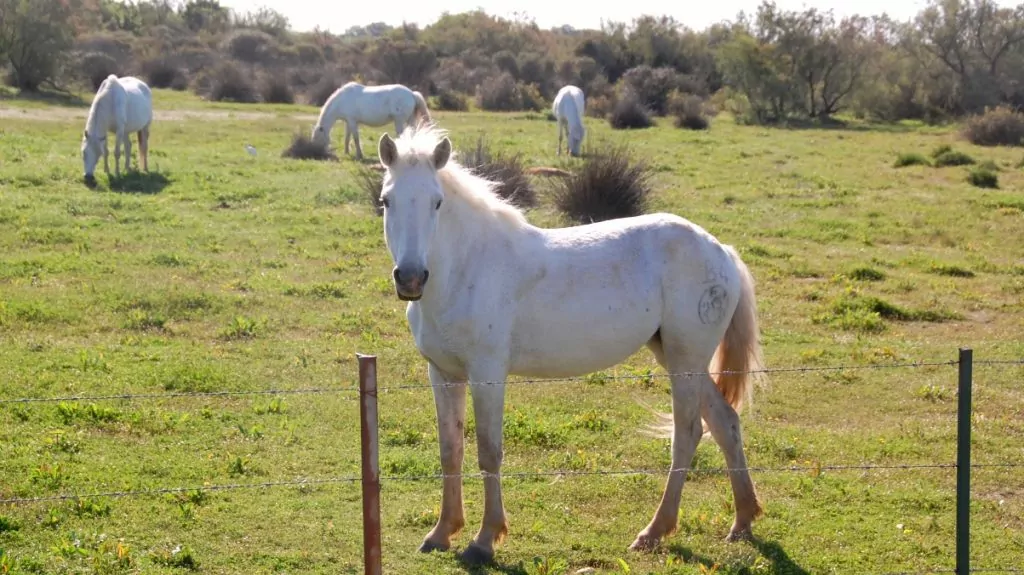
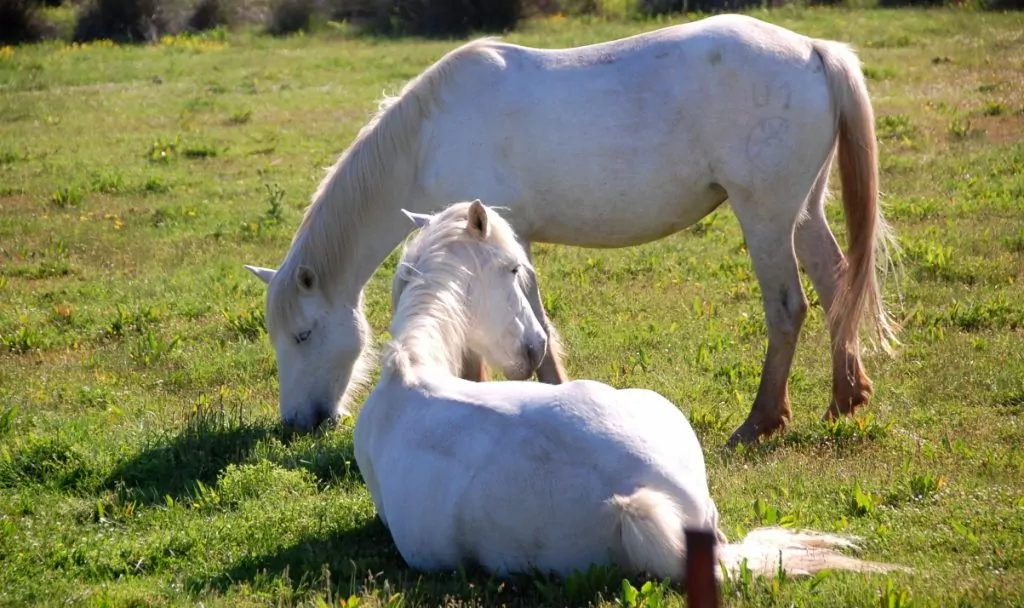
We saw the white horses up close and in several places. We also saw the black bulls, although from such a distance that the camera's zoom had to work properly. The flamingos, on the other hand, were conspicuous by their absence.
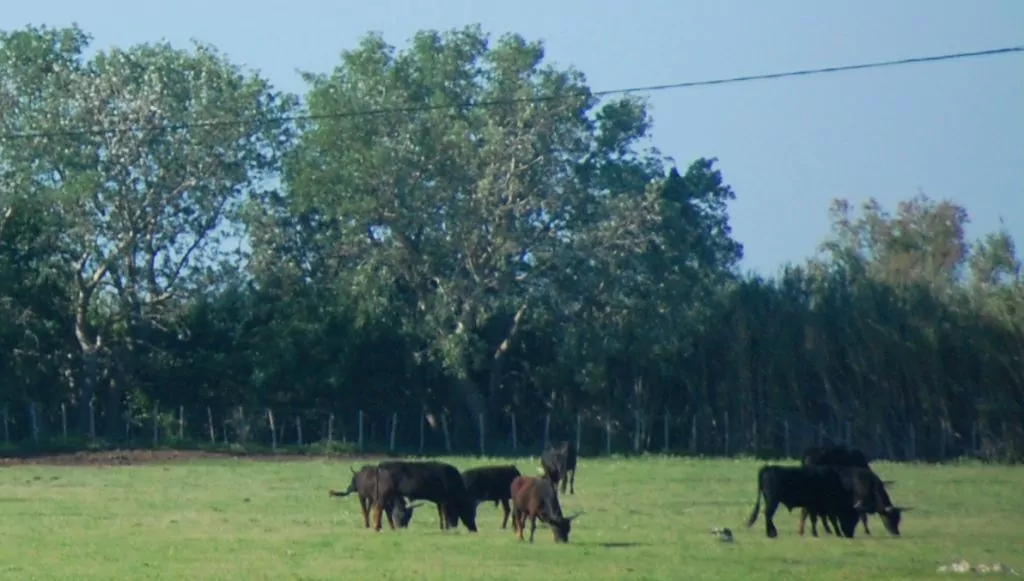
Those who want to experience more of the Camargue can set aside a day or longer for the area. There are opportunities to discover the wetlands, look for birds and see more of the distinctive landscape. For us this time it was above all a beautiful journey through with many white horses. And sometimes that is enough.
Is Arles worth a visit?
Yes, especially if you like history, art and cities that don't feel like museums even though they are full of historical monuments. We remember of course the great Roman arena, but also the walk through the old town and the artists behind their easels.
It is precisely this combination that makes Arles interesting. Roman remains stand in the middle of today's city, medieval alleys lead on to cafes and restaurants and above all the story of Vincent van Gogh hovers. And if you continue outside the city, the Camargue awaits, with its white horses. However, we still cannot guarantee flamingos.

More to see in the neighbourhood
Want to continue your trip in France? Here are more tips for places to visit near Arles:

You might also like:
 Visiting Rocamadour in France - a sacred pilgrimage site
 Visiting Chateau de Beynac in France - a historic gem
 Visiting La Romieu in France - a gem of Unesco heritage and feline legend
 Visiting the Chauvet cave in France - with 36,000-year-old paintings
 Visiting Gouffre de Padirac in France - a fascinating cave
 Millau Bridge in France - Europe's highest bridge



 English (UK)
 Svenska
BP says:
Arles is certainly charming! Everything is probably the same since a few decades ago anyway. No novelties there not. Good, I can actually think.
What a lovely campsite you have found and what fantastic weather. Finally you seem to have more luck with sunny weather!
06 May 2015 - 20:10
Lennart says:
We followed the Rhone River north a year ago!
Keep up the good work!
06 May 2015 - 20:56
Mycket annat och lite betong says:
Seems like a cosy city!
I like the artists, but the bullfights are awful even though they seem to be more humane there.
What matching bath towels you found!
Next weekend there will be a Motorhome Fair in Norrköping!
Greetings Agneta
06 May 2015 - 21:47
solan says:
Stay for a long time, Arles has a fantastic photography festival every year...unfortunately I think it's in September!
06 May 2015 - 22:05
Monica says:
If you miss Les Baux de Provence and especially the limestone caves of Carierres de Lumieres, it is almost an offence??. It is about 35 minutes from you and you can advantageously pass Aix en Provence if you are now thinking of going up towards Verdon? There is a good municipal campsite there with a bus to the city centre on the doorstep. Do not miss Little Paris! Funny that you found horses and bulls, as I said, it has always escaped us!!!
06 May 2015 - 22:43
Ditte says:
Thank you for letting me come here because I have not been to Arles. What a cosy town it seems to be, lots to see as well. Hope to see more of it.
Great pictures!
07 May 2015 - 1:03
towe says:
It looks absolutely wonderful! Would give a lot just to lie by that pool right now 🙂 .
07 May 2015 - 6:22
Steve says:
Beautiful environments. You will find great campsites, both in terms of choice and location.
07 May 2015 - 6:27
Ama de casa says:
What a perfect campsite as it sounds. The town looks very nice. Too bad they use the nice arena for bullfights, even if the French version is not quite as barbaric as the Spanish one, the bulls get really stressed...
07 May 2015 - 10:30
admin says:
BP, glad you recognised yourself! Nice city and nice camping!
Lennart, interesting to follow the Rhone! We will go east instead.
Agneta, I'm not fond of bullfighting either, but it seems better here anyway. Interesting with the motorhome fair!!!
Solan, haha, we don't want to stay that long...
😉
Monica, thanks for all the tips!!! We will see if we can find the limestone caves! Funny that you have not seen the white horses, there were so many, maybe it depends on which road you take?
Ditte, Arles is a charming little town... but let's move on!
Towe, the real heat has arrived. Great!
Steve, it is a bit different what we find, but here we were very happy!
Ama de casa, I'm not fond of bullfighting either, but the French version sounds better!
07 May 2015 - 11:28
Anders och Birgitta says:
Agree with Monica, Les Baux de Provence should be visited, it's really worth seeing.
07 May 2015 - 12:54
Rolle o Carina says:
Ooooh what a lovely pool you have!
Would have thrown myself in right away 🙂
Have a good time and take a bath 🙂
07 May 2015 - 19:26
Anja says:
Aix (which someone recommended) is really nice, but how does it feel to be SO FAR FROM THE SEA? A bit empty and unwindy :-)?
07 May 2015 - 19:28
admin says:
Anders and Birgitta, nice that you have also been there! Yes it was a visit, a post will come soon!
Rolle and Carina, we've finally got some real heat... so now those things are really tempting!
🙂
Anja, haha, yes, you might ask? It's a bit empty without the sea, but luckily there are at least some rivers like the Rhone and so on...!
😉
07 May 2015 - 21:23
Elisabeth says:
Seems like a very cosy city. Would also like some of your sun and warmth. Hs dé still good! Elisabeth
07 May 2015 - 23:15
Inga-Lill Gustafsson says:
Arles is a beautiful city! It is said to be the oldest and warmest city in France. We usually spend the first week in July, when there is a big international photo festival there. A few years ago there was a campsite just outside the ramparts by the river where we used to stay (free). It is now gone. Since then we have stayed at a small campsite just a few km from the centre. Our favourite places in France are the small town of Apt with all the nearby villages! Keep up the good work!
08 May 2015 - 16:21
Kors och Tvärs says:
The campsite looks very nice and we have thought about Arles in about 1 month. Is it difficult to get around with a motorhome - we have one that is almost 8 metres long, do you think it will work with it, or will we be too big?
09 May 2015 - 9:49