


Writer: Helena Bergström
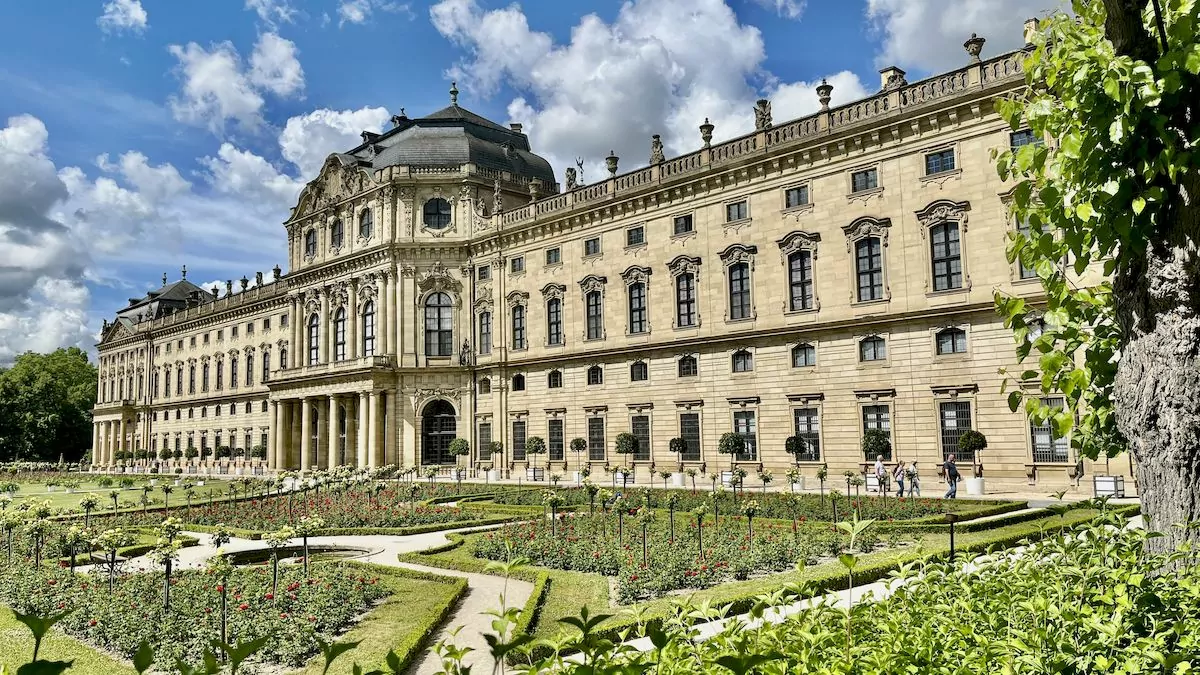
Updated: August 2026 | The Würzburg Residence is a stunning Baroque palace, considered one of the finest examples of opulent German Baroque. Large parts of the palace were destroyed during World War II, but have been rebuilt to their original glory. Here you can see, among other things, the world's largest ceiling fresco.
 Tweet
 Share
 Share
 Pin
 Share
 Share
Table of contents
The residence in Würzburg
Since 1981, the Residence in Würzburg, together with the Hofgarten and Residenzplatz, has been on the UNESCO World Heritage List. The residence is well worth a visit. You can stroll through the ”Hofgarten” garden, peek into the sumptuous ”Hofkirche” church and take a guided tour through the beautiful halls and rooms.
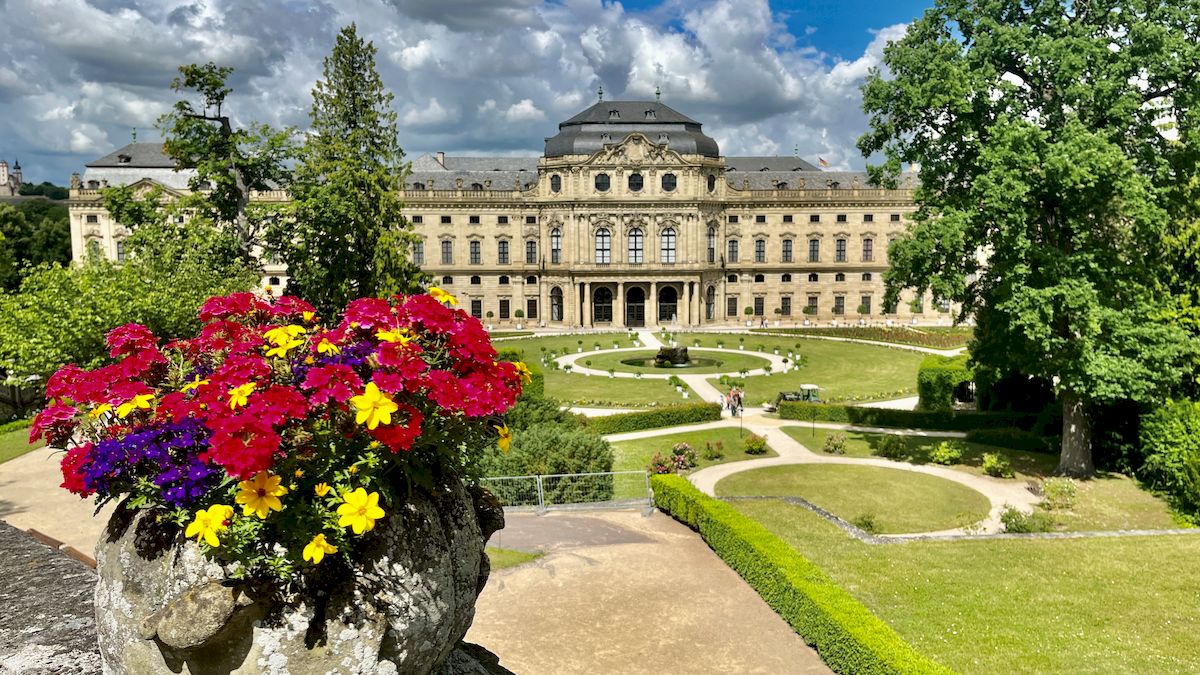
The Würzburg Residence is located in the centre of Würzburg, in the north-western part of Bavaria.
The Residence in Würzburg - an 18th century palace affected by the war
The construction of the Residence in Würzburg was begun for the Prince-Bishop Johann Philipp Franz von Schönborn by the then young and unknown artist Balthasar Neumann (1687-1735). The building was constructed between 1720 and 1744 and the interior was completed in 1780. The cost of construction was around 1.5 million florins, at a time when one (1) florin was equivalent to a week's wages for an ordinary labourer. A huge amount of money in other words!
The interior of the Residence in Würzburg was one of the most beautiful and impressive of its time. Unfortunately, 90% of Würzburg's Old Town was destroyed in a devastating air raid on 16 March 1945, just weeks before the end of World War II. The residence was largely burnt out, and only the core was saved.
Much of the furniture had been stored elsewhere, and thus saved. It was decided to restore the residence and recreate the destroyed rooms as far as possible. The reconstruction cost around €20 million and was completed in 1987. This work is also hugely impressive!
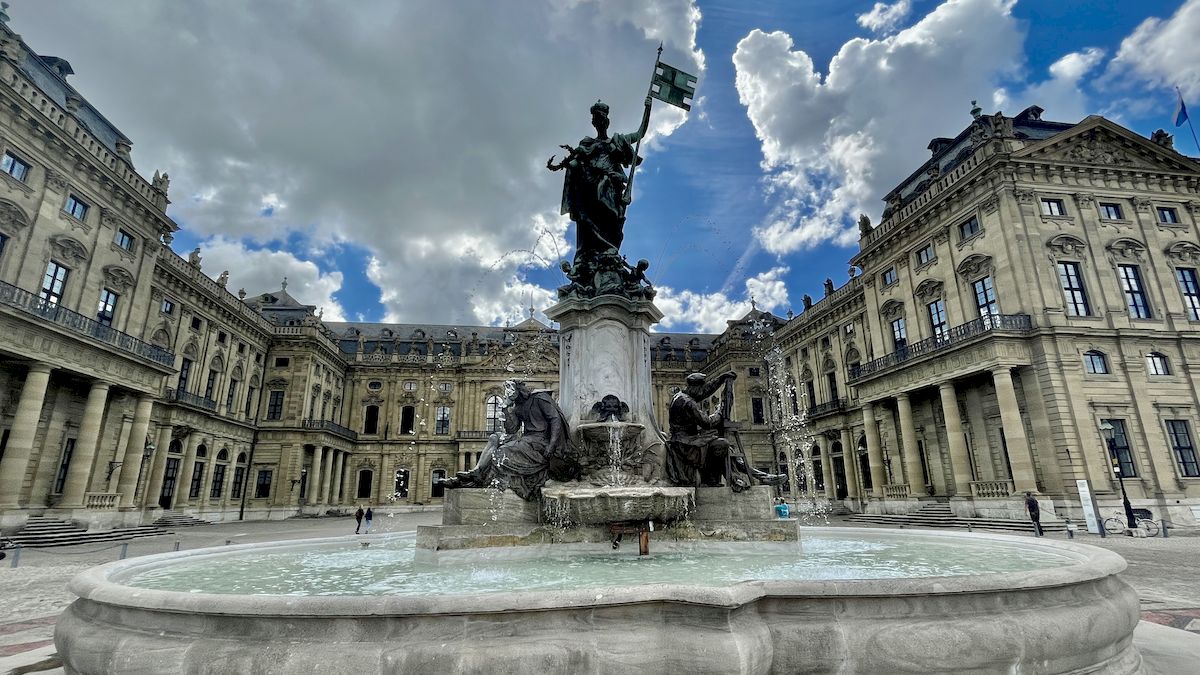
The "Hofgarten" garden
At the Residence in Würzburg is the beautiful garden 'Hofgarten'. The garden was created by the Prince-Bishop of Würzburg, Adam Friedrich von Seinsheim, who reigned from 1755 to 1779. To realise the project, the garden artist Johann Prokop Mayer (1735-1804) was hired as the new court gardener.

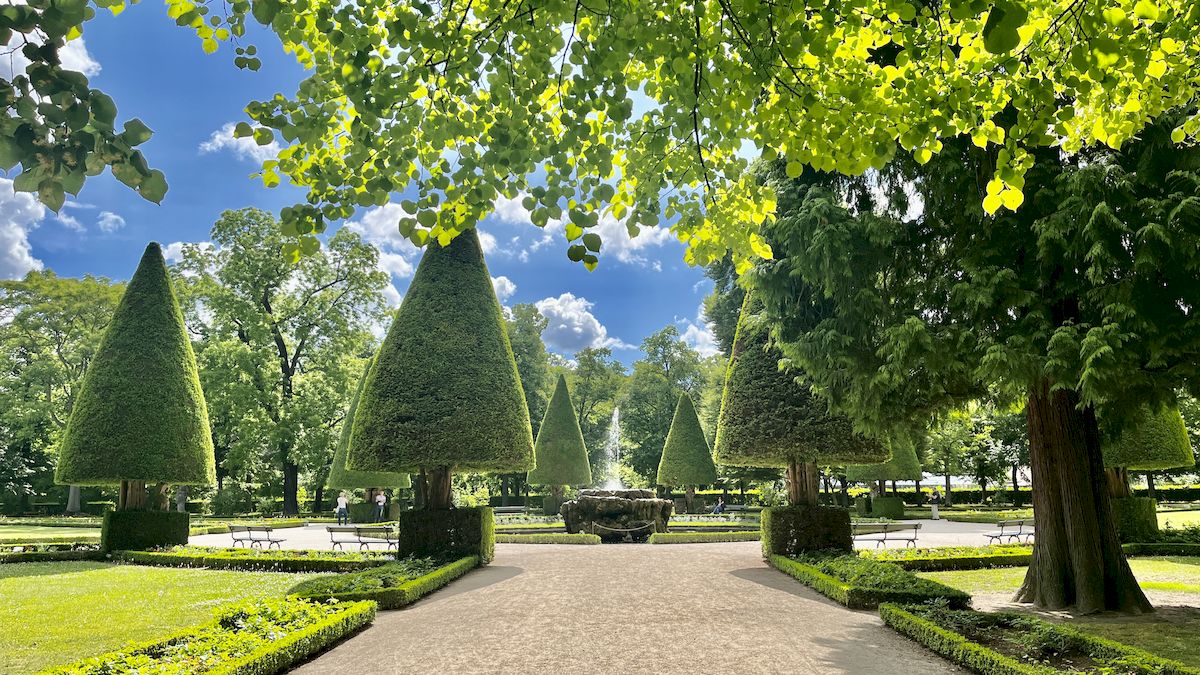
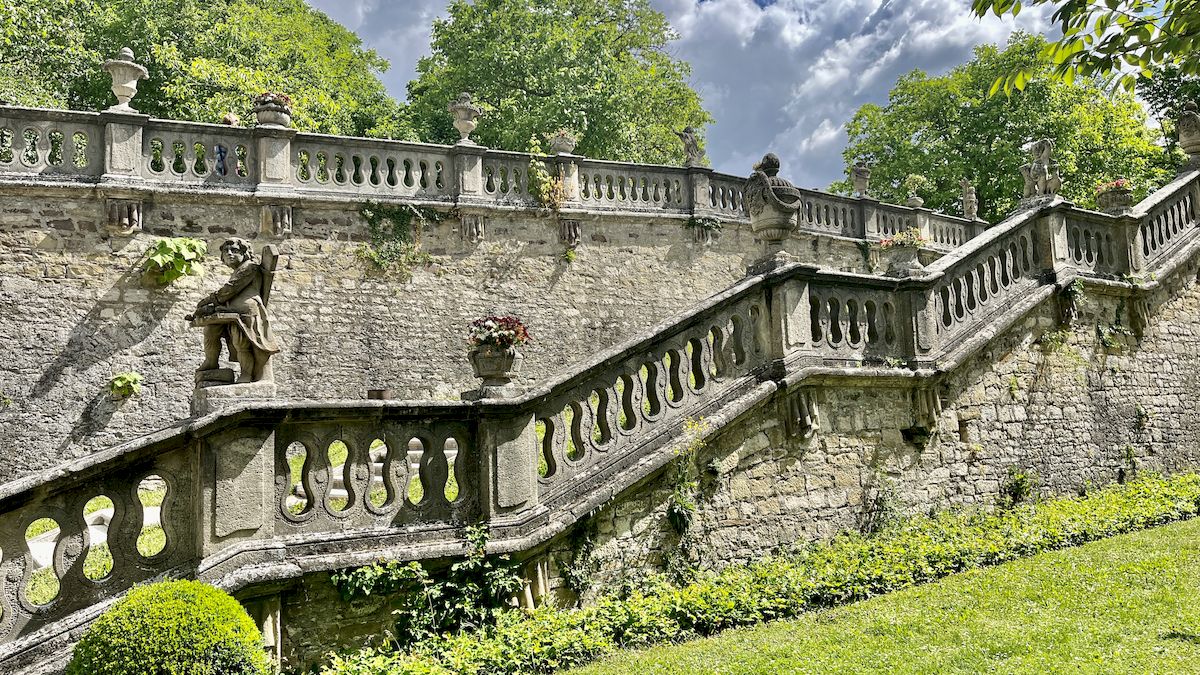
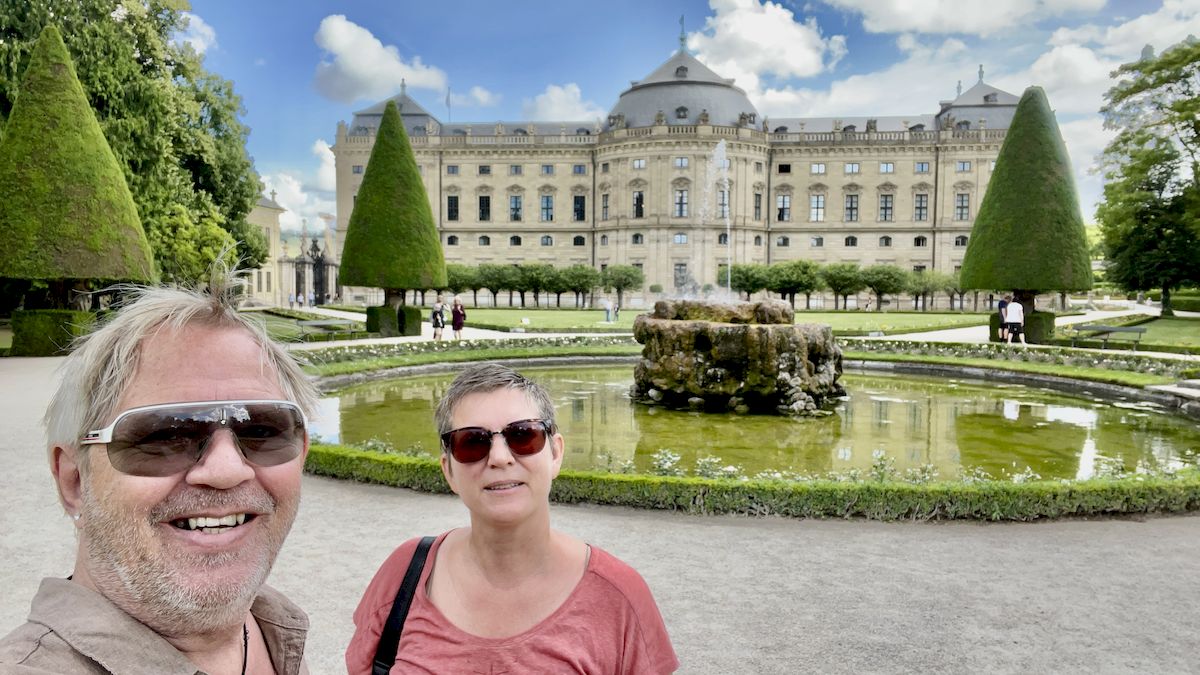
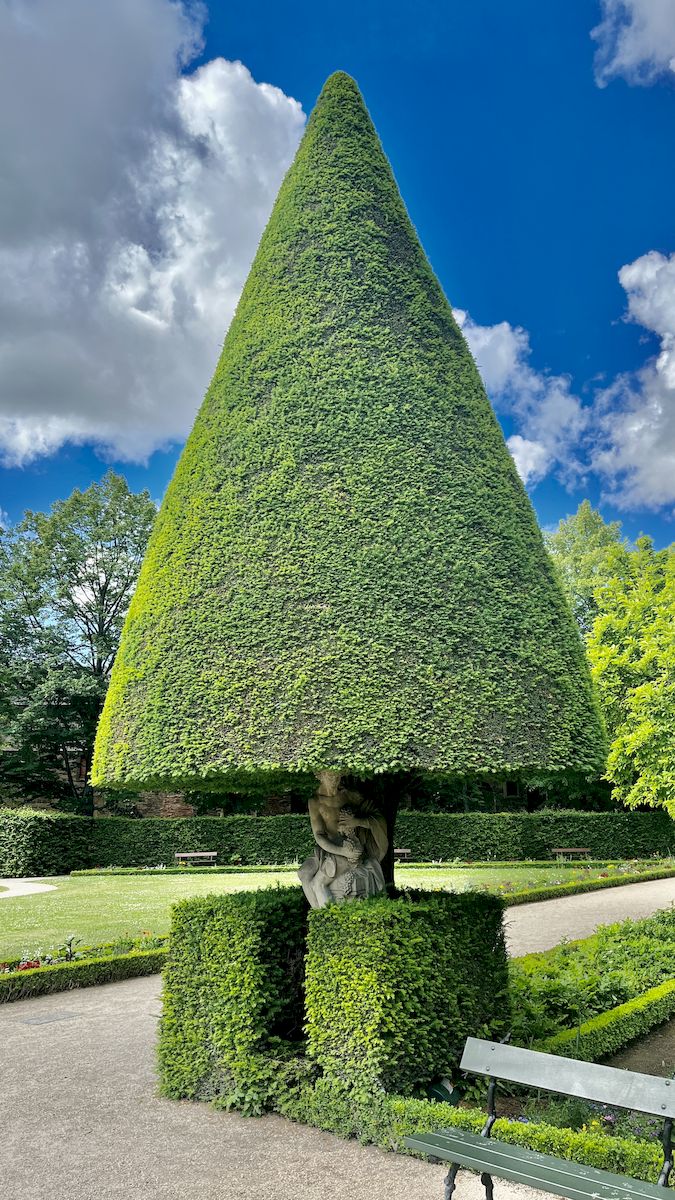
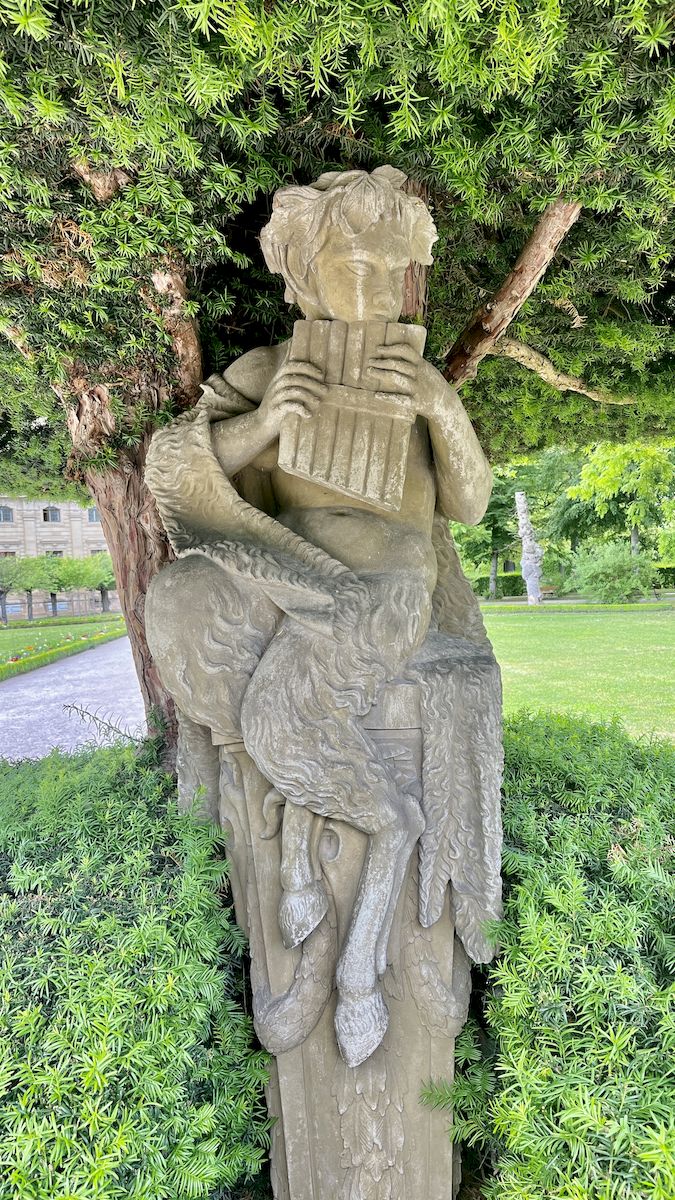
The garden is beautiful, and we loved the pond surrounded by eight yew trees. In each tree you'll find a little character!
Guided tour of the Residence in Würstburg
We naturally wanted to see the inside of the beautiful Würstburg Residence, and it turned out that there are guided tours in English twice a day. Nice! Our international group (with tourists from Europe, India and Mexico) had a very interesting and fascinating tour.

Please note that not is allowed to photograph or film inside the palace, without special permission. We have applied for permission to photograph and display the photos here on freedomtravel.se, and have been granted permission in writing. So, stay tuned!
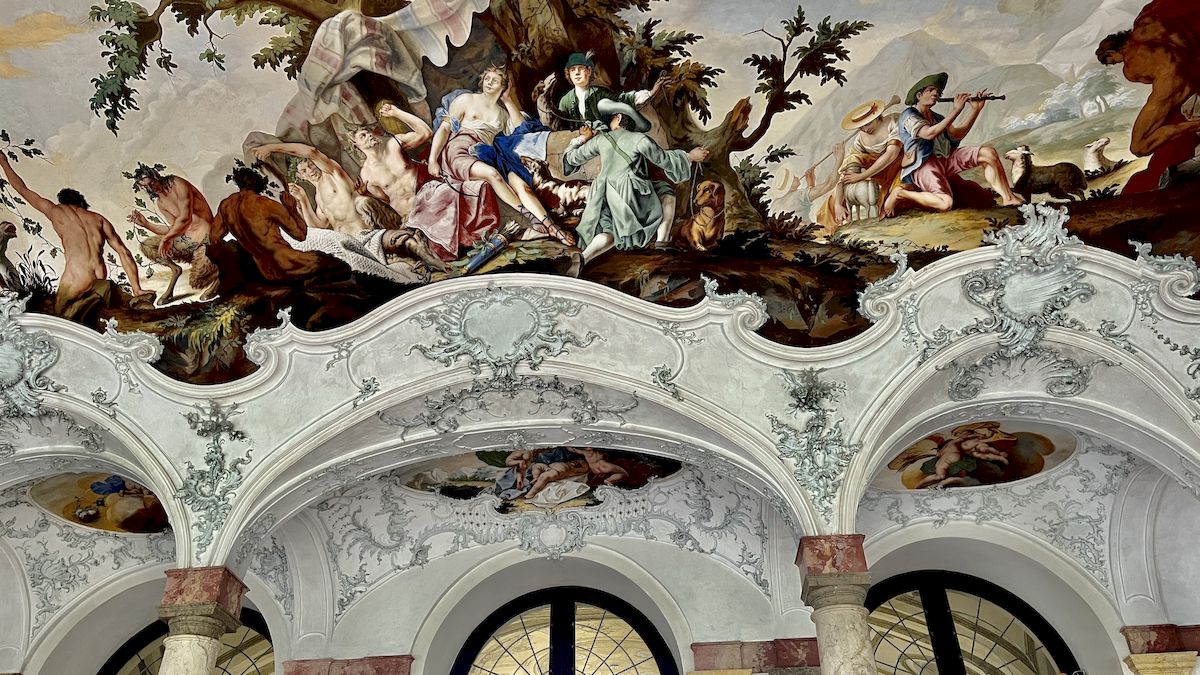
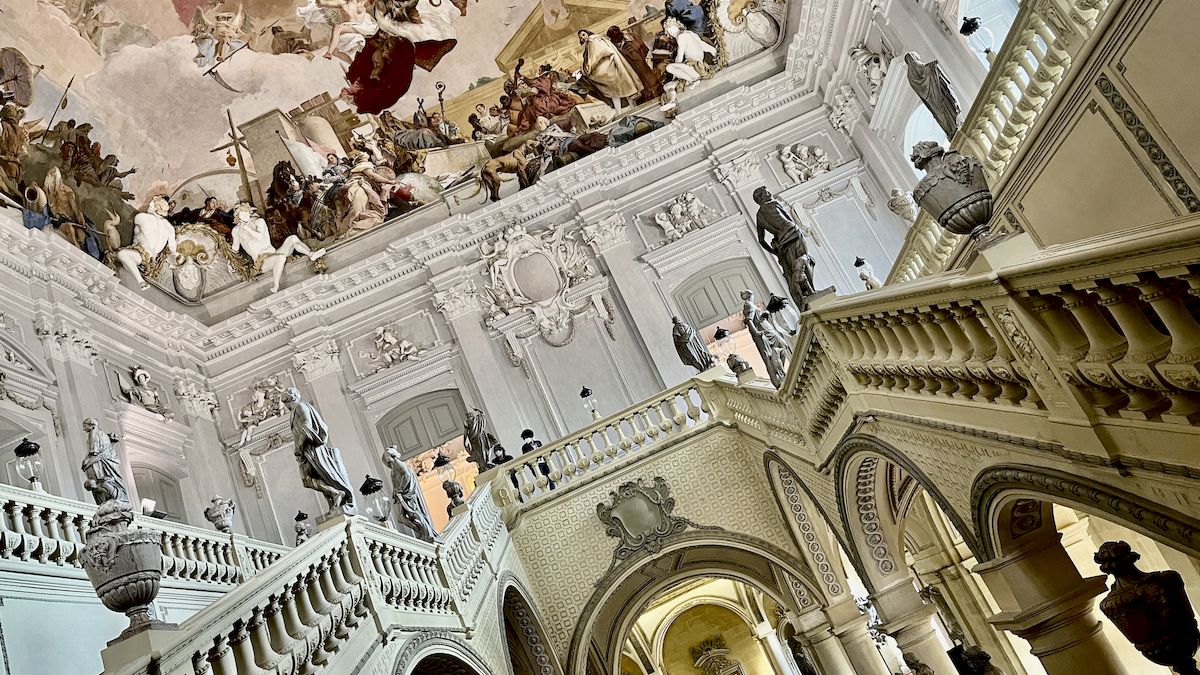
One of the main attractions of the palace is the mighty staircase, above which you can see the enormous fresco, made by the Venetian artist Giovanni Battista Tiepolo in 1752-1753. The fresco is the largest ceiling fresco ever painted and occupies about 600 square metres.
The fresco depicts Würzburg and Europe as well as the exotic continents of America, Asia and Africa. Amazingly, the stairwell and the fresco survived the bombing raids during World War II.
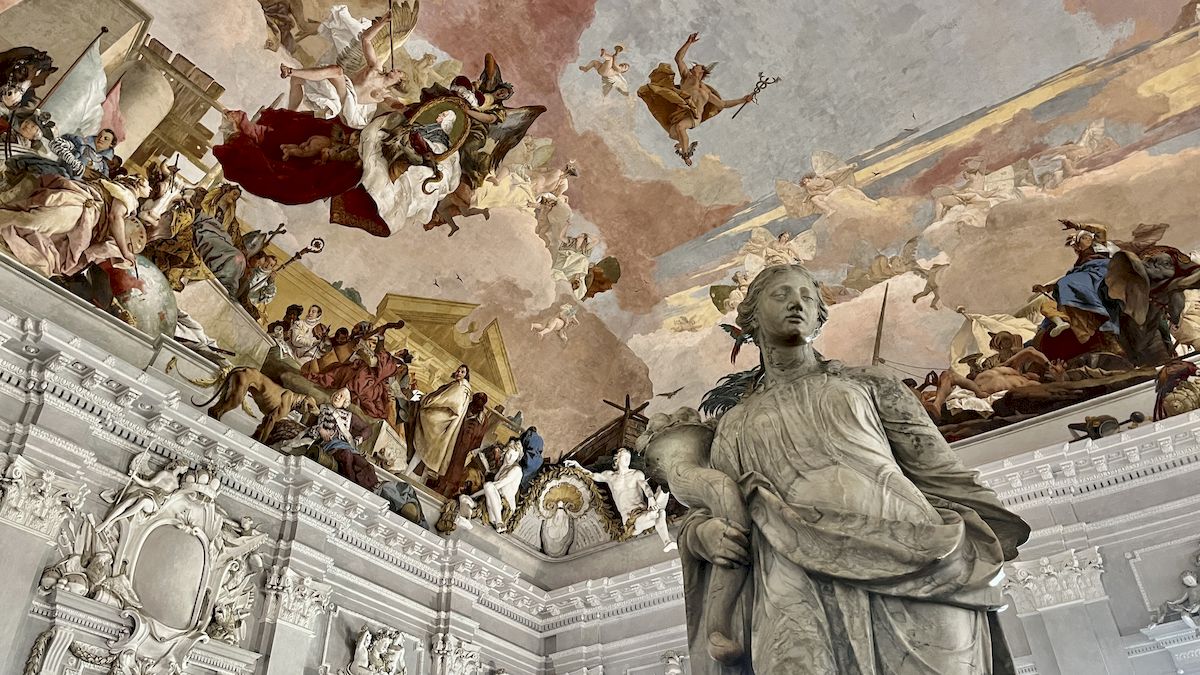

Another hall that survived the bombs is the White Hall, decorated with stunning stuccoes from 1744-1745.

Another fantastic hall is the Imperial Hall. Again, there are fantastic ceiling frescoes by Giovanni Battista Tiepolo, as well as creative decorations that sometimes combine painting and sculpture.


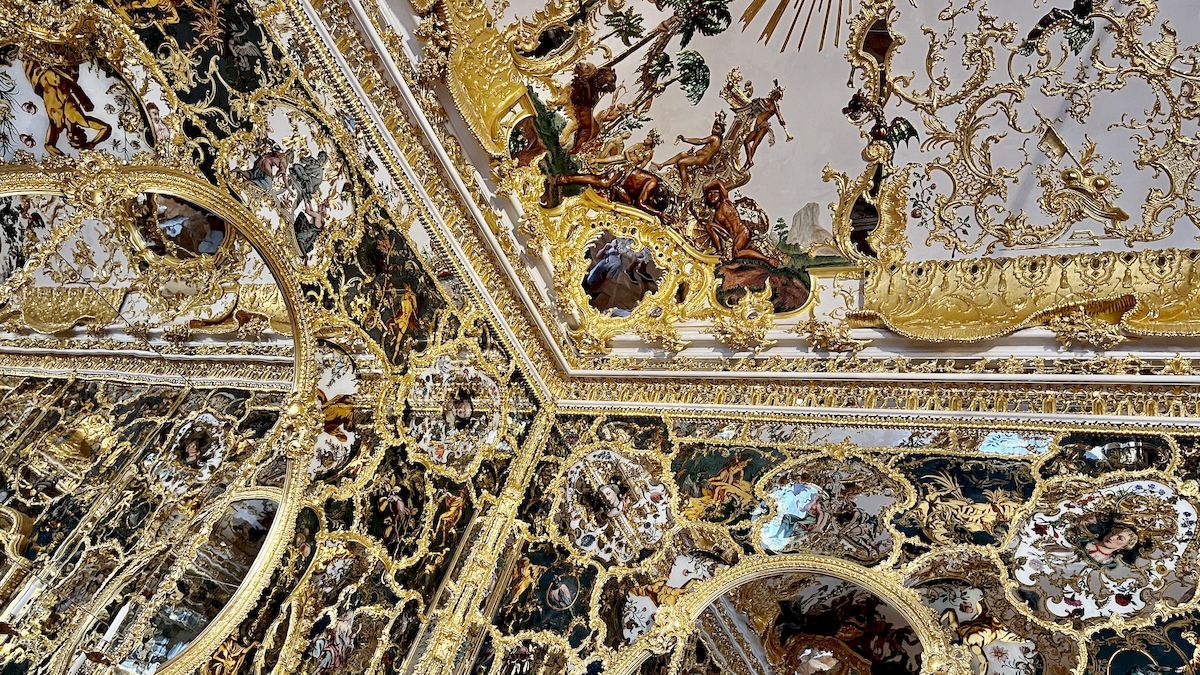
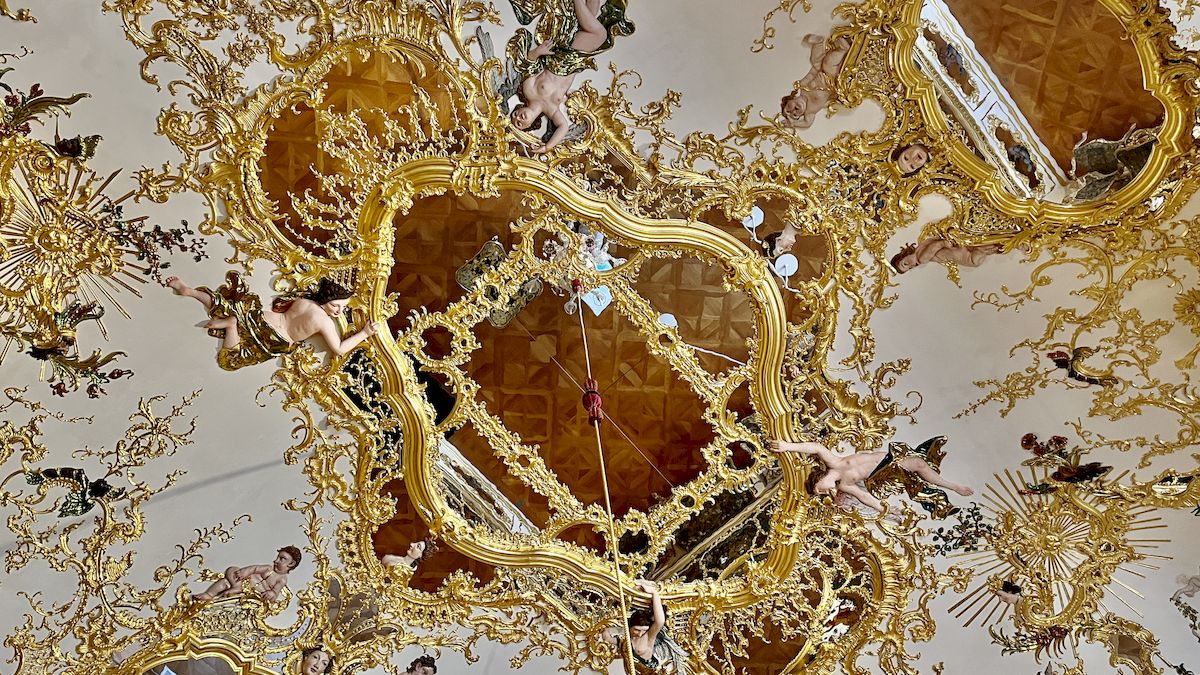
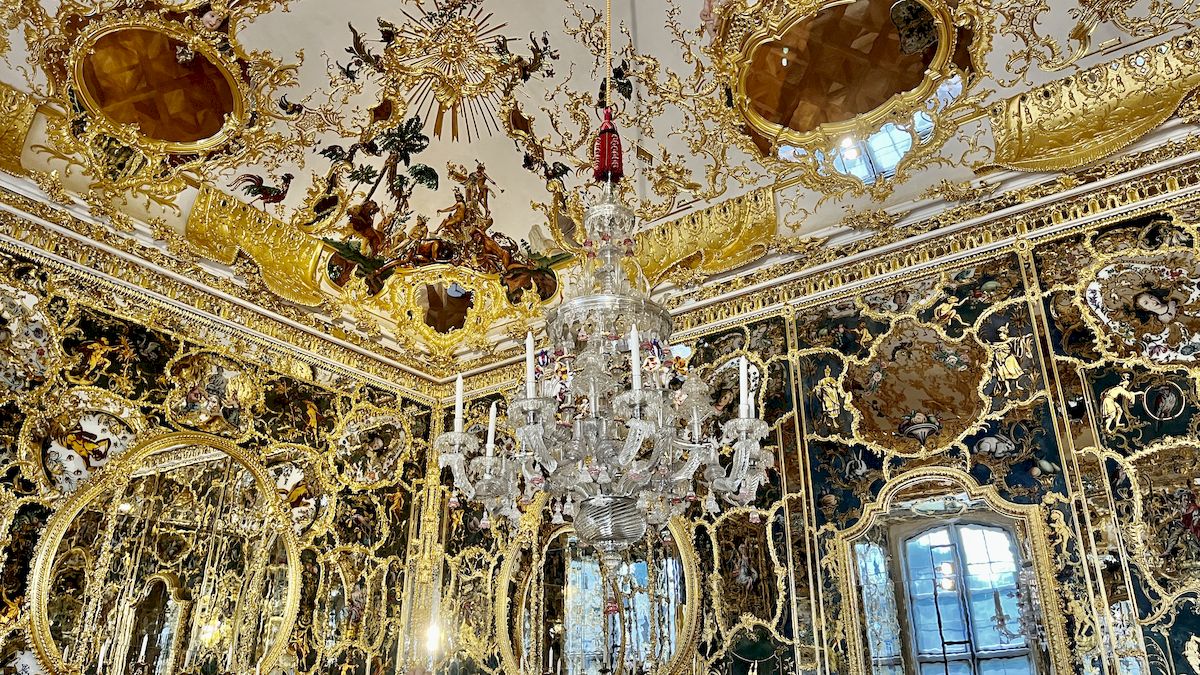
Once the guided tour of the most important rooms is over, you can wander around the palace on your own, more or less open-mouthed. There are endlessly impressive rooms, such as the Cabinet of Mirrors. This was completely destroyed during the bombing, but thanks to saved fragments and a detailed painting, they have managed to recreate this marvel of a room.
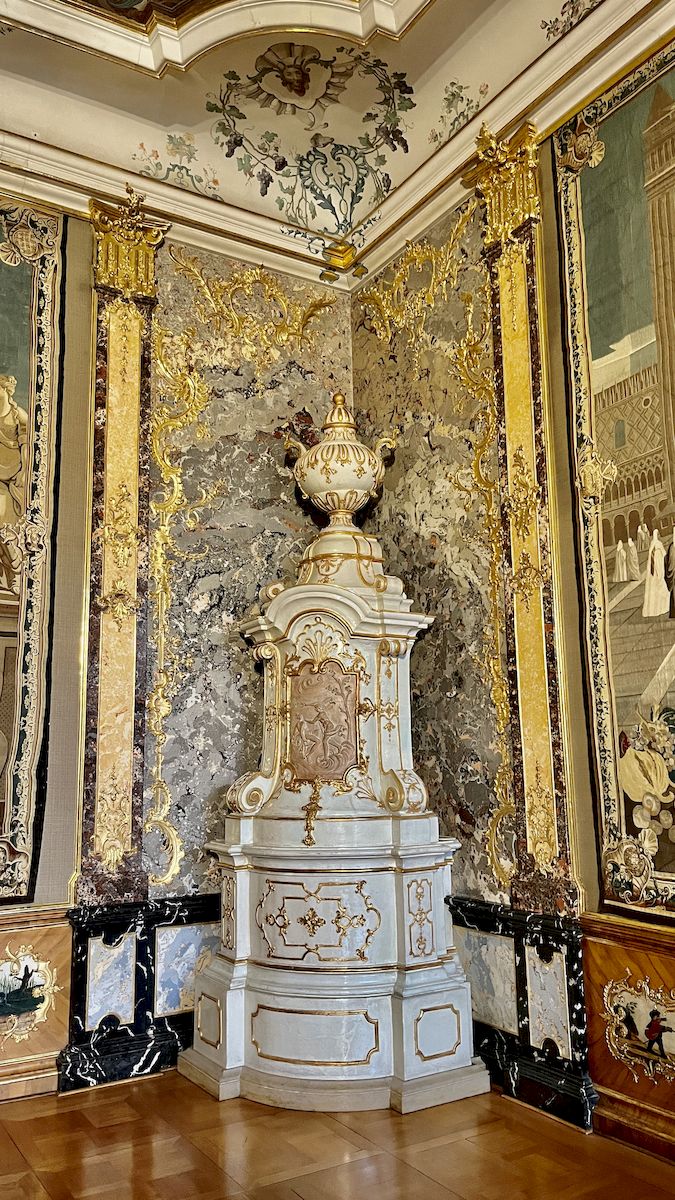
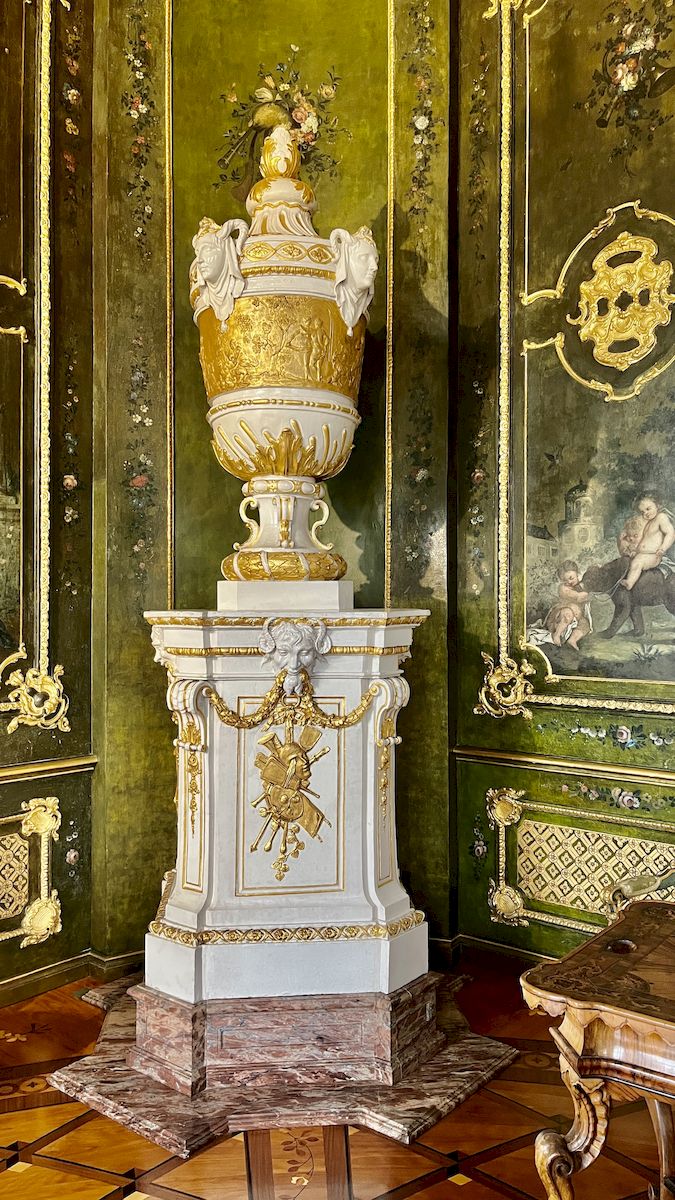
Many of the rooms have beautiful and richly decorated tiled stoves and furniture.
There are also plenty of tapestries, which tell the story of people, events and emotions.

It is exciting to look at all the details, from furniture to watches.
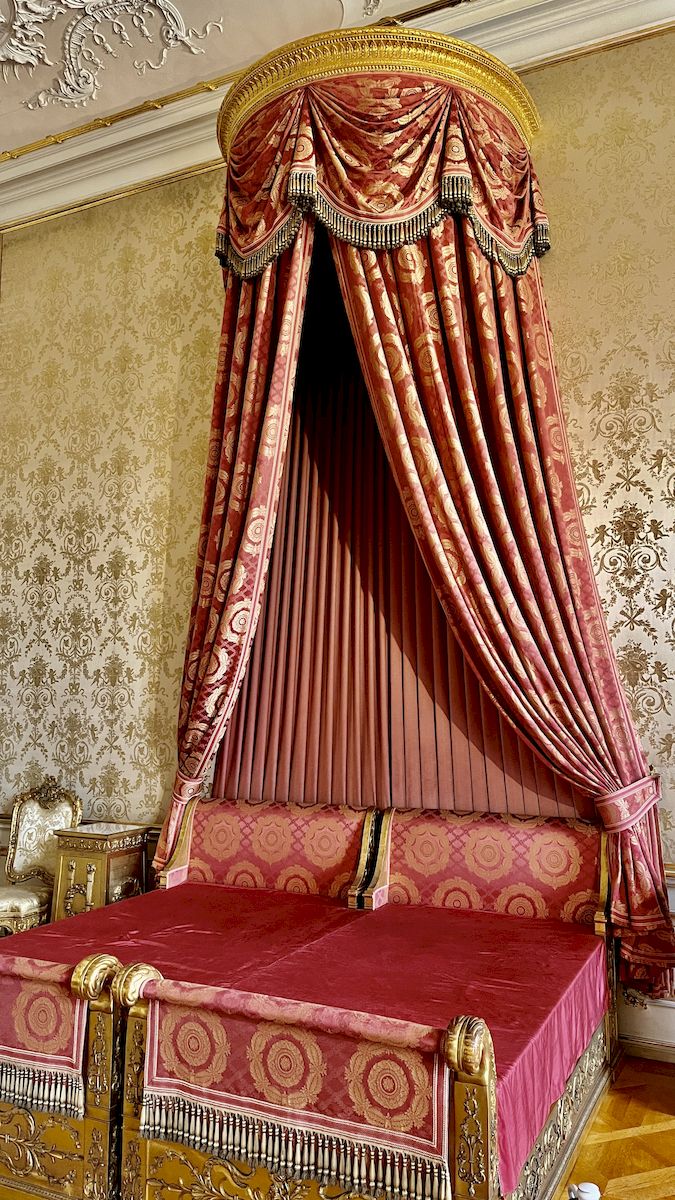
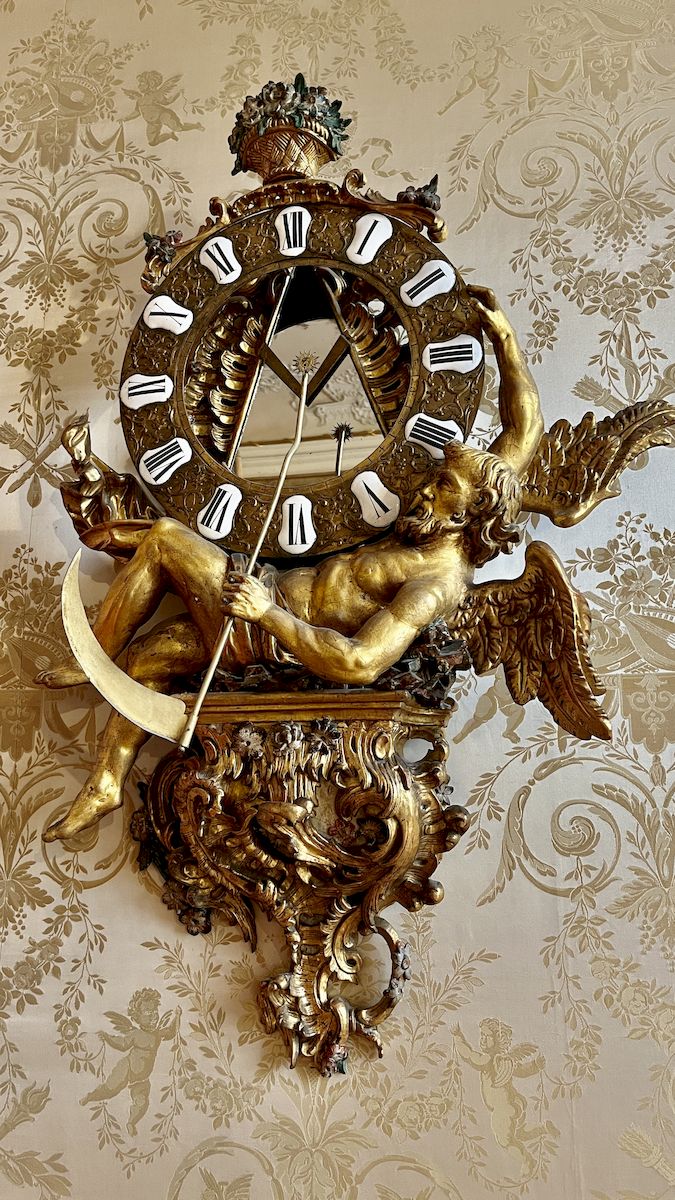
In one part of the palace, there is a beautiful modern exhibition about the devastation of the Second World War and the efforts to restore the palace to its former glory. It is not only the 18th century craftsmen who are impressive, but also those who worked in our time with advanced craftsmanship.

The "Hofkirche" church
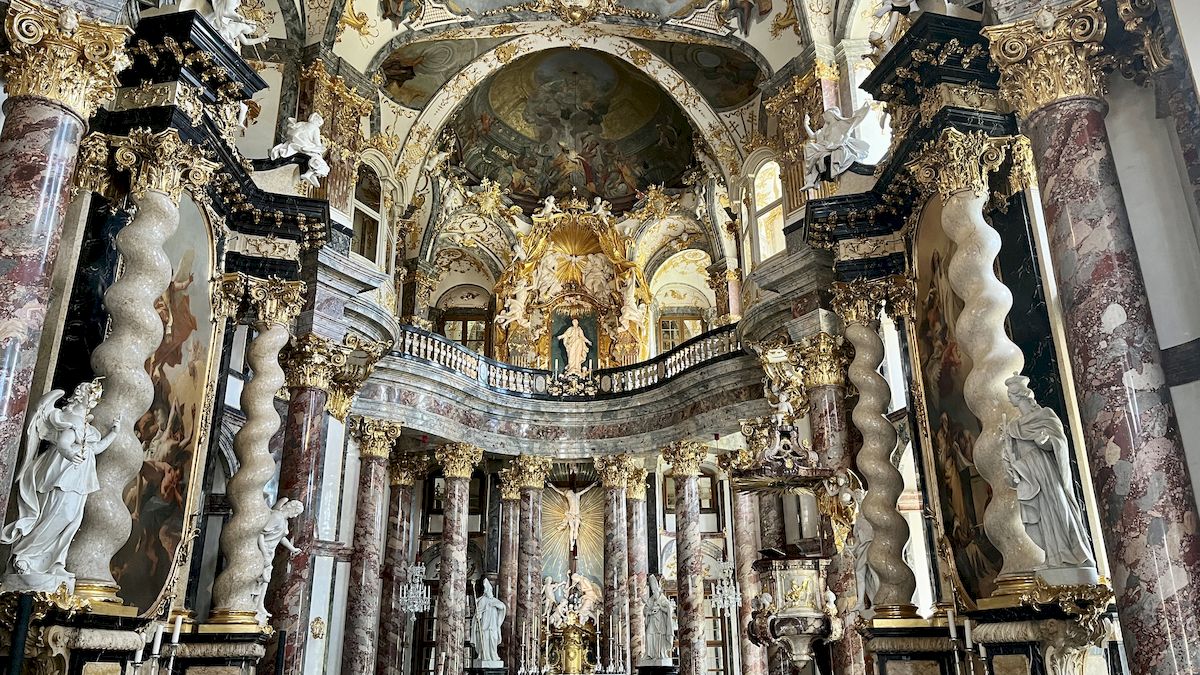
Last but not least, you won't want to miss seeing the "Hofkirche" church, which was inaugurated in 1743. Even though the church is small, it is a masterpiece, and incredibly impressive with all the decorations and paintings.
Video from Würzburg Garden
More to see and do in Würzburg and Germany
Once you're done with the residence in Würzburg, there is of course more to see and discover in this city. Above all, you won't want to miss the beautiful 'Alte Mainbrücke' bridge and the Marienberg fortress, which offers great views of the city.
READ MORE: Things to do in Würzburg - 12 sights and experiences

Where can I park my motorhome?
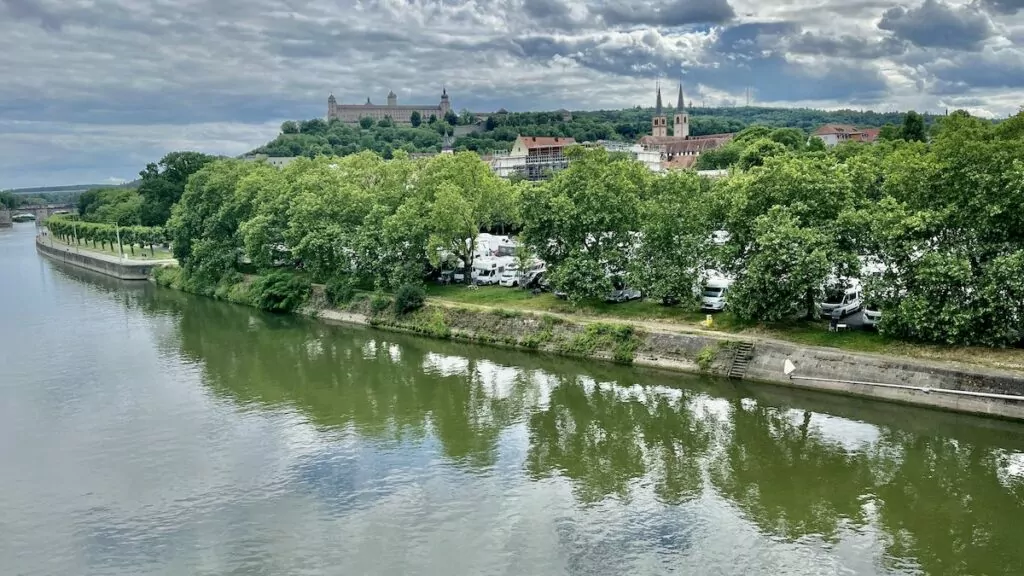
We visited Würzburg by camper and were at Wohnmobilparkplatz an der Friedensbrücke at Dreikronenstrasse. The location is very good, less than a kilometer from the center, and here you will find electricity, fresh water and the possibility of emptying gray water. Check current prices and conditions before your visit.
FAQ – frequently asked questions about the Residence in Würzburg
What is the Residence in Würzburg?
The Würzburg Residence is a magnificent 18th-century Baroque palace built for the Prince-Bishops of Würzburg. The palace was designed under the direction of architect Balthasar Neumann and is considered one of the finest examples of European Baroque architecture.
Is the Würzburg Residence a World Heritage Site?
Yes. The Würzburg Residence, Hofgarten and Residenzplatz have been on the UNESCO World Heritage List since 1981. The World Heritage includes both the magnificent palace and the surrounding environment.
Can you enter the Residence in Würzburg?
Yes. The residence is open to visitors and the magnificent rooms can be visited on your own. Guided tours are also available, including in English. Please check the current opening and guided tours before visiting.
What is special about the ceiling fresco in the Residence in Würzburg?
The enormous ceiling fresco above the famous staircase was painted by the Venetian artist Giovanni Battista Tiepolo in the 1750s. It is considered the world's largest continuous ceiling fresco and depicts the then known continents of Europe, Asia, Africa and America.
Was the Würzburg Residence destroyed during World War II?
Large parts of the residence were severely damaged during the bombing of Würzburg on March 16, 1945. Among other things, the staircase with Tiepolo's famous fresco survived, while other parts later had to be reconstructed in an extensive restoration project.



 English (UK)
 Svenska
Ann says:
But what magical architecture!
14 June 2022 - 11:49
BP says:
Am I the only one who thinks that the exterior and partly the interior of the Residence is reminiscent of the Palace of Versailles?
What an impressive building. Pretty amazing that they rebuilt the Residence.
14 June 2022 - 20:23
Lena - gott för själen says:
What a place! Amazingly impressive. A staggering cost in relation to labourers' wages!
A place to remember!
Hug Lena
27 September 2022 - 12:36