


Writer: Helena Bergström
Updated: September 2026 | Pécs in southern Hungary was a city we had barely heard of before we came here. It was all the more fun to discover a city with Roman remains, Ottoman history, grand churches, beautiful squares and colorful ceramics. Here we give you tips on things to see and do in Pécs, with both our own experiences and things we would have liked to have discovered.
 Tweet
 Share
 Share
 Pin
 Share
 Share
Table of contents
Things to do in Pecs
Pécs is located in southern Hungary, relatively close to the border with Croatia. The city was called Sopianae during Roman times and has been influenced by many different cultures and religions over the centuries. It is home to an early Christian world heritage site, relics from the Ottoman era and the legacy of the famous Zsolnay pottery family.
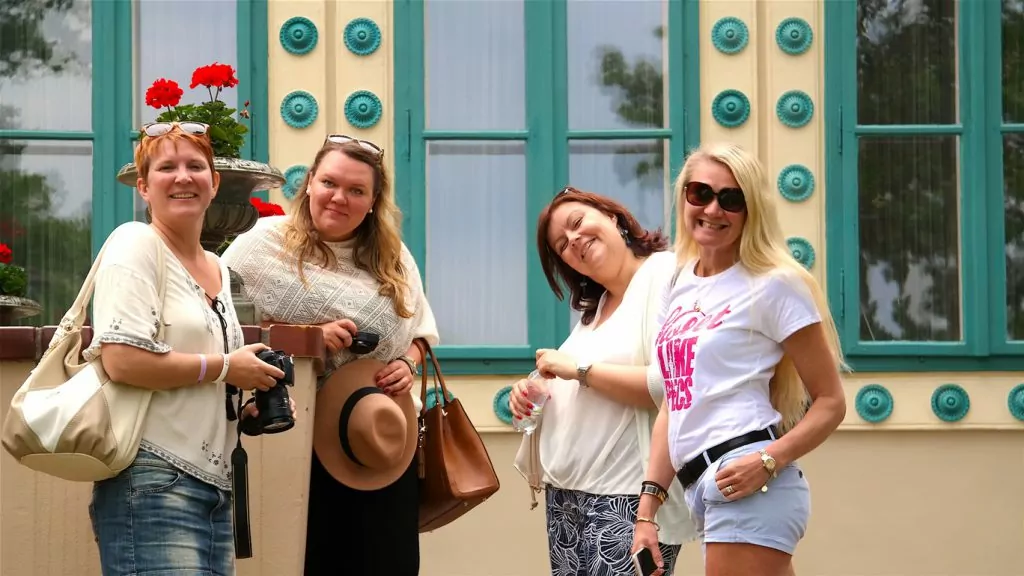
In 2010, Pécs was one of the European Capitals of Culture. Culture remains an important part of the city's identity, but Pécs is also a fairly easy city to explore on foot. Many of the main attractions are located in or near the city center.
When we arrived here we had almost no expectations at all. It turned out to be a pretty good way to experience Pécs. We were surprised by how much there was to discover.
1. Start at Széchenyi Square
Széchenyi Square, Széchenyi tér in Hungarian, is the city's large central square and a good place to start your exploration. Surrounded by stately buildings, restaurants and cafés, the square is close to several of Pécs' most important attractions.
The square also features the decorative Zsolnay Fountain, which is a nod to the city's famous pottery production. But it's another building that's the hardest to miss.

2. See the mosque that became a church
In the middle of Széchenyi Square stands a building that at first glance looks like a mosque. And it used to be.

The Gázi Kászim Pasha Mosque was built during the Ottoman period in the 16th century. After the Ottomans left the city, the building was converted into a Catholic church. Today, Christian symbols coexist with clear traces of Muslim history.
The mix of different historical and religious layers is one of the most fascinating things about Pécs. It becomes very clear here that the city has changed both rulers and identity many times over the centuries.


3. Visit the Cathedral of Pécs
Another building that impressed us was the great cathedral, the Cathedral of Saints Peter and Paul. The church's history stretches back a long way, although the building has been altered and rebuilt several times over the centuries.
Of course we went in and had a look. The interior is at least as grand as the exterior, with paintings, decorations and high arches.

We also went up to see Pécs from above. From here you get a completely different perspective of the city, with rooftops, churches and the green surroundings around Pécs.

4. Discover Pécs' World Heritage Site Underground
One of the most historically interesting sights in Pécs is located underground. During Roman times, the city was called Sopianae, and in the 4th century, an early Christian cemetery was established here.
The burial chambers still contain paintings with Christian motifs, and both underground burial chambers and remains of a memorial chapel have been preserved. The area is so special that the early Christian necropolis has been on the UNESCO World Heritage List since 2000.
A good starting point for discovering the remains is the Cella Septichora Visitor Centre. A total of 16 monuments are included in the World Heritage Site itself, while significantly more tombs have been found in the area.
We saw Roman remains during our visit to Pécs, but today we definitely would have liked to spend more time on this part of the city's history.

5. Stroll through the historic city center
Pécs is a city that is great for just strolling around. Outside the major sights, pedestrian streets, smaller squares, old houses and outdoor cafes await. It is also on the walks that you see more traces of the city's different eras. Roman, Christian, Ottoman and Central European are layer upon layer.

When we were here we actually got some help with transportation. We tried Segway for the first time in our lives and went on a guided tour through Pécs. At first I thought it was really hard, while some others in the group were obviously ”natural born segwayers”. But eventually I got the hang of it too and it was so much fun.
Whether Segway is the best way to discover Pécs today remains to be seen. But for us it was a very fun way to get to know the city.

6. Discover the Zsolnay Cultural Quarter
One area that is really worth spending time in is the Zsolnay Cultural Quarter. This was once the site of the Zsolnay family's famous pottery factory, which became of great importance to Pécs and made the city's ceramics known far beyond Hungary.
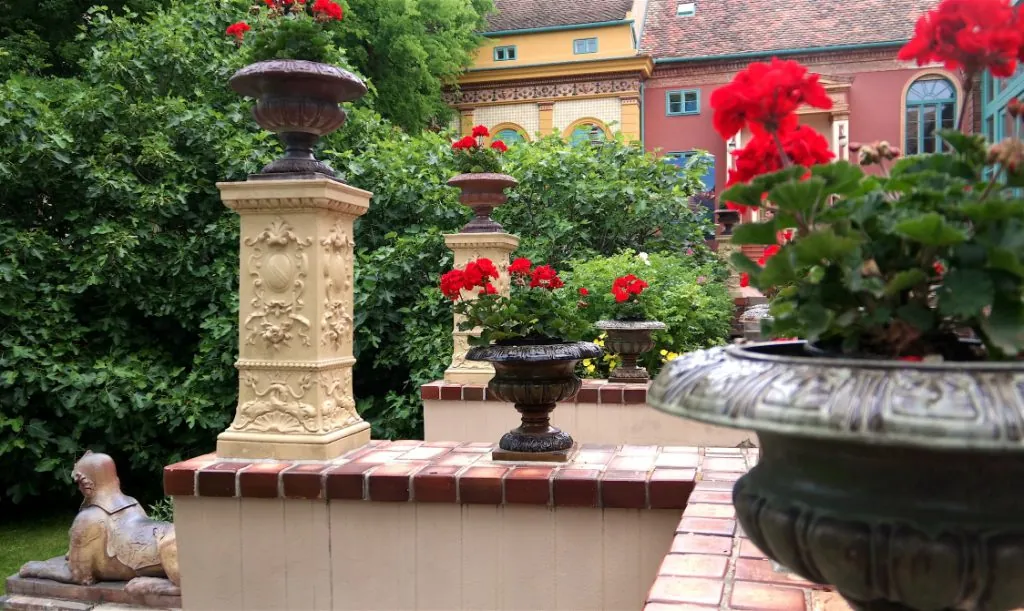
Today, the old factory area has been transformed into a large cultural district. Here, among other things, there are exhibitions about the family and factory history, ceramics, art, the Zsolnay Mausoleum and various cultural activities.
The area itself is also an experience with its special buildings, decorations and colorful details. You can walk around the public areas of the cultural quarter without an entrance fee, while museums and other attractions have separate tickets.
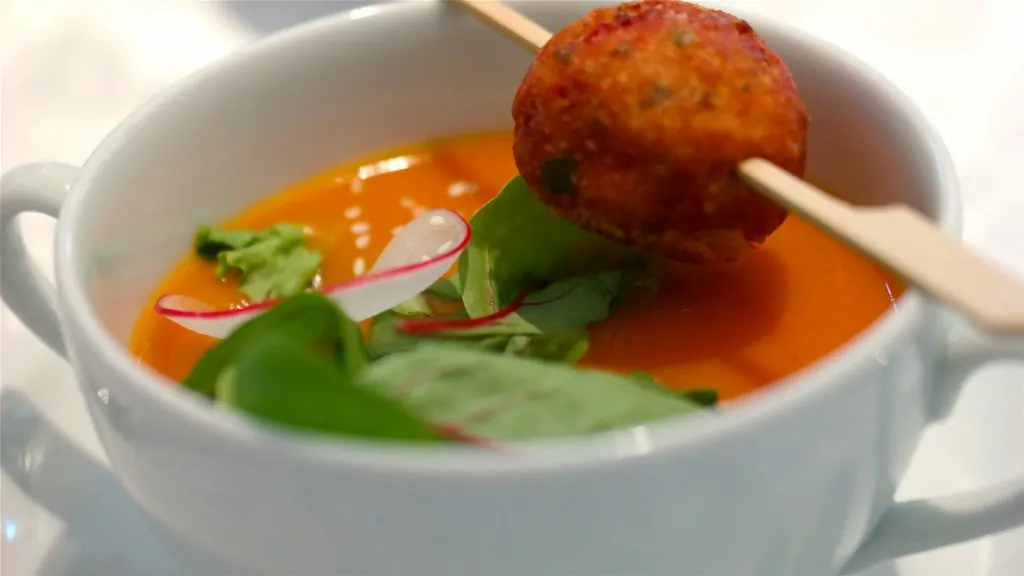
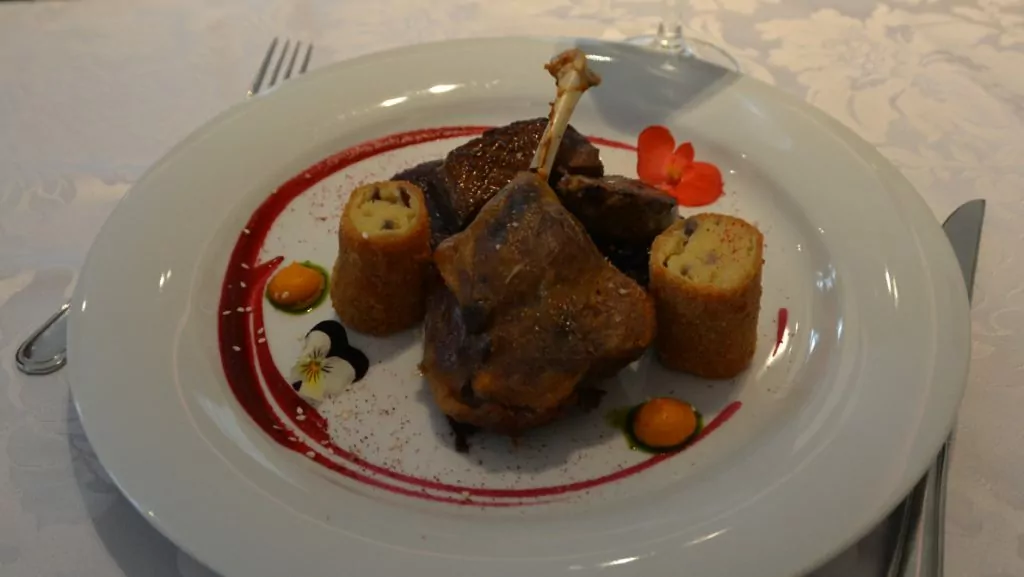
When we visited Zsolnay, we had time to look at the porcelain and eat a fantastic four-course dinner. One of our party named the dessert the best she had ever eaten. That can still be considered a pretty good rating.
7. Look for Zsolnay ceramics
After visiting the Zsolnay Cultural Quarter, you will easily start to notice ceramics in more places in Pécs.
The Zsolnay factory was founded in the 19th century and became internationally known for its art ceramics and special glazes. The ceramics were also used as decoration on buildings, not only in Pécs but in many other places in the then Austria-Hungary.
If you want to delve further, there is also the Zsolnay Museum in central Pécs. But even without a museum visit, you can keep your eyes open for Zsolnay details as you move through the city.
8. Go down to a champagne cellar
Pécs doesn't just have history underground. It also has old wine cellars. We visited the Littke Pezsgőház, whose history dates back to 1859. Beneath the building is an extensive multi-level cellar system, where sparkling wine has been stored.

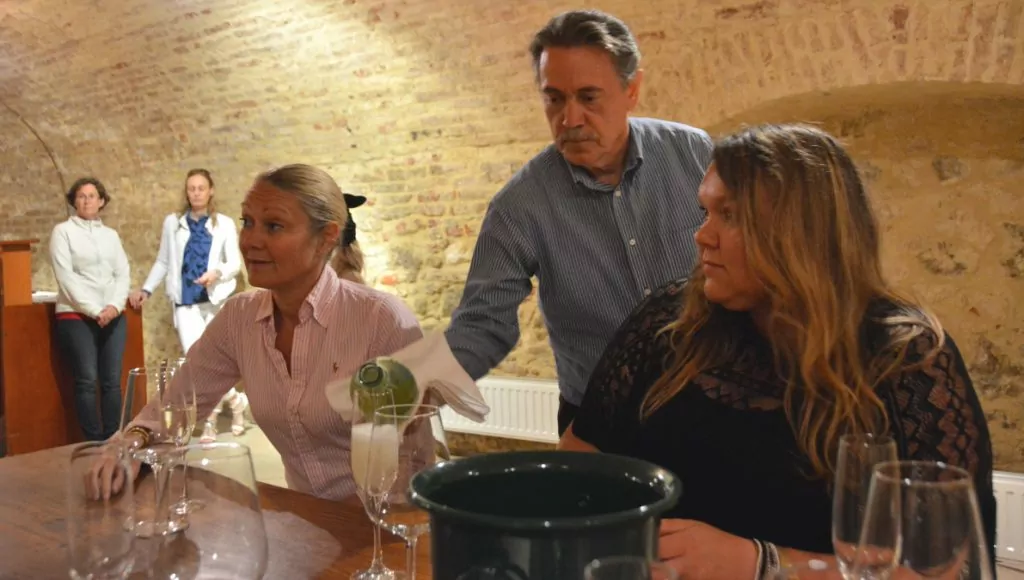
In Hungarian, sparkling wine is called champagne. Champagne, on the other hand, is a protected designation for sparkling wine from Champagne in France. Of course we were going to try some pezsgő when we were here. It went like this… The pezsgő was gone.
Instead, we got to try another sparkling wine and a white chardonnay, so no major disaster befell us after all. We generally remember the Hungarian white wines as very pleasant.
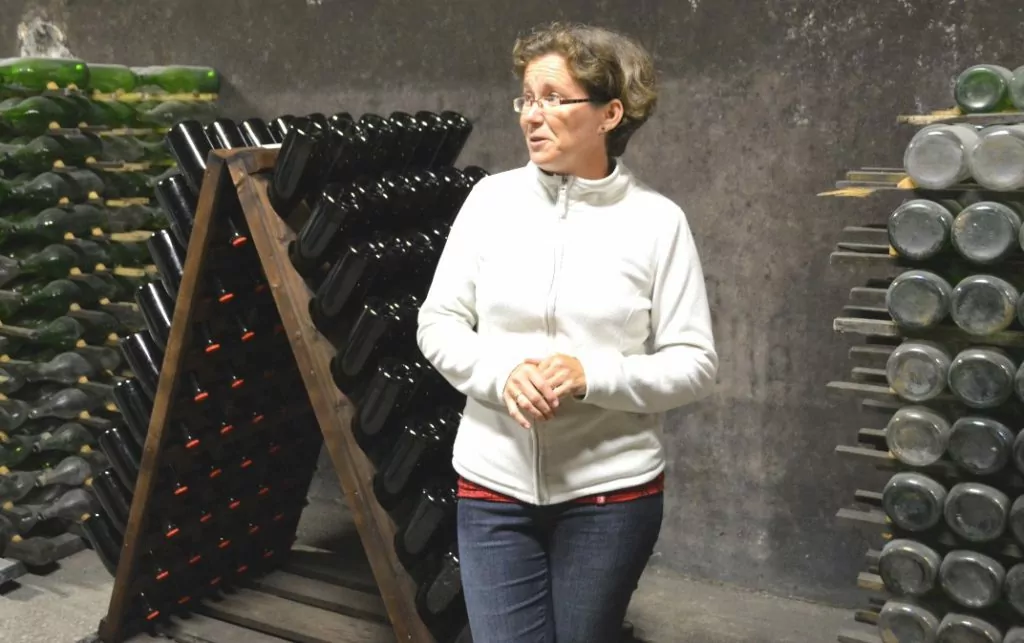
Littke's historic cellars still exist and are used for visits and events, among other things. Check current visit opportunities in advance if you want to go down into the cellar system.
9. Try the food and drinks in Pécs
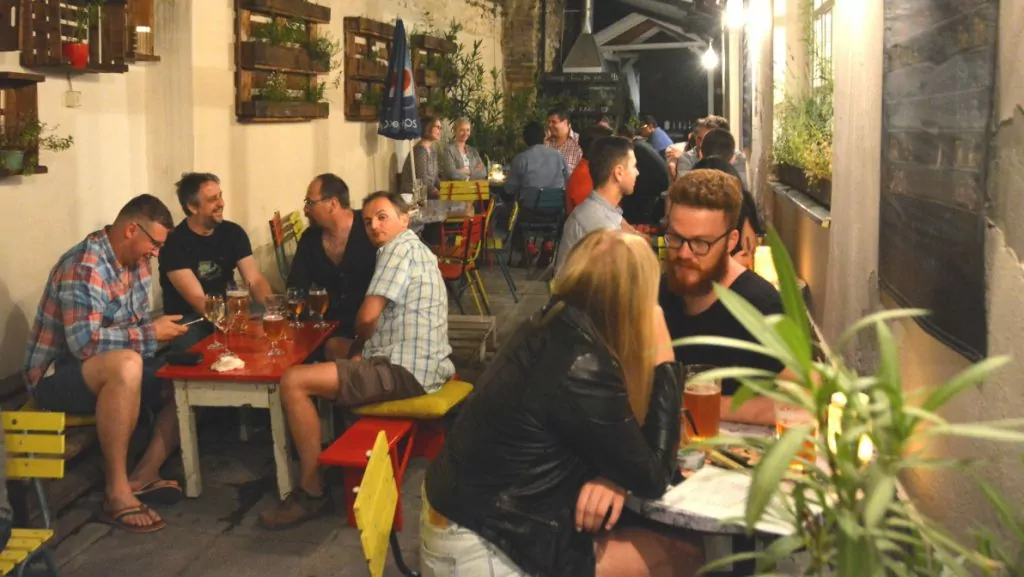
Our trip to Pécs included a lot of food and drink. In addition to wine tasting and a nice dinner at Zsolnay, we had time for beers from microbreweries and a hearty dose of Balkan food.
During one of our restaurant visits, cevapcici, pljeskavica, sausages, bread and ajvar landed on the table along with various types of beer. It was hardly a dinner you would leave hungry.
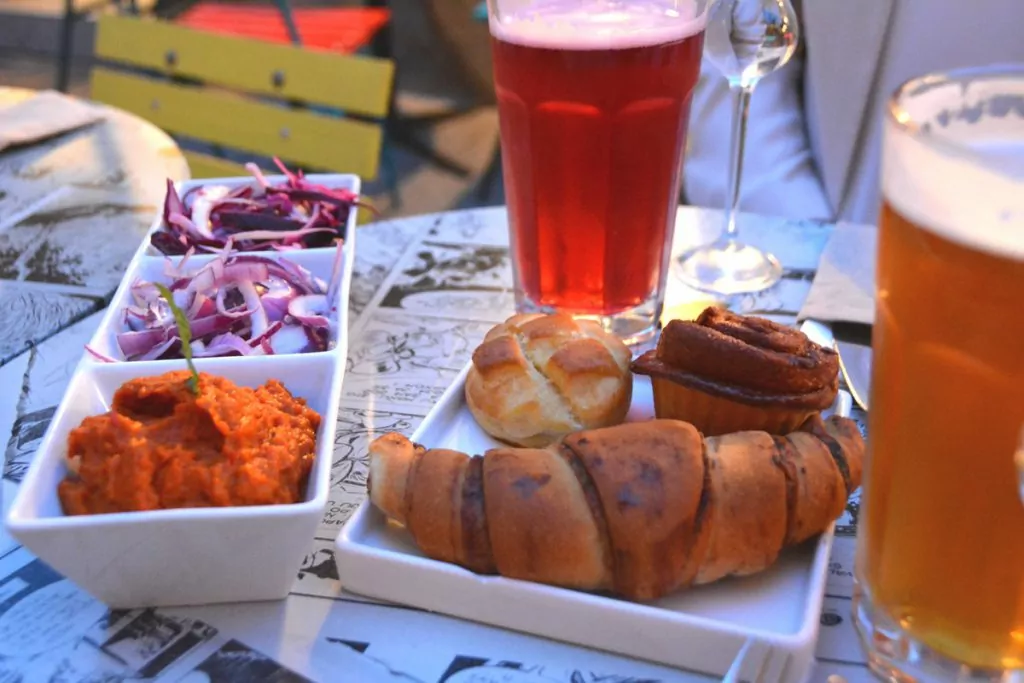
The restaurant scene changes over time, of course, so our old restaurant visits should be seen primarily as part of the story of our trip. But Pécs' location in southern Hungary and proximity to the Villány wine region still make food and drink an enjoyable part of a visit.
10. See Pécs from above
We saw Pécs from above at the cathedral, but those who want to go even higher can head up towards the Mecsek Mountains north of the city center.
Here is the Pécs TV Tower, which rises on Misina and offers views of the city and the surrounding landscape. It is a good extra tip for those who have more than one day in Pécs and want to combine the urban environment with slightly greener surroundings.
We didn't have time to do this during our trip. Next time we would have loved to go up here, not least to see all of Pécs and the landscape around the city from above.
More to see and do in Pecs
If you have more time, there are additional attractions and excursion destinations in and around the city.
- Vasarely Museum: Victor Vasarely was born in Pécs and became one of the most famous exponents of op art. The museum displays works by the artist.
- Bishop's Palace: The historic palace is located next to the cathedral and belongs to the religious and historical area around Szent István tér.
- Barbican: A preserved part of the city's medieval fortifications and another place for those who like history.
- Tettye: A greener area north of the city center with ruins, walking opportunities and views.
- Villany: South of Pécs lies one of Hungary's most famous wine regions. We visited Villány during the same trip and of course sampled some of the local wine.


Is Pecs worth a visit?
We definitely think so. Perhaps because we had barely heard of Pécs before the trip, we were especially pleasantly surprised.
This is not a city where a single world-famous attraction takes all the attention. Instead, it is the combination that makes Pécs interesting: Roman tombs underground, Ottoman traces, large churches, Zsolnay ceramics, food, wine and a city center that is pleasant to just walk around.
And of course we like destinations that can still surprise a little. Pécs did that.

Facts about Pecs
- Country: Hungary
- Region: Baranya, southern Hungary
- Historical name: Sopianae
- Known for: Early Christian World Heritage, Zsolnay ceramics, culture and Ottoman history
- European Capital of Culture: 2010
- Suitable for: Culture, history, food and wine, weekend and as a stop on a tour of Hungary
Travelling by motorhome to Pécs?
We travelled without a motorhome this time and have not had time to test any campsites or pitches, but there is a campsite in Harkány (Termal Kemping), which has been scouted out. The campsite looked relatively ordinary and nice, in a green and leafy area.

More to see and do in Hungary
Pécs is a great place to combine with other experiences in southern Hungary. Not far from here is the Villány wine region, where we have also traveled around and tasted Hungarian wines.
Further north, of course, Budapest awaits with its attractions, thermal baths, restaurants and cafes. We have traveled to Hungary several times and have collected our reports and guides from the country for those who want to discover more.

You might also like:
 Things to do in Würzburg - 12 sights and experiences
 Things to do in Kristinestad – 13 tips for a Finnish wooden house idyll
 Things to do in Innsbruck, Austria - 25 tips
 Things to do in Dijon - 16 tips for the mustard city in Burgundy
 What to do in Bonifacio, Corsica - our top 15 tips
 Things to do in Valencia - 15 tips and attractions for your trip



 English (UK)
 Svenska
Eva - People in the Street says:
Fun to try segway, I have never tried it. Can imagine that it is a bit wobbly in the beginning ...
How nice it seems to be in Pécs 🙂 .
07 June 2016 - 8:29
Sanna Rosell says:
Never heard of Pécs but it certainly looks like a romantic city with the church/mosque and the cosy squares... Hungary's answer to Italy's Verona perhaps?
07 June 2016 - 8:46
Sanna Rosell says:
Never heard of Pécs but it certainly looks like a romantic city, with the church/mosque and the cosy squares! Hungary's answer to Italy's Verona perhaps?
07 June 2016 - 8:47
Ama de casa says:
Nowadays there are those "segways without a stick". Try one next time! Haha! No dammit, don't. They really look completely dangerous. I'm deeply impressed that you managed a regular segway - I would definitely stand on my ears and knock out my teeth 🙂.
07 June 2016 - 9:14
admin says:
Eva, Pécs was very nice! I thought the segway was difficult in the beginning, but it didn't take very long to learn really... Then it was fun! 🙂
Sanna Rosell, haha yes maybe so! 😉 It was a cosy city in any case!
Ama de casa, yes I have seen those without the "stick"... but I have to say that the "stick" felt safe and good to me 😉.
07 June 2016 - 9:53
Seija Viitamäki-Carlsson says:
We were in Pecs in 2010. Camping Pecs was about 2 miles outside the city. Bathhouse and pine forest, but poor (none) with buses to the city of Pecs, where we incidentally got a parking ticket on the motorhome..in Harkany, many campsites and hot springs, where you bathe in red water lily lakes. Good cycle paths and beautiful! Highly recommended
07 June 2016 - 10:23
Ditte says:
How nice to visit a place you hardly knew existed and then be so positively surprised. You had a lot of time so I understand that you now have to digest everything you have seen and all the experiences because there is hardly enough time in such a short, fun, intense and eventful trip.
Fun to see more of Hungary through you than just Budapest where I spent five days long ago.
I have tried the Segway on the quay at home in Stockholm and it was fun. Would love to take a longer trip with it in Stockholm.
Looking forward to the next post.
07 June 2016 - 11:11
Emma, Sol som sol? says:
You can rent and ride around the various marinas here. I've seen the police in Puerto Banus whizzing around on them, which is convenient.
And it looks very tempting!
The ones without a stick also look fun, but apparently many people don't like them and if you look at the second-hand market, many people sell them. We stick to our kicks instead, our patinetes.
07 June 2016 - 11:35
Hamaca Reiseblogg says:
So good you enjoyed yourself in Pecs! And so cool that you got to try segway. It makes the city sightseeing a little different! I visited Pecs two years ago and thought it was a very cosy and easy to navigate city to be in 😉.
07 June 2016 - 12:56
Steve says:
Imagine how many "unknown" places there are that have a lot to offer.
Segway didn't exist in "my time", but it certainly looks slick
07 June 2016 - 13:13
admin says:
Seija, how nice that you were in Pecs! And super interesting and good to hear how it worked with the campsites!
Ditte, the blog is good for digesting the impressions! Even if the trip was intense, you can take time afterwards to write and look at pictures and it becomes a way to digest everything! 🙂
Emma sun like sun, interesting that people fall from them without a "stick". It felt good to have a stick I must say...! 😉
Hamaca, great that you have been to Pecs! There are not so many who have been there, I think ...
Steve, there are probably many more or less unknown places, and I think they are interesting to discover! 😉
07 June 2016 - 15:35
Kors och Tvärs says:
Never heard of it but it seems nice. Great to discover something off the beaten track.
07 June 2016 - 15:50
Matts Torebring says:
When we arrived in Hungary by motorhome, we thought it was the first smart country. Give the reg. no. of the car at the border and how long we would stay. Then a camera read the licence plate. We were there only three or four days and bathed in Lake Balaton. It was also an experience in the warm, sulphur-rich water, which penetrated the skin and coloured us yellow. You have really shown us all that there is so much more. Enjoy!
07 June 2016 - 18:42
admin says:
We think it's fun to discover some new places! And when you have a guide, you get help to find good experiences, often at least.
Matts, nice that you have been in Hungary with the motorhome and interesting to hear about it! It does not seem to be very many people who go there with a motorhome? I bathed in Balaton when I took a train ride as a young man, but now we are starting to get a little hungry for motorhomes in Hungary 🙂.
07 June 2016 - 18:50
Ulrika says:
I got a historical tour of Prague on Segway as a birthday present from my other half a few years ago and it was great fun. Especially on the slopes up to the government building as we whizzed past all the panting tourists :)!
07 June 2016 - 20:14
Rania {Rowan Tree} says:
Answer: Oh how wonderful it sounds! Have you blogged a lot about it? Must dig in your archive! We will make much shorter trips now but really want to be out for a long time too 😀 Was yours fully furnished with bed etc. or did you fix it yourself? Aaah now I want to hear all about this! (the comment came out but it was lucky that you told me because it ended up under rubbish).
07 June 2016 - 20:44
BP says:
Can only say that - had never heard of Pécs. Oh I think I am not alone in this ignorance. But once again you have put the place on the map. Great there and great advertising for the city and Hungary!
I like the fact that the mosque has been converted into a Catholic church. This "measure" is perhaps a first step towards improving relations between different religions.
07 June 2016 - 21:28
Rania {Rowan Tree} says:
Answer: Of course I answer 😀 Oh, thank you for the summary post! Sooo exciting and fun that you have guests on the blog, and on Saturday I really have to look in and look - iih!
07 June 2016 - 22:31
Comsi Comsa says:
I just have to try the Segway because it looks like so much fun. Is it about balance?
Interesting place that Pécs that apparently more people than me don't know about.
heard about. 🙂
Hugs ♥
07 June 2016 - 22:44
admin says:
Ulrika, oh perfect with segway in the uphills!!!! 😉
BP, it's fun to visit places you've never heard of! I think more and more that there are many nice places that you completely miss because you always go to those places that are known.... 😉
Rania, how nice that you replied! I have replied to your comment on your blog 😉.
Comsi Comsa, right at the beginning you have to learn how much you have to move for the segway to move forward/stop. You have to practise a few turns, but once you get the hang of it, it's not difficult.
07 June 2016 - 23:07
Elisabeth says:
Segway is not for me, but on the other hand, Hungary can probably be an alternative for motorhomes in the future. But oh how much we want to do and see. In addition, it is so beautiful in Sweden at this time of year!
08 June 2016 - 22:18
Ida - Att resa med barn says:
Yes, but exactly! Travelling without expectations is awesome. Or - if nothing else - travelling with the RIGHT expectations.
Fun (and smart of them!!) to show other sides of Hungary than just Budapest, because they really feel completely undiscovered as a travel destination, from what I know.
08 June 2016 - 23:17
admin says:
Elisabeth, we have also been tempted to travel around Hungary by motorhome! I don't even understand why we haven't done it before... 😉 But there is always a lot you want to see and experience!
Ida, it was really interesting to see more of Hungary than Budapest! But Budapest is also a nice city 🙂
09 June 2016 - 7:27
Fantasiresor says:
Oh I would very much like to travel around more in the countryside in Hungary as well. Pecs seems like a nice little town! Fun also that you also drove around on Segways! We got to do it in Warsaw and it was my first segway experience. Well, if I'm honest... 😉.
10 June 2016 - 11:22
Marias Memoarer says:
Feels a bit unique with a church that used to be a mosque ðŸ™'
15 June 2016 - 21:06