


Writer: Helena Bergström
Updated: September 2026 | Budapest is a city we love to return to. We've been here several times, both on our own and on a press trip focusing on food and wine – a slightly crazy trip with fantastic meals, plenty of Hungarian wine and a lovely group of people.
 Tweet
Tweet Share
Share Share
Share Pin
Pin Share
Share Share
ShareTable of contents
Budapest in Hungary
For us, Budapest is a lot of food and wine, from rustic goulash and körözött to elegant restaurants, foie gras and sweet Tokaj wine. But the city is also thermal baths, ruin bars and grand architecture along the Danube. And then of course there is the Fisherman's Bastion, which with its unusual towers and great views over the city is one of Helena's absolute favorites.
In this guide, we have collected 22 things to see and do in Budapest, based on our own trips to the Hungarian capital.
Quick Guide: Budapest
- Our favorite: Fisherman's Bastion – for the architecture and the view over the city.
- Don't miss out: A visit to one of Budapest's classic thermal baths.
- For the food lover: Discover Hungarian cuisine, from goulash, körözött and paprika-spiced dishes to foie gras, pastries and Tokaj wine.
- A typical Budapest experience: Have a drink at a ruin bar, preferably the classic Szimpla Kert.
- Best way to discover the city: Take a walk! Along the Danube and between bridges, churches and grand buildings, there is much to discover even between the major sights.
1. Visit the Fisherman's Bastion
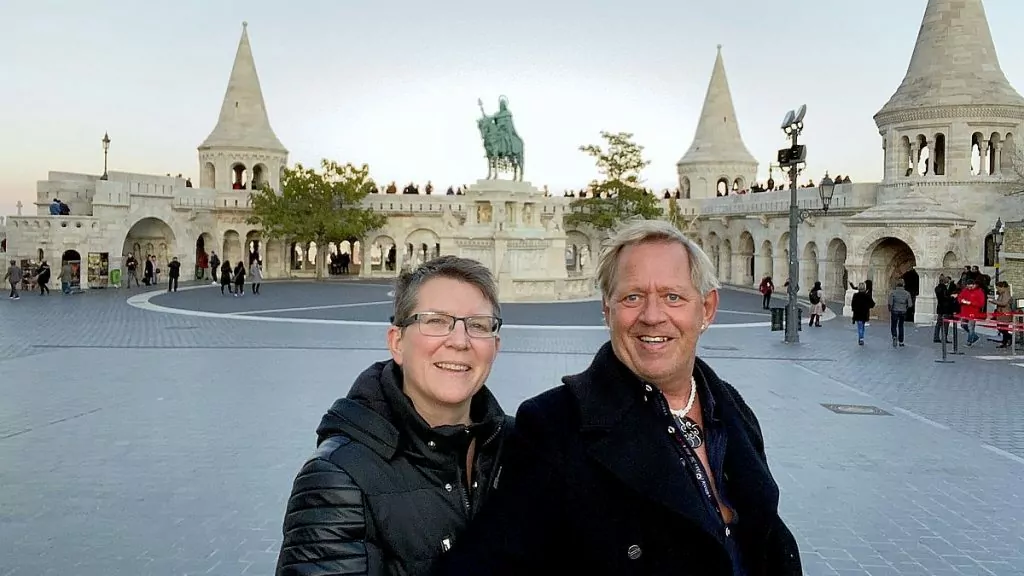
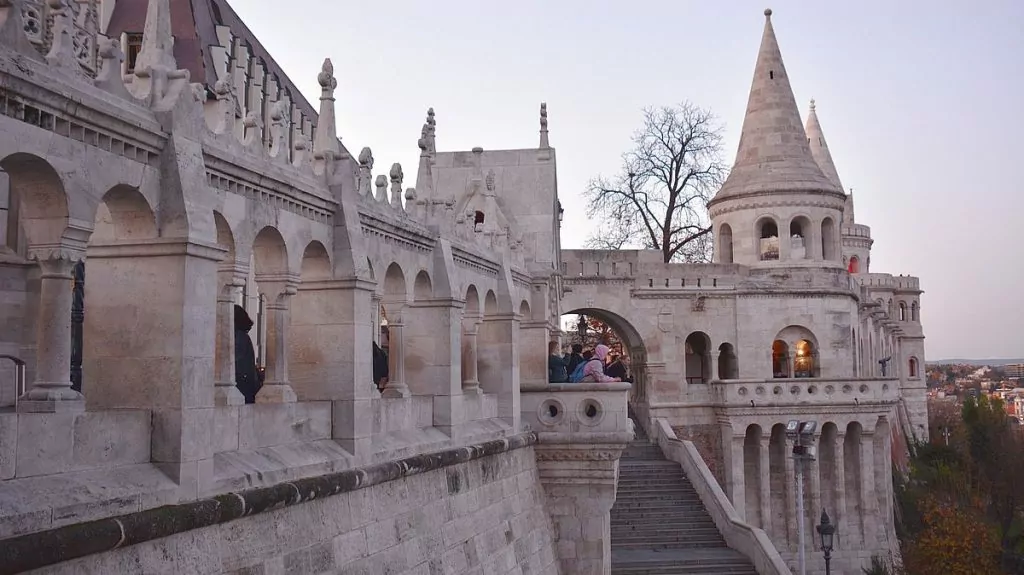
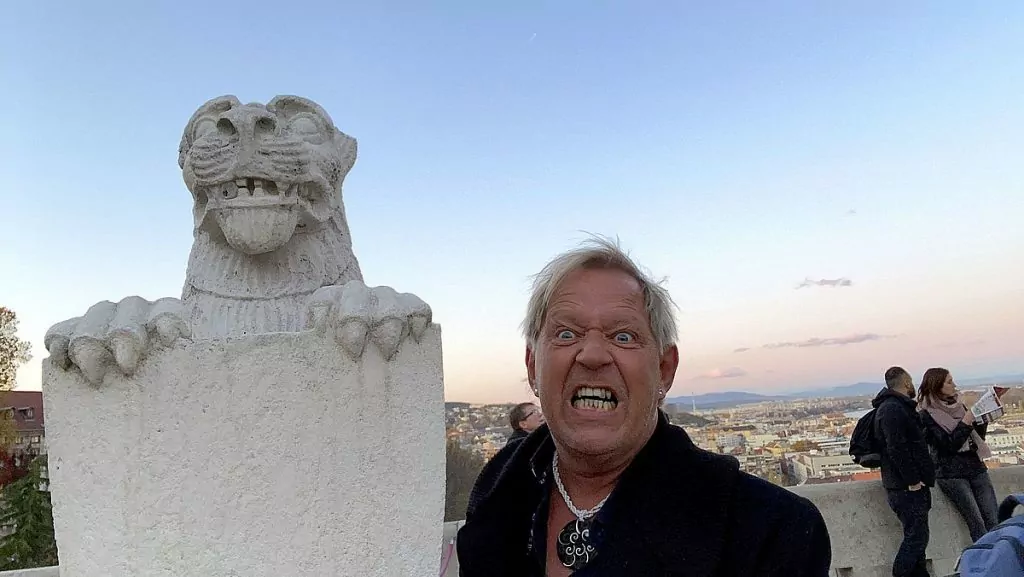
Fisherman's Bastion is one of our absolute favorite places in Budapest. It's located high on the Buda side and offers fantastic views of the Danube, the Parliament and Pest. But we also like the building itself, with its unusual towers, staircases and arches.
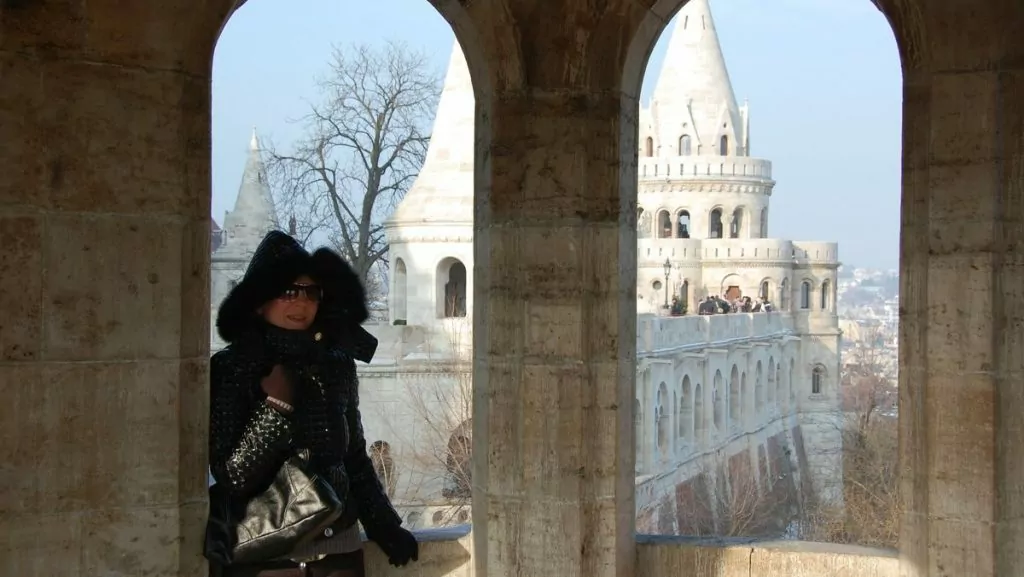
Despite its name and medieval appearance, the Fisherman's Bastion is not an old defensive structure. It was built around the turn of the last century in the neo-Romanesque style according to the designs of the architect Frigyes Schulek and was created primarily as a viewing point and a promenade. The seven towers symbolize the seven Hungarian tribes that founded Hungary.
2. Admire Matthias Church
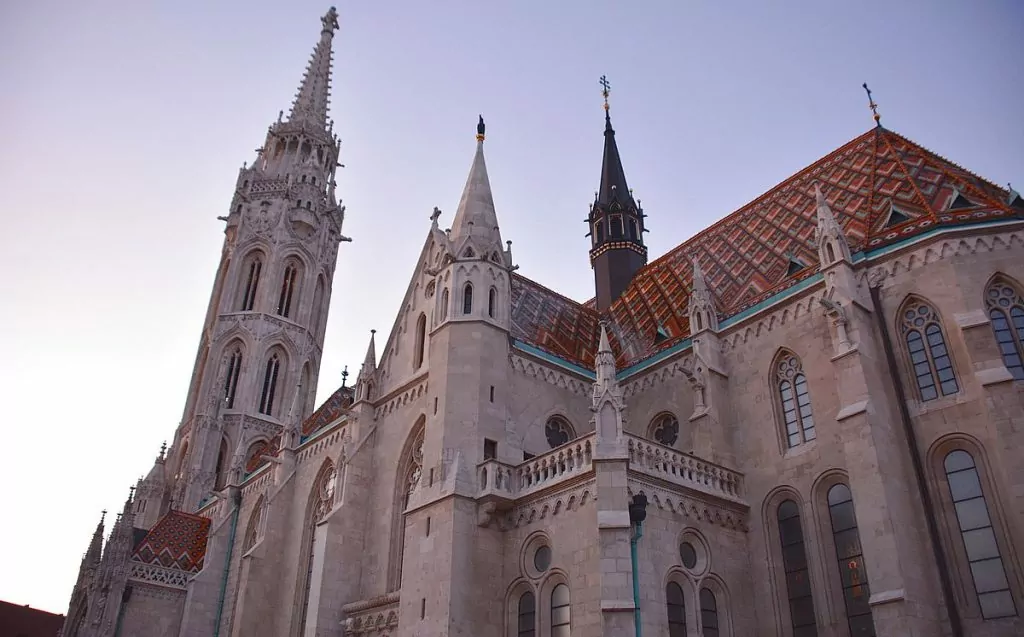
Right next to the Fisherman's Bastion is Matthias Church, with medieval roots and a colorful roof that makes the building easily recognizable. The church has changed many times over the centuries and gained much of its current appearance during an extensive restoration in the late 19th century.
One story that Peter was fascinated by concerns a statue of the Madonna that, according to legend, was walled in when Buda was captured by the Ottomans and the church was converted into a mosque. When Buda was besieged in 1686, the wall that hid the statue collapsed, and the Madonna suddenly became visible again. The event has gone down in history as the ”Mary’s Miracle in Buda.”.

3. Experience the Buda Castle
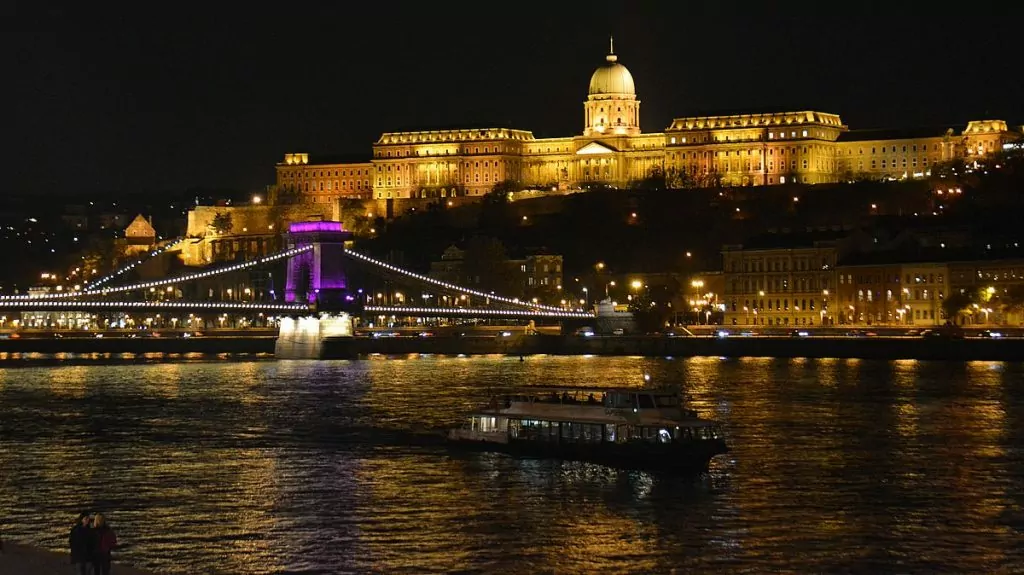
The magnificent Buda Castle, or Royal Palace, is one of the buildings that really makes its mark on Budapest. It is located high on the Buda side and is impressive to see even from the other side of the Danube, especially when the city is illuminated at night.
We have never visited the museums inside the palace itself, but we think the castle grounds are well worth experiencing anyway. Here you can stroll around courtyards and historic buildings while enjoying the view of the city. The castle complex includes the Hungarian National Gallery, the Budapest History Museum and the Széchényi National Library.

4. Take the funicular to Slottshöjden
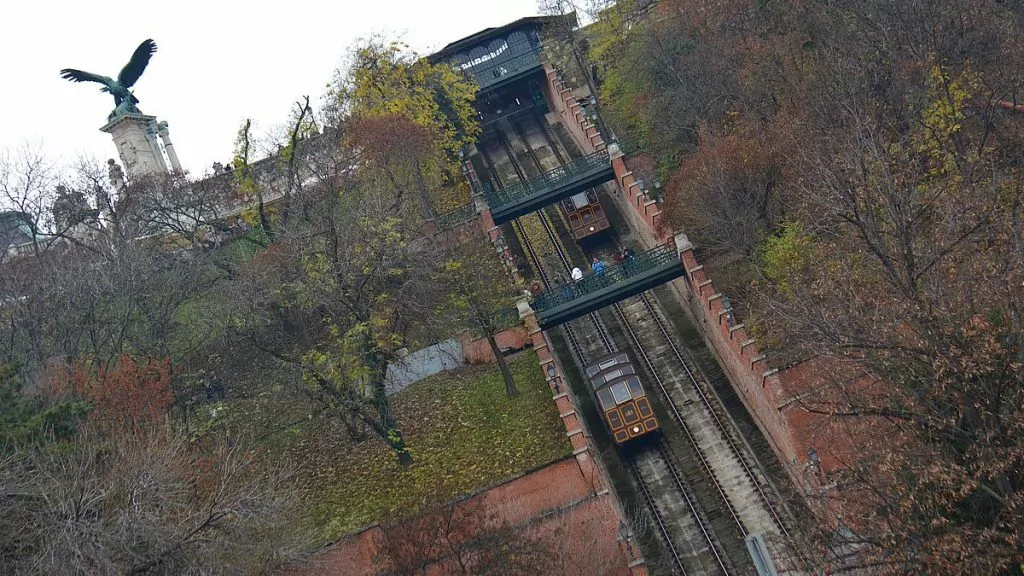
A nice way to get up to the Castle Hill is the historic funicular, Budavári Sikló, which runs from Clark Ádám tér on the Buda side of the Chain Bridge up to the castle grounds.
The ride itself is short, but is a small Budapest experience in itself. The funicular opened in 1870, was destroyed during World War II and reopened in 1986. We rode it up to the Castle Hill and remember, among other things, a nice conversation with some long-distance tourists from South America on the way up.
5. Walk across the Chain Bridge
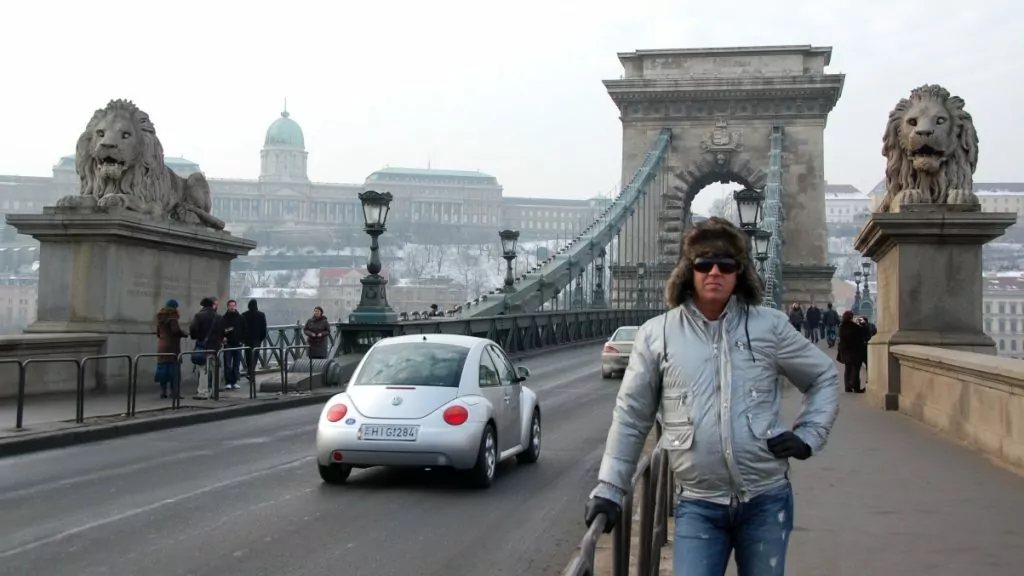
The Danube divides Budapest into Buda and Pest and is connected by several bridges. The most famous is the Chain Bridge, Széchenyi lánchíd, which opened in 1849 and is considered one of the city's true icons.
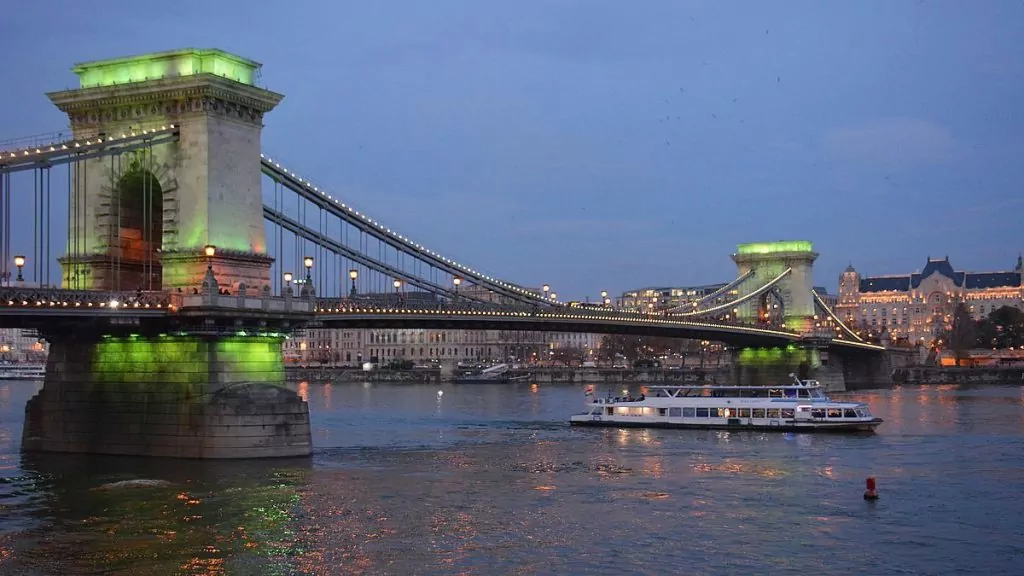
We have walked all the way across the bridge and think it is definitely worth doing. Here you get close to both the Danube and the magnificent cityscape, while moving between Pest and Buda. On the Buda side you also arrive very close to the funicular up to Castle Hill.
6. Take a guided tour of the Parliament
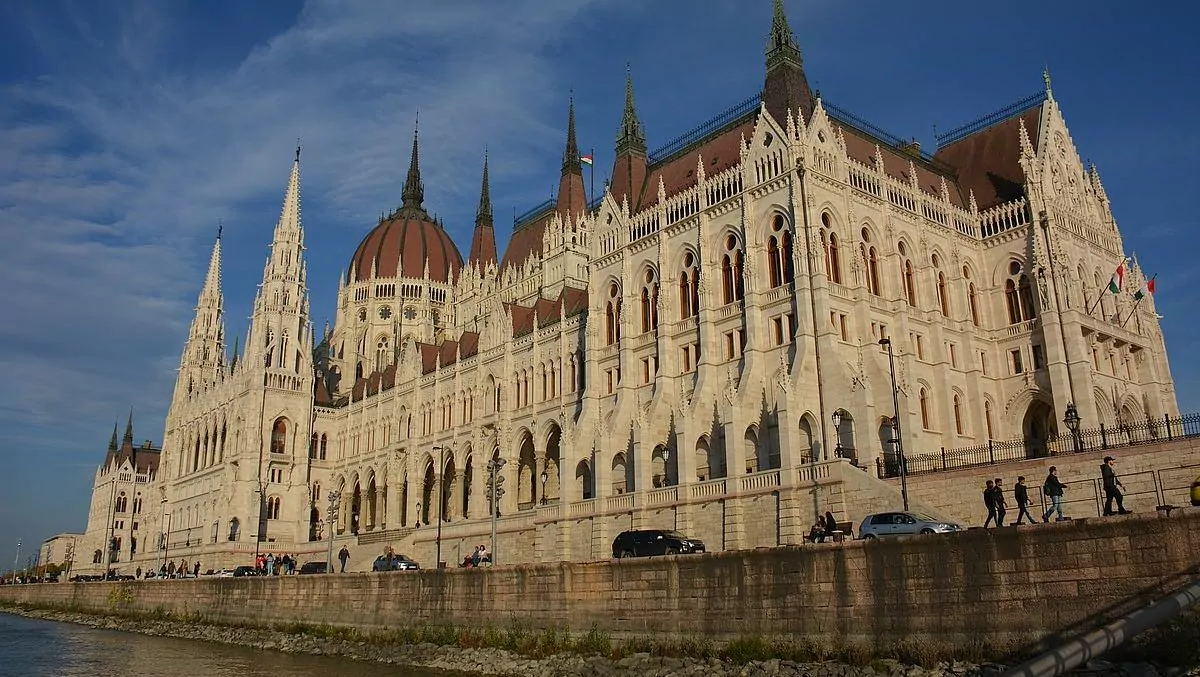
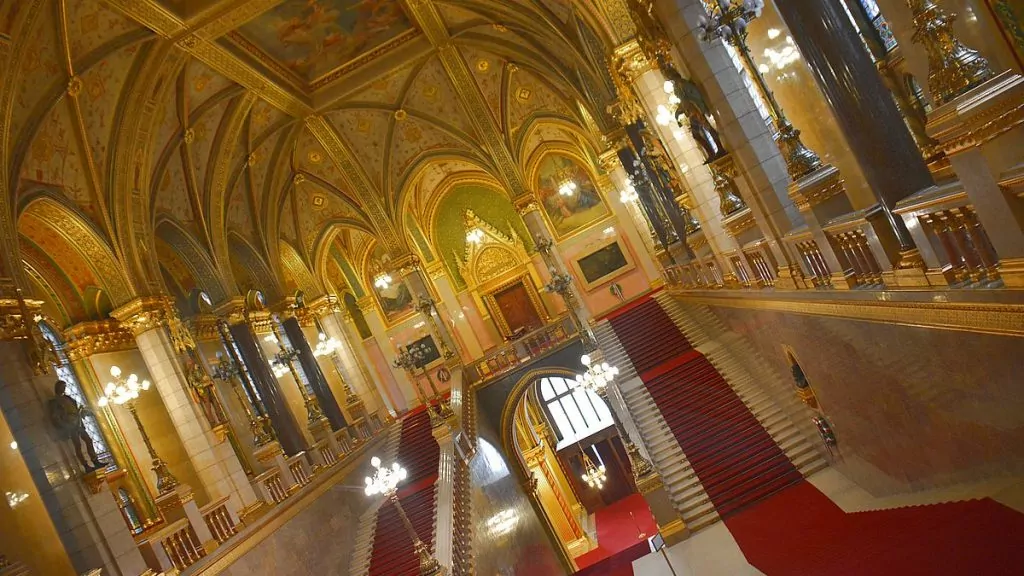
The Hungarian Parliament Building is one of Budapest's most impressive buildings and a landmark along the Danube. Built between 1885 and 1904, it is impressive from the outside, but we also recommend seeing it from the inside.
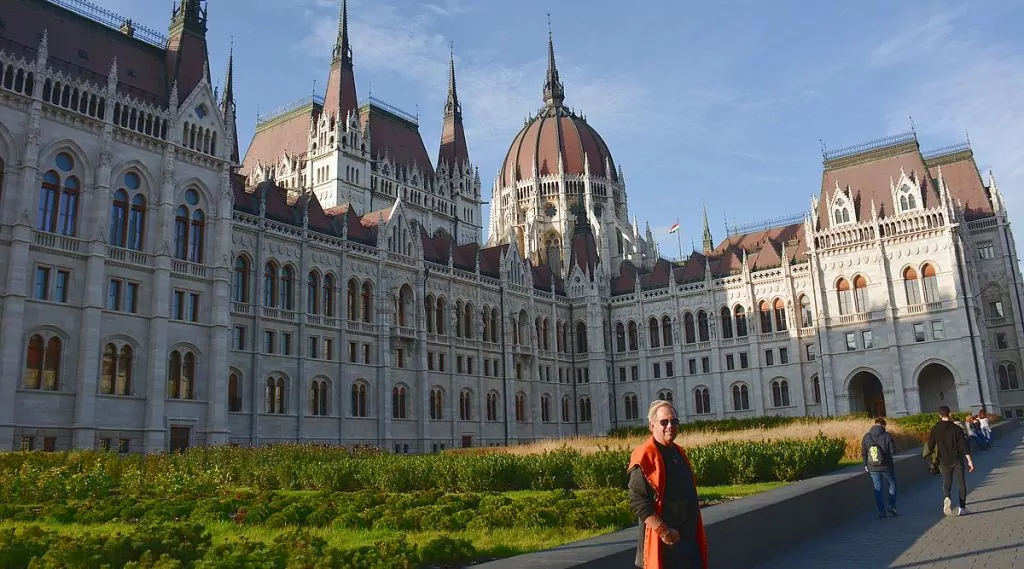
We went on a guided tour and found it really interesting. The tour takes you through several magnificent rooms and gives a completely different view of the building than the one you get from the quay outside.
Our tip: If you want to see the inside of Parliament, it is wise to book an official guided tour in advance, especially if you want to visit the building at a specific time.
7. Reflect at the Shoes Monument
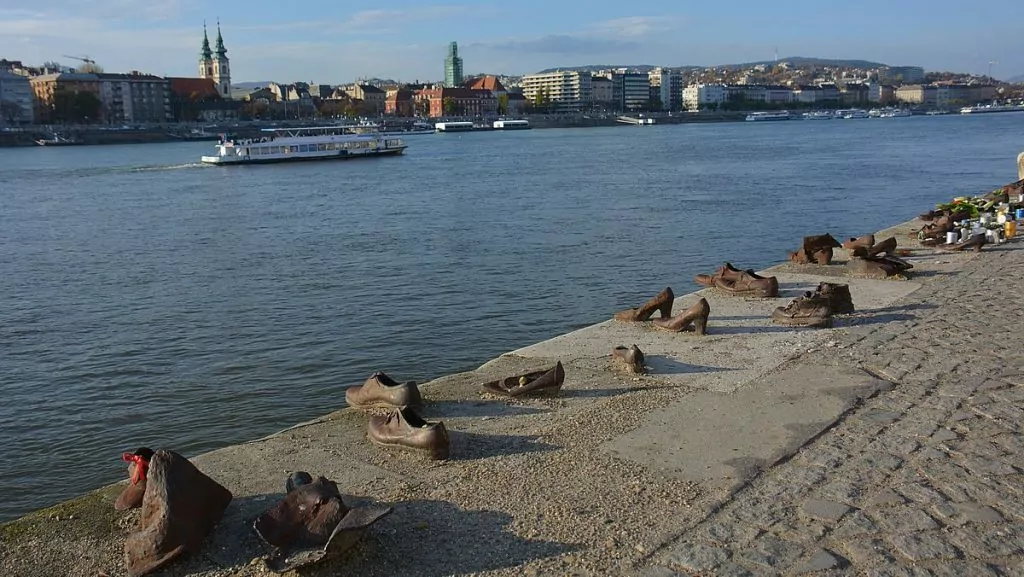
Not far from the Parliament, right on the Danube, is one of Budapest's most powerful monuments. The Shoes on the Danube Embankment are cast iron shoes that commemorate the Jews who were murdered here by members of the Hungarian Arrow Cross Party during the final stages of World War II. The victims were forced to take off their shoes before being shot on the riverbank.
We were deeply moved by the monument. The shoes make history tangible in a way that is difficult to defend against and evoke thoughts of war and the evil that people can inflict on each other. Hard to understand, but important to be reminded of.
8. Take a boat trip on the Danube
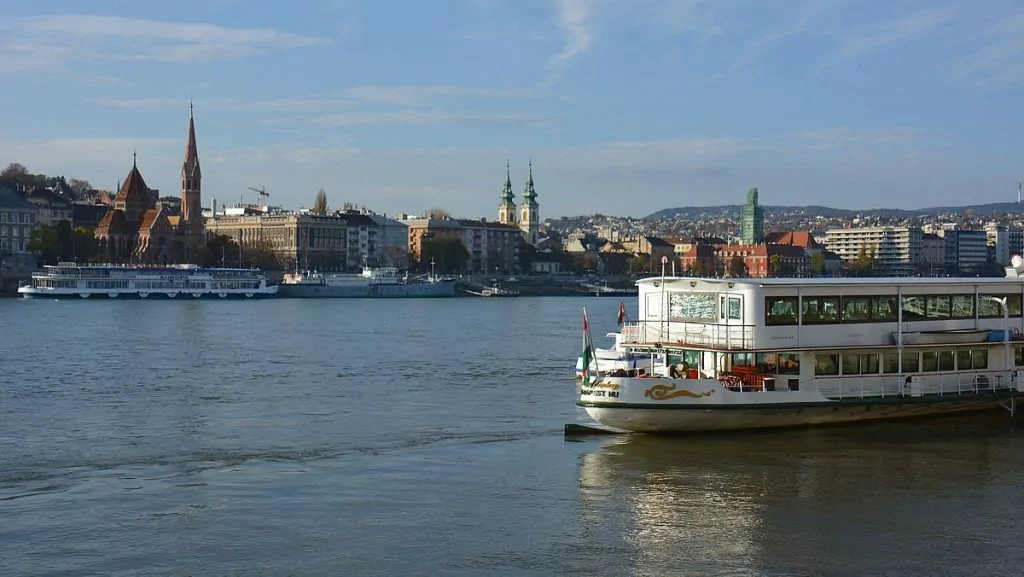
A popular way to experience Budapest from a different perspective is to take a boat trip on the Danube. From the water, you get great views of the Parliament, Buda Castle, and the bridges connecting Buda and Pest.
There are different types of sightseeing cruises, both during the day and at night when many of the city's grand buildings are illuminated.
9. Take the historic metro to Heroes' Square
Taking the metro to Heroes' Square is actually a small attraction in itself. The yellow line M1 opened in 1896 and was the first metro on the European mainland. In 2026 it will celebrate its 130th anniversary.
We remember the charming old carriages, but perhaps even more the narrow tunnels where it feels like the train can barely fit in. And the sound! Peter still remembers how loud it sounded when the train thundered through the city.
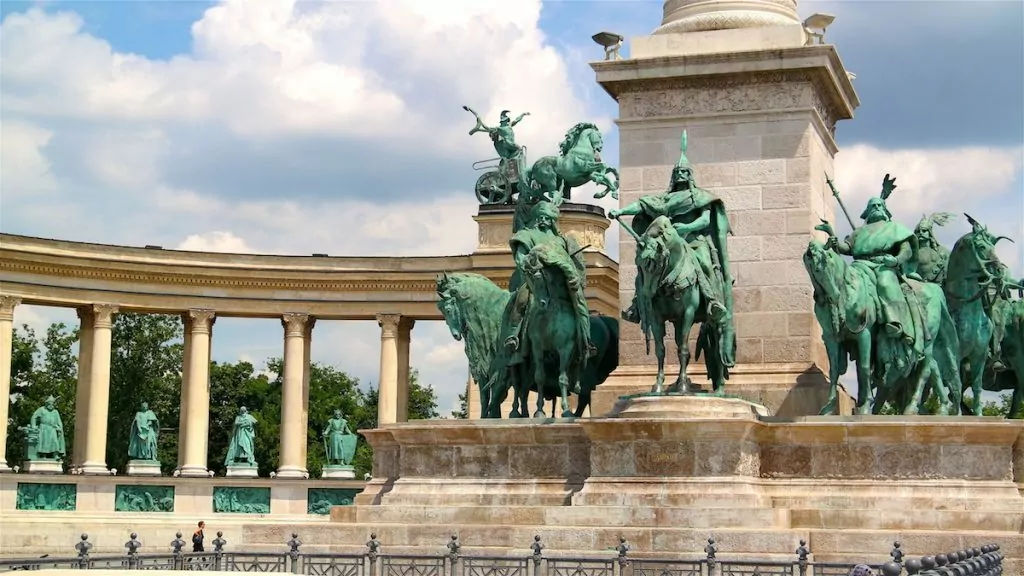
Take the M1 along Andrássy út to Heroes' Square, Hősök tere. Here stands the large Millennium Monument, with statues telling the story of people and events from Hungarian history. Behind the square, the large city park Városliget also spreads out.

10. See St. Stephen's Basilica and the view of Budapest
St. Stephen's Basilica, Szent István-bazilika, is one of Budapest's most impressive churches. Construction began in 1851 and was marred by setbacks, including the collapse of the dome during construction. The basilica was finally completed in 1905.
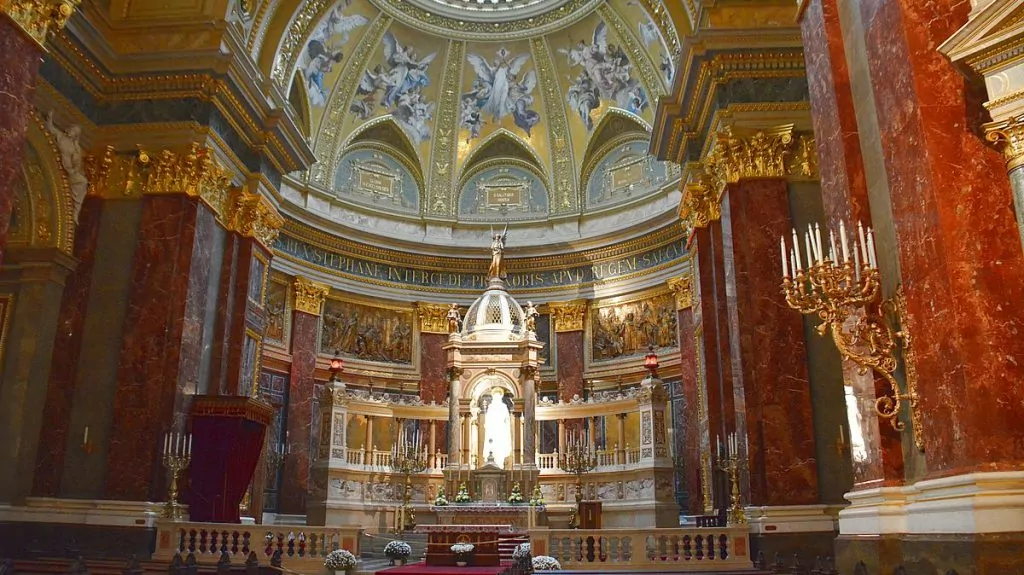
We have been inside the church and remember above all the magnificent interior and all the beautiful colors. It also houses one of Hungary's most important relics, the mummified right hand of the country's first king, Stephen I.
Don't miss the opportunity to go up to the panoramic terrace around the dome. From here you get a 360-degree view of Budapest, including the Danube, the Parliament and the Buda hills.
11. Strolling in the Jewish neighbourhoods
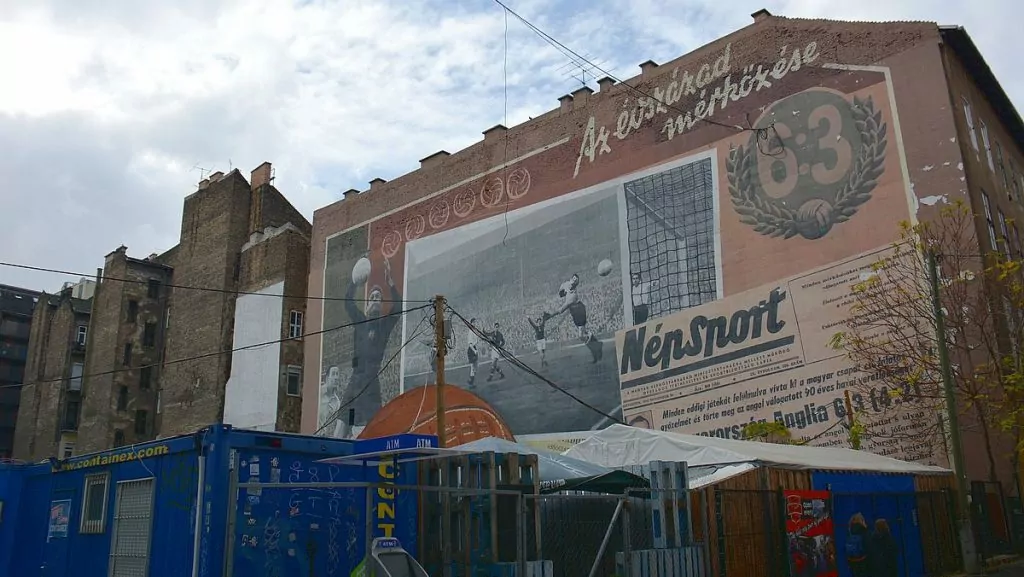
The Jewish Quarter in Budapest is an area where several layers of the city's history come together. Here you will find synagogues and memorials, but also street art, restaurants, cafes and the ruin bars that have become so typical of today's Budapest.
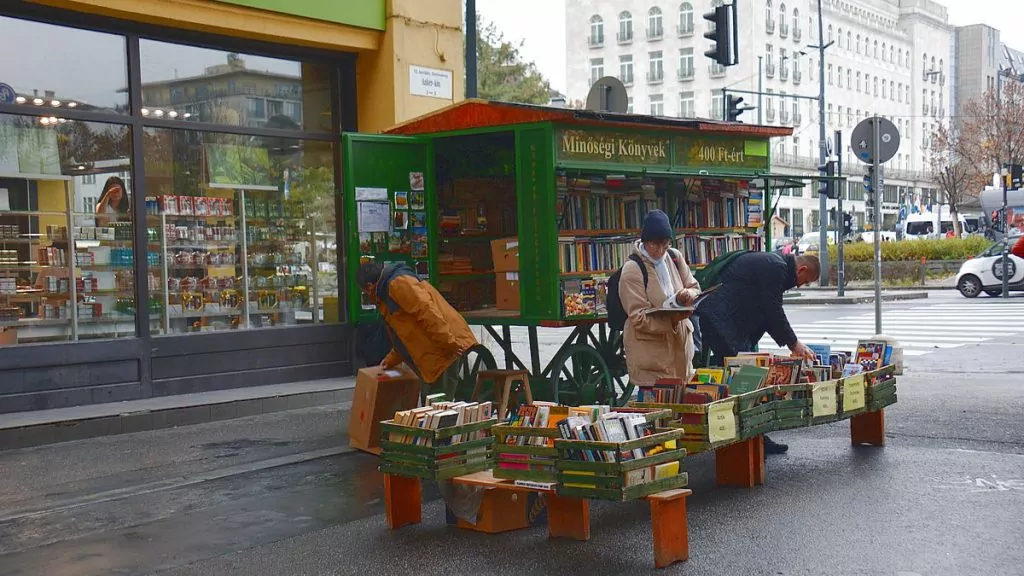
The most famous attraction is the Great Synagogue on Dohány Street, built in the 1850s and seating around 3,000 people. The complex also includes a museum, memorials and a Jewish cemetery.
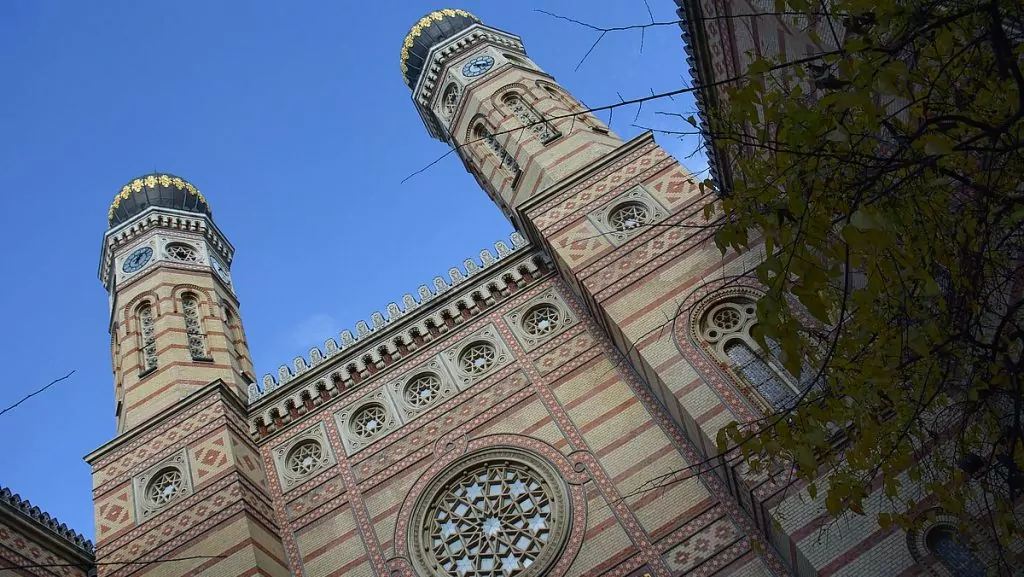
We have wandered around the neighborhood a lot during our travels. We have visited the synagogue on our own and later also explored parts of the area with a guide during a press trip. It is an interesting area to walk around, precisely because both the serious history and modern Budapest are so close to each other.
12. Bathe in Budapest's historic thermal baths
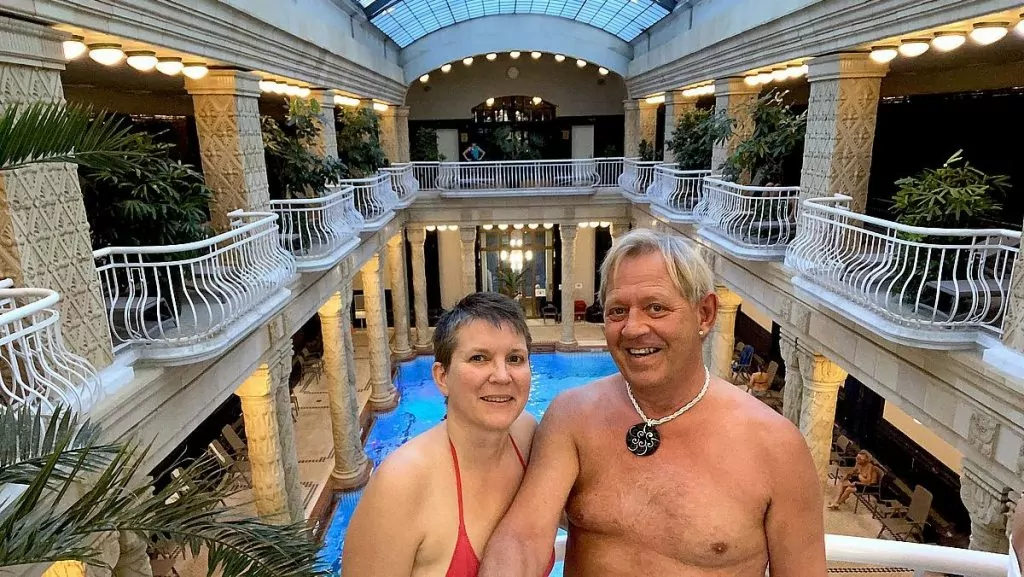
For us, bathing in thermal baths is one of the classic experiences in Budapest. The city is famous for its hot springs and there are several historic bathhouses where you can bathe both indoors and outdoors.
We have bathed in the beautiful Gellért Baths ourselves and remember above all the special environment. However, Gellért Baths is closed for extensive renovation and is planned to reopen in 2028.
Another classic option is the Széchenyi Baths, located in the city park Városliget. We haven't swam there, but we have walked past and seen the large outdoor pools. Here you can also see one of those typical Budapest images: bathing gentlemen sitting in the warm water and playing chess.
READ MORE: Thermal baths in Budapest – guide to the city's beautiful baths
13. try Hungarian food
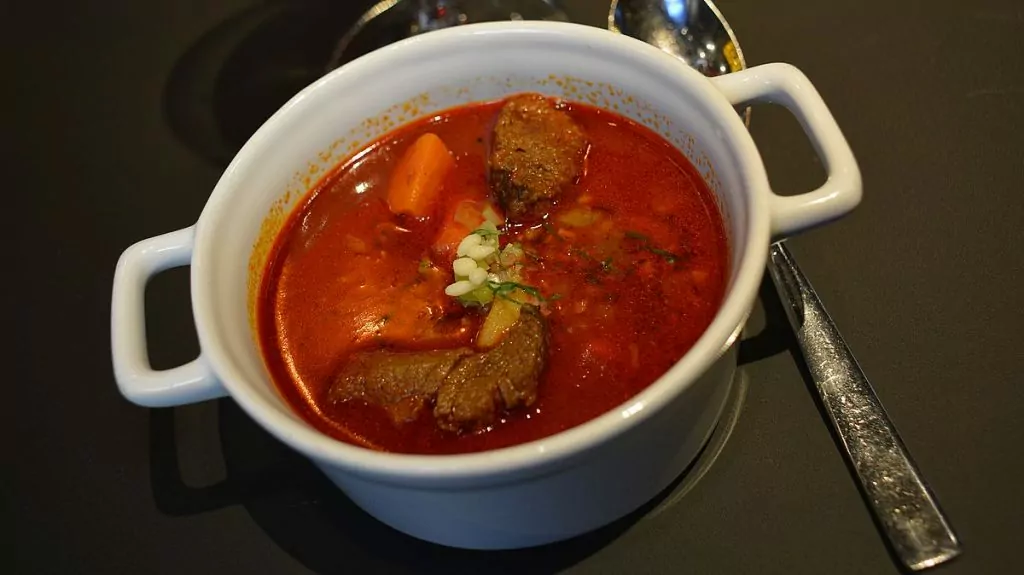
Food is a big part of Budapest for us. We enjoy both the rustic Hungarian cuisine and the more modern gastronomy, but sometimes all it takes is a really good goulash and a beer to make us happy.
Paprika is a staple in many Hungarian dishes and is a flavor we strongly associate with the country. I (Helena) have also become addicted to körözött, a spicy cream cheese that is often flavored with paprika. Other favorites are poultry and especially foie gras, which we have tried in many different variations.
And then, of course, there's the sweet side of Hungary, with pastries in classic cafés and things like chimney cake, kürtőskalács, at markets and Christmas markets.
READ MORE: Hungarian food - specialities of Hungarian cuisine
14. Tasting Hungarian wine
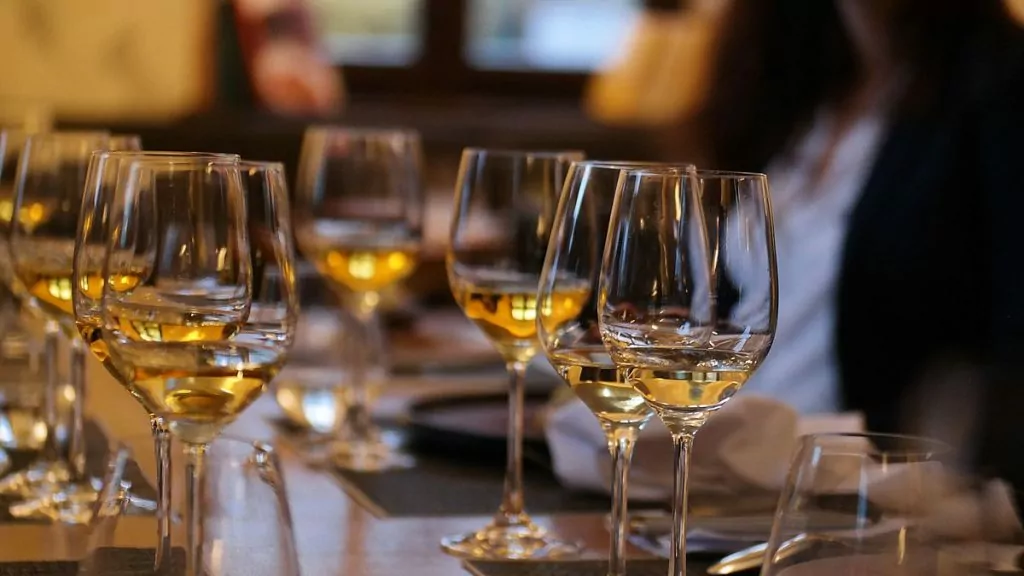
Hungary is an exciting wine country with both red and white wines. The most famous internationally is probably Tokaj, where the famous sweet Tokaji Aszú wines are produced.
For us, the combination of foie gras and sweet Tokaj wine is almost the taste of Hungary. Peter likes to try the red wines while Helena sticks to white, so together we usually have time to familiarize ourselves with a fairly large part of the range.
We also tried Hungarian sparkling wine, pezsgő. For some reason, the word itself has stuck in my memory!
15. Treat yourself to a really great restaurant experience
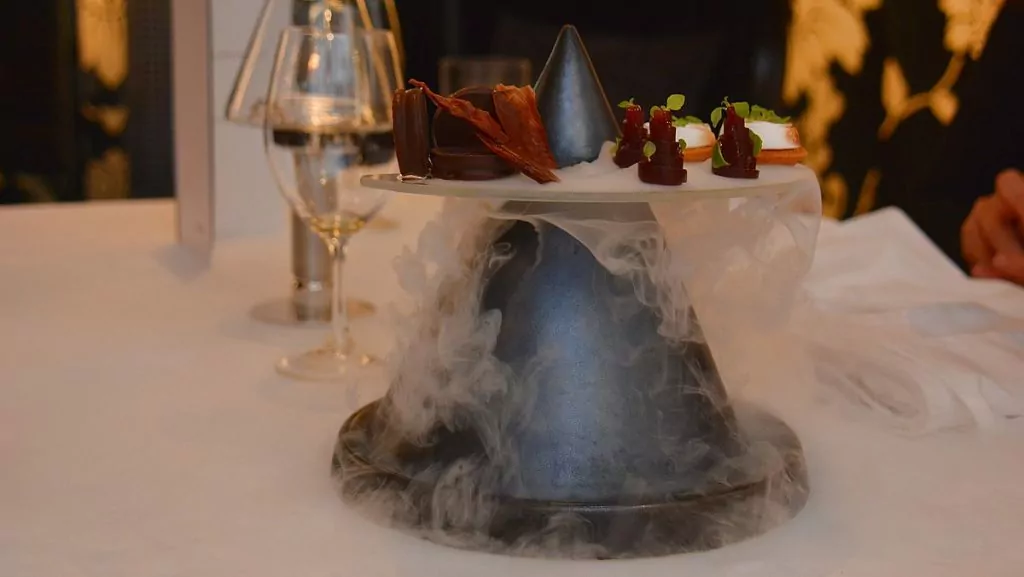
Budapest is not just about goulash, rustic taverns and large portions. It also has an exciting restaurant scene with creative gastronomy and restaurants at a truly high level.
We got to experience this during a press trip with a food and wine theme. During a few intense days, we managed to visit an almost unbelievable number of restaurants, from traditional Hungarian food to tasting menus and fine dining. We ate at Stand25, Textúra, MÁK and Onyx, among others, and managed to try everything from goulash and foie gras to black pudding, caviar and significantly more experimental creations.
It was a slightly crazy trip with fantastic food, good wines and lots of laughter around the tables. For us, those experiences are a big part of the image of Budapest.
READ MORE: Restaurants in Budapest – 6 dining experiences you'll remember
16. go to a classic café
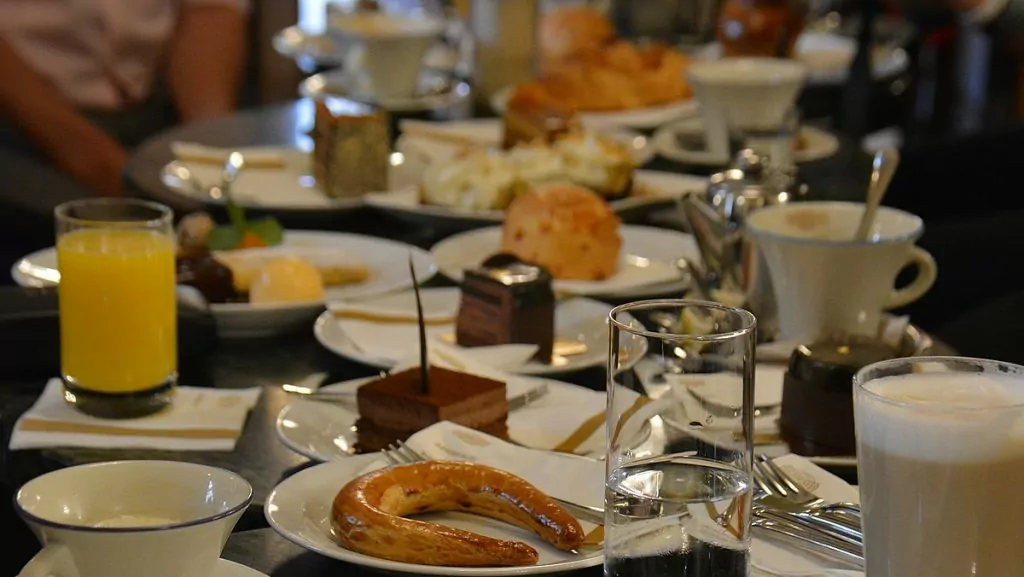
Budapest has a strong café culture and several classic cafés with grand environments and sumptuous pastries. Although we usually choose food and wine over sweets, we definitely think that a visit to a classic café is one of the experiences in the city.
We have visited the famous New York Café, where we remember the fantastic and sumptuous environment above all. During our food and wine trip, we also visited the classic Gerbeaud. There, an almost unbelievable abundance of beautiful pastries was laid out before us. You don't forget that in the first place!
READ MORE: Bars and cafes in Budapest – from classic cafes to ruin bars
17. Hang out at a ruin bar
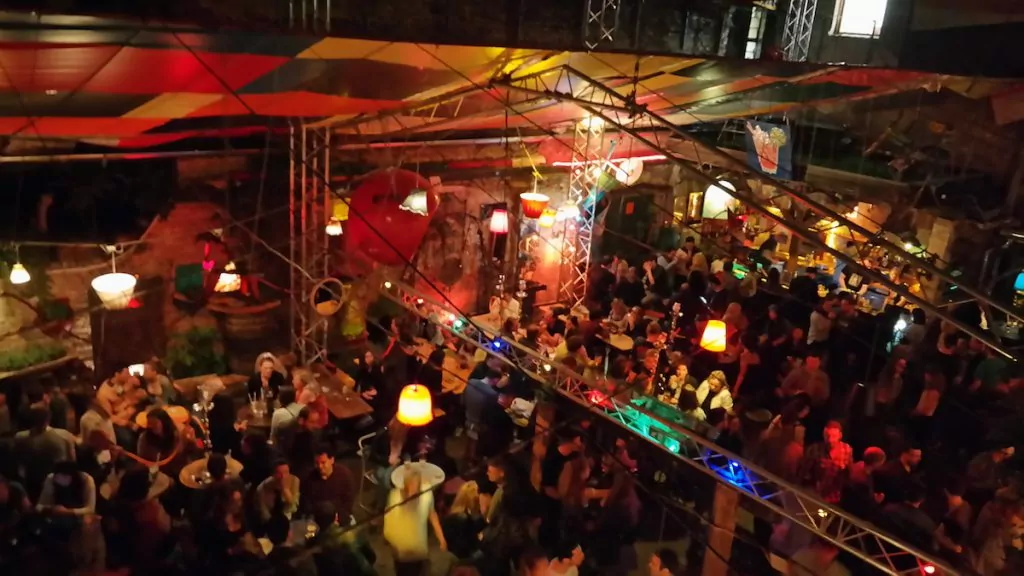
Ruin bars are a much rougher side of Budapest. The phenomenon emerged in the early 2000s when bars started opening in dilapidated and abandoned buildings, especially in the Jewish Quarter. One of the pioneers was Szimpla, which eventually became Szimpla Kert on Kazinczy utca.
We visited Szimpla Kert during a previous press trip and it was truly a different experience. It felt like a demolition site: worn, motley and far from being repaired. At the same time, it was packed and the world was celebrating.
It is precisely the contrast that makes the ruin bars so special. An environment that in many other places would hardly be associated with nightlife has become one of Budapest's most characteristic experiences.
18. Discover Budapest underground
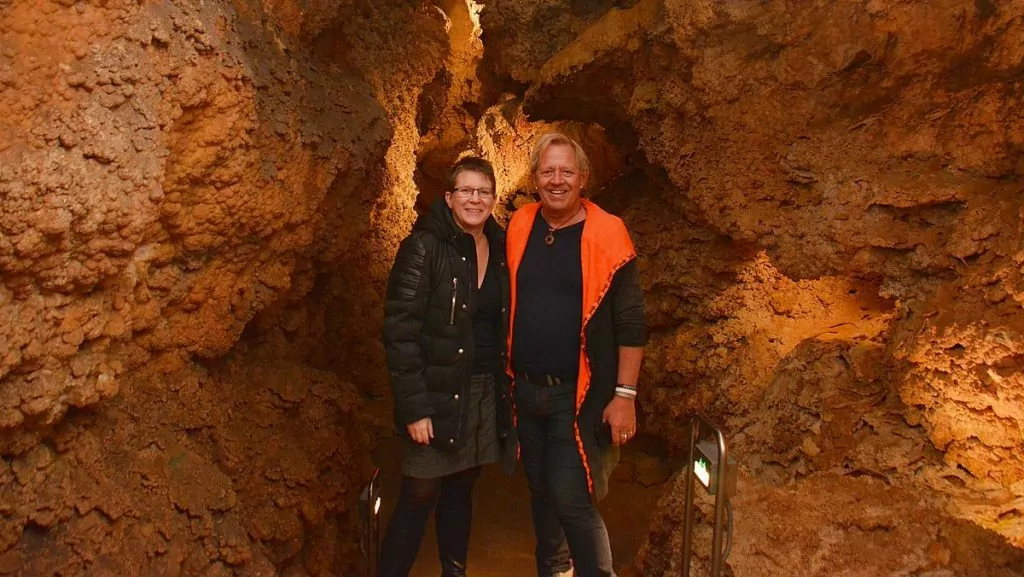
Did you know that there is a large system of caves under Budapest? Some of them are open to visitors, but the experiences can be very different.
We experienced this ourselves when we first arrived at Pál-völgyi and saw people putting on overalls for much more advanced underground adventures. Helena quickly realized that cave crawling wasn't quite what she had imagined!
Instead, we visited Szemlő-hegyi, where you can discover the cave on a much more accessible tour with paved walkways. The caves might not be the first thing we would recommend to a first-time visitor to Budapest, but if you have a little extra time, it is a fun and different experience.
READ MORE: Caves in Budapest – discover the city underground
19. Botanize in the Great Market Hall
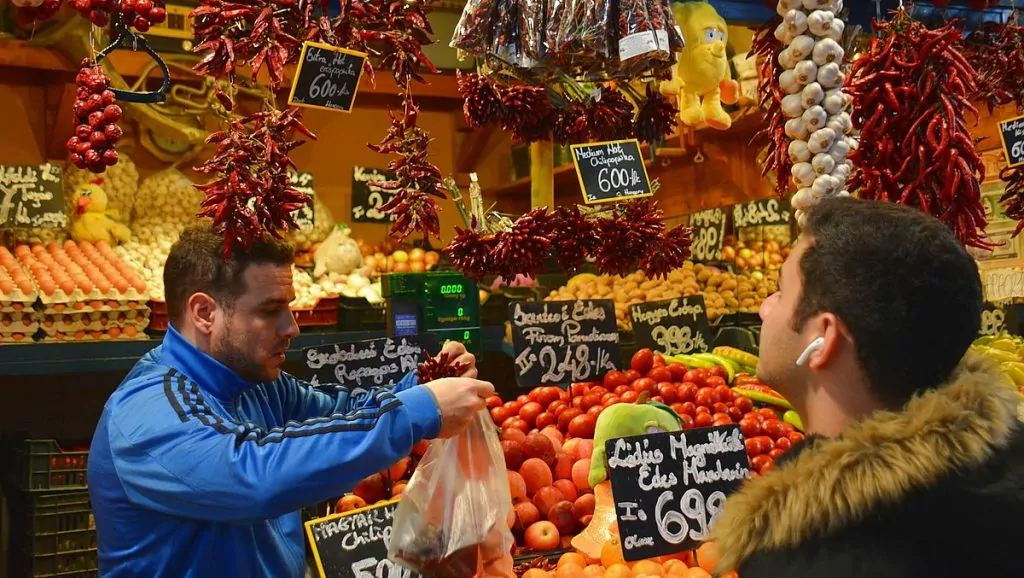
We love food markets and market halls. Peter enjoys cooking and we both like to discover new flavors, so the Great Market Hall, Nagy Vásárcsarnok, is exactly the kind of place we like to wander around for a long time.
We have visited the market hall several times, but one of the best visits was with a guide. We got to taste different specialties while she told us about Hungarian ingredients and food traditions. It gave us a completely different understanding of everything we saw around us.
Even without a guide, the market hall is well worth a visit. Here you can find meat, charcuterie, vegetables, peppers and various Hungarian delicacies. We usually like to buy something edible to take home with us and have bought foie gras in Budapest, among other things.
READ MORE: Shopping in Budapest – shops, market halls and shopping streets
20. Experience the Christmas market in Budapest
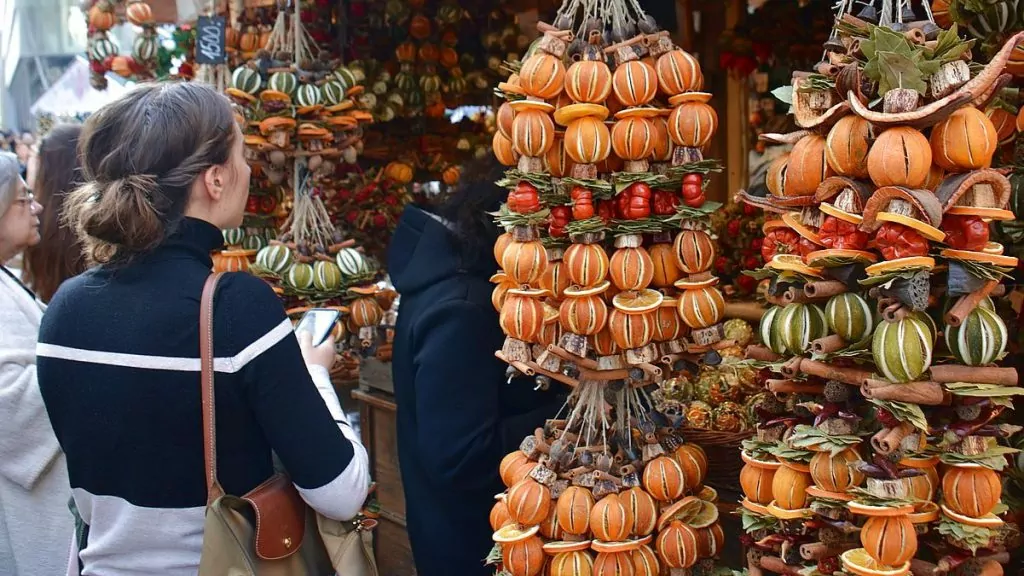
Budapest is a lovely city even during Advent, when the city center is filled with Christmas lights and Christmas markets. We have visited the market at Vörösmarty tér, among other places, and remember above all the atmosphere and all the food that was being prepared around us.
Here you can try both rustic dishes, sweets and various hot drinks. We think it is extra cozy to buy something small to eat or drink and then walk around the stalls. Also look out for kürtőskalács, the spiral-shaped ”chimney cake” that is baked around a cylinder and is hard to resist when served hot.
READ MORE: Christmas market in Budapest – markets, food and Christmas atmosphere
21. Take a wine tour to Etyek
You don't have to travel very far from Budapest to find yourself among vineyards. Etyek is located about 30 kilometers from the capital and is one of the areas that is well suited for a wine excursion.
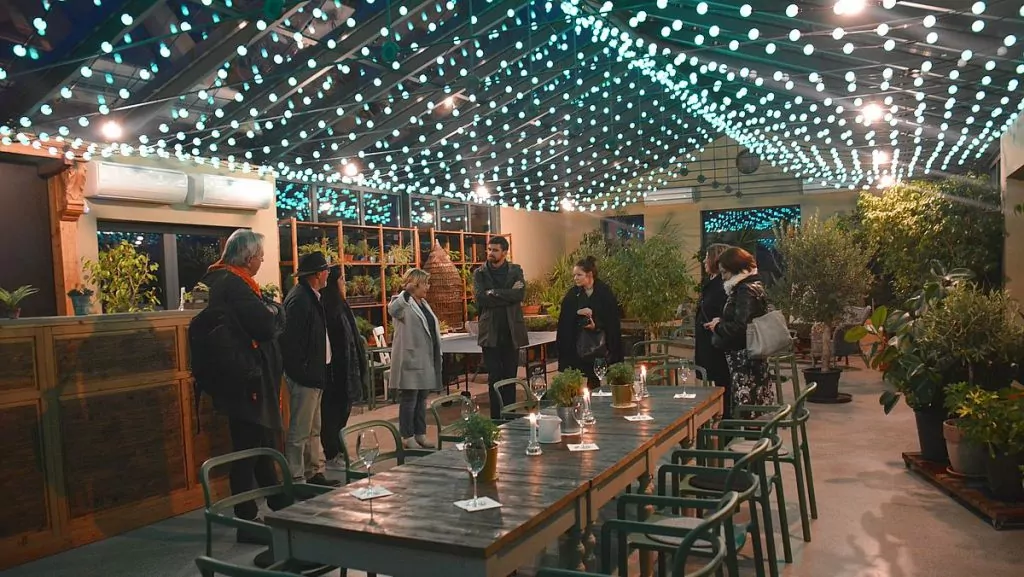
We visited the family-owned Hernyák Estate on our way back to Budapest after a trip to Tata. Despite the short distance from the city, the feeling was rural and relaxed. We were made to feel incredibly welcome and were able to sample several of the estate's wines.
The family also had cows and made their own cheese when we were there. We didn't really have room for another bite after all the food experiences during the trip, but somehow we managed to try the cheese anyway. And luckily that was it!
22. Take a trip to Tata
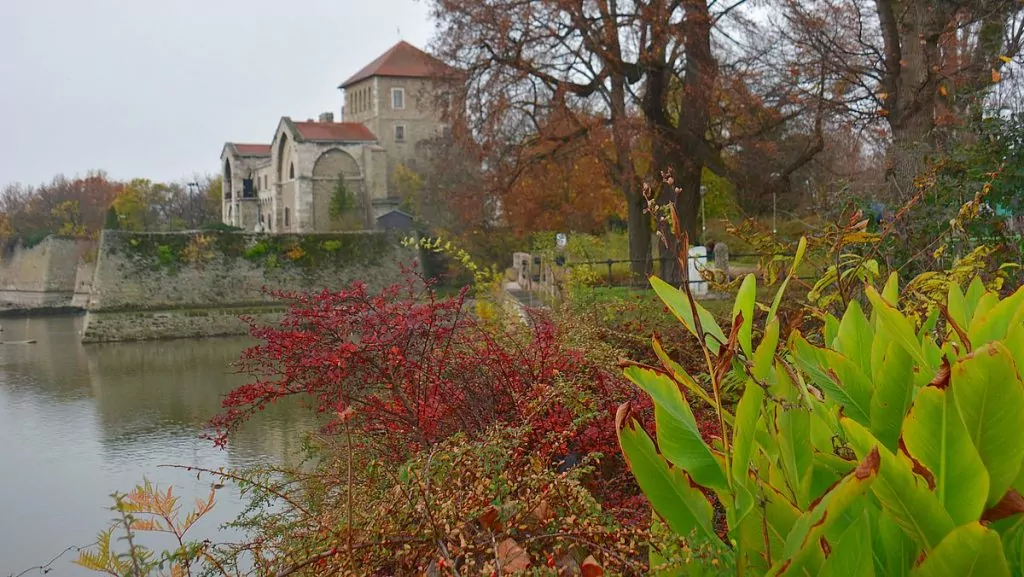
If you have a day to spare in Budapest, you can take a trip to Tata, about seventy kilometers northwest of the capital. Here we encountered a completely different pace than in Budapest, with low houses, old stone walls and Lake Öreg in the middle of the peaceful environment.
We walked along the lake and past Tata Castle, which dates back to the Middle Ages. One of our strongest memories is actually all the big fish that kept jumping out of the lake. We don't think we've ever seen so many big fish jumping into a lake before!
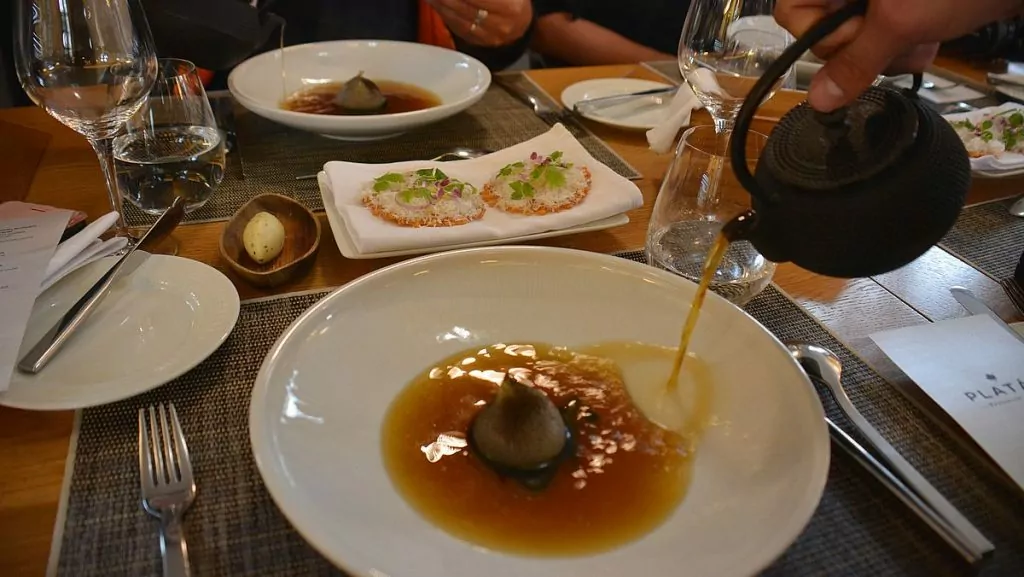
Our visit also included a fantastic lunch at Platán, which later developed into a renowned gastronomic destination. The business has changed since our visit and the two-star fine dining restaurant Platán Gourmet ceased to be a permanent restaurant in the summer of 2026, while Platán Bisztró, among others, remains.
But Tata is not just a gastronomic excursion. The combination of the lake, the castle and the leisurely pace make the city a pleasant contrast to Budapest.
READ MORE: Tata in Hungary – castle, lake life and gastronomy
Budapest in 2 days – suggested itinerary
If you have two days in Budapest, you will have time to experience a surprising amount. Our suggestion is to dedicate the first day to the Danube and the Buda side and the second to Pest. At the same time, try not to book every minute. Budapest is a city where it is nice to have time to stop for a coffee, a glass of wine or a spontaneous detour.
Day 1: Danube and Buda side
- Morning: Start at the Parliament on the Pest side. If you have booked a guided tour, you can also see the inside of the magnificent building. Then continue along the Danube to the Shoes monument on the Danube Quay. Walk on to the Chain Bridge and cross over to Buda. From here, you can take the historic funicular up to Castle Hill.
- Lunch: Have lunch on the Buda side. It might be a good opportunity to try a classic Hungarian dish, perhaps goulash with a beer.
- Afternoon: Explore the castle grounds and continue to Matthias Church and the Fisherman's Bastion, the latter of which is one of our personal favorite spots in Budapest, both for its unique architecture and views of the Danube and Pest.
- Evening: Head back to Pest and end the day with a delicious dinner. Budapest has everything from rustic Hungarian taverns to ambitious restaurants and fine dining. If you're not too tired after the day's walks, you can continue to the Jewish Quarter and have a beer or drink at a ruin bar.
Day 2: Pest, the city park and thermal baths
- Morning: Start your day at St. Stephen's Basilica. Peek inside the beautiful church and head up to the panoramic terrace for views of the city. Then continue towards the Jewish Quarter and the Great Synagogue on Dohány Street. Stroll around the area for a while before continuing towards Andrássy Avenue.
- Lunch: Have lunch somewhere in Pest or take the opportunity to visit the Great Market Hall and browse among Hungarian produce and specialties.
- Afternoon: Take the historic yellow metro line M1 to Heroes' Square and the city park Városliget. Just the metro ride is a small Budapest experience in itself. Then continue to the Széchenyi Baths and end your sightseeing day in the warm thermal waters. We have bathed in the Gellért Baths ourselves, which are currently closed for renovation, but we definitely think a thermal bath is part of a Budapest trip.
- Evening: End the two days in the way that suits you best: with a really good restaurant dinner, Hungarian wine and perhaps some beautiful pastries at a classic café.
If you want to replace something
Of course, not everyone likes the same things. If you are more interested in nature and different experiences, you can exchange one of the activities for the Budapest caves. If food and drink are most important, you can spend more time at the Great Market Hall, cafes and restaurants. And if you have more than two days in Budapest, you can take a trip to, for example, Etyek or Tata.
What to see and do in Budapest - on film
Peter has edited two videos from our recent trip to Budapest. Check them out here.
FAQ – frequently asked questions about Budapest
What currency is used in Budapest?
In Budapest you pay with Hungarian forint (HUF). Hungary is a member of the EU but has not introduced the euro. In some tourist-oriented places you can pay with euros, but the exchange rate may be worse. We therefore recommend paying in forint.
Can you pay by card in Budapest?
Yes, card payments are very common in Budapest and work in most hotels, restaurants and shops. It can still be practical to have some cash in forint for example for smaller purchases and markets.
How much do you tip in Budapest?
In restaurants, a tip of around 10–15 percent is common if you are happy with the service. However, check the bill first. A service charge, service fee, is often already included and then you don't need to add an additional tip.
How does public transport work in Budapest?
Budapest has good public transport with metro, trams, buses and trolleybuses. Tickets and season passes can be purchased from vending machines and via the BudapestGO app, among other things. Keep in mind that you need a valid ticket and that the rules for validation may differ depending on the type of ticket you use.
Don't miss the historic yellow metro line M1. It opened in 1896 and is not only a convenient way to get around but also a little Budapest experience in itself.
How many days do you need in Budapest?
Two days is enough to see many of Budapest's highlights, especially if you plan your days geographically. We would still like to have three or four days to stroll around more, bathe in thermal baths, eat and drink well, and maybe discover a few places outside the most classic sights.
If you have even more time, you can also take an excursion from Budapest, for example to the Etyek wine region or the city of Tata.
You might also like:
 Things to do in Goslar - 11 tips for a historic town in Germany
 Things to do in Bamberg - 14 tips for a lovely German town
 Split in winter – tips for a weekend in Croatia
 Things to do in Bayreuth, Bavaria - our top 11 tips
 Things to do in Rauma – 14 tips for a Finnish UNESCO city
 What to do in El Nido, Palawan - 12 tips for travelling in the Philippines


 English (UK)
  Svenska
Ama de casa says:
WOW!!! What a great compilation of this lovely city - kudos!
We managed to do many of those things when we were there for two days during our "train trip" last summer. But I still wonder what we ate... 😉.
Have a nice midday!
28 December 2019 - 10:03
Helena says:
Thank you very much! Yes, now that we had Christmas holidays we finally got time to compile! 🙂 And I'm still waiting for the food pictures! 😉
28 December 2019 - 10:58
Henny says:
Thanks for all the tips. I am travelling with a group to Budapest in May. Certainly some programme items are included but a lot of independent time as well.
28 December 2019 - 10:25
Helena says:
Great to have Budapest in front of you! A very nice and nice city! 🙂
28 December 2019 - 10:59
Susjos says:
Good continuation of the weekends! Oh thanks for all the great tips from Budapest, I've never been there, but I'm very keen! Maybe you can plan a trip there this spring?
Hugs!
28 December 2019 - 16:51
BP says:
Realise that I don't even need to go to Budapest after this great marathon post with amazing pictures! There's something about middays, isn't there? Thought about all the time you have to make blog posts; -)
28 December 2019 - 17:32
Lena - gott för själen says:
I have been thinking about Budapest for a long time. Getting more and more attracted. It seems like you don't have to do nothing there! The shoes are creepy, but also beautiful. Can't be more visual!
Hug Lena
29 December 2019 - 10:43
Ann-Louise Paulsson says:
So many great tips! Who needs a guidebook when your blog exists! 🙂 Who knows, maybe 2020 will be the year when I get away to Budapest. It looks very nice.
29 December 2019 - 19:37
Sportzfy says:
Thanks for these great tips! I am really looking forward to my weekend in Budapest. It's always good to have local insights, and I especially loved your suggestions for lesser known restaurants. Keep up the good work!
30 October 2024 - 18:11
Qt777 slots says:
Thanks for all the great tips! I am planning a weekend in Budapest next month and will definitely use your list. Do you have any recommendations for local restaurants that are not too touristy?
19 April 2025 - 3:44
Spotify Mod App says:
Thanks for all the great tips! I'm planning a weekend in Budapest and these recommendations will definitely help me make the most of my trip. Really looking forward to exploring the city!
02 June 2025 - 10:55
teer win login says:
Thanks for these great tips! I'm planning a weekend in Budapest soon and these suggestions will definitely make my trip more memorable. Looking forward to exploring the local restaurants and hidden gems you mention!
05 August 2025 - 8:39