



Writer: Helena Bergström
Updated October 2026 | What to do in Nora? Come with us to a small wooden town where the houses lean, the railway tracks cross each other and the history of Bergslagen's iron is just around the corner. We came here with the camper to finish our Wooden Town Classic and found everything from old locomotives and bourgeois homes to murder stories and fresh Nora ice cream.
 Tweet
 Share
 Share
 Pin
 Share
 Share
Table of contents
Nora – the small wooden town where history is still felt
There are cities that are small and then there are cities that feels small. Nora belongs to the latter kind. When we walk between the old wooden houses, I get almost the same feeling as when I was a child visiting my grandmother and grandfather. The houses are low, the colors are mixed and nothing seems to stand straight. It almost smells of history about Nora.

Nora was the finalist at our Trästadsklassiker
We had collected a sticker in each city and in Nora we were finally able to pick up the little gift you get when the Wooden Town Classic is completed. The gift was of course fun, but that wasn't really the point. We had been given a reason to travel through three small Swedish towns and discover how different three wooden towns can actually be. Sometimes the journey is the destination.

1. Stroll among the wooden houses – and let Nora be a little naughty
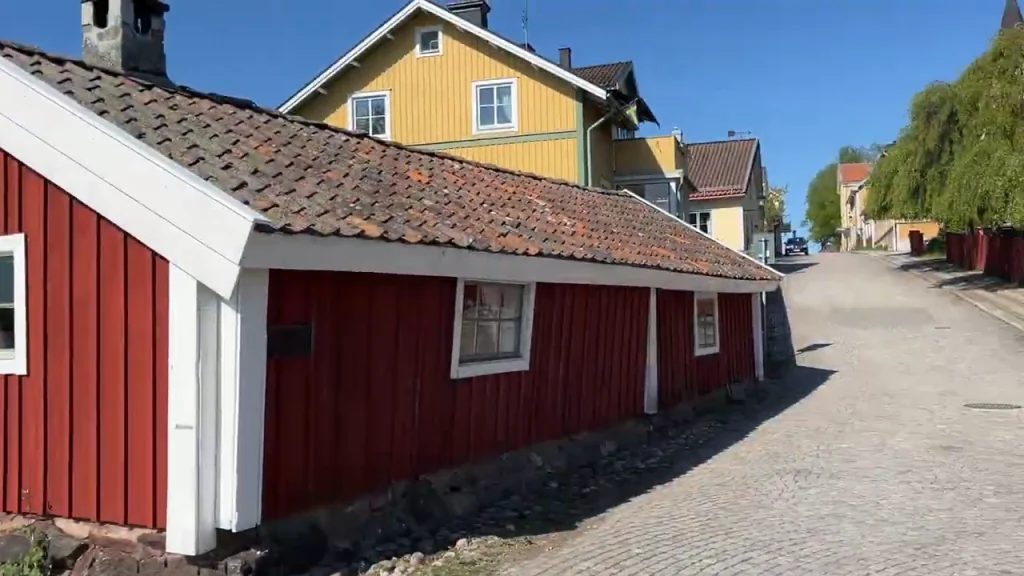
The first thing we think you should do in Nora costs nothing and doesn’t really require any planning at all. Start walking. Look into the courtyards, follow the cobblestone streets and notice the old wooden houses in different colors. There are also gossip mirrors here, the small angled mirrors that made it possible to keep an eye on what was happening on the street without having to look out the window yourself.

It's precisely the mix we like. Nora doesn't feel like a constructed historical backdrop where all the houses are lined up perfectly for tourists. It's a living little town where people still live, work and run shops amidst houses that are in some cases several hundred years old.
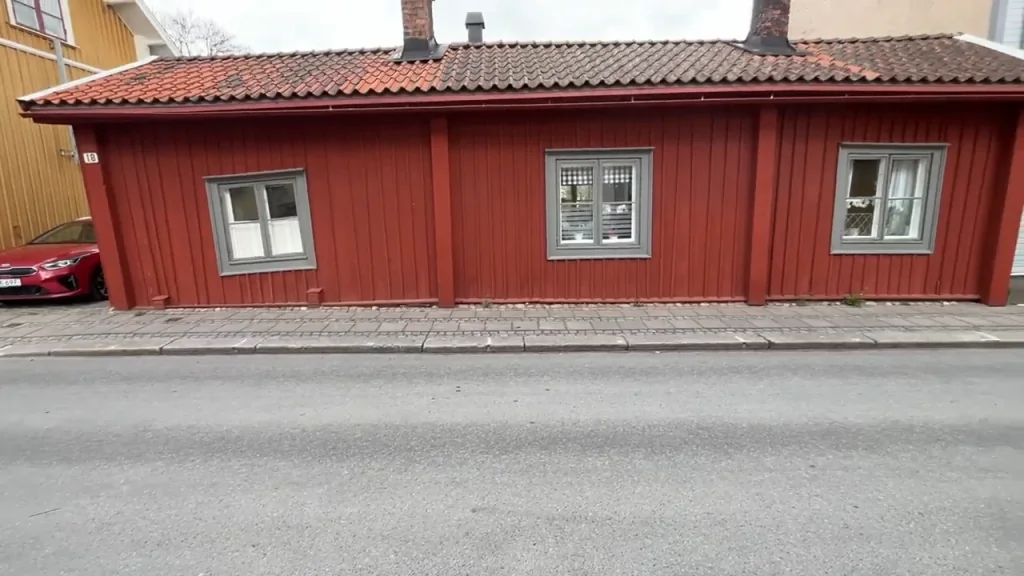
When almost all of Nora was destroyed in the city fire of 1731, the church was basically the only one left, even damaged. The city was rebuilt and when Carl von Linné arrived here in 1746, the traces of the fire had largely disappeared. The Nora we walk through today is therefore largely the result of centuries of construction, preservation and careful changes. Three wooden cities – but three completely different personalities
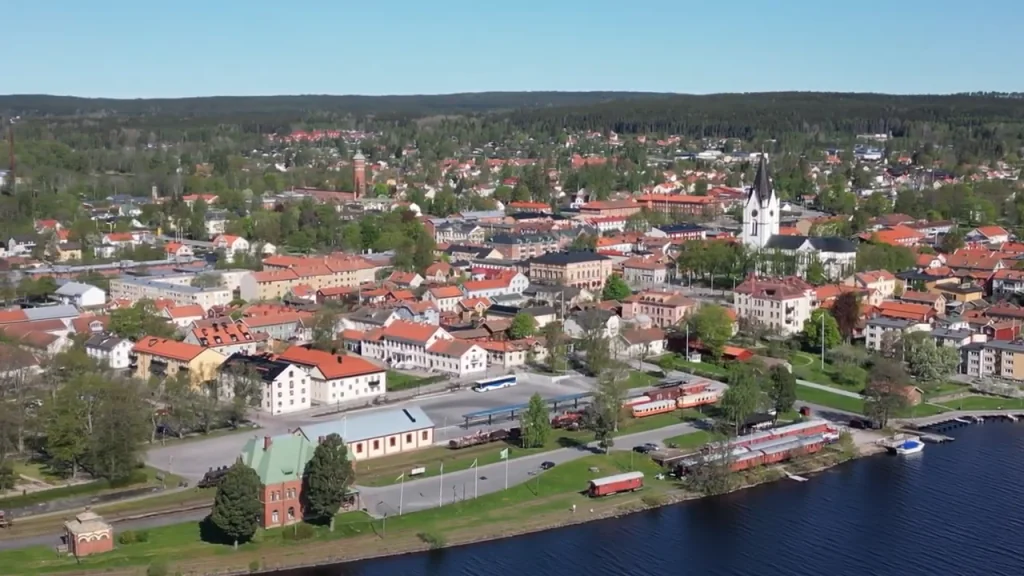
Since we came directly from Eksjö and Hjo, it was also natural to compare. Eksjö has its military history and a fantastic old town center. Hjo is located on Lake Vättern and bears clear traces of its time as a health resort. Nora instead feels like Bergslagen's wooden town, where the iron, the mines and the railway lie just below the idyllic surface. And you don't have to go very far to discover that.
2. Discover the railway museum and all the old trains
Walk down towards Lake Norasjön and the station area and the environment changes. Suddenly the railway tracks crisscross in front of us and old locomotives, carriages and railway buildings appear everywhere.
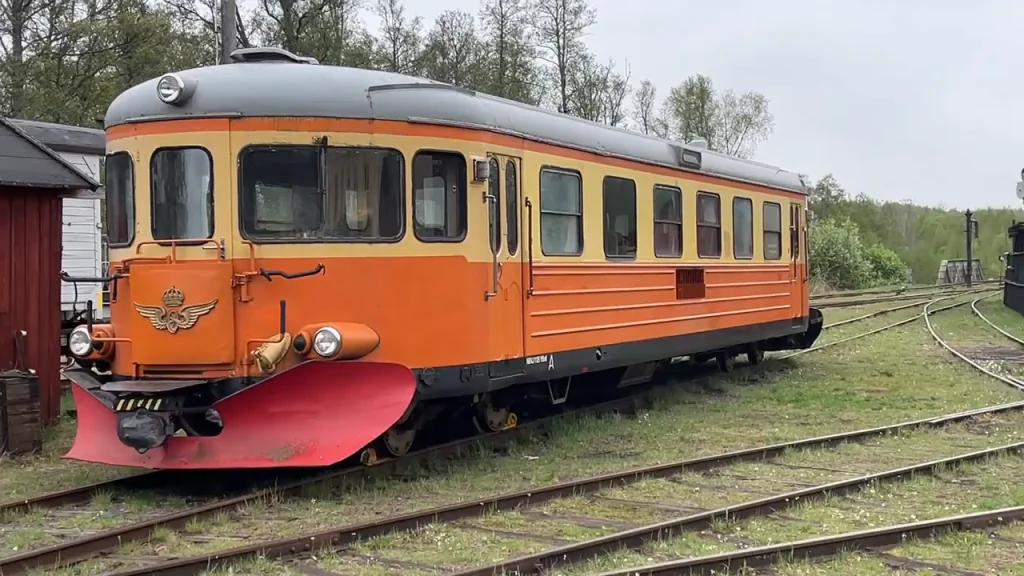
For us, the railway museum was one of the finest experiences in Nora. In the old goods warehouse we found the treasures – beautiful old locomotives and carriages together with objects and photographs from the history of the railway. When knowledgeable people can also tell us about what you are looking at, old machines become something much more than just old iron.

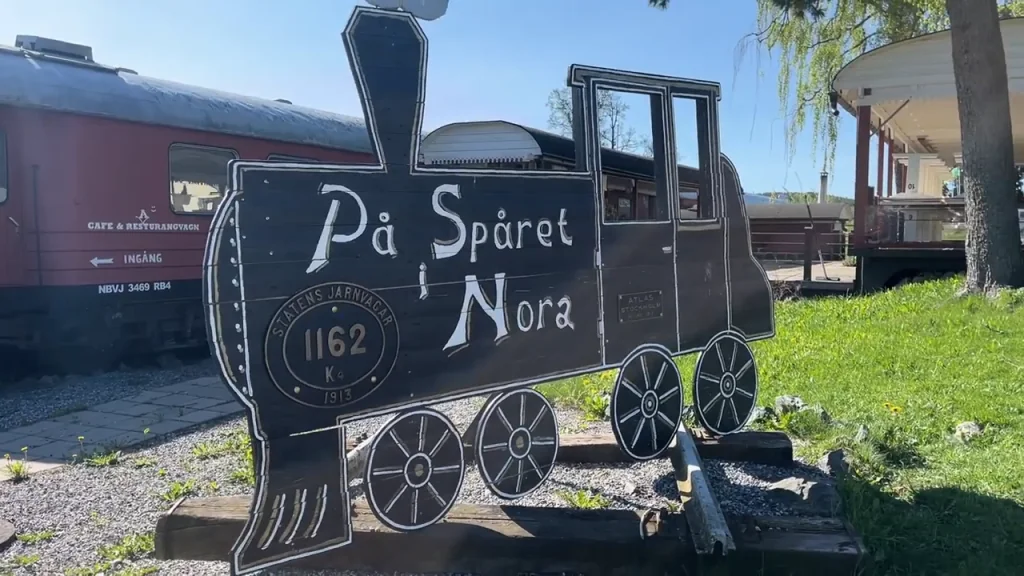
Nora was there when the Swedish railway was born
It is no coincidence that the railway has taken such a large place in little Nora. By the mid-19th century, there were a large number of mines, smelters and ironworks in the area, and the iron needed to be transported much more efficiently than by horse and cart.

The Nora–Ervalla Railway was inaugurated in 1856 and is considered the first standard gauge railway in Sweden to be opened to public traffic. The railway became the link between the Bergslagen mines and the growing outside world.
Today, much of the environment is managed by Nora Bergslags Veteran-Jernväg and during parts of the year, veteran trains run. This means that you don't just have to look at the history – with a little planning, you can actually ride it.


3. Follow Maria Lang through the detective town of Nora
Nora is idyllic, absolutely. But behind the colorful wooden houses, a surprising number of murders have also been committed. At least on paper. The crime novelist Maria Lang was actually named Dagmar Lange and was born in Nora in 1914. When she created the fictional town of Skoga, she used her own hometown as a model. In the books, it is therefore possible to recognize streets, neighborhoods and environments from Nora. She wrote a total of 42 crime novels for adults between 1949 and 1990 and moved back to Nora in 1979.

When we were here, you could join murder walks through the city, but you can also discover the environments on your own. And it's actually quite a fun contrast: while you walk among flowers, wooden houses and idyllic small farms, you can look for places that have been transformed into crime scenes in Maria Lang's world. For the detective reader, Nora therefore becomes something more than a beautiful wooden city. It becomes Skoga.

4. Step into a time bubble at Göthlinska gården

One of the experiences we also really enjoyed was Göthlinska gården. Walking through the door here almost feels like someone has left the house for a while and will soon be back. But no one came back.
The farm was purchased in 1886 by bailiff Agathon Göthlin and became the home of the Göthlin family. The youngest daughter Ingrid was eventually left alone and her wish was that the home be preserved. After her death in 1961, the farm became a museum and large parts of the environment remain.
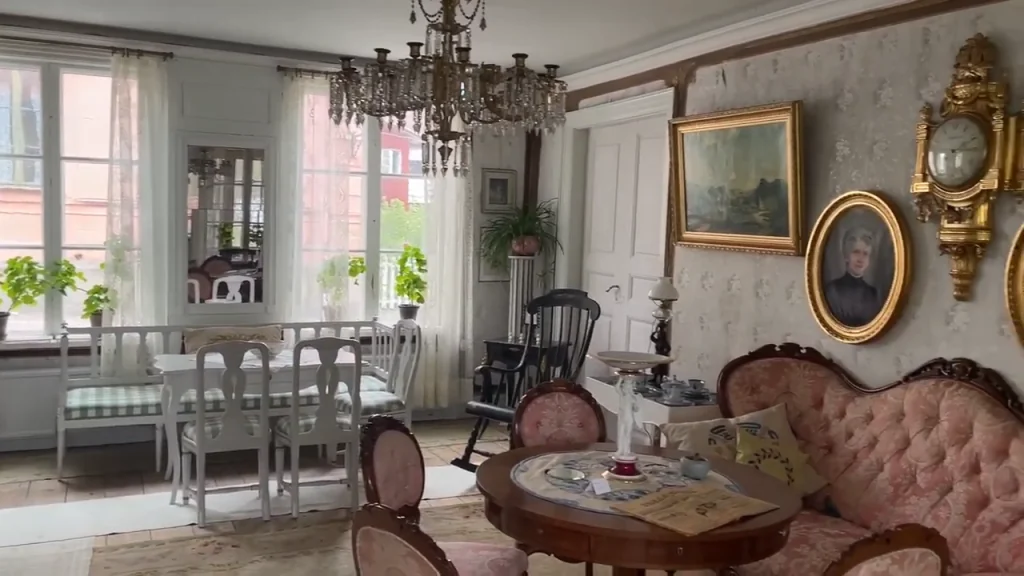
Here you will find salons and living rooms, furniture, porcelain, toys, textiles, jewelry and lots of small objects. It is the details that make the visit. Instead of just reading about how a well-to-do family lived during the late 19th century, you get to stand in the middle of their home. We think a guided tour is the best option if possible. It is only when the stories about the people are connected to the rooms and things that the house really begins to come to life.


5. Eat daily fresh Nora ice cream – a tradition since 1923
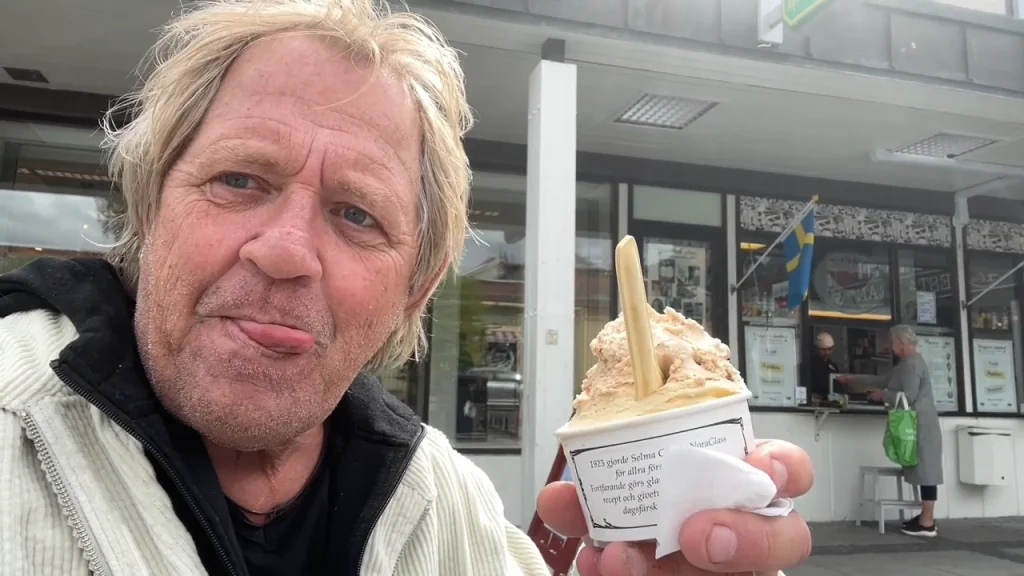
There are some things you simply have to eat when you come to a place. In Nora, it's ice cream. The story began in 1923 when Selma Gerdin moved from Gävle to Nora with her four children and opened Nora Bazaraffär. Already in the first summer, she started churning out ice cream that was served together with freshly baked waffles. The waffles were actually intended to be the main attraction – but the customers started talking about the ice cream instead. Later, Selma bought a secret ice cream recipe from Jämtland and the rest became Nora history.

Ice cream also tastes better after a walk.
The special thing is that NoraGlass is still associated with fresh ice cream and that the flavors vary. We bought our ice cream in the city center, but discovered afterwards that you can also eat ice cream and waffles at Selma G next to Norasjön. This is of course a completely unscientific FREEDOMtravel conclusion. But we stand by it.

6. Follow the Å promenade and continue towards Norasjön
After wooden houses, old trains and ice cream, it's quite suitable to just walk for a while. The river promenade follows the Hagbyån and provides a quieter side of Nora, away from the most obvious sights.
The great thing about Nora is that the distances are short. You don't have to make the walk a project, you can make it part of the day, combine it with the city center and the railway area, or continue down towards Lake Norasjön.
Our camper was parked at the Skojarbacken parking lot, and the Å promenade passes nearby. For those of us who travel by camper, this is exactly the kind of city we like: park the car and discover the rest on foot.

Take the boat to Alntorp Island in the summer
If you have more time, you can continue out on Lake Norasjön. During the summer season, the boat Plaskus goes to Alntorps ö, where there are swimming areas, walking paths, barbecue areas and old fruit trees. This is mainly a tip for a hot summer day and for those staying a little longer in Nora. Check current boat traffic before planning your trip.

7. Check out Kvarteret Bryggeriet – but check the opening hours
The Bryggeriet district is an old industrial area just outside the city center that has been given a whole new lease of life. Buildings from the late 19th century now house art, crafts, small shops, studios and eateries. The large Bryggeriehuset from 1893 once produced Bavarian beer, while the building is now used for exhibitions of contemporary art.
We were told from several sources that we shouldn't miss the area and of course we went there. We managed to get there when it was closed. That can also happen when you travel. This also means that our advice is simple: check the opening hours before you go there. The different businesses have their own hours and, especially outside of the high season, it is not obvious that everything is open at the same time.

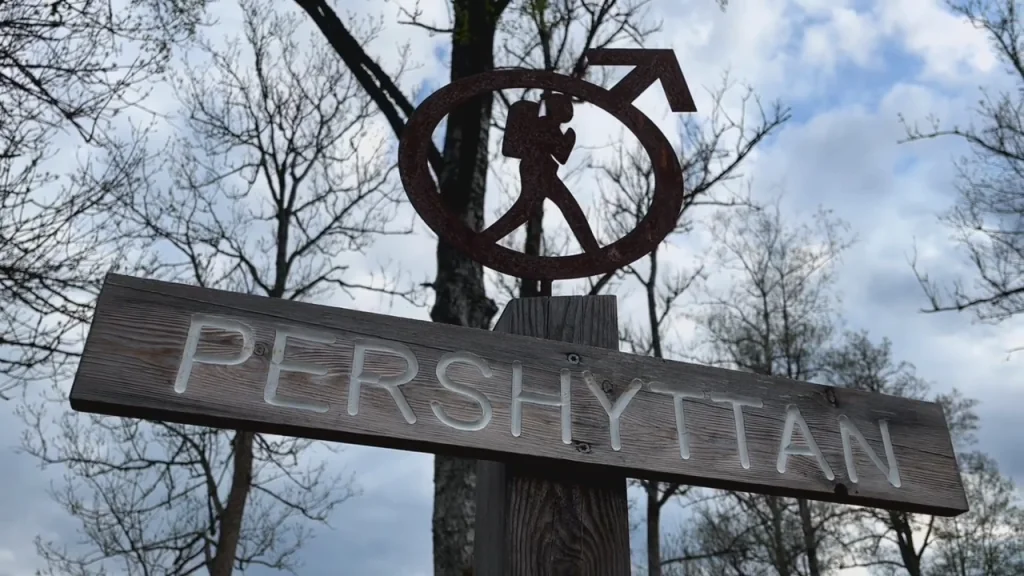
8. Discover the Old Pershyttan – this is where you begin to understand Nora
If the wooden houses show what Nora looks like, Pershyttan is one of the places that explains why the city exists. Just a few kilometers from the center lies the mining village of Gamla Pershyttan, where people have mined ore and produced iron since the Middle Ages. The area is now a cultural reserve and is so well preserved that the connection between the mines, the forest, the water, the smelter and the people can still be understood in the landscape.
It was from here and from other mines and smelters in Bergslagen that the iron came. And as production grew, better transport was needed. Suddenly, what we have already seen in Nora is connected: the mines, the miners, the railway and the city are parts of the same history.
A cabin that was left after the last day of work
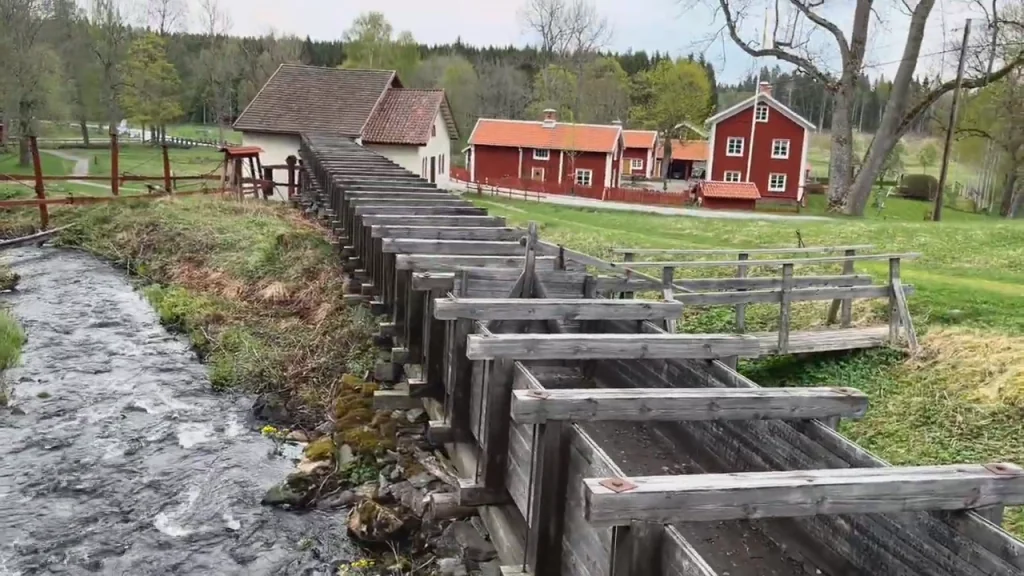
The Pershyttans ironworks got much of its current appearance during the 19th century and still stands with equipment from the time when iron production was underway. The last blow was made in 1953. The area also contains mines, water wheels, a mine shaft, coal houses, miners' farms and other traces of the people who made their living from iron.
You can walk around on your own, but if you really want to understand what you're looking at, we recommend a guided tour when one is offered. Only here do we feel like the circle is almost complete. The small wooden houses inside Nora are beautiful. But Bergslagen was not built on idyll. It was built on iron.


9. Take a trip to Siggebohyttan's mining farm
If you want to continue the story of Bergslagen, Siggebohyttans bergsmansgård is a nice excursion from Nora. The farm is located by Lake Usken between Nora and Lindesberg and shows a completely different side of mining: how a wealthy miner's family could live. Here you will not encounter the darkness of the mine and the heat of the mine, but a large and lavish home with salons, painted walls and the special long attic corridor.
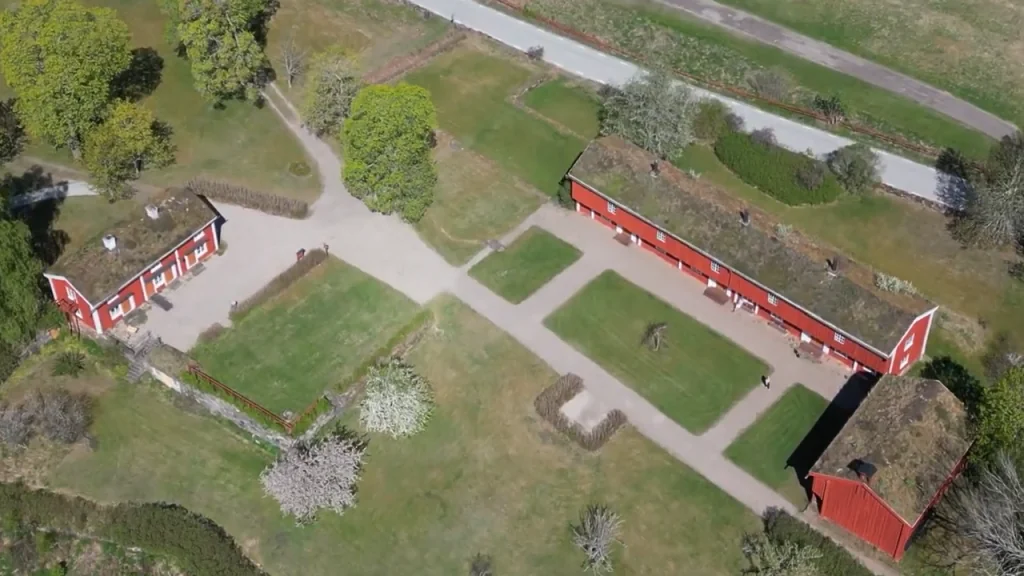
We think the combination of Pershyttan and Siggebohyttan is interesting for this very reason. One site tells the story of the production and environment around the iron, while the other shows what the riches from mining could mean for the people higher up in the system. Siggebohyttan's miner's farm is open seasonally; the 2026 summer season has now ended, so check current times before your next visit.

Where to stay in Nora?
Nora is so small that we don't think there's a need to make this a guide to different neighborhoods. If you live centrally, you'll be close to the wooden houses, the railway, Lake Nora, the restaurants and much of what we describe in the article.
In the center there is Nora Stadshotell and smaller accommodations, and for those who want to continue the railway theme there is also Nora Tåghem.
Motorhome and camping in Nora
We came here ourselves with a camper van and stood on Nora camping site at Skojarbacken. From there we could easily walk into the city center, which is exactly how we prefer it when visiting a smaller city. Paste text
There is also camping at Lake Norasjön. For us, Nora is generally a convenient campervan destination because much of the city can be explored on foot once the car is parked.

More to see and do near Nora
There is of course more to see and do in the neighbourhood of Nora. For example, it's not too far to Örebro, where you can discover the splendid castle and the fine Wadköping Open Air Museum. If you head south, you can discover charming Askersund, and if you head north, you can visit beautiful Kloten. Below you will find more tips on things to see and do in the province of Västmanland.
You might also like:
 Things to do in Arboga – 10 attractions and excursions


 Things to do in Haparanda and Tornio - 16 tips
 Things to do in Luleå – 10 attractions and experiences
 Things to do in Piteå – 10 attractions and experiences
 Things to do in Leksand – 13 attractions and experiences


 English (UK)
 Svenska
Britta says:
Take a boat trip out to Alntorpsö and check out the troll trail, swimming facilities, play mini-golf, enjoy nature and animals.
Noradagarna this year 5-8 July 2023 is a flea market, family activities and Nostalgia Day.
Noramarken 26-27 August 2023 You know the three little girls who sang about the market in Nora.
Take the opportunity to eat the delicious Nora ice cream.
25 May 2023 - 17:00
Helena says:
Many good tips, thank you! Noradagarna sounds nice! And yes, of course we remember the three little girls and the market!!! 🙂
25 May 2023 - 20:47
Anja says:
My home town between 1-18 years 😊
25 May 2023 - 17:42
Helena says:
Oh is that true? My brother and his wife actually lived in Nora for a few years because they got jobs there. I visited a few times, but mostly remember that I thought it was a cosy town 🙂.
25 May 2023 - 20:48
BP says:
In Nora you seem to get gymnastics for free - I was thinking about the uphills there. Then I just love the old general store and curio shop. I would have liked to botanize there:-)
25 May 2023 - 20:47
Sofie Aspeqvist says:
Every Saturday in July, SA keramik holds an open ceramics workshop. You can visit and see Sofie Aspeqvist working with clay in her beautiful summer workshop. The ceramics stall, where finished pieces are for sale, is also open.
Coffee and home-baked goods are usually available and it is possible to enjoy the beautiful garden and environment overlooking Lake Vikern.
10 minutes outside Nora, in the village of Knapptorp.
More information is available at http://www.sakeramik.se.
27 May 2023 - 18:04
Lena - gott för själen says:
Yes, such a cute little wooden town there too. We took a road trip there a few years ago. Walked the nice old streets, saw the giant church and had ice cream at Selma G by the lake. A cold and windy late summer day, but really nice and cosy anyway.
See that there was a lot that we missed. Maybe worth going there again.
Hug Lena
31 May 2023 - 13:43
Eleonore Karlsson says:
Visit Gyttorp to see the apartment blocks, the school designed by Ralfh Erskine.
Kottaberget can be used for mountain biking.
Swimming at Lake Vikern.
There is a pizzeria in the community.
18 July 2023 - 0:46
Gg says:
Don't miss Guldsmedjan in Nora, which has the unique Bergslag stone embedded in beautiful jewellery. An ancient shop that turns 100 years old this year. Large range of jewellery from famous designers.
18 July 2023 - 21:50
Maria Djurskog says:
A few miles north of Nora, near Stadra Manor, beautifully situated on the southern shore of Lake Grecken, is Stadra Theatre - a theatre stage in the middle of the countryside.
A fantastic place, well worth a visit.
http://www.stadrateater.se
14 August 2023 - 7:22
Kalle Anka says:
Nora is nice to visit, but unfortunately it is not possible to live there. I have been trying to get to know people for three months. Now I'm giving up and moving away from Nora.
24 September 2023 - 11:25