



Writer: Helena Bergström
Updated: October 2026 | What does Christmas food look like in different countries? On Christmas tables around the world, you can find everything from roast pork, carp and fermented rockfish to panettone and fried chicken from KFC. Join us on a Christmas food journey through 17 countries – with both old traditions, modern habits and some of our own experiences of Christmas food abroad.
 Tweet
 Share
 Share
 Pin
 Share
 Share
Table of contents
Christmas food in different countries – changing traditions
What you eat for Christmas depends of course on where you are in the world, but also on which region and family you belong to. There is rarely a single menu that ”everyone” in a country eats. However, there are dishes and traditions that are strongly associated with Christmas.
In the Nordic countries, for example, pork, lamb and fish appear in various forms, while carp has a strong position in several parts of Central Europe. In countries with Catholic traditions, Lent has influenced what is eaten on Christmas Eve, and in other parts of the world, local ingredients, historical influences and much more modern phenomena have left their mark on Christmas food.
Because Christmas traditions don't have to be ancient. Perhaps the clearest example is found in Japan, where an advertising campaign in the 1970s helped make KFC a Christmas food. Here are 17 examples of what Christmas can taste like around the world.
READ ALSO: Christmas table and Christmas food in Sweden – traditions and dishes
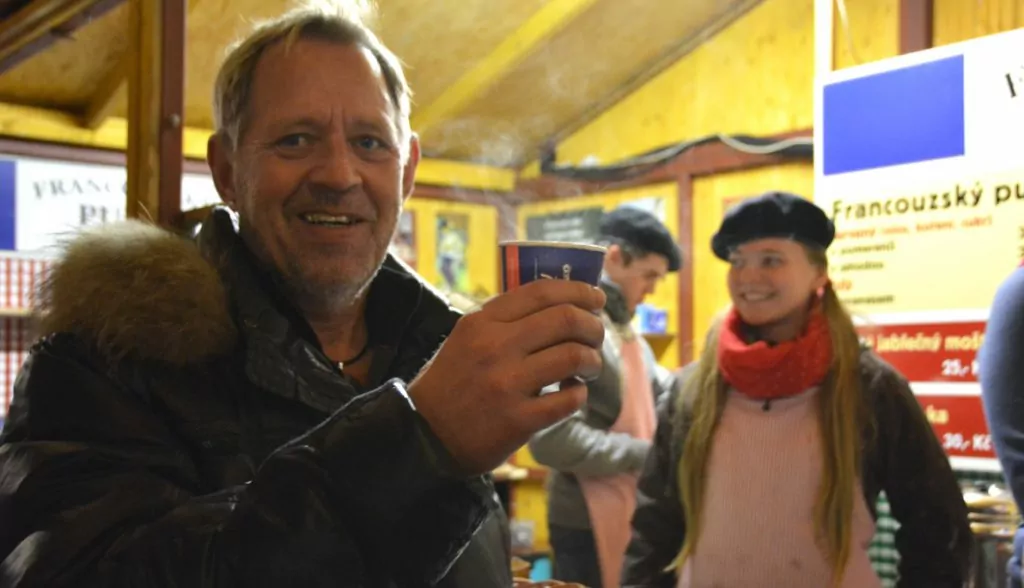
1. Denmark – pork roast and rice salamande
In Denmark, Christmas Eve dinner is for many one of the highlights of Christmas. On the table there may be roast pork with crispy rind, but also duck or goose. The accompaniments are often red cabbage, gravy and browned potatoes – small potatoes browned with sugar.
After the meal, a real Danish Christmas classic awaits: risalamande. The dessert is reminiscent of Swedish ris à la Malta and is made of rice porridge mixed with cream and chopped almonds, among other things. It is served with cherry sauce. In addition, a whole almond is hidden in the dessert. Whoever finds the almond gets the almond gift, a small gift.

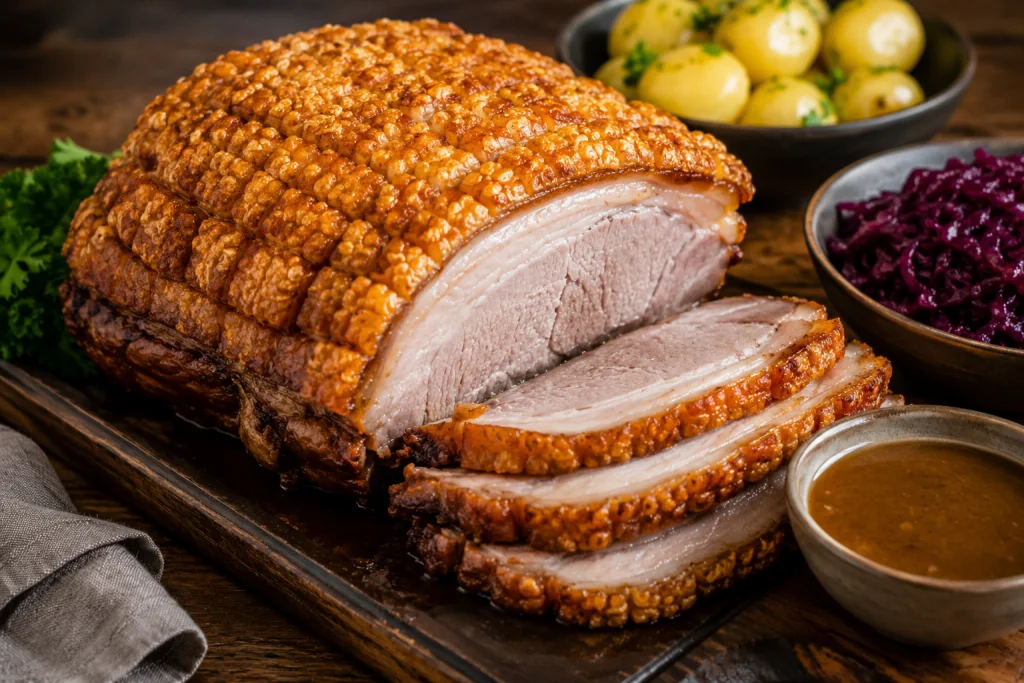
2. Iceland – smoked lamb, puff pastry and fermented rockfish
In Iceland, there are several Christmas dishes that stand out a little bit. Chicken meat, smoked lamb or mutton, is a classic that can be served with potatoes and sauce, for example. Christmas also includes leaf bread, thin, deep-fried breads decorated with intricate patterns. Gathering together and cutting the patterns into the breads is itself a Christmas tradition in many families.
Then we have a dish for the more adventurous. On December 23rd, Þorláksmessa, there is a tradition of eating dear magpie, fermented skate. The smell is unlikely to go unnoticed. Iceland's official tourism website still highlights fermented skate as something you can try on December 23. In other words, Christmas food doesn't necessarily start on Christmas Eve itself.


3. France – oysters, foie gras and Christmas tree
In France, Christmas can mean a long and festive meal, New Year's Eve. Exactly what is served varies of course between different parts of the country and between families, but the Christmas table can include things like oyster, other seafood, foie gras and party bird.
And then we have dessert! Christmas tree, the Christmas log, is a true French Christmas classic. It is a decorated cake, traditionally shaped to look like a log.
Here it becomes clear that Christmas food is not just about certain ingredients. In France, the festive meal itself – sitting at the table for a long time and eating several courses – is also an important part of the experience.

4. Poland – 12 dishes at Wigilia
The Polish Christmas dinner Christmas is eaten on Christmas Eve and is full of tradition and symbolism. Traditionally, twelve dishes are served, which has been linked to the twelve apostles and the twelve months of the year. The meal is traditionally meatless, but fish is included.
On the table there may be, among other things, barszcz, beetroot soup which is often served with small mushroom-filled nose, as well as herring, carp and pierogi with sauerkraut and mushrooms. Among the sweets there is, for example, poppy seed cake makowiec, and in some parts of Poland served kutia, which is made from, among other things, wheat, poppy seeds, honey and nuts.
According to tradition, you should try all the dishes – it will bring good luck in the coming year.
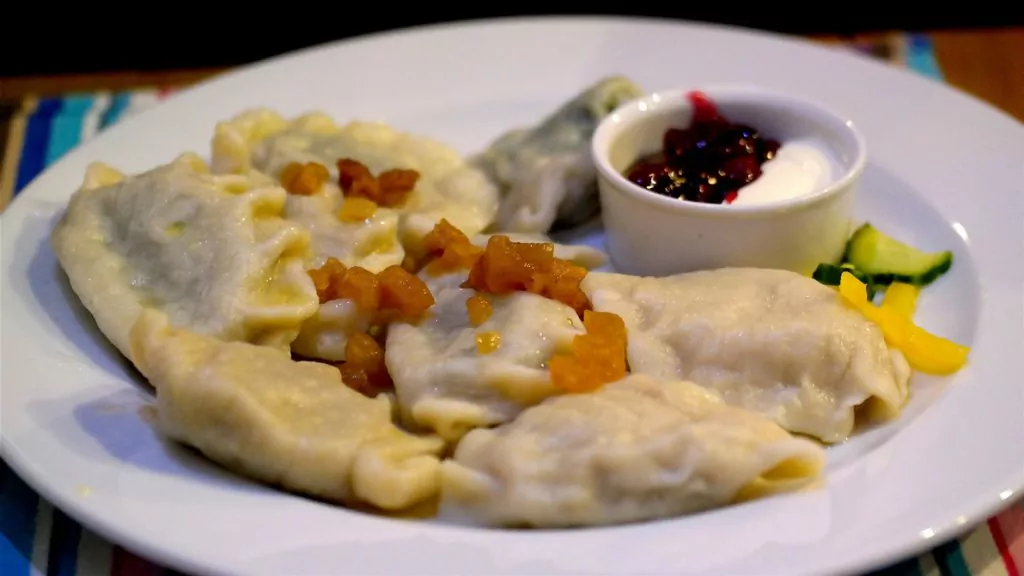
5. Philippines – Noche Buena and our own Christmas dinner
Christmas is a big holiday in the Philippines and an important tradition is Good Night, when families gather around the meal on Christmas Eve. Another tradition is Simbang Gabi, a series of nine fairs leading up to Christmas. In connection with these, you can, among other things, come across Christmas delicacies bibingka and puto bumbong.
We got to experience Filipino Christmas food ourselves when we celebrated Christmas and New Year in Sabang near Puerto Galera in 2013. On Christmas Day, we were invited to the home of the couple who ran the hotel where we were staying. What hospitality!
We sat in their kitchen and were served rice, shrimp, chicken and pork dishes, among other things. For dessert, we had green jelly and sweet sticky rice – sticky rice – wrapped in banana leaves. It's hard to think of a better way to get to know a country's Christmas traditions than to actually share the Christmas meal with people who live there.

6. Finland – ham, fish and Christmas boxes
Finnish Christmas food has a lot in common with Swedish food, but also its own distinct specialties. The Christmas ham has a central place on many Finnish Christmas tables and is complemented by fish and various pickles, among other things.
Particularly typical are the Finnish ones the boxes. Carrot salad, turnip salad and potato salad are classic examples, and you can also find rosolli, a salad that contains beetroot, among other things.
Rice porridge is also part of Christmas. Lutfisk remains as an older Christmas tradition, but is hardly something that all Finns eat.
7. The Netherlands – the gourmet around the table
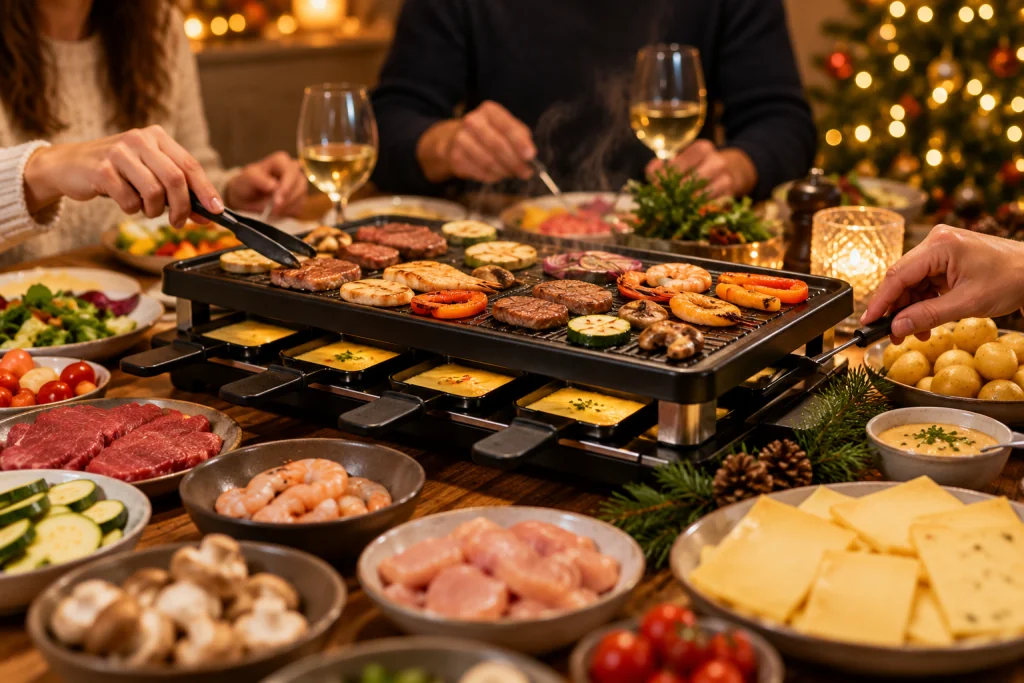
In the Netherlands, there is a Christmas tradition where the social aspect around food really takes center stage: gourmet eating.
Family and friends sit together around the table and cook small pieces of meat and vegetables on a shared electric grill or in small pans. The meal can therefore last a long time and everyone gets involved in the cooking. The Netherlands' official tourism website describes gourmett as a typical Dutch tradition during Christmas.
Among the Christmas sweets there are also Christmas chair, a fruit bread with almond paste, and Christmas wreaths, small cookies that look like Christmas wreaths.
8. Japan – KFC became a Christmas tradition
Japan perhaps shows more clearly than any other country that Christmas traditions can actually be created in modern times.
Christmas does not have the same religious significance there as in many Christian countries, but in the 1970s Kentucky Fried Chicken began marketing the concept. Kentucky for Christmas. The campaign was launched nationally in 1974, and KFC fried chicken has since become associated with Christmas for many Japanese.
Another modern Japanese Christmas classic is Christmas cake, usually a fluffy sponge cake with whipped cream and strawberries. Fried chicken and strawberry cake, that is. Who said that Christmas food has to date back to the Middle Ages?

9. Norway – ribbe or pinnekjøtt?
What is on the Norwegian Christmas table varies depending on where in the country you are.
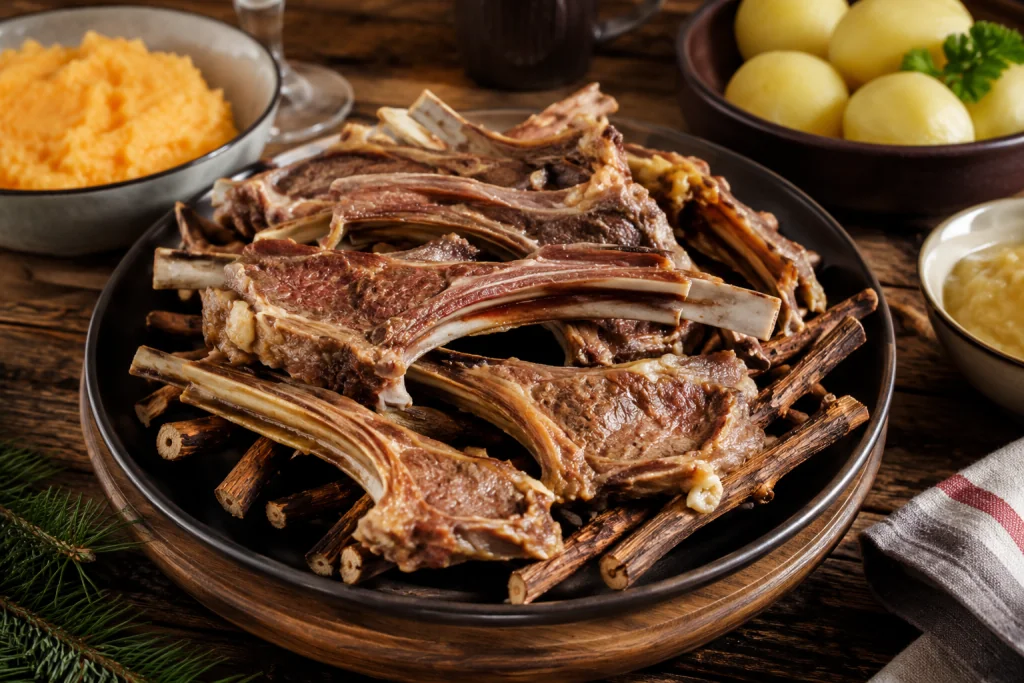
Two of the great classics are rib, pork ribs, and pork knuckle, salted and dried – sometimes even smoked – ribs of sheep or lamb. Ribbe is often served with potatoes, sauerkraut and sauce, while pinnekjøtt is often combined with potatoes and mashed turnips.
Lutfisk is also part of Norwegian Christmas and is served with various side dishes, but just like in many other countries, there are large regional and family variations.
10. Italy – fish, panettone and regional traditions
It's hard to talk about and Italian Christmas dinner. Italy has strong regional food traditions and what is served at Christmas varies greatly between different parts of the country.
In many areas, seafood plays an important role on Christmas Eve, which is related to Catholic traditions of abstaining from meat. On Christmas Day, the festive meal may instead include pasta, stuffed pasta or various meat dishes – but the variations are great.
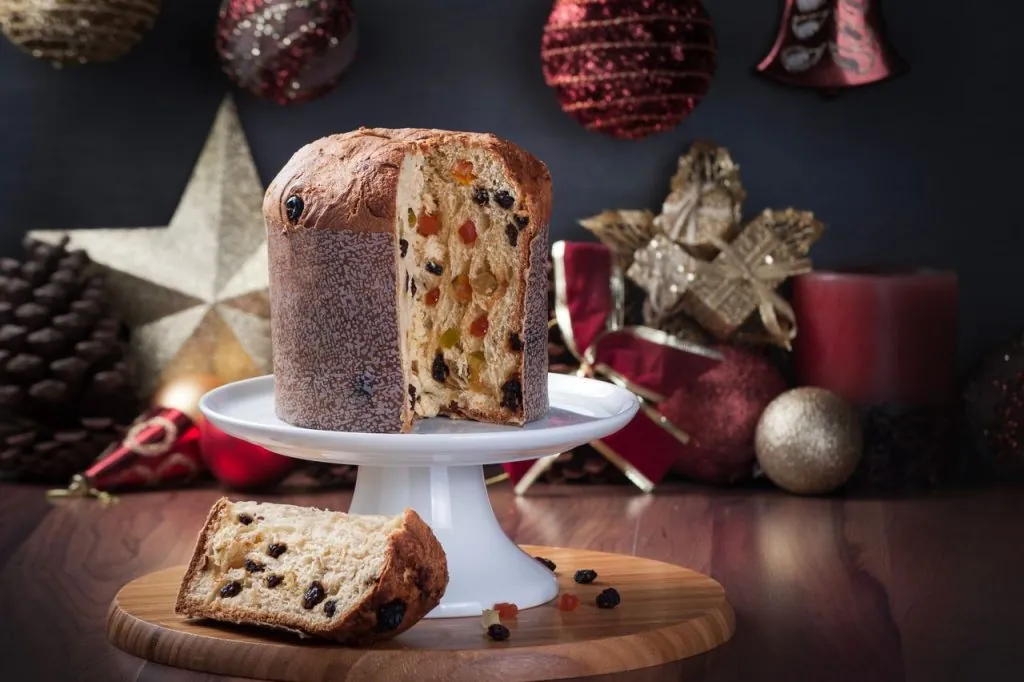
Two Christmas classics, however, have spread throughout the country: panettone and pandoro. Panettone originally comes from Milan and contains raisins and candied fruit, while pandoro is associated with Verona and is a soft, star-shaped cake that is often dusted with icing sugar.
11. Latvia – gray peas with symbolism
In the old version of this article, we wrote that the Latvian Christmas table must contain exactly nine dishes, each with a specific meaning. When we updated it, we didn't find enough support for that neat list – so it's out.
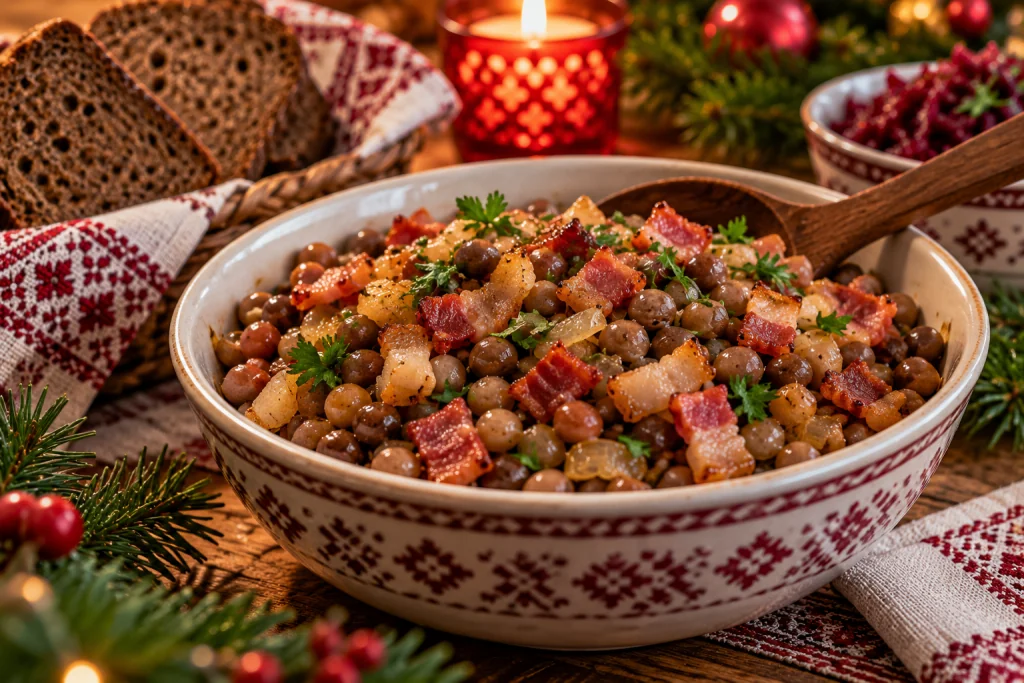
One tradition we would like to keep, however, is peas, which is often served with bacon or pork and onions. The peas are strongly associated with Latvian Christmas and have also had symbolic meaning linked to prosperity, among other things.
There are of course many other dishes on the Latvian Christmas table, but just like elsewhere, traditions vary between families and different parts of the country.
12. Croatia – Bakalar and our Christmas in Split
Croatia is another country where Christmas food varies regionally. Along the coast, bakers, dried and salted cod, a dish strongly associated with Christmas Eve.
We have actually tried it ourselves. When we celebrated Christmas in Split in 2022, we visited the traditional restaurant Konoba Varoš on Christmas Eve. The staff told us that they had prepared a traditional Christmas dish in honor of the day and asked if we wanted to taste it. Of course we did.
We were served bacalar in the form of a kind of fish stew. The taste was reminiscent of the Portuguese bacalhau tradition – which is not surprising since it is also based on dried and salted cod. It may not have become our new favorite dish, but it was very fun to try local Christmas food on Christmas Eve.

During Advent in Split we also ate fry, small fried pastries that are a bit like doughnuts and are part of the Croatian Christmas and Advent season.
READ MORE: Christmas in Split – this is how to celebrate Christmas in Croatia

13. Czech Republic – carp and potato salad
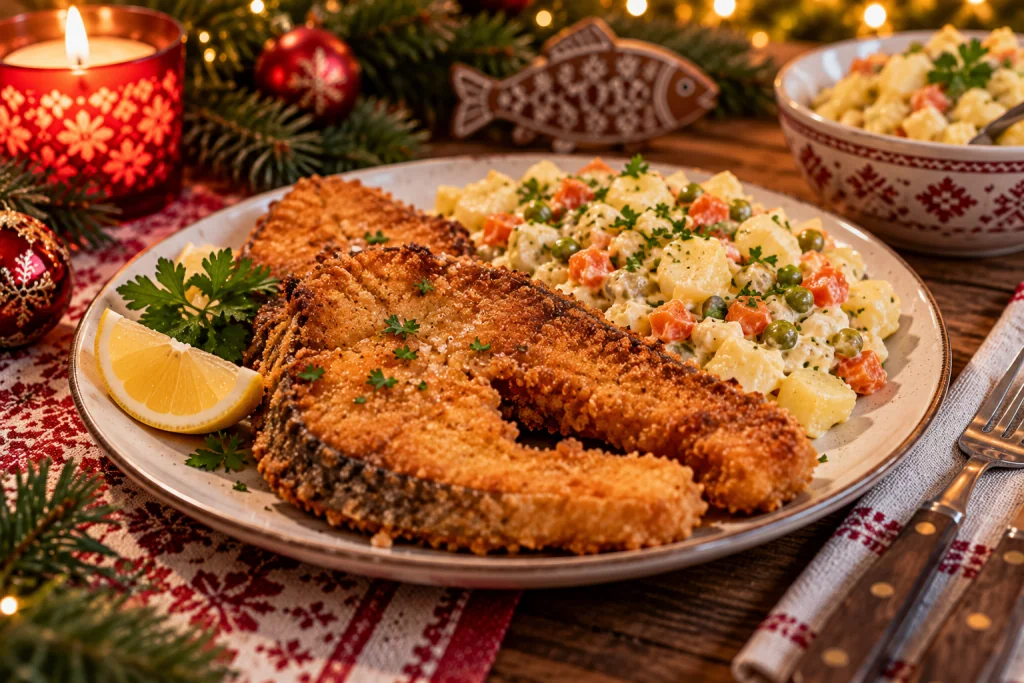
In the Czech Republic, fried carp with potato salad a classic Christmas Eve dinner. There is also fish soup with carp.
There is also a fun tradition surrounding carp. Carp scales have been associated with money and prosperity, and a scale can, for example, be kept in the wallet to ensure good finances in the coming year.
Then, of course, all the beautiful little Christmas cookies are part of the Czech Christmas. They are baked in countless shapes and varieties and are at least as decorative as they are edible.
14. Peru – turkey, panetón and hot chocolate
In Peru, the Christmas feast may include, for example, stuffed turkey or suckling pig, but one of the most interesting traditions actually originated on the other side of the Atlantic.
Panettone is the Peruvian version of the Italian panettone and has become a true Christmas classic. The sweet cake with raisins and candied fruit is often eaten with hot chocolate.
It's a fine example of how food traditions can travel the world, change, and ultimately feel completely natural in their new place.
15. Germany – goose, red cabbage and Stollen
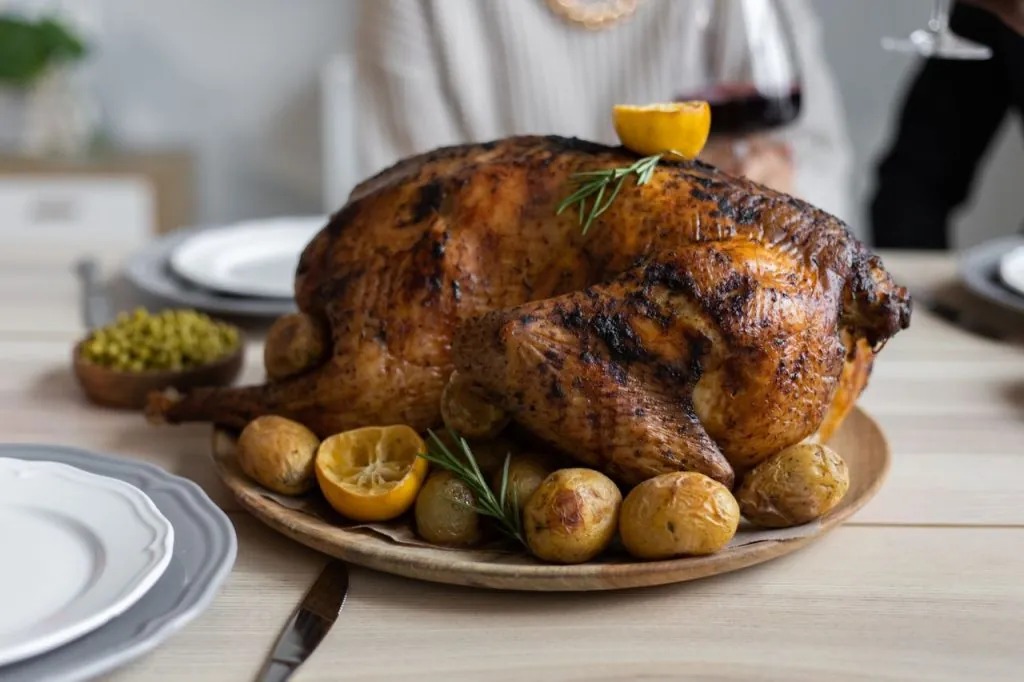
Germany is another country where Christmas food varies greatly between regions and families. For example, the festive table may feature goose or duck along with red cabbage and dumplings, while carp has a stronger tradition in some parts of the country.
One of the most distinctive German Christmas specialties, however, is The Stollen. It is a heavy, sweet bread or cake with, among other things, dried fruit and often almonds or almond paste, heavily dusted with icing sugar. Particularly famous is the Dresdner Christstollen from Dresden, where the Stollen tradition has very old roots.

16. Greenland – local ingredients meet Danish Christmas traditions
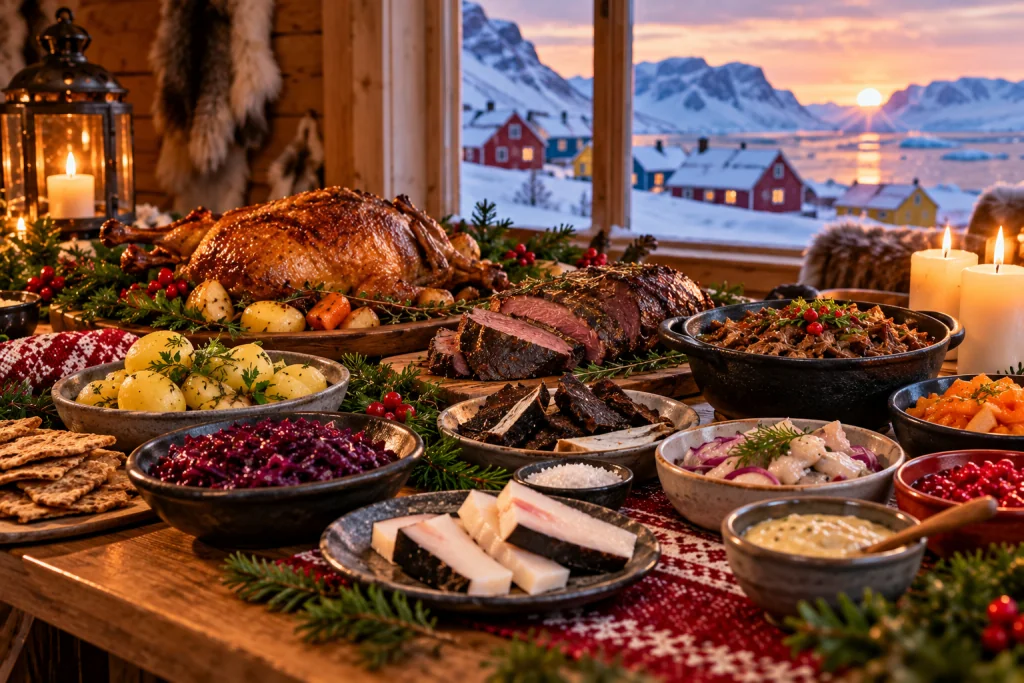
Christmas food in Greenland reflects both Danish influences and the country's own ingredients and food traditions. The Christmas table may feature things like duck and pork, but also local ingredients like lamb, reindeer, musk ox and poultry.
A traditional Greenlandic specialty is carpet, skin and blubber from whales, such as narwhals or belugas. Mattak is not a dish that all Greenlanders necessarily eat at Christmas, but it is part of the country's traditional festive food.
This is also a good example of why you should be a little careful with statements like ”in country X people eat Y for Christmas.” The Christmas table can look very different even within the same country.
17. Great Britain – turkey, pigs in blankets and Christmas pudding
The British Christmas dinner is perhaps one of the Christmas meals that feels most familiar from films and TV series. The centerpiece is often an oven-roasted turkey, along with stuffing, roast potatoes, vegetables and gravy. Another popular side dish is pigs in blankets – small sausages wrapped in bacon.
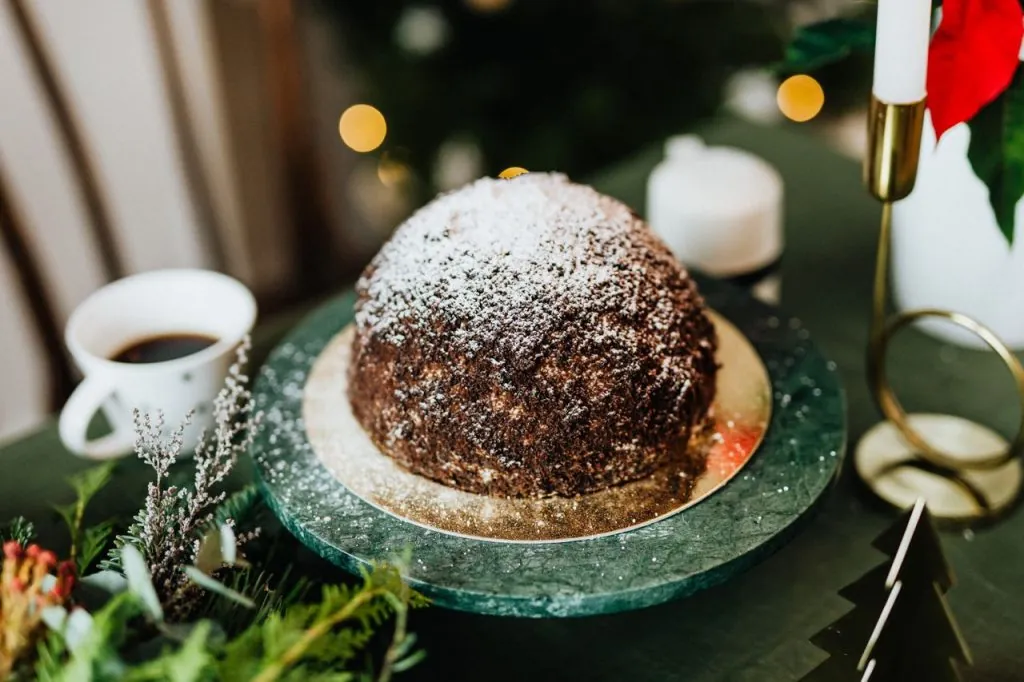
Christmas also includes mince pies and the mighty Christmas pudding, filled with dried fruit and spices. Historically it was also called plum pudding, where the word plum could be used for dried fruit rather than fresh plums.
But even the classic British turkey is not as timeless as you might think. Goose was long a more important Christmas bird, while turkey gradually took over and became the dominant Christmas roast during the 20th century.
What do people eat for Christmas around the world?
After this food journey, perhaps one thing above all else becomes clear: Christmas food says a lot about the place where it is served.
Local ingredients play a role, of course. In Greenland, local Arctic ingredients meet Danish influences, while lamb has a clear place in several North Atlantic food traditions. Religion has also influenced Christmas food. Traditions around fasting are one reason why fish has taken on such a strong role on Christmas Eve in countries such as Poland and parts of Italy and Croatia.
Food can also be full of symbolism. Poland's twelve dishes and Latvian grey peas are examples of how what you eat has been linked to hopes for a good new year.
At the same time, food travels the world. Italian panettone became Peruvian panetón. And traditions don't even have to have particularly old roots. In Japan, an advertising campaign in the 1970s helped create a Christmas tradition around fried chicken.
That's perhaps what's most fascinating about Christmas food traditions. We tend to think of them as ancient and unchanging, but in reality they're constantly changing.
Our experiences with Christmas food abroad
We have celebrated Christmas in quite a few places over the years, but there are two Christmas meals in particular that stand out when we think of local Christmas food.
One is Christmas in the Philippines, when we were invited to the homes of the people who ran our hotel and got to share their food and Christmas celebrations. The other is Christmas Eve in Split, when we happened to end up at a restaurant that had baked goods in honor of the day and got the chance to try them.
The more we travel, the more exciting it is to try the food that belongs to the place we are in. We can eat Swedish Christmas food at home. Bakalar on Christmas Eve in Split or a Filipino Christmas meal at a family's home in Sabang, on the other hand, become travel memories for a lifetime.
READ MORE: Celebrating Christmas abroad – our experiences
And perhaps it's the food that makes Christmas traditions around the world so fun to discover. The same holiday can taste like rice pudding with cherry sauce, fermented skate, carp, Christmas pudding – or a bucket of fried chicken.

You might also like:
 Facts about lussekatter - 12 things you (maybe) didn't know?
 13 dishes on the Christmas table - the history of Christmas food
 Regional specialities on the Christmas table – from Norrbotten to Skåne
 16 Swedish dishes that we have offered our foreign guests
 Christmas spices - Aunt Anna spices up life
 New Year is a time for hope for the future – 7 New Year's dishes that represent luck and good fortune



 English (UK)
 Svenska
Ann says:
God what a fun post, brilliantly well researched.
Considering how full you always are on Christmas Eve, play with the idea of eating 12 dishes 😛.
04 December 2018 - 6:59
Helena says:
Let's hope that those dishes are a bit smaller 😉.
04 December 2018 - 11:40
Britt-Marie Lundgren says:
What a great and informative post (my goodness, the work you put in).
I have never celebrated Christmas outside Sweden and probably only have two musts on the Christmas table; a hard wheat barrel bread according to my grandmother's recipe and a good Jansson!
04 December 2018 - 7:44
Helena says:
Yes, a lot of work to compile! I think these things with food and traditions are fun! I have endeavoured to get everything right, but there are certainly details that can be corrected. The best thing about a blog is that there will always be a reader who sees if something is a little wrong, and then I can correct 😉 Jansson is probably my favourite too! 🙂
04 December 2018 - 11:43
Ama de casa says:
If I have to choose one of those Christmas tables, I think I would go for the French one 🙂 .
I have a friend who was born and raised in Czechoslovakia and she told me that they always kept carp in the bathtub for Christmas dinner. It was fresh, for sure 😀.
Great post with many exciting traditions that I had no idea about. I think the Japanese one is the most "bad" - with the extremely good food they have there, so they choose KFC???? But on the other hand, they have their good food the other 364 days 😀.
04 December 2018 - 9:34
Helena says:
The French know this with food! 🙂 Carp in the bathtub haha, then they are fresh! 😉 And haha, yes I probably also prefer the other 364 days in Japan 😉.
04 December 2018 - 11:44
Monet says:
The French Christmas table is traditionally not quite like that. What you described sounds more like a fancy New Year's menu. You have an apéritif with snacks, a starter which can consist of both foie gras and especially oysters (not lobster) but the main course is turkey here too. Regular whole roast. Then the traditional cheese tray and the Christmas log "bûche de Noël". Or as in Provence "the thirteen desserts". You drink bubbles with the aperitif and red or white wine with the other dishes. The Swedish Christmas table is much more varied and delicious, French Christmas Eve dinner is like a better four-course meal, while New Year's Eve is luxury and excess!
04 December 2018 - 10:27
Helena says:
So good that there are eyes to see if everything is not quite right. I will clarify that it is a three-course menu so it will be clearer and more correct! Thank you!
04 December 2018 - 11:46
Ditte says:
Food and traditions are fun and there are a lot of differences. Fun list! For myself, I'm going with the French and with some seafood that we've eaten when we've been there during Christmas in the past. I will skip the goose liver. Even the Italian Christmas table feels good. But Christmas food in general is not exactly my favourite. Not here at home either.
04 December 2018 - 13:55
BP says:
My God, what a fun read! Love it!!! Good research from your side there.
Totally unexpected with KFC in Japan! I thought the Japanese with their delicious food knew better, but apparently not.
Then I thought it was funny that lutefisk is not only eaten in Sweden - one of my Christmas Eve favourites.
Christmas food in Greenland is probably the least appealing. Read on another blog about that whale skin soup, which doesn't seem to be a big deal....
But it's not carp either, for that matter, and that fish seems to be eaten in more countries. Yep, it's actually also available at Hötorgshallen.
05 December 2018 - 0:56
Lena - gott för själen says:
Hehe, KFC in Japan! Feels a little odd, I have to say 🙂
Hug Lena
07 December 2018 - 7:36