

Writer: Helena Bergström
Updated August 2026 | The island of Pag in Croatia is an elongated windswept island that is famous for its salt production, its special sheep's cheese and its beautiful sandy beaches. You can come here to sunbathe and swim, enjoy beautiful nature and discover the island's history. We have checked out the historic town of Pag and the nice Camping Šimuni, with both campsites and cottages.
 Tweet
 Share
 Share
 Pin
 Share
 Share
Table of contents
Island of Pag in Croatia
The island of Pag in Croatia is located in Zadar County, in the south-west of the country. The oblong island, which is the fifth largest in the country, is connected to the mainland by a bridge. We reached the town of Pag by car from Zadar, which took about an hour.

Barren and dramatic
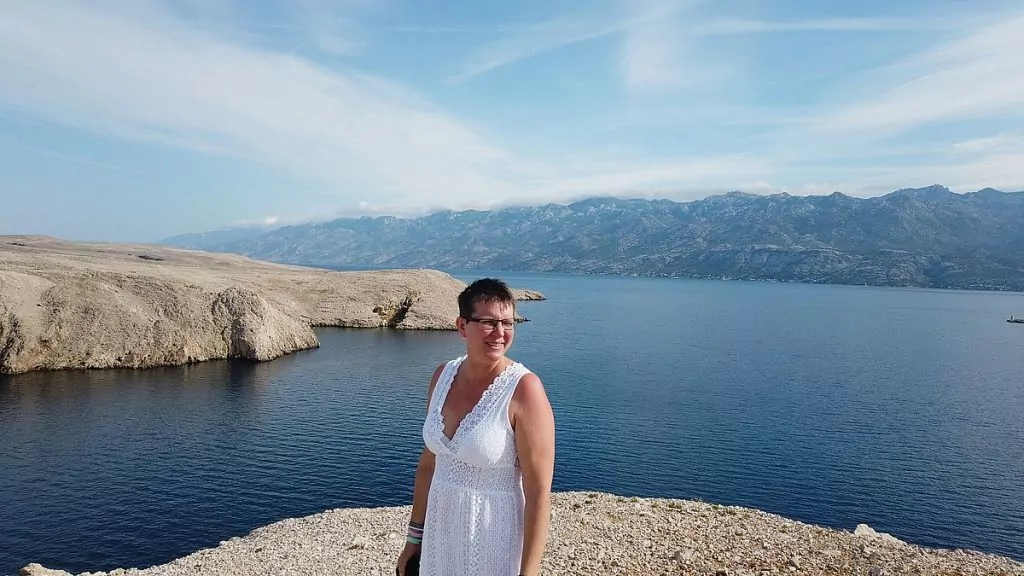
Crossing the bridge to the island of Pag in Croatia is like travelling to another country, or perhaps another planet. Pag is a barren, rocky and salty island. Several people we met told us about a wind called 'bura' - a strong northerly wind that blows salt water across the island.
The salty environment means that only certain extra-tough animals and plants can survive. Incidentally, the first thing you see when you cross the bridge to the island is the medieval defence building called 'Fortica'.

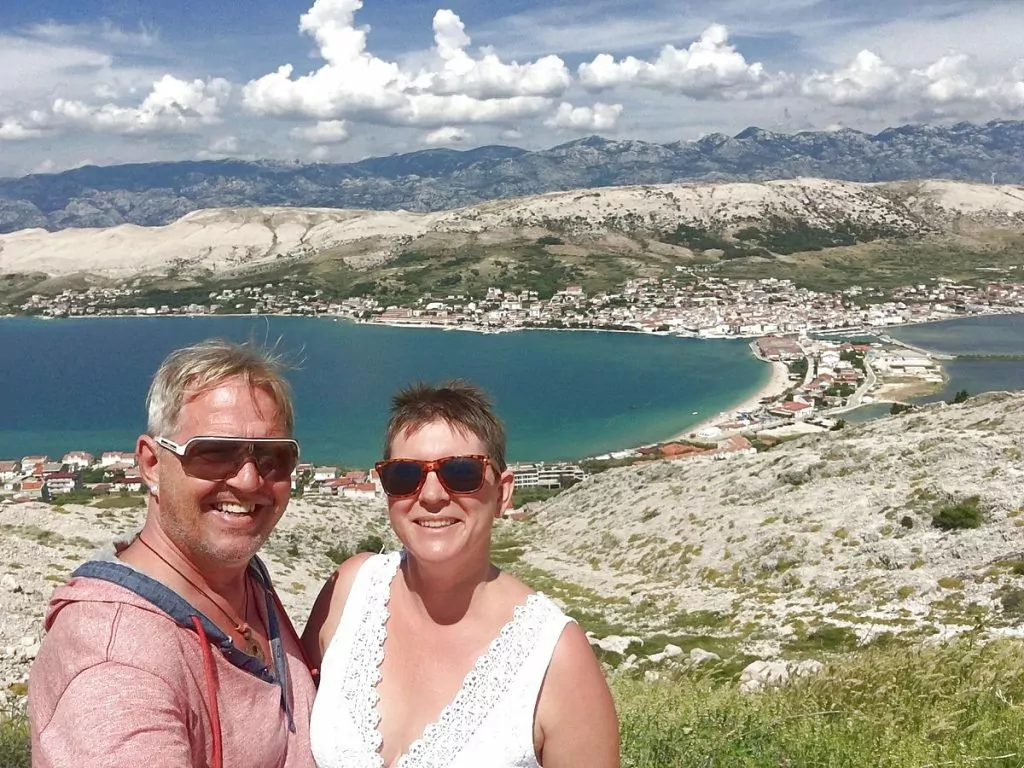
The town of Pag on the island of Pag
The town of Pag is the capital of the island of the same name. Originally there was another town (Stari Grad), but in the Middle Ages, fearing invasion by the Ottoman Empire, a new fortified town was built about three kilometres from the old one.
The new city was built between 1443 and 1447 and was equipped with a city wall and nine strong towers. There are only minor remains of the city walls today, and of the original nine towers, only one remains today - the Skrivanat tower.


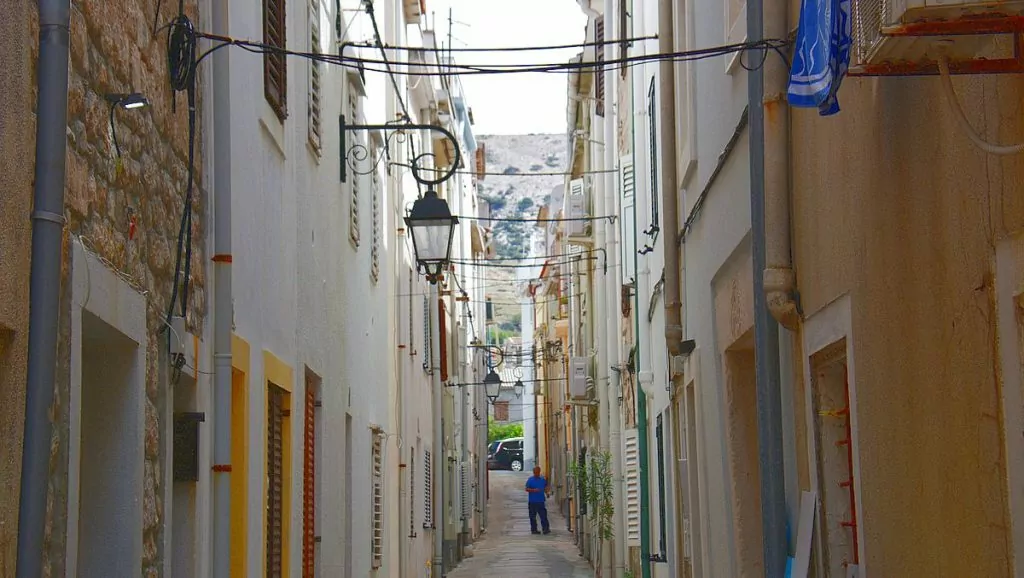
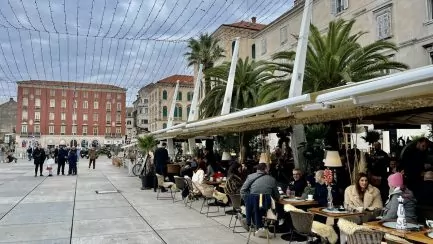
Apart from the wall, today's city looks much the same, with sturdy stone houses and narrow alleys. There are also plenty of cafés, restaurants and small shops selling clothes, jewellery and souvenirs. Peter bought two t-shirts here that he is really happy with!



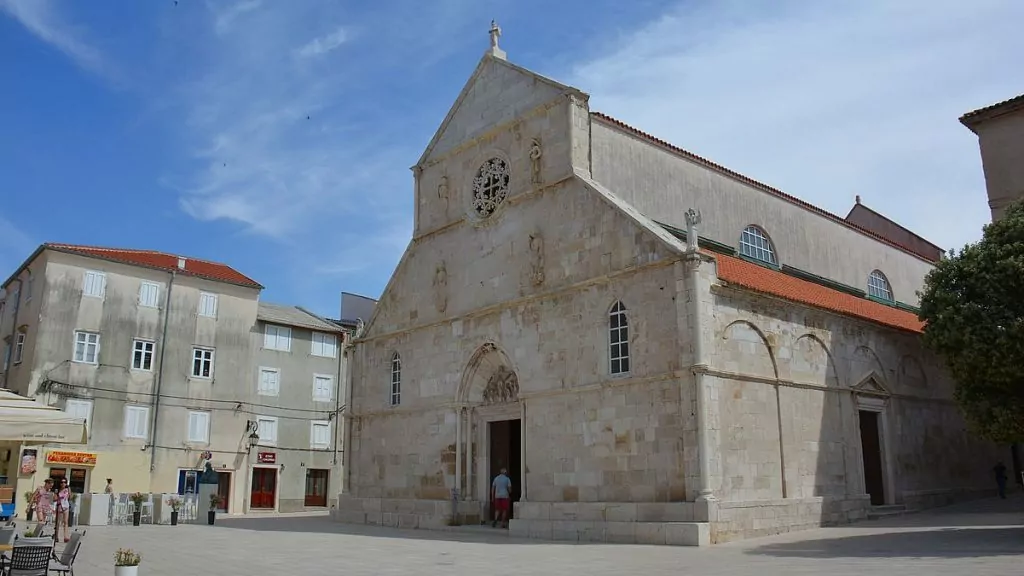
On the main square, Glavni gradski trg, St Mary's Church is a nice place to visit. The church, like most churches in Croatia, is Catholic, and many Croatians still enjoy going to church.

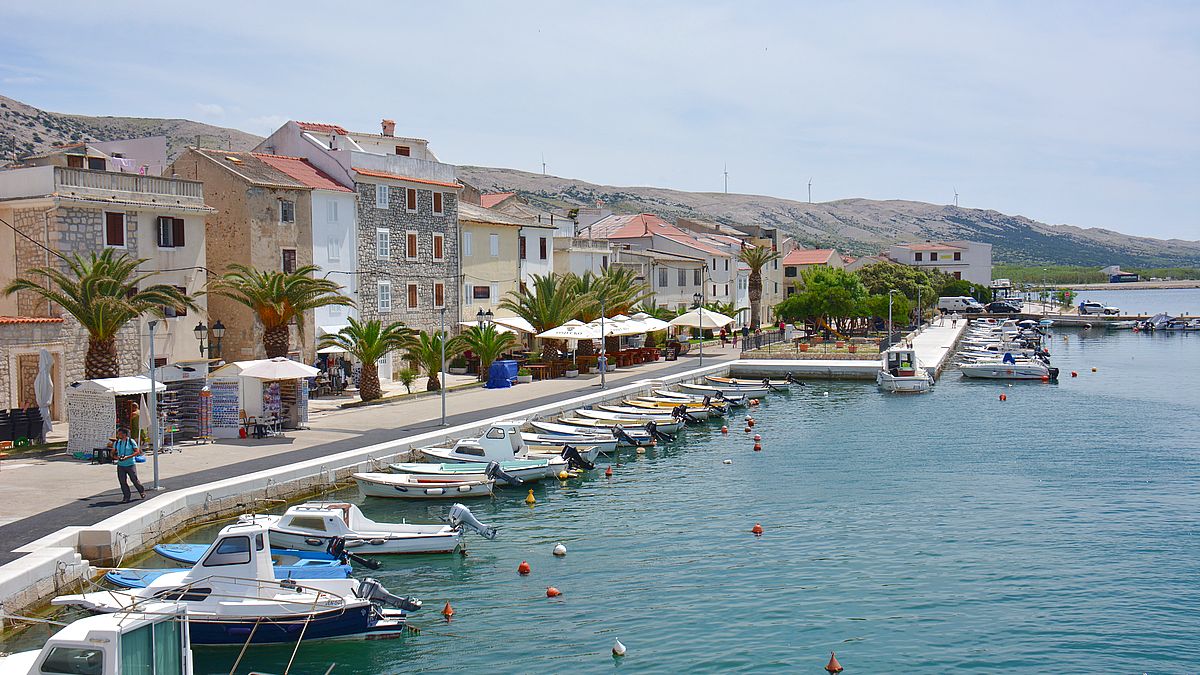
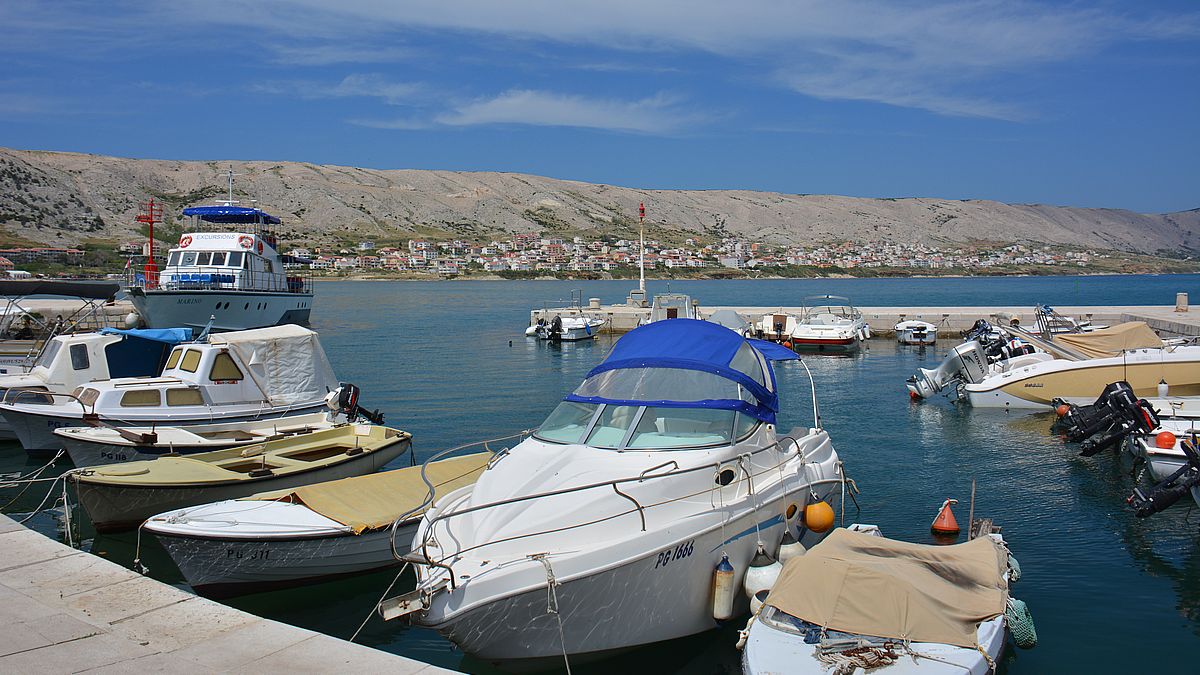
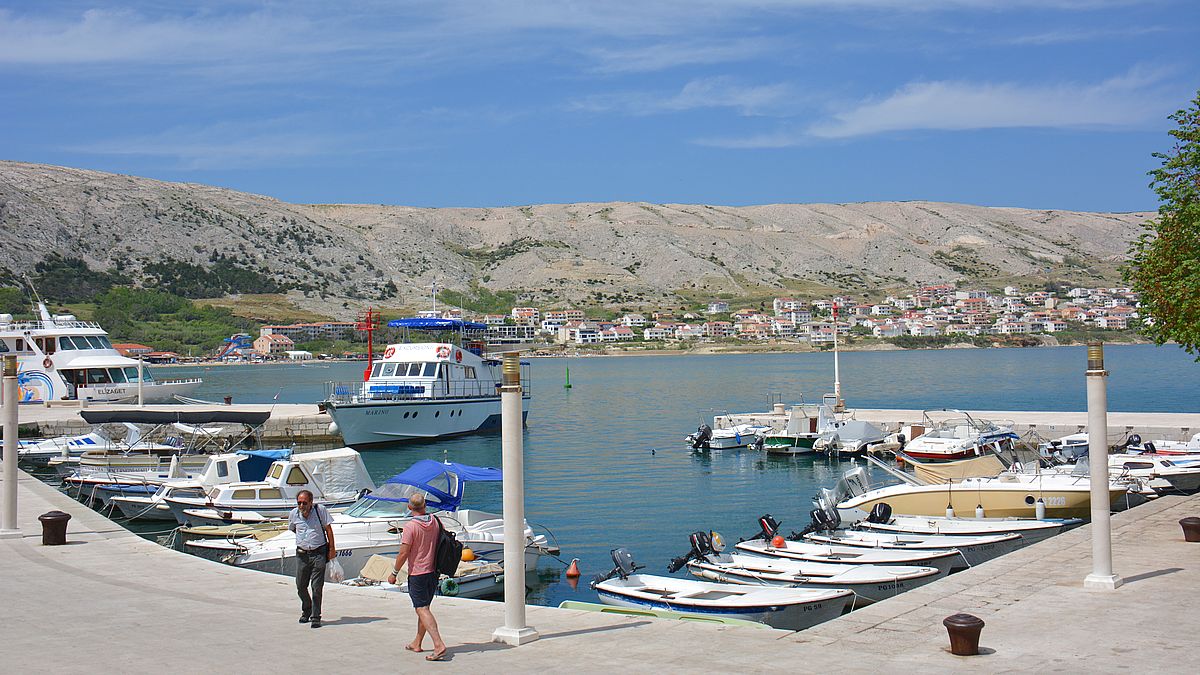
The town of Pag is on the waterfront, and it's nice to walk along the quay and watch all the little boats. We had lunch at a restaurant on the street Šetalište Vladimira Nazora. The food was quite ordinary, but the service was good and the view over the water is fantastic!


Lace - once an important livelihood
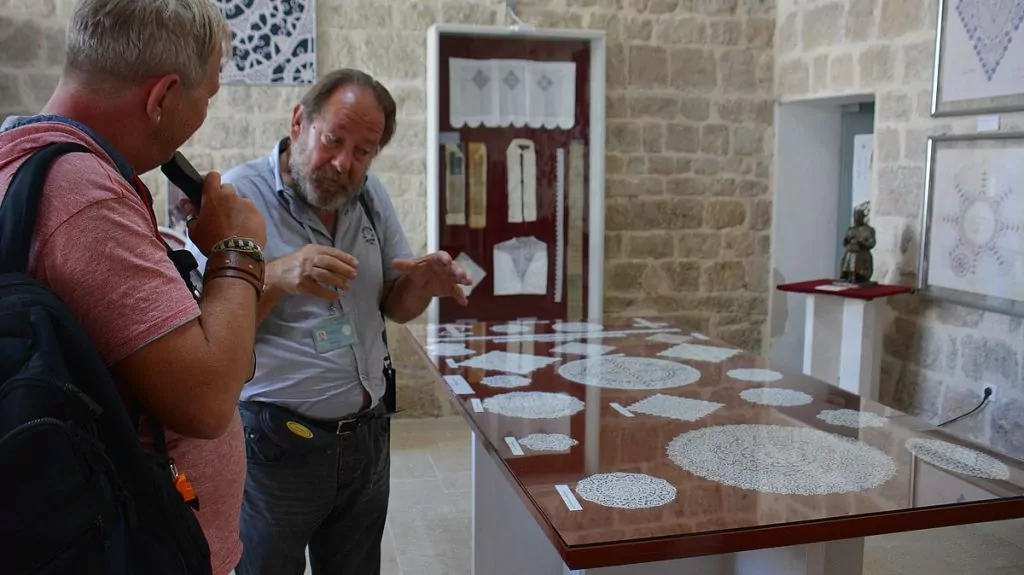
The town of Pag is famous for its lace making - so famous, in fact, that lace making is now a UNESCO World Heritage Site. Lace is still made in Pag, but of course not to the same extent as in the past, when it was necessary for a family's survival. All girls were taught how to make lace when they were young, and as they grew older they went to school where lace making was the most important subject.
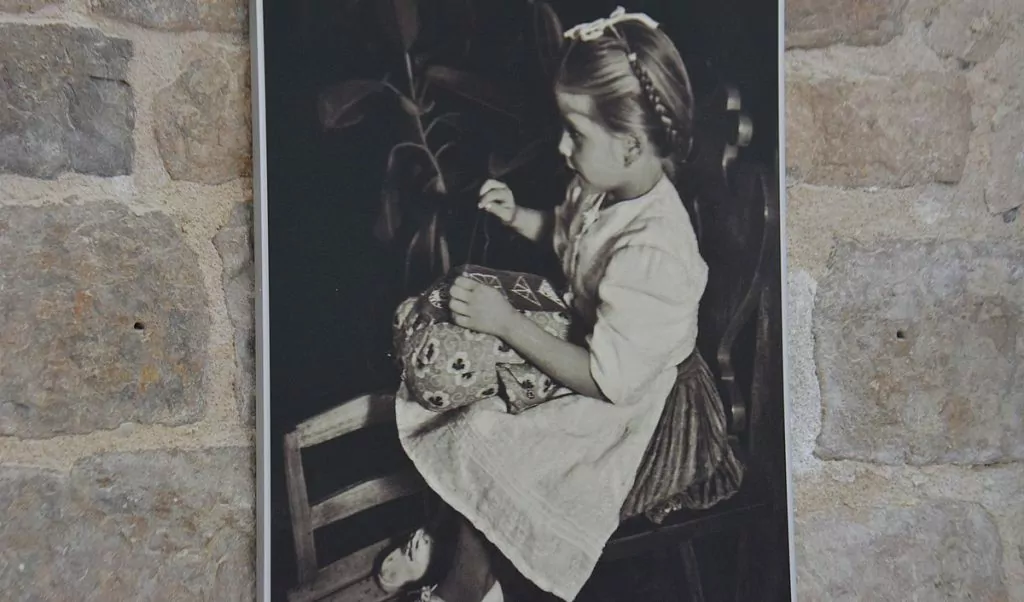
At least three men once made lace - but they did it in total secrecy because the craft was considered 'women's work'. They were caught out when their wives tried to sell the products, and other villagers became suspicious and started watching through a skylight...
Today, there is a small lace museum in the square in the centre of town, which can be visited for a small fee. You can also buy lace in several different places - but note that not everything sold around the city is genuine.
Salt - the white gold
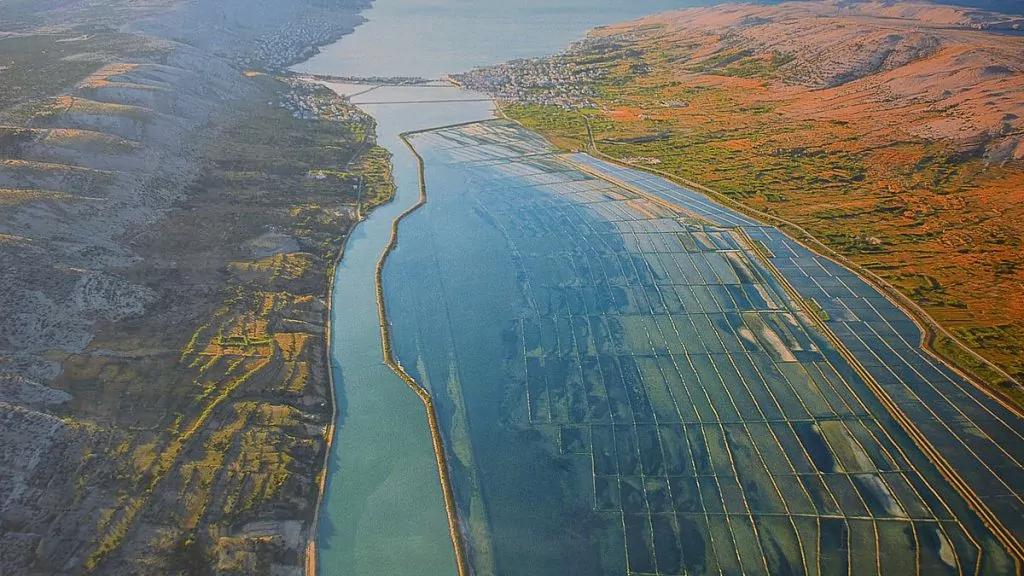
Another important product on the island of Pag is and has been salt - the white gold. In the past, salt was much more important than it is today. It was not only a flavouring agent, but also a prerequisite for survival. If you couldn't salt your food, you couldn't store it and there was a risk of starvation. There is a large salt factory on Pag, and the fact is that salt has been extracted here since Roman times.
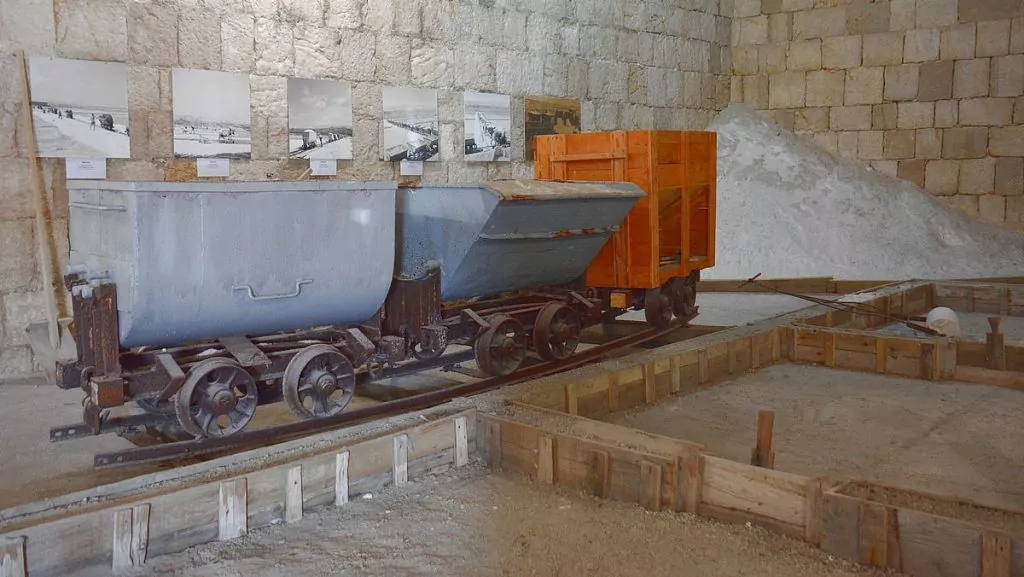
In the town of Pag today there is a small salt museum, which can be visited for a small fee. Here you can see photos of the hard work in the past and learn about the process of extracting salt.


Cheese - a real delicacy
The third product known from Pag is cheese. The cheese is simply called Paški sirthat is, "cheese from Pag". The cheese is a sheep cheese, and is immensely popular all over Croatia. When asked about the "secret", it turns out to be about the raw materials rather than the production process.
The sheep that roam the island are small and hardy, and the grass they eat is full of salt and minerals. Since there are only a certain number of sheep on the island, production is limited and the price is relatively high. But the cheese is really good - we promise!
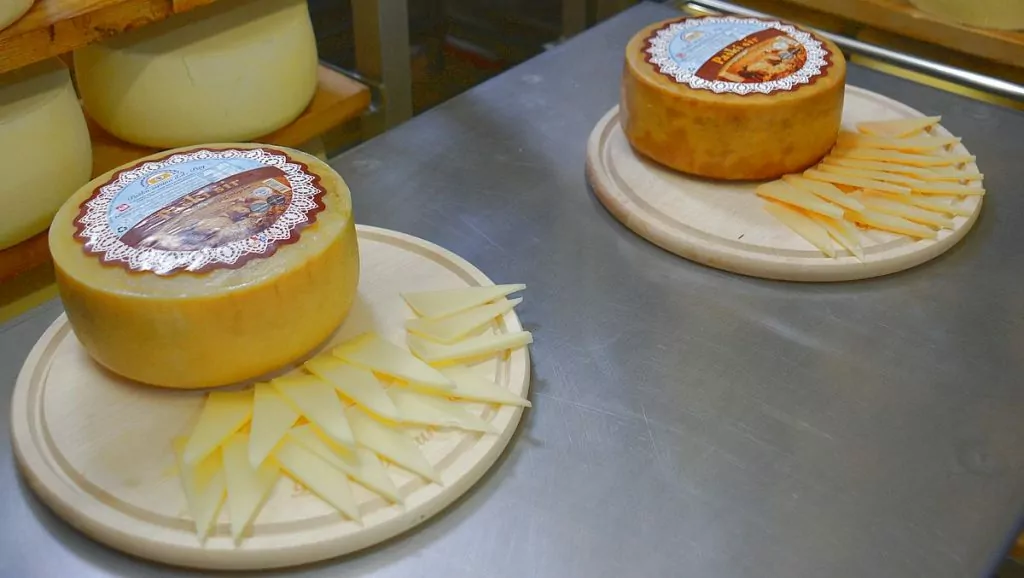
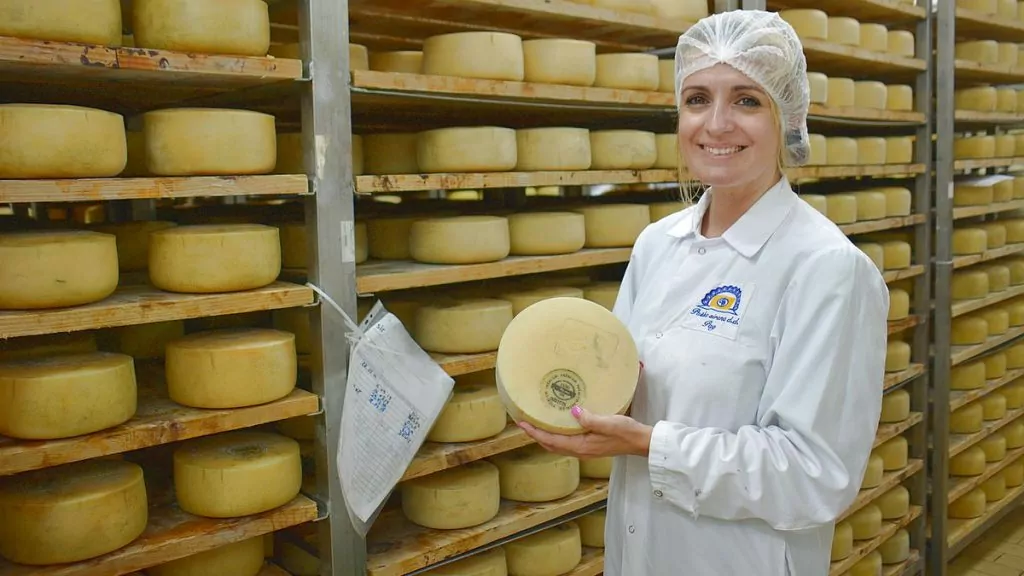
There are three cheese factories on the island and we visited the largest of them, Paška sirana. A variety of cheeses are made here, including cow's milk cheeses where the milk is imported from the mainland, but Paški sir is of course the crown jewel. Want to be sure you're buying genuine Pag cheese? Look for the stamp on the bottom of the cheese.

Party on the island of Pag in Croatia
Pag is also known for its wild parties. In a small town called Novalja, on the Zrce Festival Beach, young revellers from the UK in particular gather every year. Opinions on the whole thing seem to differ among the islanders.
Some are excited about the money that young people bring with them, and many private individuals are renting out accommodation through sites such as Airbnb. Others are unhappy with the noise level, the constant partying and the disorder that comes with drunkenness and disorderly behaviour. Everyone seems to agree that the partying stays in Novalja, and that the rest of the island is unaffected.
Camping Šimuni on the island of Pag in Croatia
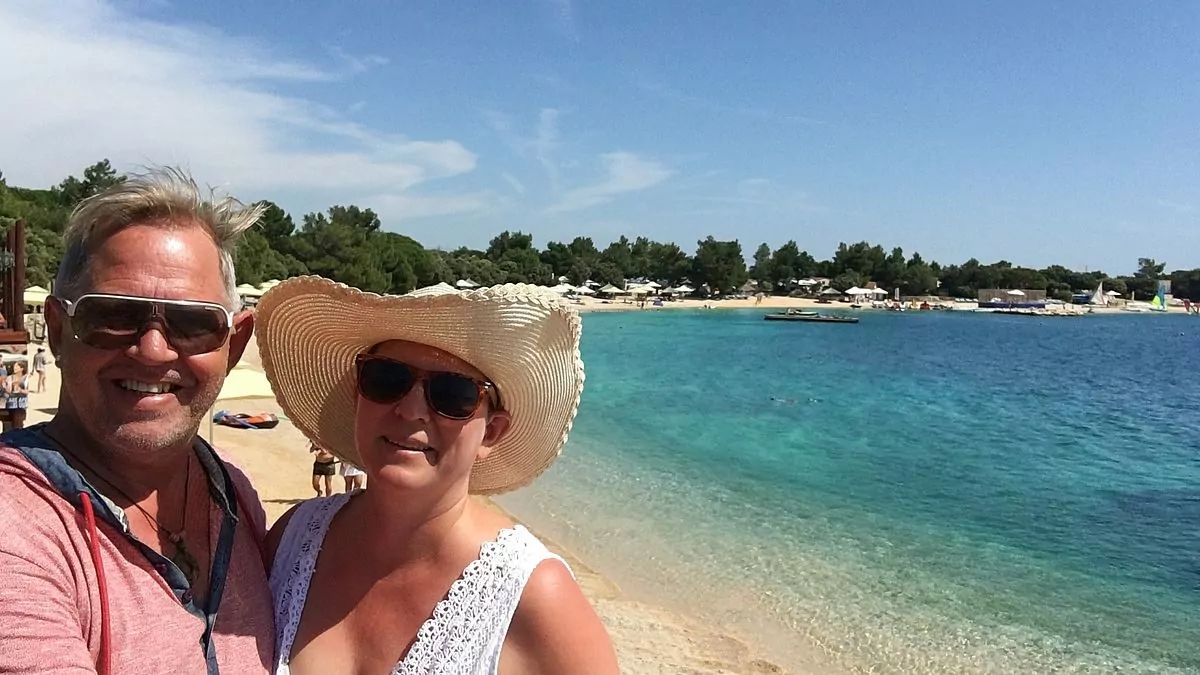
There are several campsites on the island of Pag in Croatia, and we visited one of them: Camping Šimuni, located fifteen minutes from the town of Pag by car. This is probably one of the nicest campsites we have ever visited (according to our taste). Camping Šimuni is not a budget campsite, but it is a very nice campsite.
Although the campsite is large, it has managed to create a personal and cosy feel. This is probably because they let nature take over. Trees grow wild across the campsite, and stone and wood have been used to build houses that feel natural in the landscape.


Beaches at Camping Šimuni
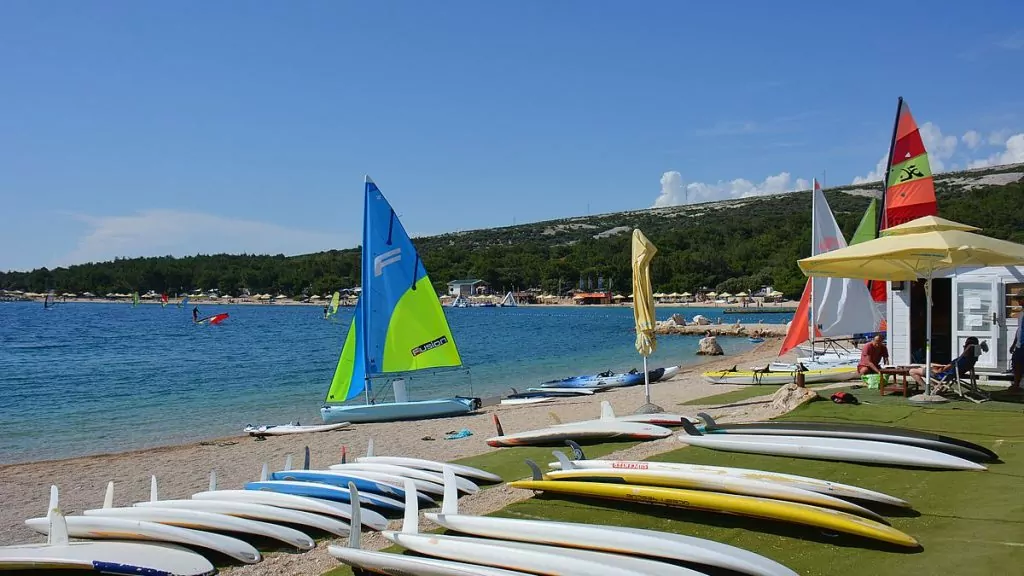
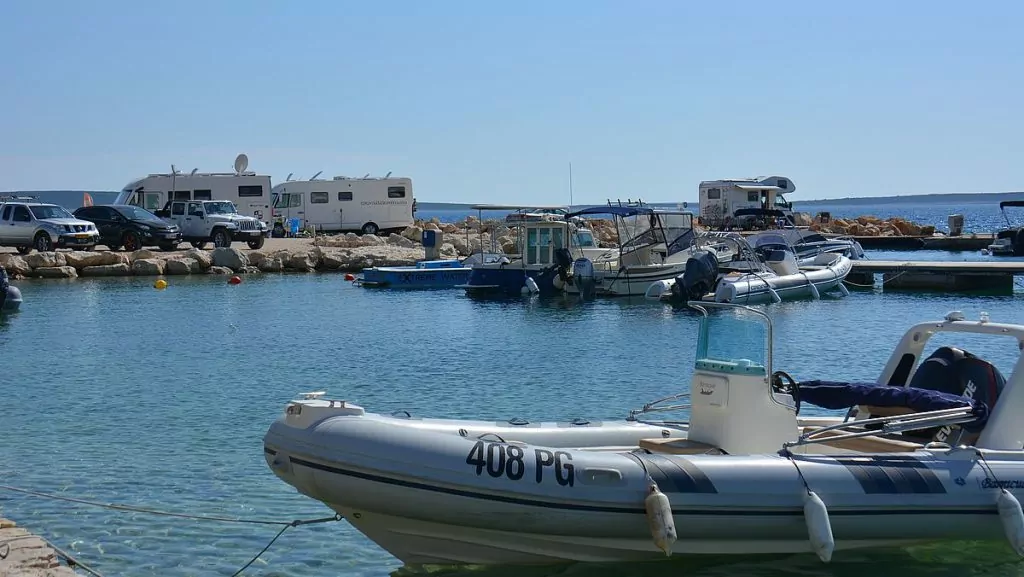
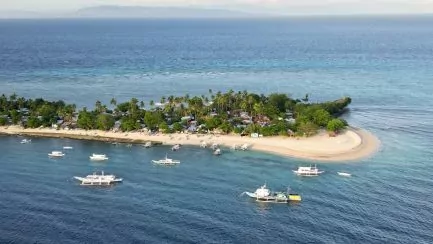
The campsite is best known for its beautiful beaches: Two Sailors beach, Diamond beach, Sea Pearl beach, White Seagull beach, Golden beach and Brilliant beach. Some of the beaches are mostly for sunbathing and swimming, while others focus on beach sports and surfing. In some places, motorhomes are parked right by the water.



Services at Camping Šimuni
Everything you need is available at Camping Šimuni, including shops, bars and restaurants. One of the restaurants specifically specialises in fish, and next to it is a shop that sells fresh fish in the mornings.
There are also activities for children and a beachfront wellness centre with various treatments. But there's one thing that isn't. There's no swimming pool, and you'll never ever to get, we are told. The focus here is on nature and the beach!


More to see and do near Pag
There is of course much more to see and experience near Pag. Here you will find more reports and tips:
FAQ – frequently asked questions about the island of Pag in Croatia
Where is Pag located?
Pag is an island in northern Dalmatia, Croatia, between the cities of Zadar and Rijeka. The island is connected to the mainland by the Pag Bridge in the south and also has ferry connections from Prizna to Žigljen.
What is Pag known for?
Pag is known for its barren, almost lunar landscape, long beaches and the famous sheep's cheese Paški sir. The island is also known for lace-making, salt production and the vibrant nightlife of Zrće Beach.
How to get to Pag?
The easiest way is to drive over the Pag Bridge from the mainland. There is also a car ferry between Prizna and Žigljen, which is a convenient option if you are coming from the north.
How many days do you need on Pag?
Two to four days are enough to experience the island's main attractions and beaches. If you want to combine beach life with hiking or explore several towns on the island, you are welcome to stay longer.
What is there to do on Pag?
You can swim at one of the island's many beaches, visit the historic town of Pag, taste the local sheep's cheese Paški sir or discover the salt fields where sea salt has been produced for centuries. The island also offers great opportunities for hiking and cycling.
Is Pag a good destination for swimming?
Yes, Pag has many nice swimming spots with clear water. There are both shallow family beaches and more secluded coves, as well as the well-known Zrće Beach, which attracts visitors from all over Europe.
Is Pag child-friendly?
Yes, the island is suitable for both families with children and other travelers. Several beaches are shallow and child-friendly, while there are quiet resorts beyond the more lively party areas.
When is the best time to visit Pag?
May, June and September are perfect months with pleasant climate and fewer visitors. July and August are best for a beach holiday, but that is also when the island is most bustling.
What should not be missed on Pag?
Don't miss the historic town of Pag, the traditional salt fields and the opportunity to taste the world-famous sheep's cheese Paški sir. If you like nature, the island's rugged landscape and viewpoints are also an experience in themselves.
Can you combine Pag with other destinations in Croatia?
Yes, Pag is often combined with Zadar, Paklenica National Park, the islands of Rab and Krk, and the Plitvice Lakes. Thanks to the bridge and ferry, the island is an easy stop during a drive along the Croatian coast.




 English (UK)
 Svenska
Ruth i Virginia says:
A strange pizza!
(Have to go to bed - it's midnight.)
22 June 2019 - 6:09
Helena says:
Haha, the pizza was a bit special! In Sweden, however, we are used to special pizzas, here anything can be on a pizza 😉.
22 June 2019 - 17:43
Matts Torebring says:
The pictures are breathtaking and enticing. In the early 2000s we spent several years in a row in Croatia. We love the sea, the clean water, the nature and the food. The campsites were not always top class. There are great exceptions. Then we have wanted to discover country after country, which we have also done. This year it was Norrland.
Last year we were full and really tired of, especially the traffic in Germany. This year it feels fantastic where we are, calm traffic, nice people, wonderful nature and only 60 miles home right now.
22 June 2019 - 9:49
Helena says:
Of course, it is important to find what you like yourself! I probably think that many campsites in Croatia are in top class today (almost so that I think they are a bit unnecessarily nice, haha) but of course it differs.
22 June 2019 - 17:45
Hasse says:
There is always a large piece, sometimes a very large piece of Paski Sir in the camper van after travelling. It is fantastically good.
22 June 2019 - 10:36
Britt-Marie Lundgren says:
What a cosy island!
We thought we had done Croatia, but there seem to be so many gems!
22 June 2019 - 11:04
Helena says:
Britt-Marie, a bit the same here actually. We almost thought we had done Croatia, but it feels like there is a lot left to discover! 😉
22 June 2019 - 17:46
Helena says:
Hasse, wonderful! The cheese is really good! 🙂
22 June 2019 - 17:45
Ditte says:
Nice with a visit here and great pictures. Extra fun also with an island that has not reached all the tourists yet. But maybe it's just a matter of time.
22 June 2019 - 12:52
Helena says:
At least it's good that Croatia has many islands to spread out the tourists! ??
22 June 2019 - 17:47
Ama de casa says:
"Say cheese!" HAHA! Pithy text to a good picture 🙂 See that you made more clothing finds than just a couple of t-shirts for Peter. Stylish! 😀
22 June 2019 - 18:40
Marina says:
Right now I'm here in cosy Povljana on Pag. There are not many outsiders who have found here yet. Amazingly beautiful sunsets and cosy evenings etc. Welcome!
22 June 2019 - 19:13
BP says:
Fantastic pictures! Imagine that an island you have never heard of can offer so much. Great fun actually! There does not seem to have been so many tourists there yet, as your pictures do not show many people. Just as well, then you did not have to crowd;-)
22 June 2019 - 19:58
Christine - 29° says:
So many nice pictures and wonderful things you are out on. 🙂
24 June 2019 - 9:32
Imre says:
Nin is windy, murky water, not so easily accessible beach, little shade and no food or drink outlets. Sunbeds are very expensive.
24 June 2019 - 15:53
Lena - gott för själen says:
That island seems very wooden and beautiful. Somehow it's very beautiful with that barren and Spartan thing. And the campsite looks very nice.
Hug Lena
26 June 2019 - 6:04
Anna, New York – My Bite of the Big Apple says:
Wow, what a rich and informative post! There certainly seems to be many reasons to visit Pag. Great pictures too!
30 June 2019 - 20:17