

Writer: Helena Bergström
Updated: August 2026 | What is there to see and do in Nin, Croatia? The small town just north of Zadar offers an unusually large amount of history in a small area. Here you can discover Roman remains, old churches and Croatian royal history – but also salt production, long, shallow sandy beaches and the special lagoon that surrounds the old town centre.
 Tweet
 Share
 Share
 Pin
 Share
 Share
Table of contents
Nin in Croatia
We visited Nin during a trip to northern Dalmatia and were surprised by how much the small town has to offer. We took a guided tour through the historic center, saw Roman remains and old churches, visited the saltworks, and ended with Queen's Beach and Nin's famous lagoon.
Things to see and do in Nin
Nin is a small town, but its limited area packs a surprising amount of history and several interesting sights. Here you can follow the footsteps of Romans and Croatian rulers, visit old churches, learn about traditional salt production and end the day with a swim from a long sandy beach. Here are our top tips for things to see and do in Nin.
1. Stroll through the historic center of Nin
Nin's old town is located on a small island in a shallow lagoon and is connected to the mainland by bridges. It is a small and easy-to-navigate town center where you can stroll among stone houses, narrow streets, churches and historical remains.
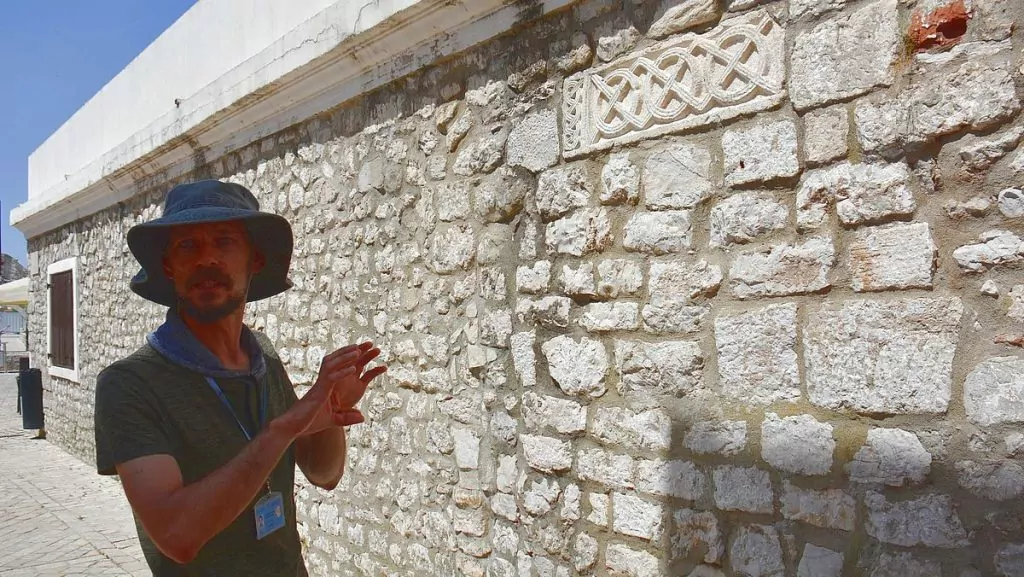
People have lived in the area for around 3,000 years, and within the small area there are traces from several different periods in Nin's history. We took a guided tour when we visited the town, which gave us a much better understanding of everything we saw along the way.


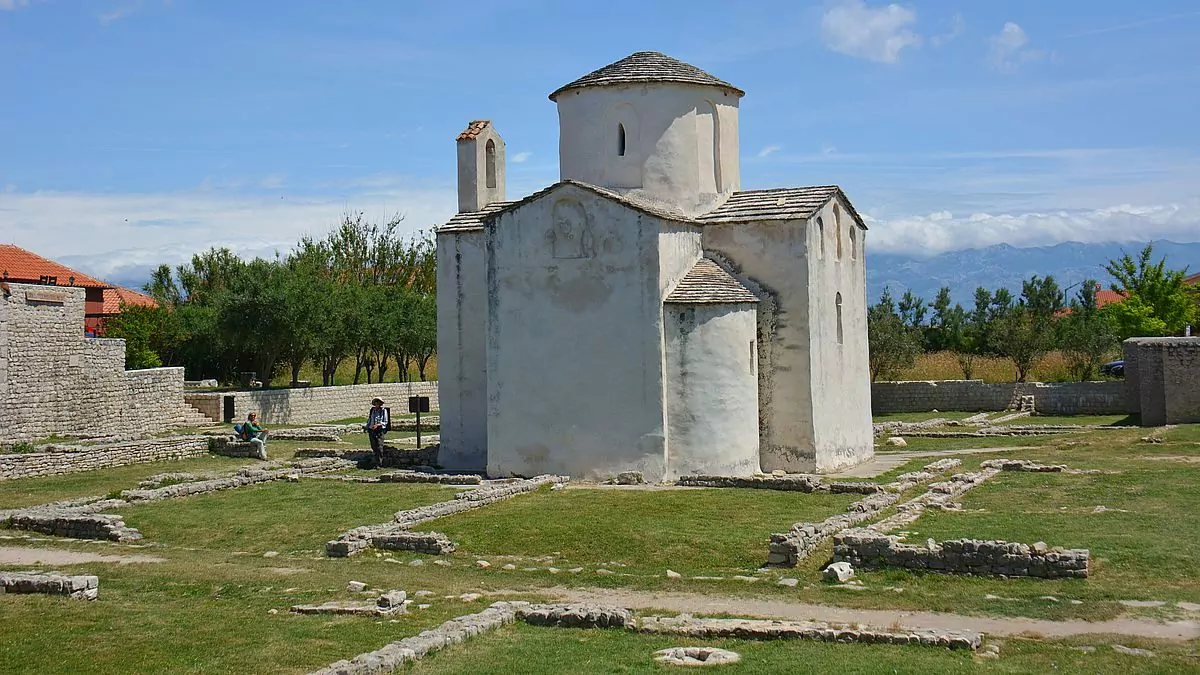
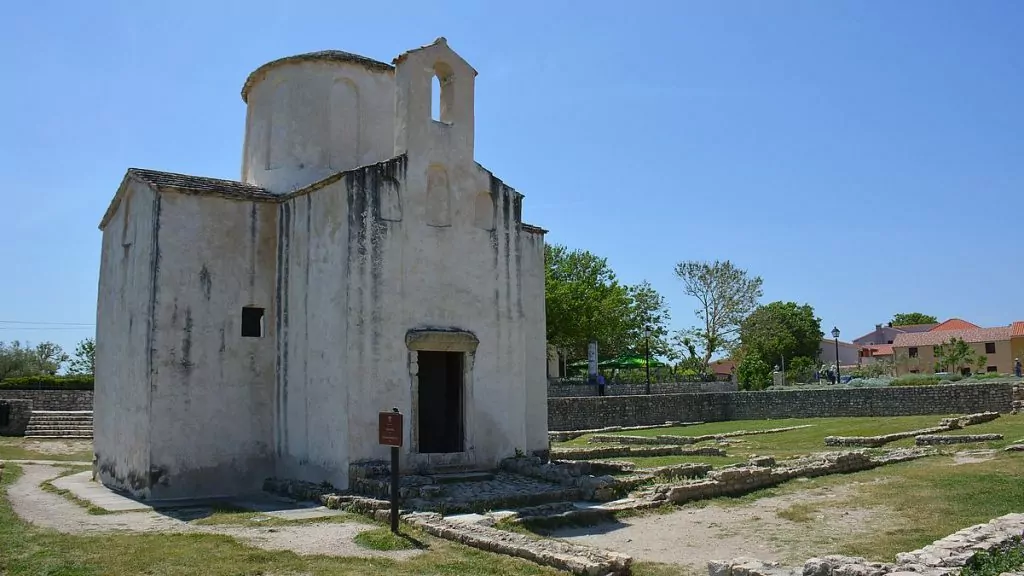
2. See the Church of the Holy Cross – ”the world’s smallest cathedral”
One of Nin's most famous buildings is the Church of the Holy Cross, Church of the Holy Cross. The small church was built in the 9th century and has become famous under the nickname "the world's smallest cathedral".
The name should be taken with a pinch of salt, however. The church was not a cathedral in the strict sense, but served as a court chapel during the time of the Croatian rulers. It was the English architect Thomas Graham Jackson who described it as the world's smallest cathedral – an expression that has since survived.

The church is also interesting because of its special design and location in relation to the sun. The movement of light through the building has been linked to the calendar and the changing seasons.
3. Discover the Roman Temple
Amidst the houses of Nin are the remains of a large Roman temple from the first century. The temple was once an impressive building and is considered the largest known Roman temple complex on the eastern side of the Adriatic.

Today, all that remains are foundations, parts of pillars and other stone fragments, but the remains still give an idea of how important the site was during Roman times. The fact that the Roman temple is located in the middle of the small town center is also a good example of how different historical eras coexist in Nin.

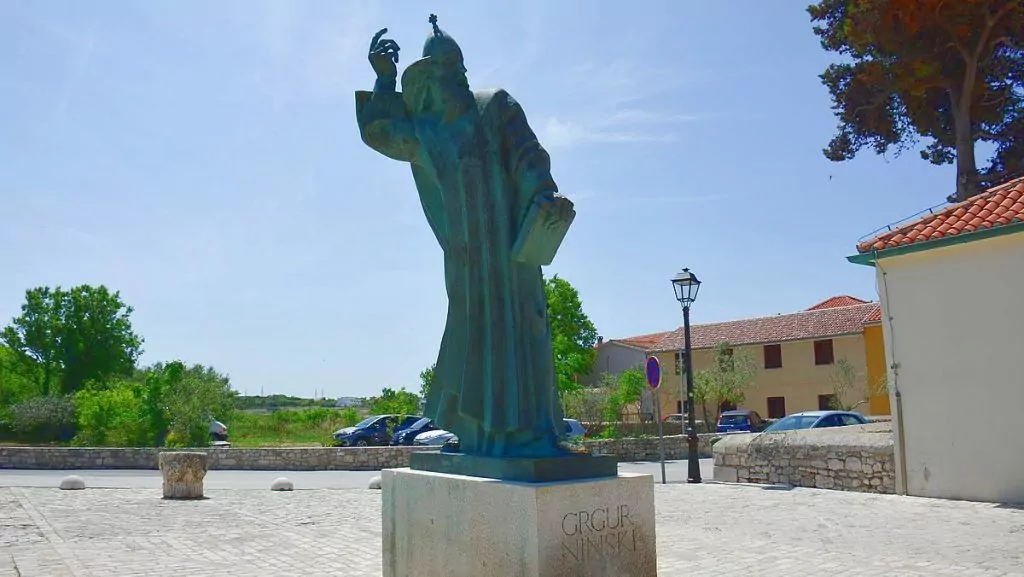
4. Greetings to Gregory of Nin
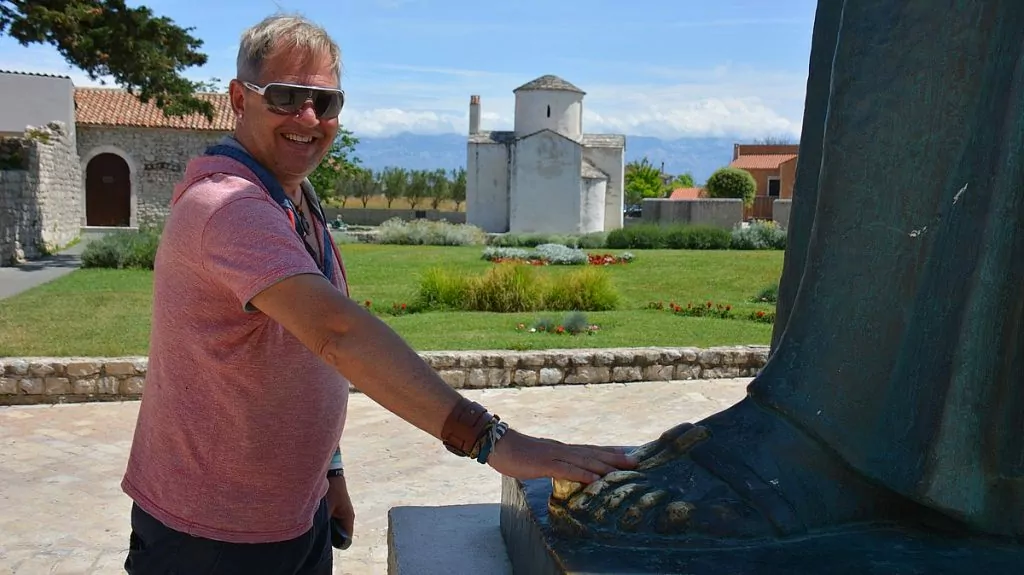
One of the most photographed figures in Nin is made of bronze. Gregory of Nin, or Gregory Ninski, was bishop of Nin in the 9th century and has become an important symbol of Croatian history and culture.
He is primarily associated with the struggle to use the Slavic language and the Glagolitic script in the church liturgy, at a time when Latin dominated.
Today, a statue of him stands in Nin. According to tradition, touching the statue's big toe is said to bring good luck – and you can't let such opportunities go to waste. Of course we tried!
5. Visit the Museum of Nin Antiquities
If you want to understand more of Nin's long history, you can visit the archaeological museum, Museum of Nin Antiquities. Here are displayed finds from different periods, from prehistoric times and the Roman era to early medieval Croatia.
The museum is not very large, but it pairs well with a walk through the historic center. After seeing the churches and ruins outdoors, you have the opportunity to get up close to some of the artifacts found during archaeological excavations in the area.

6. See the old boats Condura Croatica
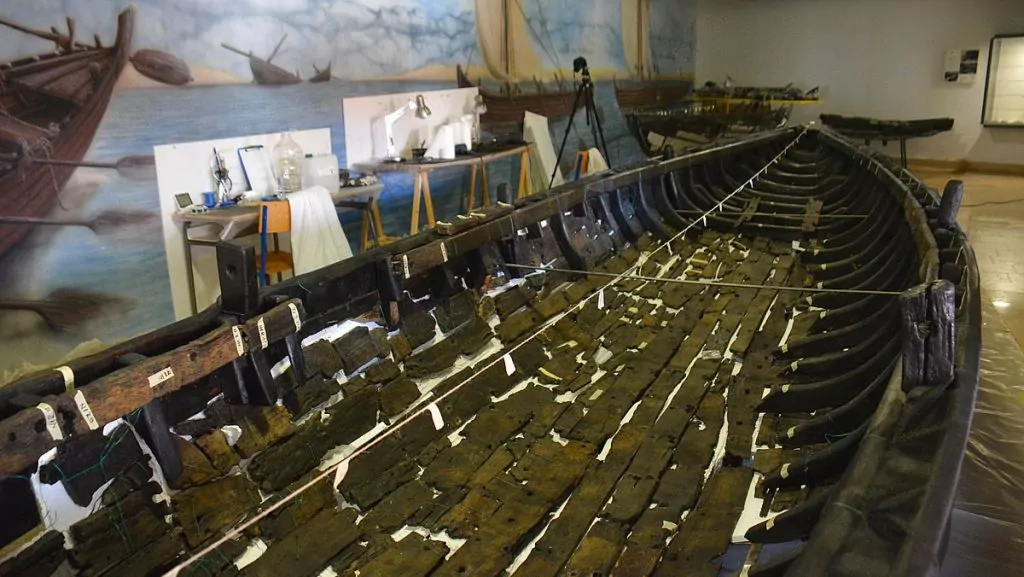
Among the most exciting finds from Nin are the ancient Croatian boats called Condura Croatica. Two boats were found in the 1960s at the entrance to Nin harbor and have been dated to the early Middle Ages.
The boats were relatively small and agile, and tell the story of the importance of seafaring during the period when Nin was an important center for the Croatian rulers. In the Museum of Nin Antiquities you can see preserved parts of the historic boats.
When we visited the museum, our guide also told us that Swedish expertise had been involved in the work of preserving the boat finds – a somewhat unexpected Swedish connection in the midst of Croatian history.
7. Visit the Solana Nin saltworks
Salt has been produced in the area around Nin for a very long time, and salt is still produced in the traditional way using seawater, sun and wind. At the Solana Nin saltworks you can learn more about the production and the importance salt has had for the town throughout history.
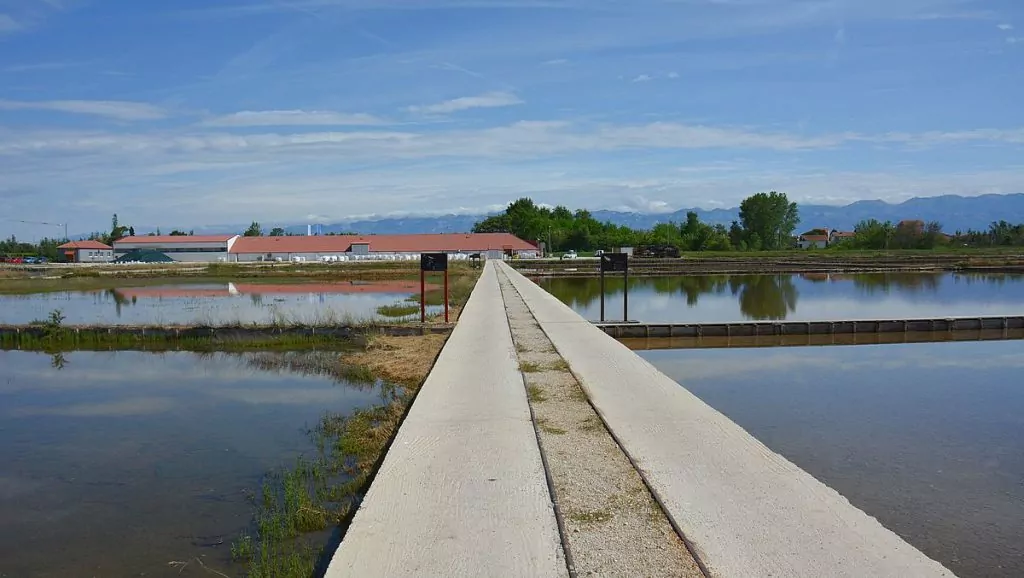
We took a guided tour of the salt basins and saw the different stages of the process. The area is also interesting from a nature perspective, as the shallow basins attract many birds.
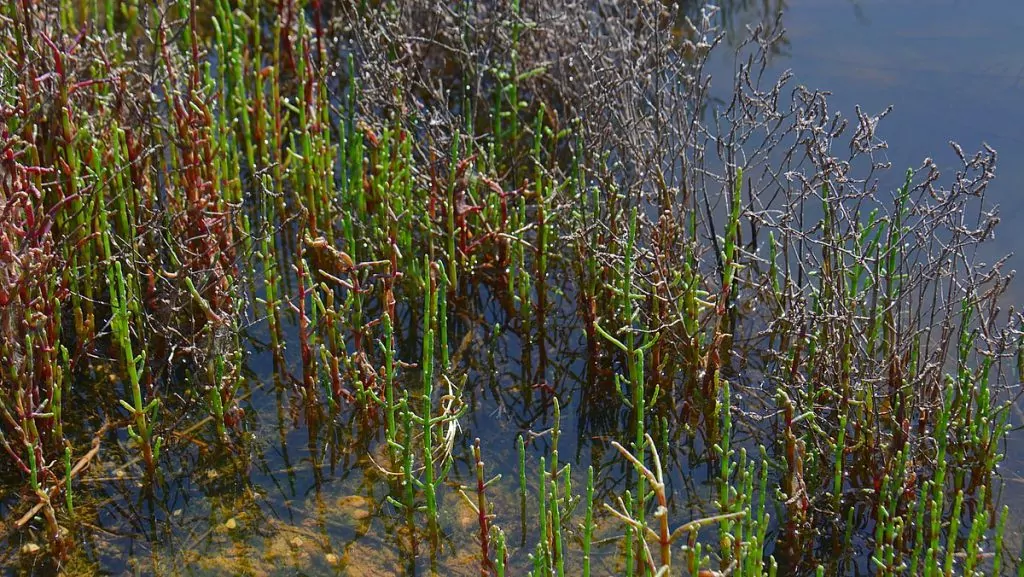


During our visit, we also got to taste a salty plant that grew by the pools and of course peek into the shop. We were given a jar of truffle salt to take home with us.


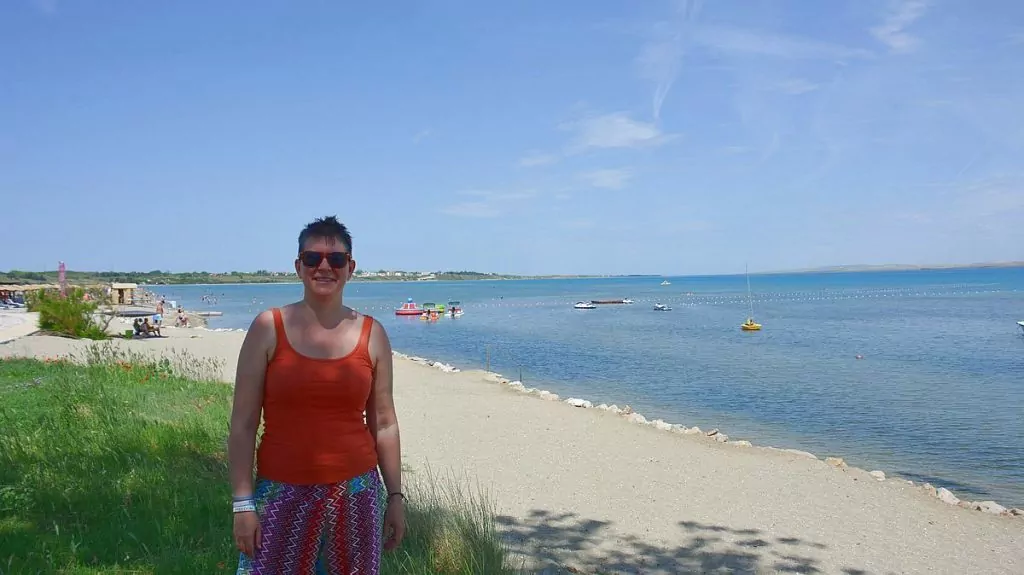
8. Swim at Queen's Beach
Nin is not only about history. The town is also known for its long, shallow, sandy beaches – something that is not a given along the otherwise often rocky Croatian coast.
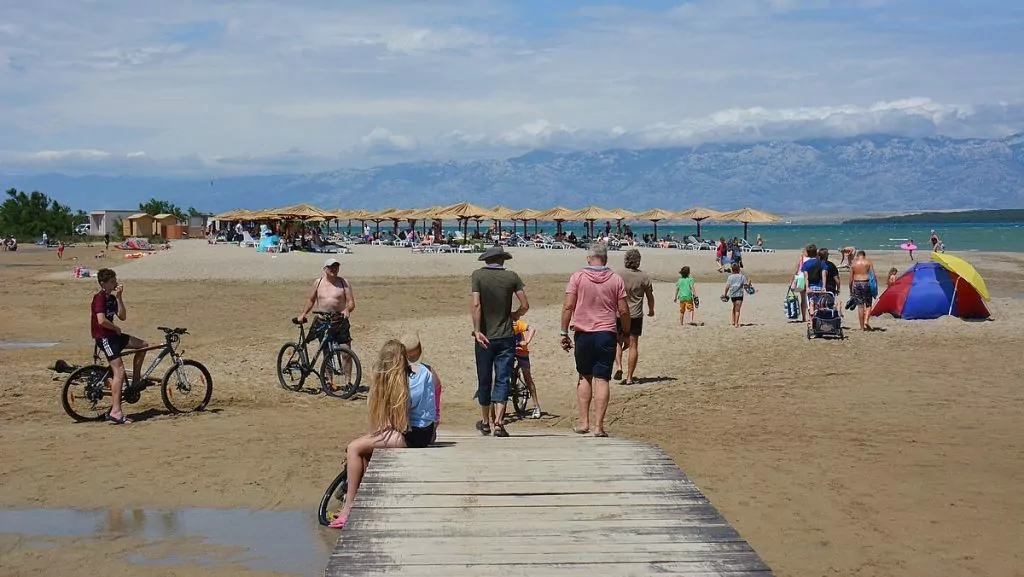
Most famous is Queen's Beach, Queen's Beach, which stretches along the shallow lagoon. Here you get sand, shallow water and nice views of the Velebit Mountains on the other side.
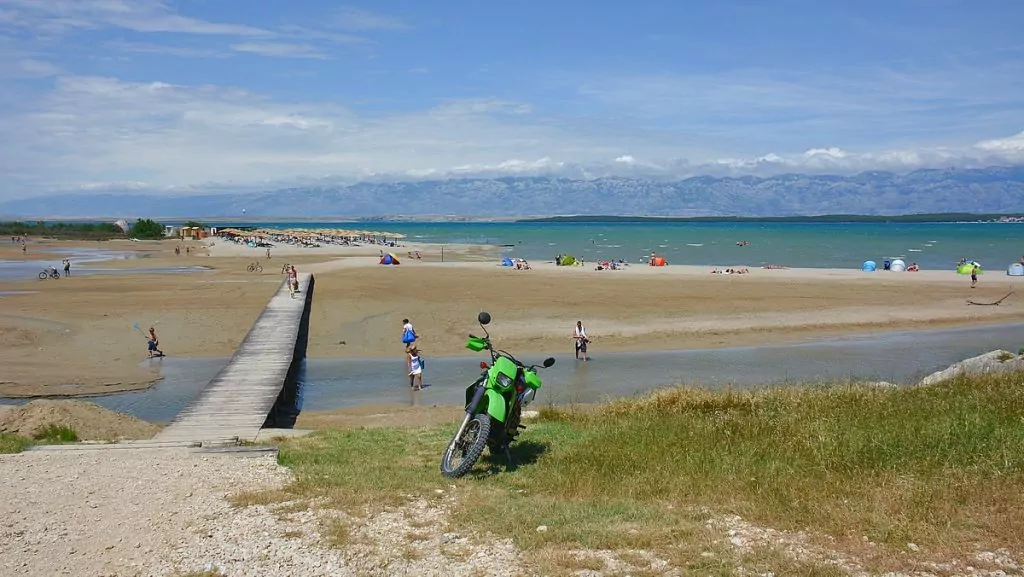
The name is associated with a local legend about the Croatian King Tomislav and his queen. According to the story, the queen was particularly fond of the beach, which is why it came to be called Queen's Beach. Regardless of the truth of the legend, we can agree that the beach is very beautiful.
9. Try Nin's famous peloid clay
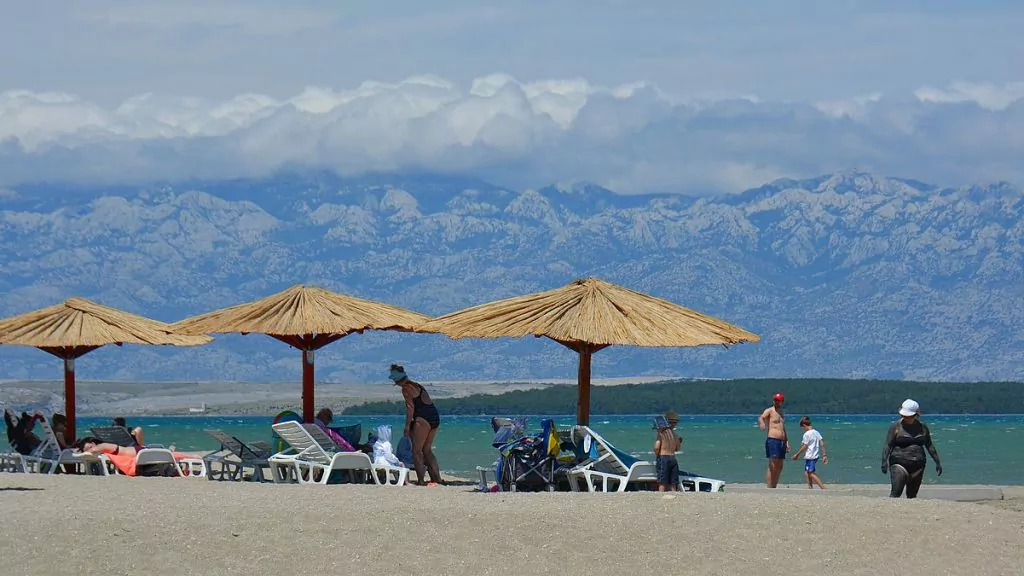
In the lagoon at Queen's Beach, there is another thing that Nin has become famous for: natural peloid clay. The dark clay has been used traditionally for a long time and is mainly marketed in connection with various treatments.
In the summer, you can see bathers smearing themselves with the black mud and then letting it dry on their bodies before rinsing it off in the sea. It is a special sight to say the least – and another experience that sets Nin apart from many other seaside resorts along the Croatian coast.
10. Taste local specialties
After all the churches, ruins and historical stories, it's time to discover Nin from a culinary perspective. Here you can try Dalmatian and local specialties such as seafood, cheese from the nearby island of Pag and air-dried meat products.
When we visited Nin, we had lunch at the Sokol restaurant, where we started with a plate of olives, Pag cheese and the local specialty sokol. It is air-dried and seasoned pork that is strongly associated with Nin and the area around the city.

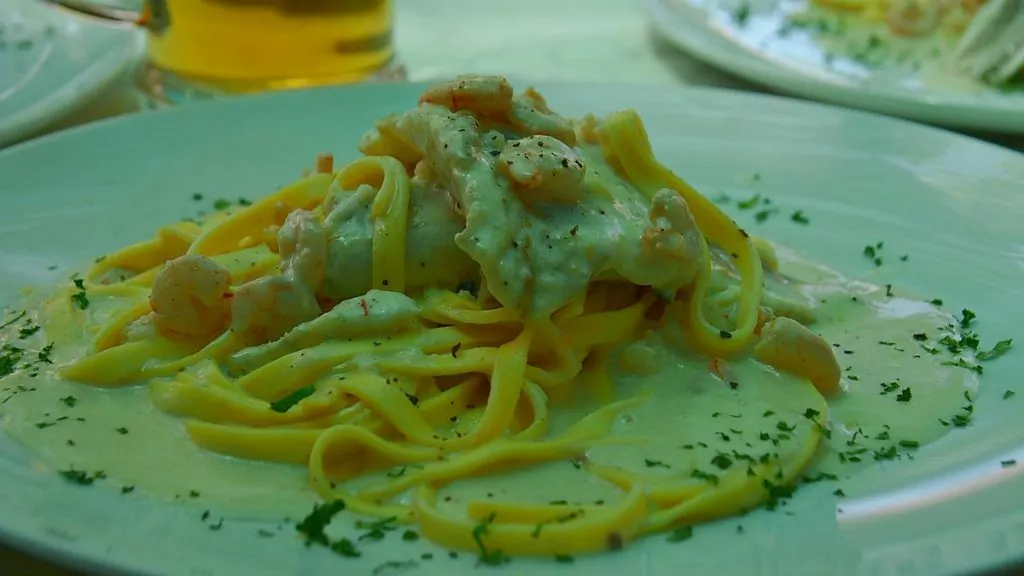
We continued with pasta with sea bass and shrimp – and it was one of those lunches that made the sightseeing day even better.
Nin – an ancient Croatian royal city
Nin has an unusually long and significant history for such a small town. The area has been inhabited for around 3,000 years and in ancient times an important Roman city developed here. Later, in the early Middle Ages, Nin became a political and religious centre of the emerging Croatian Kingdom.
The city is associated with several of Croatia's early rulers and is often described as one of the first Croatian royal cities. It was also an important episcopal seat, and Bishop Gregory of Nin, Gregory Ninski, has become one of the most famous people in the city's history.
Today, Nin is considerably smaller and quieter, but history is still very much present. On the small island in the lagoon, Roman remains, medieval churches and other traces of the city's long history coexist – all within a few minutes' walk.
Zaton Holiday Resort
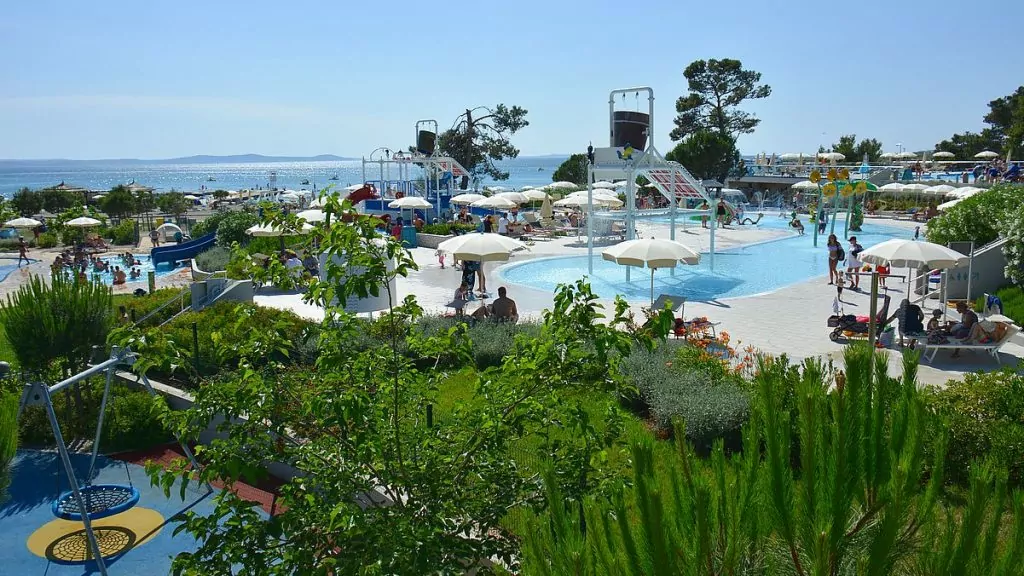
Zaton Holiday Resort is a camping and entertainment complex in one, and so big and luxurious that we've written a blog post about it (click on the link). For those who don't want to stay with "extra everything", there are also other campsites and apartment hotels.
Things to see and do nearby
The area around Nin has many excellent cycle paths, one of which leads to a nearby donkey farm. If you want to make excursions by car, there are also many interesting places to visit nearby:
- Island of Pag
- Things to do in Zadar
- Pakoštane
- Biograd na Moru
- Paklenica National Park
- Krka National Park
FAQ – frequently asked questions about Nin
Where is Nin located?
Nin is located in northern Dalmatia in Croatia, about 15 kilometers northwest of Zadar. The historic center is located on a small island in a shallow lagoon and is connected to the mainland by bridges.
What is Nin known for?
Nin is primarily known for its long history and importance in the early development of medieval Croatia. The town is also known for the Church of the Holy Cross, the Roman temple, its traditional salt production, Queen's Beach and the special peloid clay.
What is there to see and do in Nin?
You can stroll through the historic center, see the Church of the Holy Cross and the remains of the Roman temple, visit the archaeological museum and the saltworks, and swim on one of the beaches. Nin is small, which means that many of the sights can be experienced on foot.
Is Nin the first capital of Croatia?
Nin is often described as Croatia's oldest royal city and had great political, religious and cultural importance during early medieval Croatia. Several Croatian princes and kings had Nin as their permanent or temporary seat. Simply calling Nin "Croatia's first capital" is, however, an oversimplification.
Is the world's smallest cathedral in Nin?
The Church of the Holy Cross in Nin is often called ”the world’s smallest cathedral.” The name comes from the English architect Thomas Graham Jackson. The small church was built in the 9th century and served as a court chapel during the time of the Croatian rulers.
Does Nin have sandy beaches?
Yes. Nin is known for its long and shallow sandy beaches, which sets the area apart from many other parts of the Croatian coast. The most famous is the approximately three-kilometer-long Queen's Beach.
Why is the beach called Queen's Beach?
The name is associated with a local legend about King Tomislav and his queen. According to the story, the queen was particularly fond of the beach when the royal family stayed in Nin, and therefore it came to be called Queen's Beach.
What is the medicinal mud of Nin?
The Nin Lagoon contains natural sea clay, called peloid, which has traditionally been used for various treatments. The peloid clay area is located near Queen's Beach.
How far is it between Zadar and Nin?
Nin is located about 15 kilometers from Zadar. By car, the journey usually takes about 20–30 minutes, depending on traffic.
How much time do you need in Nin?
A half or full day is enough to discover the historic city center and several of the most important sights. If you also want to visit the salt works, swim at Queen's Beach and relax in the lagoon, it's easy to fill a whole day or stay longer.
Can you combine Nin with Zadar?
Yes. The short distance makes Nin an easy day trip from Zadar. You can also stay in Nin or on the coast around the city and make excursions to Zadar and other parts of northern Dalmatia.
You might also like:
 Split in winter – tips for a weekend in Croatia
 Things to do in Rauma – 14 tips for a Finnish UNESCO city
 Chemnitz, Germany - European Capital of Culture 2025
 Things to do on Hvar in Croatia - our top 12 tips
 Things to do in Athens – from ancient columns to Greek folk life
 Things to do in Bregenz, Austria - our top 12 tips



 English (UK)
 Svenska
Deciree o Kjell says:
What a place that seemed to be... looks lovely.
23 June 2019 - 7:41
Helena says:
Super nice! Both historically interesting, cosy and nice beaches! ??
23 June 2019 - 20:38
Nils-Åke Hansson says:
A lot of history and knowledge . A cathedral in the small format they may not have had much stone to build with in the 9th century. Or maybe they were frugal!
23 June 2019 - 9:43
Helena says:
I don't know why they built so small? The guide said that the fair was probably often held outdoors. Because a lot of people lived in Nin at that time ...
23 June 2019 - 20:39
BP says:
Another city that is completely unknown to me, which also offers an incredible amount. Great fun with some historical knowledge there, because I myself know almost nothing about the history of the country or the cities. Now I know a little more anyway;-)
Great pictures again!
23 June 2019 - 20:12
Helena says:
We didn't know about Nin before either. Super fun to see this beautiful and interesting city! ??
23 June 2019 - 20:40
Bakrush says:
It is best with my Croatia
25 June 2019 - 7:05
Ann-Louise Paulsson says:
What an exciting little town and so fun with the world's smallest cathedral! Get such a longing for Croatia from your posts. 🙂
23 June 2019 - 21:26
Lena - gott för själen says:
That also seems to be a really nice destination with a lot of exciting history. Croatia has many gems!
Hug Lena
26 June 2019 - 6:19