


Writer: Helena Bergström
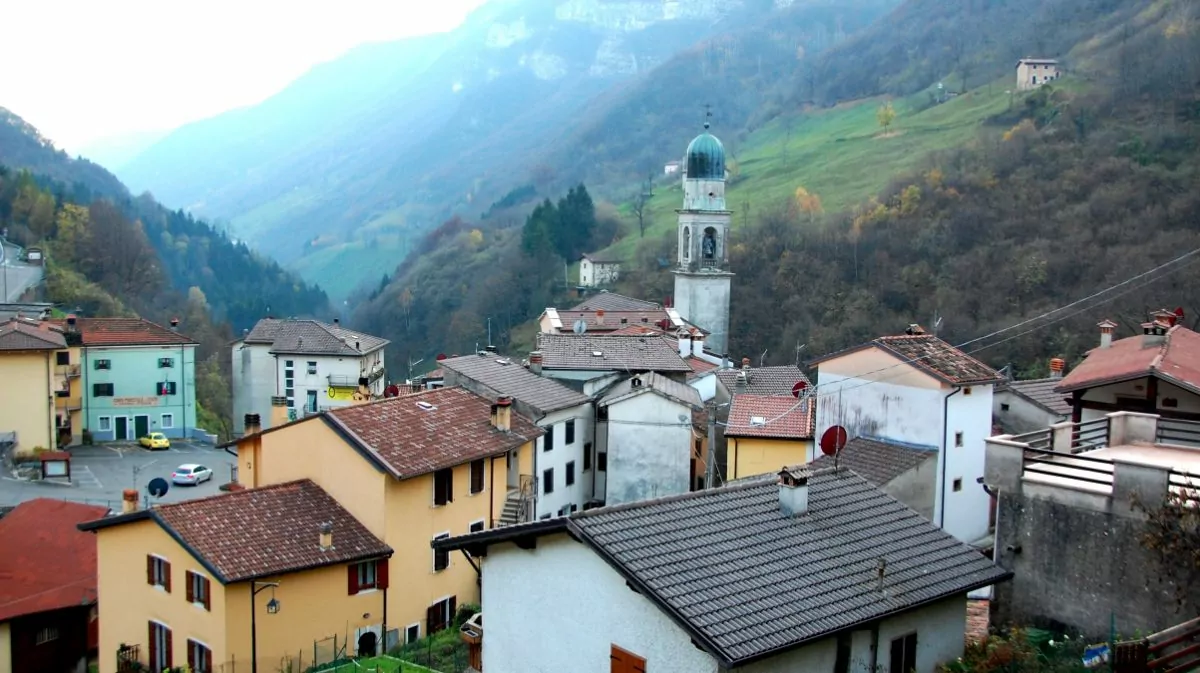
Updated: August 2026 | Giazza is a small mountain village in northern Italy that we had the chance to visit. The best thing about meeting locals when you're traveling abroad is that you get to places you would never have been to otherwise. Leif and Patrizia live in a small village just outside Verona in Italy, but Leif also has a house in the mountain village of Giazza. We went there the day before yesterday on winding roads through the mountains in northern Italy.
 Tweet
 Share
 Share
 Pin
 Share
 Share
Table of contents
Giazza in northern Italy
Giazza is located in the northern part of Italy, in the region of Verona. The town is a short distance north of Verona. It is about 1.3 miles from Venice by car and around 1.6 miles from Bergamo.
Meetings on the trip
When we got to the campsite in Igoumenitsa In northern Greece we met Swedish Leif and his Italian wife Patrizia, who live just outside Verona. Now when we were heading to Verona to buy wine we had the fantastic luck of being invited to their place.
It was an incredibly nice evening with lots of talk about travel and Italian food and other interesting things. We were invited to a fantastic red wine and antipasti with tasty local cheeses and charcuterie at their apartment, and then dinner at the cozy little neighborhood restaurant.

Giazza - an ancient mountain village with its own language
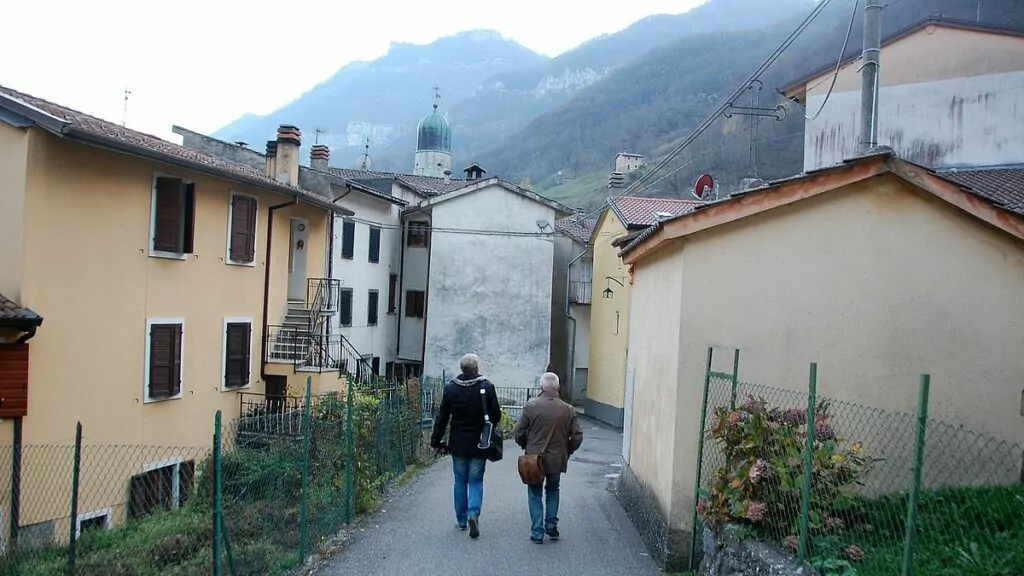
The next day we went to the cozy mountain village of Giazza. This small village has around 100 permanent residents, a small shop and a few restaurants. Some also have summer homes here, so in the summer there are more people on the move.
People from Bavaria-Tyrol settled in this area as early as the 13th century and many of the houses are very old. Leif's beautiful house, for example, was built as early as the 17th century.

Perhaps most notably, the village, along with several other municipalities in the area, has its own language. The language is called cimbro and is more likely a German dialect, but apparently differs so much that it is difficult to understand for a normal German.
By the way, if you were to visit the village in the summer, there is a museum where you can learn more about the local culture.
Tour of the wine valleys of Valpolicella
During our visit to Leif and Patrizia, we also took the opportunity to do a little wine tour to Valpolicella, where we have been twice before.


Many people who buy wine in Valpolicella go to one of the many cantinas around the area. Together with Leif and Patrizia, we went to a cantina and visited the Viviani winery, where we have been before.

Sandra Viviani welcomed us and told us about their different wines, everything from their simplest Valpolicella to their finest Amarone Casa Dei Bepi.

A good ending
How does one conclude a day of wine shopping in Valpolicella? Naturally, with good food and fine wine. It was exceptionally enjoyable. Italian cuisine at Leif and Patrizia's house along with a bottle of Valpolicella Superiore Campo Morar from Viviani.
We started with antipasti with insalata caprese (tomato, buffalo mozzarella and basil) and local cheeses and cured meats. Here in Italy, they like to buy the cheeses and hams from the local farms instead of the big producers, so the food is really locally produced. Then we continued with a good pasta with pumpkin. A very good ending to a very good day!

See more in the neighbourhood
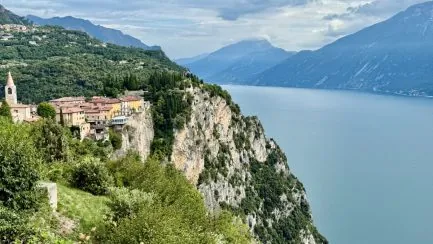
Want to see more near the mountain village of Giazza? This is an amazingly beautiful part of Italy. You can discover the cities of Verona, Bergamo and Milan. You can also experience Lake Garda and its beautiful surroundings. There are plenty of campsites here and you can also visit many vineyards.
You might also like:
 Small towns in Marche – Fabriano, Fermo, Ripatransone and Tolentino
 Visiting the castle of Caserta in Italy - one of the largest castles in the world
 Limone on Lake Garda - a declaration of love for lemons
 Visiting Riva del Garda - a gem on Lake Garda
 Guide to Lake Garda - 17 tips for experiences around the lake
 Bed and Breakfast Molino di Lancin - a hidden gem in Italian greenery

 English (UK)
 Svenska
Åsa says:
Oh what a gem! Like mountain villages! Now I became curious about the language, I wonder if I would understand it with the Italian and Tyrolean German that I have in my luggage? Will google and see if I can find a sample....
15 November 2015 - 10:29
Marina says:
How wonderful to see a village "a little like that from the inside". Probably a place you would otherwise never get round to visiting!
15 November 2015 - 10:44
Ama de casa says:
Sure, it's fun to get tips and visit places that are a little off the beaten track.
15 November 2015 - 10:55
admin says:
Åsa, who knows? Let us know if you found any samples and if you understood anything!
Marina, we would never have found this place otherwise!
Ama de casa, that's often when it's at its best!
15 November 2015 - 10:57
Ontripdk says:
What a lovely gem you have visited here. It looks in your beautiful pictures both cosy and beautiful. Uhhh would like to go there right now 🙂
15 November 2015 - 13:38
Ditte says:
Thanks for the visit! I love these small villages where tourism has not yet reached. Hopefully it will be soon....
And what fun for you to come here to Giazza. How exciting with this language, seems to be more of a dialect...
Will definitely check out Leif's blog and read more.
15 November 2015 - 13:42
BP says:
Also like old mountain villages. So happy for you that your mates could show you this gem. As you say - locals are the best guides!
15 November 2015 - 15:10
Maria says:
So lovely with small villages! 🙂 As a student of German, I became curious about that dialect and googled, according to wikipedia it is an old Bavarian dialect with influences of Italian 🙂.
15 November 2015 - 16:44
Leif Berglund says:
Maria is right, it's a dialect of Old German that doesn't exist anymore and the language has changed a lot since the 13th century, as of course has Old German, so today Cimbro is not understandable unless you speak the language in its entirety. But you can still hear that it has common roots with German. Some of my neighbours teach Cimbro in their spare time if anyone is interested in learning, Roberto and Domenico have taught me a few words.
Otherwise, it is easier to read here:
https://sv.wikipedia.org/wiki/Zimbriska
and learn a few words here:
http://www.cimbri.it/la-lingua-cimbra/frasi-in-cimbro/frasi-in-cimbro_0_51.html
15 November 2015 - 18:03
Lena i Wales says:
How nice it looks!
Fun with old languages. Hope it survives!
15 November 2015 - 18:57
steel city anna says:
Amazingly beautiful!
15 November 2015 - 20:33
Ninnie says:
Oh, how nice! There is something special about these small mountain villages - or mountains in general - I think. The view, the air...Northern Italy is so beautiful, with its lakes and high mountains.
Have fun and good luck on the rest of your long journey!
15 November 2015 - 21:36
admin says:
Ontripdk, we agree, a very nice little village in a beautiful landscape!
Ditte, I don't know if it counts as a language or a dialect, but if so, some kind of dialect of German or Old German.
BP, you always find the best places with local guides! 🙂
Maria, how nice that you googled, and it seems to be true when you read Leif's comment below.
Leif, what fun that you write and sort out the whole thing about the language a bit! 🙂 We have had problems with the internet for a while, but hopefully it will be better now... Thank you again for your hospitality and a super nice visit around Verona!!!!
Lena in Wales, there is a risk that such languages will die out over time, unfortunately...
Steel city Anna, we can only agree! 🙂
Ninnie, we also like northern Italy very much. Beautiful there! 🙂
16 November 2015 - 14:09
Annika says:
Very beautiful!!!
And so good to have some inside information from the locals.
You are on the home stretch now, I understand.
Hope it feels more than OK too.
16 November 2015 - 14:37
admin says:
Annika, yes we are on our way home and it feels pretty good! We are incredibly happy with the trip and it will be fun to meet family and friends. We have gone a little further than Italy, update soon!
16 November 2015 - 16:59
Maria says:
Leif, thank you for the additional information and the link with examples of sentences and verbs, I really recognise the Bavarian origin, I might be able to understand a little bit of what they say, depending on the topic of the conversation etc. of course 🙂 I think others who speak Bavarian dialects can also understand some of what these people are talking about 🙂 Even in Germany there are Bavarian dialects that are quite old and so strong that Germans from other parts of the country hardly understand anything at all .... 😉
16 November 2015 - 21:46